For divorced parents, finding a new partner can involve far more than attraction. Distance, children, work, financial obligations and even custody schedules can determine whether a promising relationship has any realistic chance of working.
“When you’re divorced and have children, along with baggage from the past, finding a relationship is much harder than when you’re single and starting with a clean slate,” said Avigail Cohen, 42. “Everything has to fit perfectly: distance, children, child support, work and even whether you have the same weekends free.”
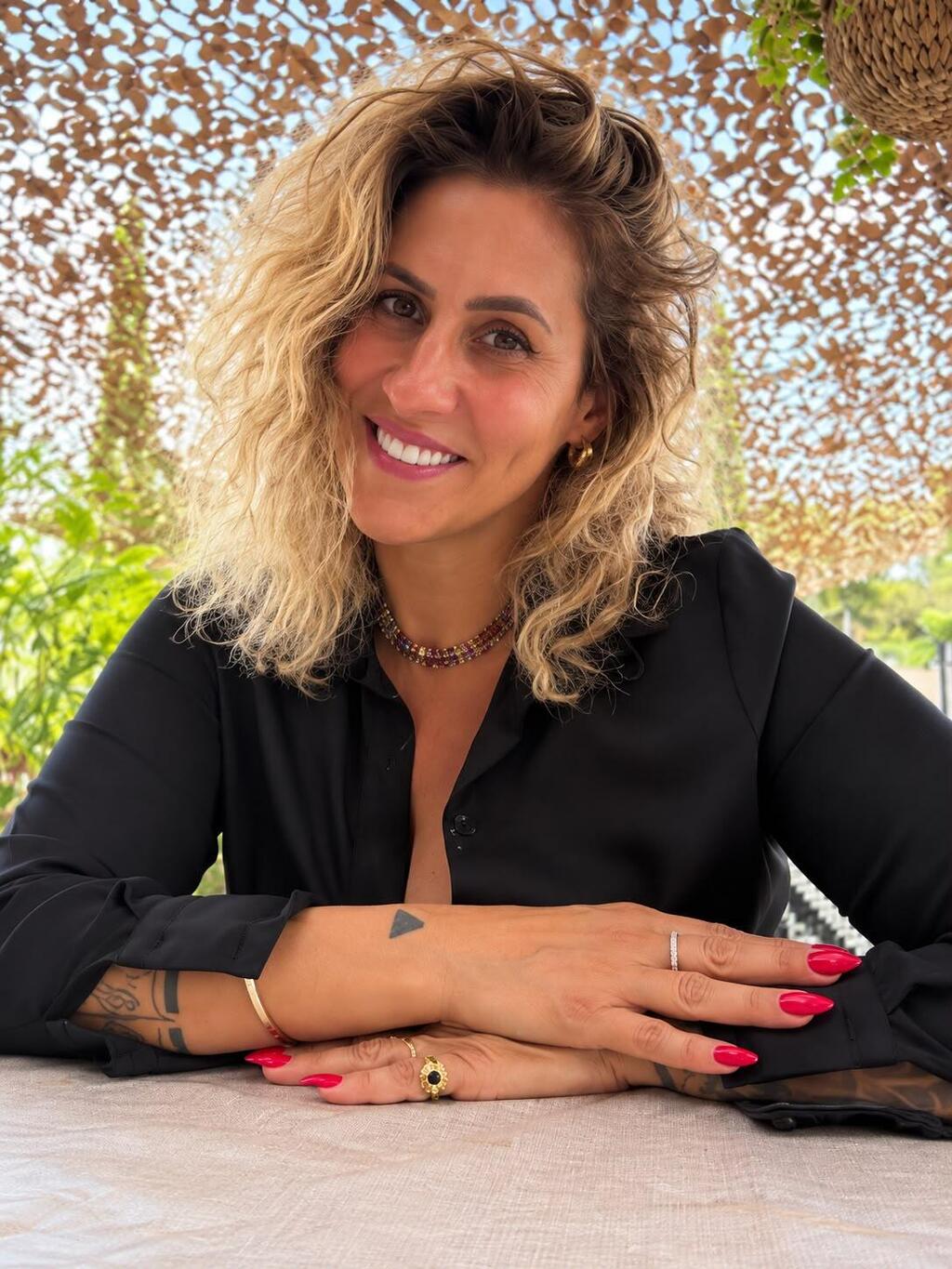
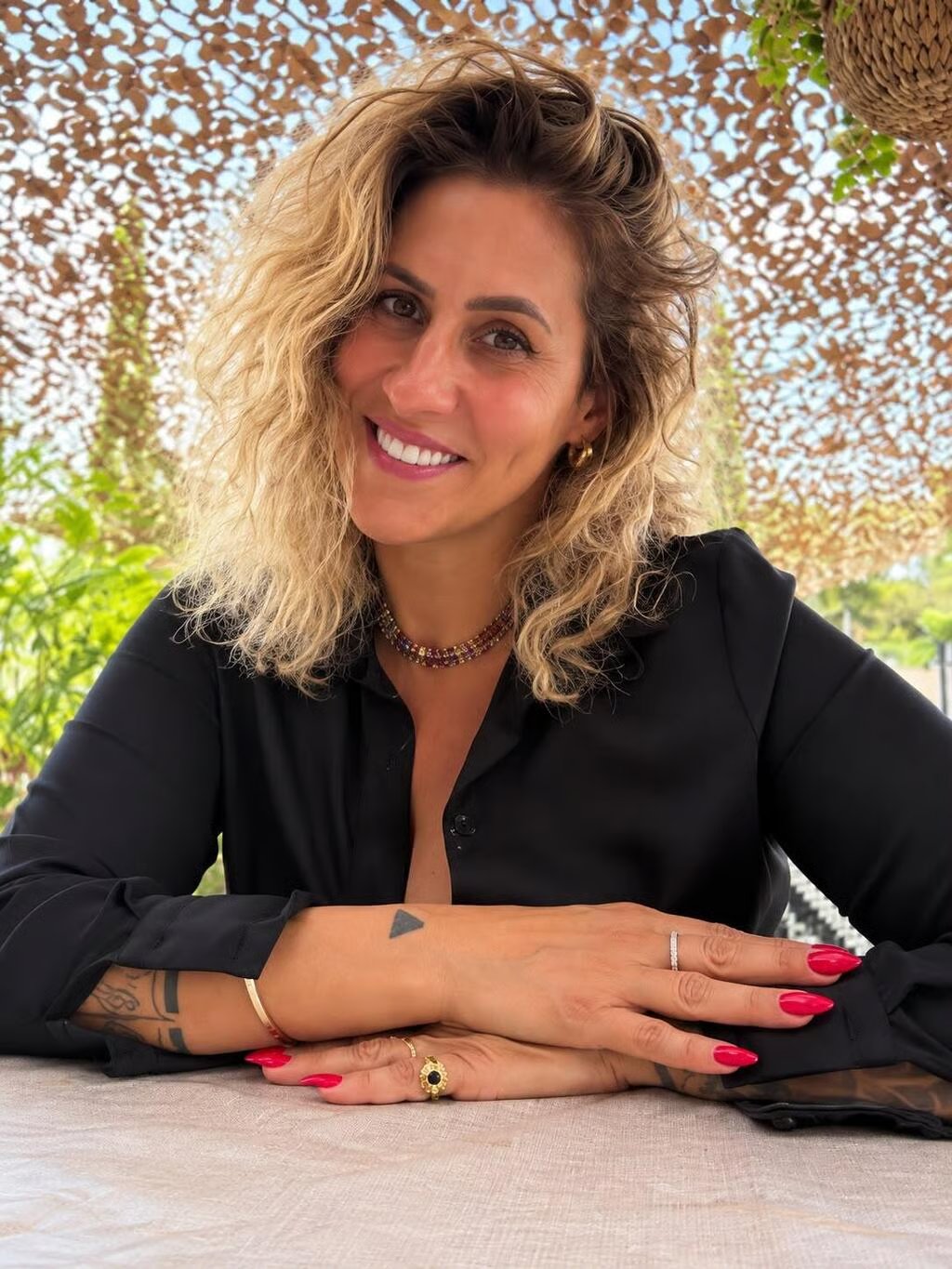
Avigail Cohen: ‘After I divorced, I met many divorced people who didn’t really understand why their marriages had ended’
(Photo: Private album)
That realization led Cohen and her partner, Sagi, 46, to create Teder, a dating platform designed specifically for divorced parents with children.
“After I divorced, I met many divorced people who hadn’t really stopped to understand why their marriages had failed,” Cohen said. “They hadn’t done the inner work or figured out what they were looking for. They simply went straight back into the dating world.”
After six years as a divorced woman, she said she began to feel that many divorced parents were moving in circles without finding a way forward. The idea for a dedicated dating platform gradually emerged, and when she met Sagi, who had experience with entrepreneurial projects, the concept took shape.
Cohen’s idea grew out of both her personal experience and her professional background as a therapist, parenting instructor and mediator. Through her work, she said, she had seen families break apart without necessarily understanding how to rebuild their lives afterward.
She married at 26 and quickly became a mother. Within a year, she had two young children. “I was married to someone who worked very long hours, and I felt alone from the first day,” she said. “I also felt that I had made a mistake and married the wrong person. I was constantly imagining a way out, waiting until I had the strength to divorce and find real love.”
Four years into the marriage, Cohen was diagnosed with a heart problem. “I had heart failure, and the head of the cardiology department told me there was no clinical or genetic explanation for it and that I needed to examine my life and understand why my heart function was so poor,” she said. “That woke me up.”
She began studying neuro-linguistic programming (NLP), therapy and parenting guidance, she said, which helped her better understand what she was experiencing. The couple later had another daughter. “I thought she would help my heart,” Cohen said.
It did not save the marriage. After 11 years of marriage, Cohen divorced with a two-month-old baby and two other young children, and began navigating life as a single parent and the dating world anew.
Did you feel a sense of relief once the divorce was finalized?
“No. I mostly felt frustrated. I started dating and going to social events only about six months after the divorce, hoping to meet someone. At first, I felt there was far too much focus on superficial things, especially judging people by their photos. But I’m much more than a picture. I have depth, a history, things I’ve learned and life experience. It didn’t make sense to me that someone could decide whether they wanted to be with me based on a photo alone.
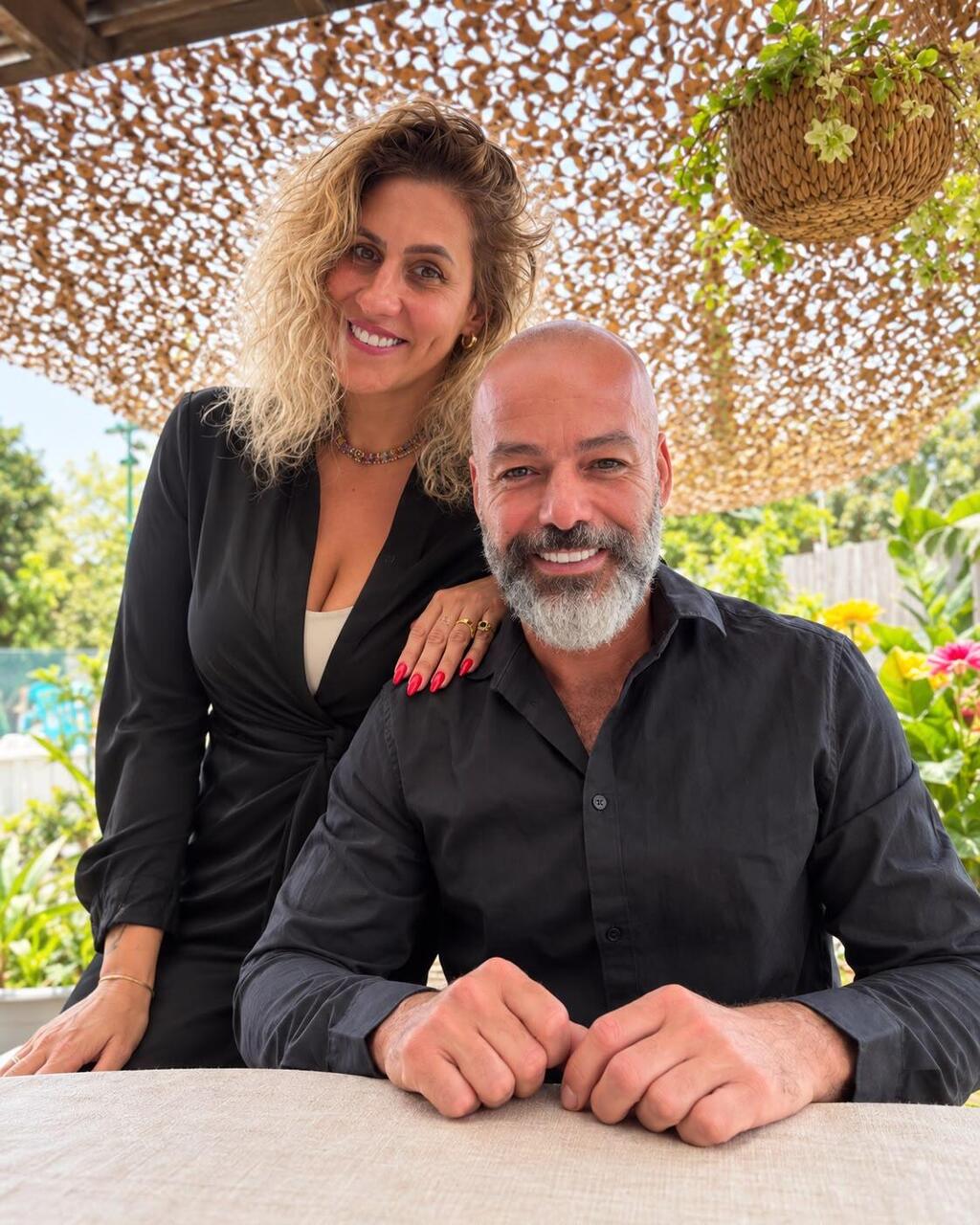
Avigail and Sagi: Their connection felt almost cosmic from the very beginning
(Photo: Private album)
“The problem is that people stay in the shallow end, so that’s why they meet this kind of people too. If you want depth in a relationship, you have to ask yourself deeper questions and do the inner work.”
“Overall, I went on all kinds of dates. I met men through apps and attended gatherings for divorced singles, both to meet potential partners and to make new friends. At first, I found a social circle that included outings with the children, meetups in parks and parties, and over time that group became a kind of new family.”
“They made me feel that I wasn’t alone during the holidays or on the days when my children weren’t with me, and I felt I had made the right decision and was building a better future for myself and for them. I later had a three-year relationship, but overall I found it very difficult to meet someone.
“So many divorced people were emotionally closed off, still carrying the trauma of relationships that had failed and hadn’t really prepared themselves to start again. Fortunately, I eventually met Sagi, and with him I finally felt I had found what I was looking for.”
The two met through Facebook not long after Sagi’s divorce. “I married at 30 and was married for 15 years,” he said. “During the COVID period, our worldviews began to diverge and we grew apart.”
“I found myself alone inside a marriage that was already over,” he said. “Each of us was busy with our own things. Our two children were already older, and it had become more of a household and business partnership than a marriage.”
By the time the divorce was finalized, he said, he felt emotionally ready to meet someone new. Then one of Cohen’s Facebook posts appeared in his feed. “It was about dating and going ‘back on the market,’ and it spoke to me,” he said. “I’m someone who had never met people virtually. I always felt I needed to meet someone face to face.”
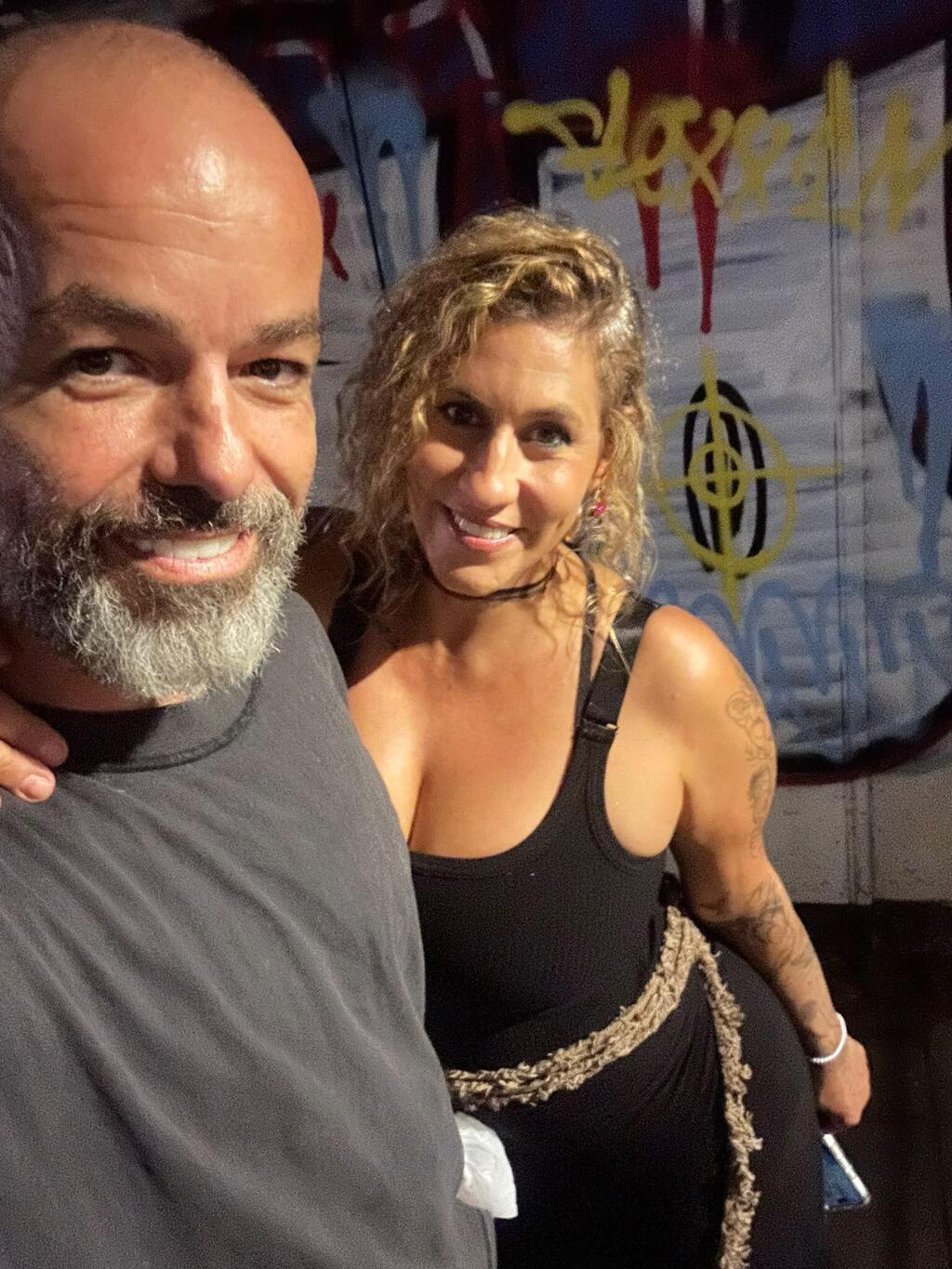
Avigail and Sagi: They hope that Teder App will grow into a real community
(Photo: Private album)
“She intrigued me, so I sent her a message, and we connected immediately. When we met for the first time, I saw something special in Avigail. It was an incredible date. Everything flowed, and it felt as though we had known each other for years. Afterward, I wrote to her: ‘I don’t know what happened to me, but I still feel your presence even though you’re not here.’ Everything about it felt cosmic.”
Cohen felt much the same. “Sagi was unusual and different, and I found him incredibly intriguing. When we met, there was an immediate spark, and we were amazed by how quickly we realized we spoke the same language. Things became intense very quickly, and from the day we met, we were constantly together. It didn’t take long before it was clear that we were a couple.
“Everything seemed to fall into place because he was exactly the kind of man I had written down that I wanted: someone with older children, who didn’t live too far away and who exercised. In the end, I got everything I had asked for.”
When Cohen began shaping the dating platform, one of her first requirements was identity verification. Users are asked to provide identification in an effort to reduce fake or misleading profiles.
Another feature addresses a problem that is particularly important for divorced parents: custody weekends. “Divorced parents often have one weekend alone and one weekend with their children, and they want to meet someone whose schedule lines up with theirs,” Sagi said.
The Teder app allows users to indicate which weekends they have their children, and the system identifies potential matches whose schedules overlap. “It’s so critical to dating and to a relationship that it is often determined in the divorce agreement itself,” he said. “People build their social lives around those weekends.”
If two people have opposite custody schedules, he said, building a relationship can become extremely difficult. “If the weekends are reversed, it simply won’t work easily,” he said. “It becomes hard to get to know each other deeply, and changing those schedules is often not practical.”
Interesting. So anyone who doesn’t upload an ID won’t be able to register?
Sagi: “Every profile has to be approved. Users need to understand that there are rules, and honesty and reliability are essential. The registration form asks for basic information such as age, place of residence, children’s ages, occupation, how long they’ve been divorced, what they’re looking for and a little about themselves. They also have to upload at least two clear photos showing their face, without sunglasses.”
“If someone wants to find a relationship on our site, they have to show their face,” Sagi said. “You can’t say, ‘I want a relationship,’ and then hide. That’s what married people looking to cheat might do, but not someone who is genuinely looking for a serious relationship. We ask people to be open about who they are so they can be more precise about what they want and what is true for them.
“We also vet every user and make sure the social-media accounts they provide match their photos and personal details. If we check someone’s profile and discover that their Facebook account was created only two weeks ago, we won’t approve them. It looks suspicious and could mean the account was created solely for the dating site.
“At the end of the day, we’re not looking for quantity but quality. We want everyone who joins to have a real chance of finding love here. Users are even asked to agree to statements such as ‘I believe in love’ and ‘I intend to pursue a serious relationship,’ because the first step is making your intentions clear. There is also an in-depth questionnaire designed to help people find a better match.”
“The goal is to touch on emotion and ask NLP-based questions that invite people to explore their own truth and refine their choices,” Cohen said. “When two people have read each other’s questionnaires, the conversation is completely different because they already understand something about the person in front of them.”
Sometimes, she said, shared experiences and difficulties themselves become the basis for connection. “Like attracts like,” she said. “It is important that partners have common ground in their worldview and values.”
The site also features professionals. How does that connect to dating?
Sagi: “The goal is definitely to help people find a relationship, but we understand that it doesn’t always happen through the traditional dating-site format. We believe connections can also develop through everyday interactions, even when someone hires a professional. That’s why we also have a directory where divorced professionals can list their businesses free of charge.”
“We also host Zoom meetings and online lectures on topics such as financial management, relationships and coaching. We promote events for divorced singles as well, including ones we don’t organize ourselves, and we eventually plan to hold in-person gatherings so connections can develop offline too.
“Teder is meant to be a community for divorced men and women, with meetings, lectures, workshops and social activities. The idea isn’t only to help people find a new relationship, but also to rediscover friendship, community, hope and, above all, themselves.”
Avigail: “There are many divorced people who no longer believe real love is out there, and we want to help them find it. A relationship requires constant work, growth and change, and finding love begins with making the decision to look for it.
“Sagi and I both knew who we were, what had been missing in our previous relationships, what we needed to change and what we were looking for. That’s why we were able to recognize it when it came along. We’ve been together for a year and a half and moved in together after just eight months. We’re planning to formalize the relationship, and we’re excited about what comes next.”