
The story goes back to the reign of King Alfonso XIII, who took an interest in the rapidly developing sport of football.
The first Spanish football organisation to receive the distinction was Real Club Deportivo de A Coruna.
The club’s own history says Alfonso XIII granted it the title of ‘Real’ in 1909, while he also accepted the honorary presidency, which was the most direct way to earn the royal title.
A crown was added to the club’s badge providing a visible symbol of its new royal patronage.
Real Sociedad, based in San Sebastian, was the next to get the seal of approval, in 1910. The distinction carried particular significance in the city on the north west coast of Spain because it was where the royal family regularly spent their summers. The club is also known as ‘La Real’.
Espanyol received the honour in 1912, becoming Real Club Deportivo Espanyol and Real Sporting also traces its title to 1912, after Alfonso XIII accepted the honorary presidency of the Gijon club.
The practice continued through the early 20th century as football rapidly expanded across Spain.
As clubs became established in cities and regions around the country, royal patronage gave some extra prestige. Receiving the ‘Real’ title could strengthen their social standing while establishing a connection with the country’s monarchy.
And then came perhaps the most famous example of all.
Real Madrid was founded in 1902 as Madrid Football Club.
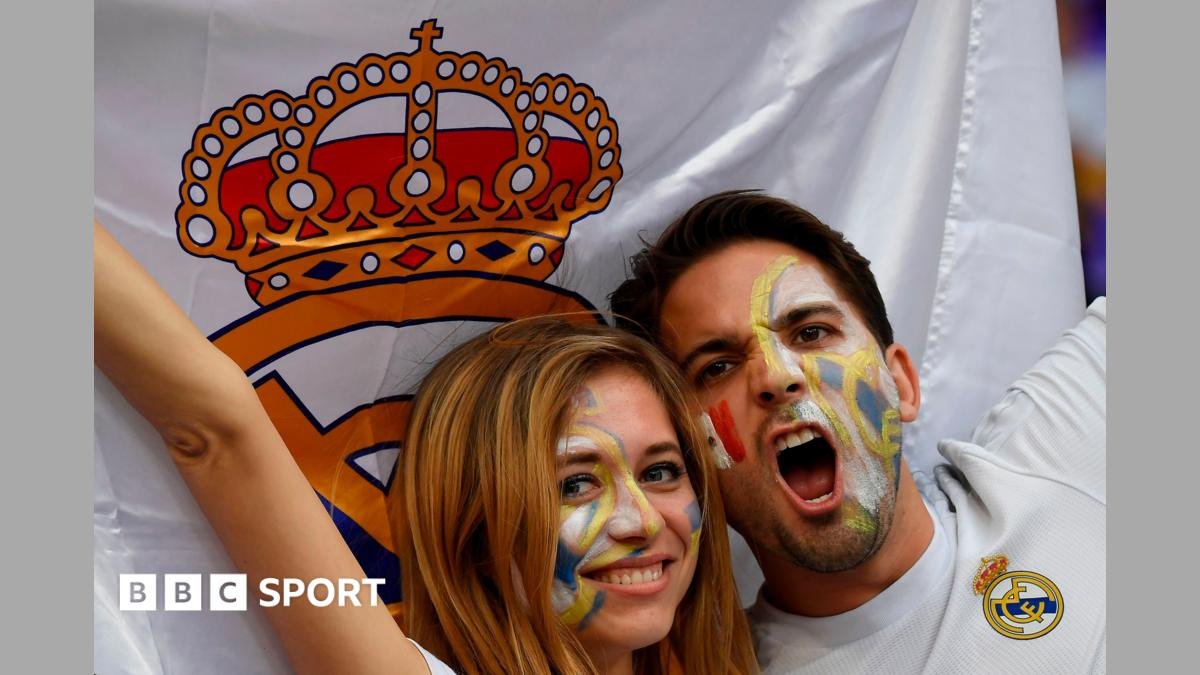
But in 1920, Alfonso XIII granted the club the right to use the title ‘Real’, with a letter from the monarch’s household formally giving the club permission to place the designation before its name. The royal crown was subsequently incorporated into its crest.