Healthy eating is often associated with expensive ingredients, trendy superfoods and complicated meal plans. Yet some of the most nourishing foods have been part of South African family meals for generations.
With the cost of living continuing to place pressure on household budgets, many South Africans are having to think more carefully about what’s in their shopping trolleys. Recent research found that 62% of South Africans cannot afford a healthy diet, making nutritious food choices feel increasingly out of reach for many families.
“When budgets are under pressure, healthy eating can feel overwhelming,” says Mbali Mapholi, Registered Dietitian. The good news is that eating well doesn’t have to mean buying expensive speciality foods. Many traditional South African staples are rich in fibre, vitamins and minerals, while also being affordable and widely available. Small, practical choices made consistently can have a meaningful impact on long-term health.”
Whether you’re tightening your budget, improving your health, or both, these six traditional foods are worth adding to your shopping list:
Beans and samp
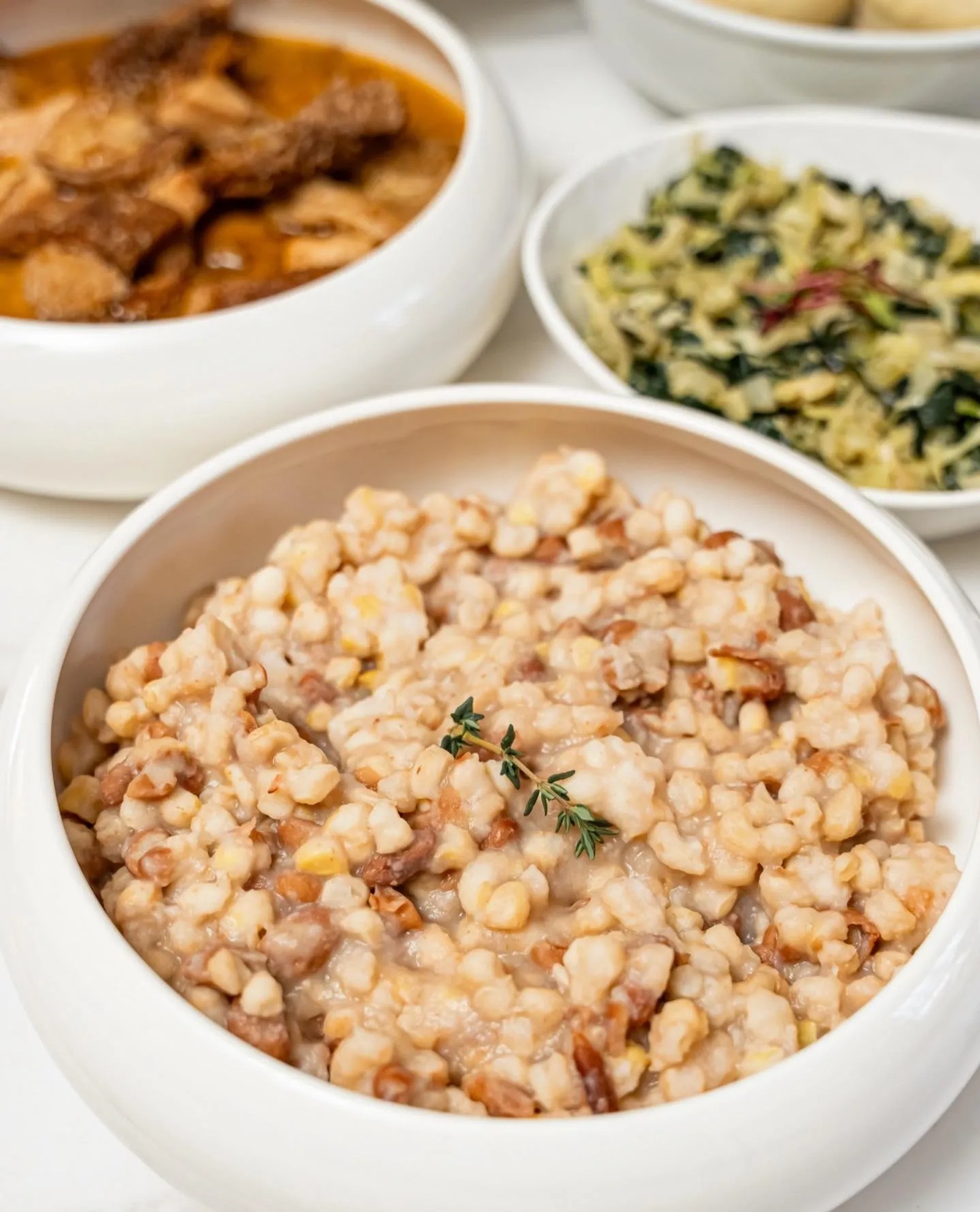
A South African nutrition powerhouse Beans and samp have been a staple in South African households for generations, and for good reason. Together, they provide a nourishing combination of plant-based protein, fibre and slow-release carbohydrates that help keep you fuller for longer and support sustained energy throughout the day. Affordable, versatile and easy to prepare, this classic pairing remains one of the simplest ways to add nutritional value to everyday meals while celebrating traditional eating habits.
Sorghum porridge: A breakfast worth revisiting
For many South Africans, sorghum porridge brings back memories of childhood breakfasts. Sorghum porridge can provide a nutritious, fibre-containing breakfast that supports digestive health and helps contribute to sustained energy. Pairing it with milk, amasi or another protein source can help create a more balanced and satisfying meal.
Leafy greens: Simple, affordable and nutritious
Leafy greens like morogo and spinach are rich in vitamins, minerals and antioxidants. They’re also an easy way to add more vegetables to meals without significantly increasing your grocery bill. Stir them into stews, serve alongside pap or enjoy as a side dish – these vegetables add both flavour and nourishment to the plate. Regularly including leafy greens contribute valuable vitamins, minerals and fibre to the diet, supporting digestive health and overall nutritional wellbeing.
Amasi: A household favourite
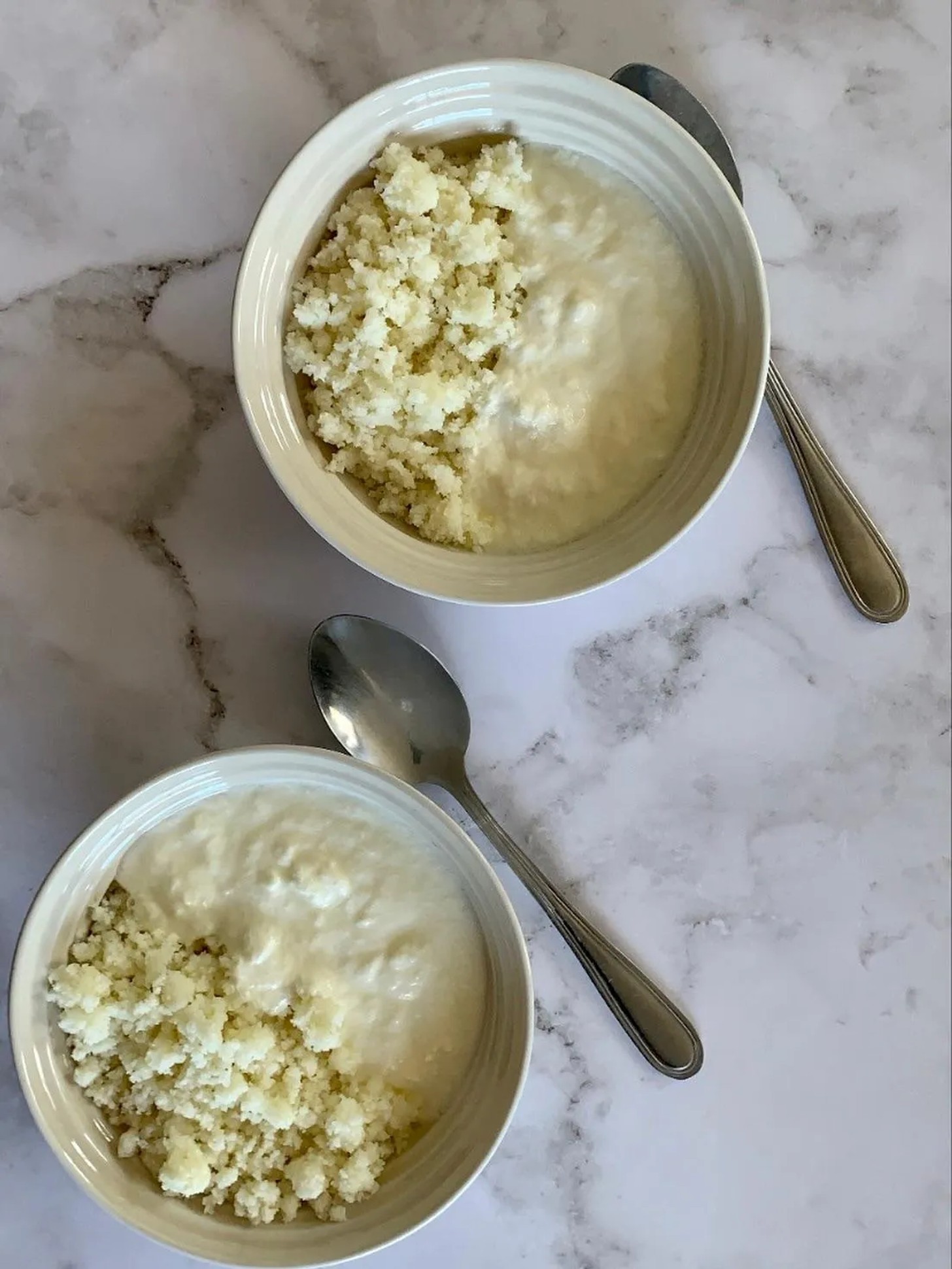
Amasi is simple, affordable fermented dairy food that provides protein and calcium. Depending on the product, it may also contain beneficial live cultures. It can be a nutritious and affordable addition to a balanced diet.
Pap: A staple that still deserves its place
Pap is widely eaten and is a key part of many family meals and remains an affordable and important staple in many South African households. It provides energy and can form part of a healthy eating plan. The key is to consider portion sizes and what accompanies it. Pairing pap with beans, vegetables, eggs, amasi or another protein source helps create a more nutritionally balanced meal.
Other affordable protein sources
Protein is important for growth, maintaining muscle mass, supporting immune function and helping meals feel satisfying. Some affordable options include:
· Eggs
· Dried beans, lentils and split peas
· Pilchards
· Amasi and plain yoghurt
· Peanut butter without excessive added sugar
· Chicken portions when affordable
Practical ways to stretch your food budget
For many households, eating well starts with making the most of what’s already available. A few simple shopping and cooking habits can help keep costs down while still putting nutritious meals on the table.
Buy vegetables that are in season, as they are often cheaper than out-of-season produce.
Keep an eye on frozen vegetables. They can be a cost-effective alternative to fresh produce and often last longer, reducing waste.
Stock up on dried beans, lentils and split peas when prices are favourable. They are affordable pantry staples that can be used in a wide range of meals.
Cook larger portions of beans, samp or stews and freeze leftovers for busy days.
Compare the price per kilogram when shopping, rather than relying only on promotional signage.
Before heading to the shop, check what ingredients you already have at home and plan meals around them.
Make room for budget-friendly proteins such as eggs, beans and pilchards, which offer good nutritional value at a lower cost.
Give leftovers a second life by turning them into soups, stews, lunchbox meals or filling sandwich toppings.
These habits may seem small, but they can help households get more value from their grocery budget while making it easier to prepare wholesome, satisfying meals throughout the week.
“Healthy eating doesn’t require overhauling everything at once,” says Mapholi. “Start with one change – add more beans, eat more greens – and build from there. Small, consistent choices compound into real health improvements.”
It is also not about finding one perfect food. It is about combining affordable, everyday ingredients to create balanced meals. A simple plate of pap, beans and seasonal vegetables can provide valuable nutrients without requiring expensive ingredients.
“Your future health is shaped by what you choose this week,” says Maria Carpenter, Head of Momentum Multiply. “Taking ownership of your wellbeing means recognising that simple actions – eating nourishing foods, moving regularly, resting well or managing stress, compound into lasting health. Start with one food from this list, eat it consistently, and notice the difference.”