The law is now official and will go into effect on January 1, 2027.
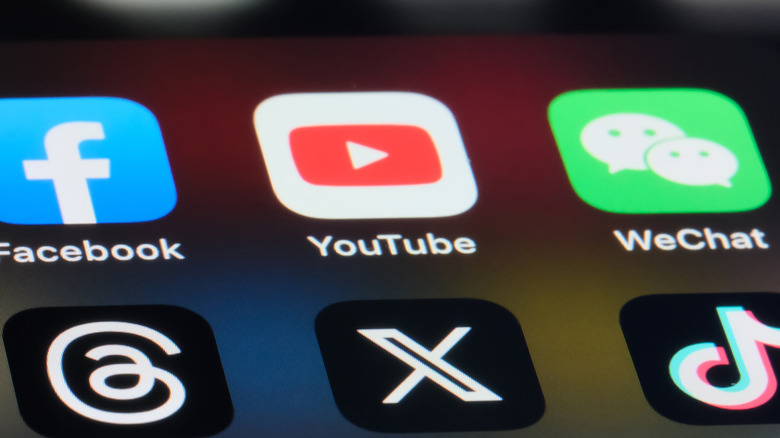
Greece’s parliament has passed a social media ban for kids under 15 after its prime minister Kyriakos Mitsotakis first announced the measure earlier this year. The bill, which Mitsotakis called “difficult but necessary,” is among the first to be imposed in the European Union so far and will go into effect on January 1, 2027. The new law covers platforms like TikTok, Instagram, Facebook and X, and mandates that such services apply proportionate and reliable age-verification methods.
“It would have been very easy to do absolutely nothing today and wait for the perfect European law. But the challenge is here. Children are sinking into the internet every day, and I believe a responsible government must do what it is obliged to do,” said Greece’s digital governance and AI minister, Dimitris Papastergiou.
Failure to comply with the act will lead to fines under the EU’s Digital Services Act. Parents would also need to download apps backed by the state called Kids Wallet or Gov.gr that are paired to their child’s device and block access. Those apps, Papastergiou said, are designed to protect privacy and minimize data collected by using “age tokens” that can confirm someone’s age while minimizing the disclosure of their personal data.
The legislation was opposed by Greece’s minority parties, so Mitsotakis used his majority government to pass the bill. The nation previously barred mobile phones in schools in 2024, and opinion polls show that the new social media ban for children is widely supported by Greece’s adult population.
Mitsotakis previously said that his government’s “goal is to push the European Union in this direction as well.” The European Commission recently introduced the EU Kids Act to do just that, but that law stipulates an outright ban only for children under 13. Australia was the first nation to enact a full social media ban for kids, but the age verification has proved challenging to implement.