Elon Musk has big plans for Tesla (TSLA -2.13%) that go well beyond electric vehicles (EVs). The Tesla CEO has suggested that the company’s Optimus humanoid robot could eventually become its most important product, with applications ranging from factory work to household chores. But turning that vision into a profitable business will require enormous investments in computing power, memory, and batteries.
Tesla is working toward commercial production of Optimus, and the EV maker’s bulls, including Cathie Wood at Ark Invest, believe it could be a huge opportunity for the stock. And as Tesla works toward commercial production, some of its established technology partners will likely start reaping the rewards, even before the first Optimus robot hits the market.
Here are three of those stocks worth watching.
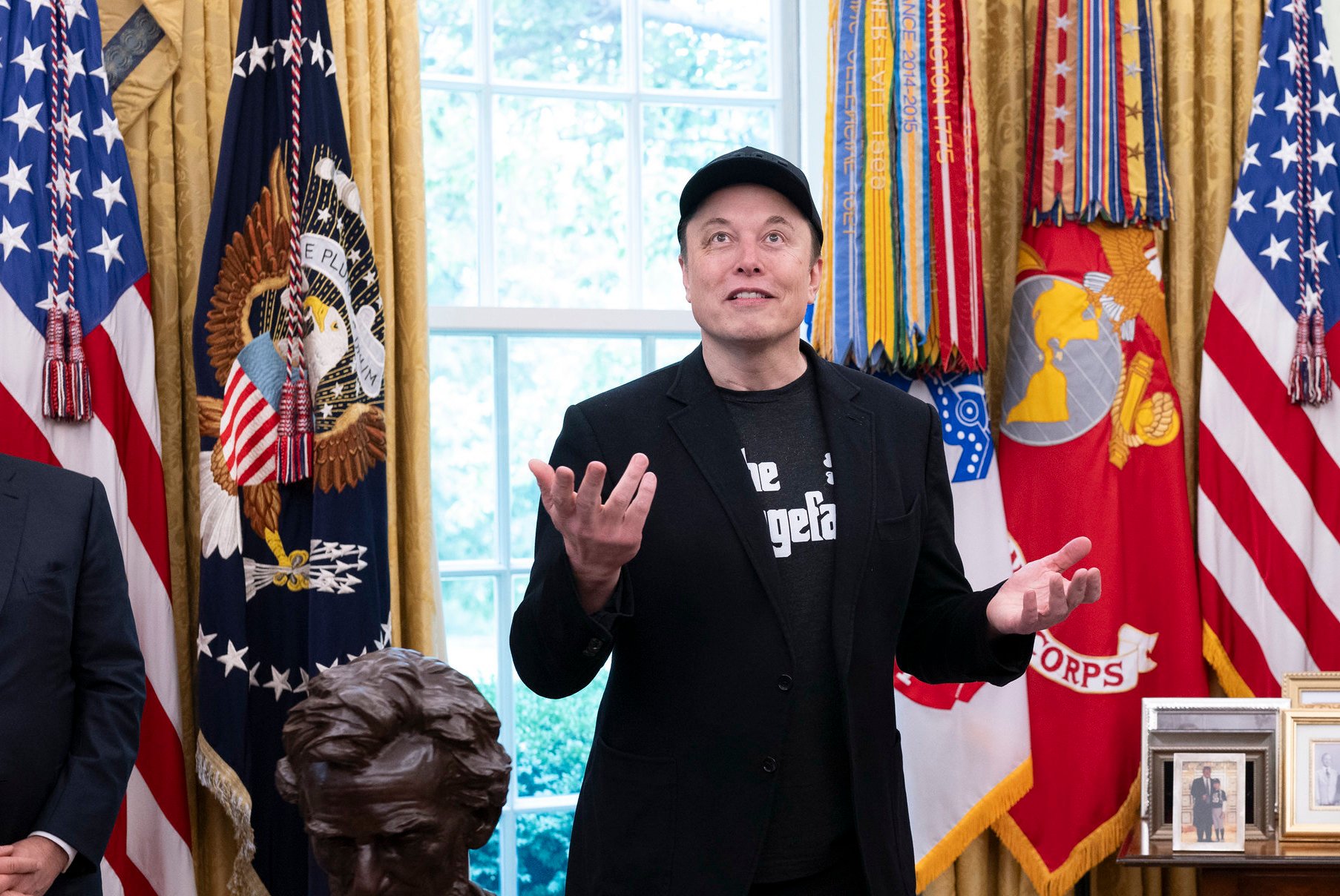
Image source: The White House.
1. Taiwan Semiconductor Manufacturing
Many investors swear by the “Magnificent Seven” group of tech stocks, but I think Taiwan Semiconductor Manufacturing (TSM -2.28%) may be better than any of them. TSMC, as it’s known for short, is the world’s largest chip manufacturer, producing advanced semiconductors for every member of the Magnificent Seven, including Tesla.
In the EV company’s earnings call in July, Musk highlighted TSMC as one of his important chipmaking partners. And that relationship could become increasingly valuable as it develops Optimus, which will need powerful processors to interpret visual information, make decisions, and control its movements.
TSM Taiwan Semiconductor Manufacturing
$412.61-$9.64 (-2.28%)
NYSE · As of 4:00 PM ET 10/16/26
In TSMC’s just-released earnings report for the third quarter, the company reported revenue of $46.72 billion, up 41% from a year ago. Even more importantly, advanced chips manufactured using processes of seven nanometers or smaller accounted for 79% of the company’s wafer revenue. Those are precisely the types of manufacturing technologies that make it valuable to companies developing increasingly sophisticated AI processors.
Tesla’s plans to develop its own chip manufacturing capacity could eventually create competition for TSMC. But building advanced semiconductor factories is extraordinarily expensive and technically demanding. For now, TSMC is collecting revenue from the AI computing boom while Tesla works on getting Optimus into customers’ hands.
2. Micron Technology
If processors are the brains of humanoid robots, memory is what enables those brains to process information quickly enough to perform useful tasks.
That’s where Micron Technology (MU -5.63%) comes in. It makes dynamic random-access memory (DRAM), high-bandwidth memory (HBM), and storage products essential to AI computing. Musk specifically thanked Micron during Tesla’s July earnings call for providing a substantial memory allocation to the company despite tight industry supplies.
MU Micron Technology
$878.84-$52.40 (-5.63%)
NASDAQ · As of 4:00 PM ET 10/16/26
And the opportunity extends well beyond Tesla. Micron CEO Sanjay Mehrotra has identified humanoid robotics as a potential source of future memory demand. In the company’s fiscal fourth-quarter earnings call, Mehrotra said that autonomous vehicles can require more than 200 gigabytes of memory and multiple terabytes of storage, and that humanoid robots could have comparable requirements.
That’s a lot of memory for a machine that might eventually fold laundry or work in a warehouse.
3. Panasonic
Panasonic (PCRFF +1.19%) has a long-standing relationship with Tesla, manufacturing lithium-ion batteries for its vehicles. And that expertise could become valuable in humanoid robotics.
Optimus will need rechargeable batteries that can deliver enough power to operate its motors, processors, and sensors without making the robot too heavy. And Panasonic has extensive experience producing high-performance battery cells.
PCRFF Panasonic
$24.65+$0.29 (+1.19%)
OTC · As of 11:20 AM ET 10/16/26
The company is an established Tesla battery supplier, but a specific agreement to provide batteries for Optimus hasn’t been publicly confirmed. The biggest question instead is whether Panasonic can turn its battery manufacturing experience into meaningful robotics revenue.
The bottom line
Musk believes Optimus could eventually become one of Tesla’s biggest businesses, and Ark Invest’s Wood is among the legions of Tesla bulls who agree. But it will take years of engineering, investment, and production before the robots begin coming off the assembly line and are available for commercial sale.
TSMC, Micron, and Panasonic already have established businesses serving Tesla or the broader AI market, and they seem perfectly situated to benefit from the work on Optimus.