It’s no secret that a merger between Space Exploration Technologies Corp (SPCX +1.89%) and Tesla could be in the works.
The prediction markets platform Kalshi places the odds of such a tie-up happening before next May at 59%, as of this writing.
On SpaceX’s most recent earnings call, SpaceX and Tesla’s Founder and CEO Elon Musk added fuel to the fire by saying, “Do I think it would be a good idea? Yes,” when discussing the idea. Musk added that both companies have created special committees to explore such a transaction.
But a merger between two such massive companies is bound to be complex and likely to face several obstacles. Here’s what stands in the way.
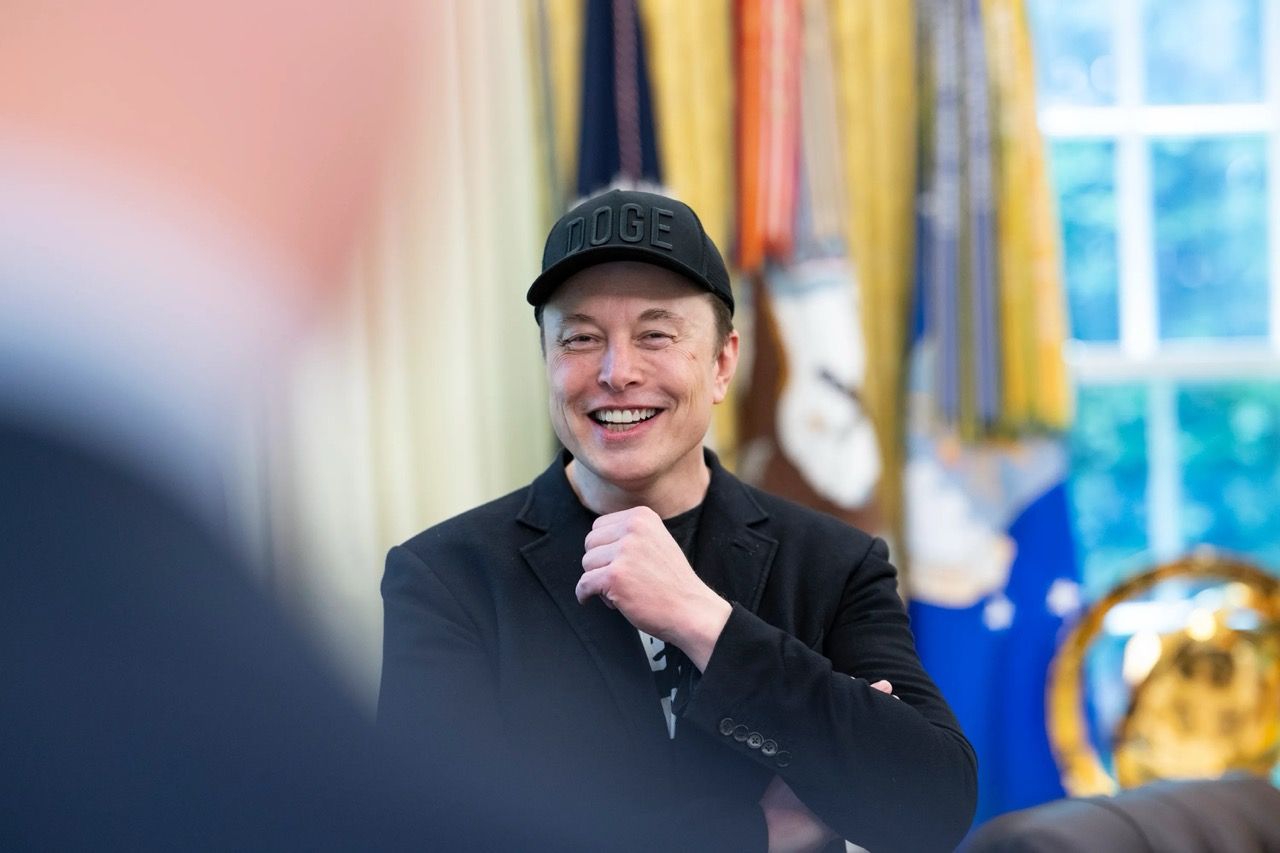
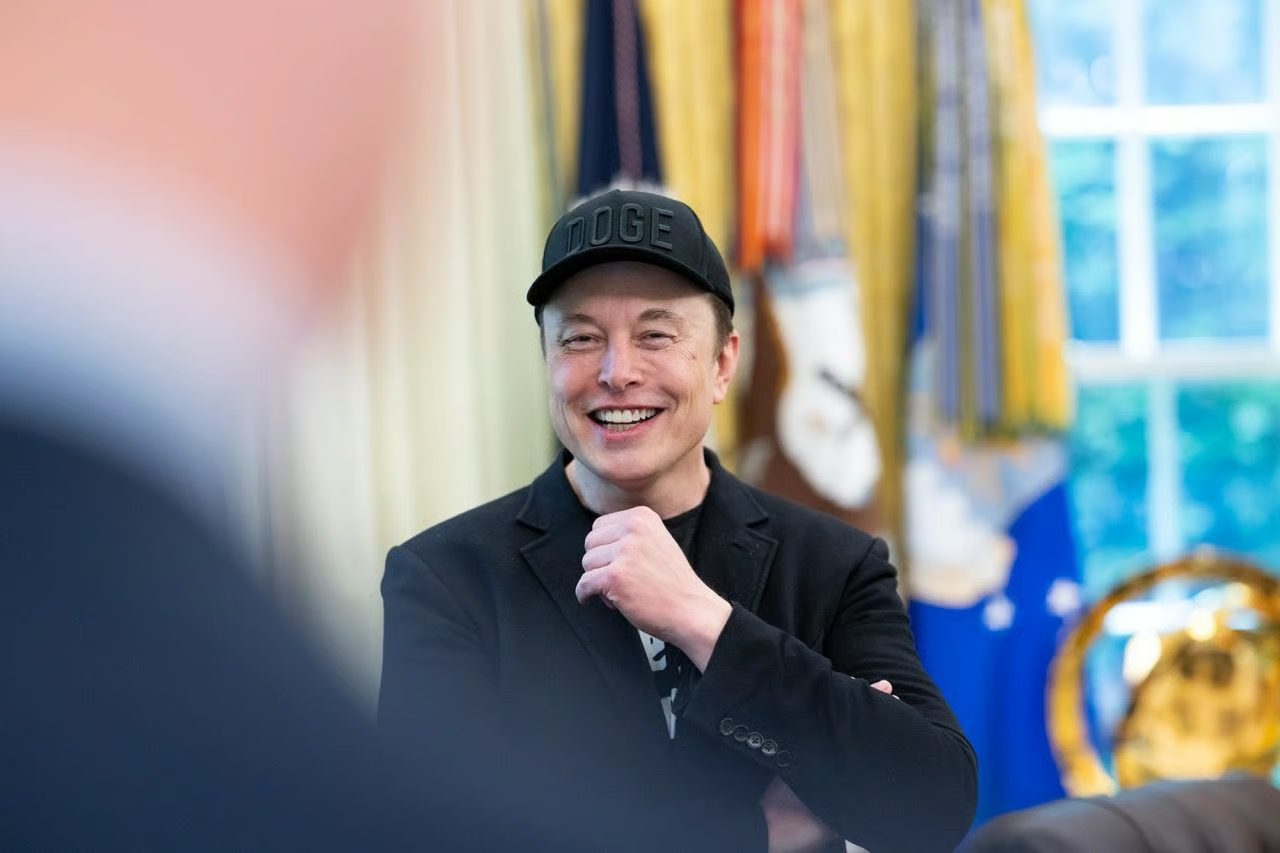
Image source: The White House.
Deal approval is not guaranteed, and there could be regulatory challenges
What makes a SpaceX-Tesla merger unique is that it involves two of the largest companies in the world by market cap, with the same CEO who also holds a significant stake in both.
At SpaceX, which has a market cap of $2 trillion, Musk pretty much controls all of the voting power. The company has both Class A and Class B shares of common stock. Musk owns most of the Class B shares. Collectively, Musk controls roughly 85% of the voting power.
SPCX Space Exploration Technologies
$147.49+$2.74 (+1.89%)
NASDAQ · As of 4:00 PM ET 10/23/26
It’s a different story at Tesla, where there are not two separate share classes, and Musk owns about 19.8% of the outstanding shares, according to the company’s latest proxy report.
A recent regulatory filing from SpaceX said a merger would require approval by a special committee, the board of directors, and Musk, who has recused himself from negotiations due to a conflict of interest.
“… At the end of the day, the shareholders have to be supportive of this. And particularly on the Tesla side, we will need a 50% vote of all shares, not just those who vote, but of all shareholders,” Musk said on SpaceX’s earnings call. “And that’s quite a high hurdle to try to achieve. So, and I can just say at this point, that the special committees have not reached agreement on the terms of any transaction.”
If they were to agree, a SpaceX-Tesla merger could face regulatory issues. The combined entity will have many businesses under one roof, particularly in artificial intelligence.
$372.22-$2.36 (-0.63%)
NASDAQ · As of 4:00 PM ET 10/23/26
″Antitrust scrutiny, national security considerations (given SpaceX’s military contracts), and cross-border regulatory reviews all present significant challenges,” Counterpoint Research Analyst Kevin Li wrote in an email sent to CNBC.
Musk has also not made many friends among Democratic politicians lately, having spent roughly $445 million through super PACs this election cycle to support GOP candidates. Kalshi predicts Democrats will reclaim both the U.S. Senate and House of Representatives in the upcoming midterm elections.
Deal likely won’t result in huge premium
Gary Black, a managing partner at the Future Fund, recently wrote on X that he expects SpaceX to offer $420 per share for Tesla in an all-stock deal, implying only about 13% upside from current levels.
Black doesn’t expect the deal to “… be as compelling” due to the “massive dilution and all-equity economics.”
Ultimately, a SpaceX-Tesla deal may make sense, as both companies are focusing on AI at this point. Musk has previously said he expects robotics to be a huge component of SpaceX down the line, and Tesla is beginning production of its Optimus humanoid robots.
SpaceX and Tesla are also already collaborating on several projects, whether it’s Tesla’s new Roadster or SpaceX’s Terafab facility.
But the deal is by no means guaranteed to go through for the reasons mentioned above. Even if it does, it’s unlikely to lead to a huge premium on Tesla stock. The market is already aware there’s a high likelihood of a deal being announced, so some of that is likely already priced into Tesla’s stock price.