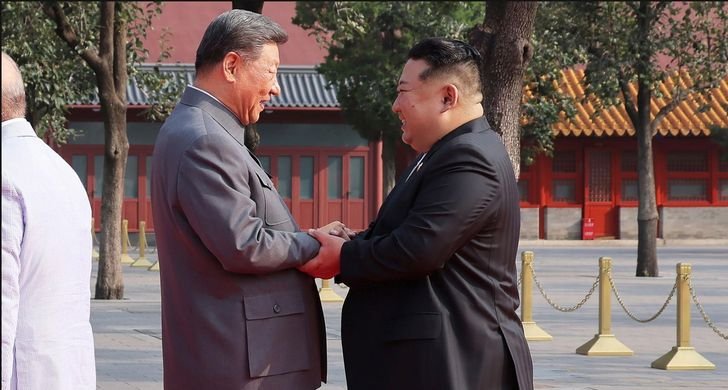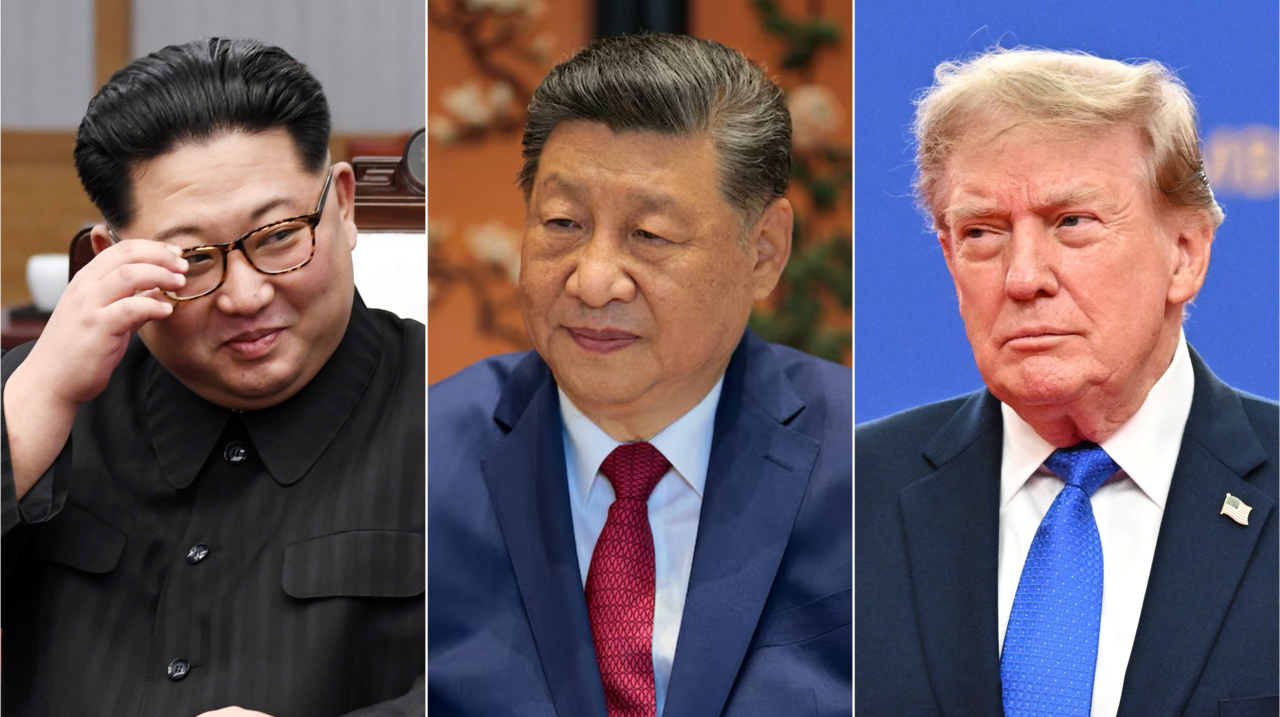


A report by The Washington Post revealed Musk was “enraged,” when he found out about the unauthorized Starlink use in March (Image: Getty)
Tesla and SpaceX CEO Elon Musk was “fuming” when he learned that Iran used his Starlink satellite internet service to help wage attacks against U.S. military bases.
A report by The Washington Post revealed that Musk was “enraged” when he learned of the unauthorized Starlink use in March.
“In the weeks after the March 1 Port Shuaiba attack, Musk and SpaceX put additional restrictions on Starlink’s sales network to try to keep the terminals out of unwanted hands,” the report added. “It imposed new requirements on resellers to prove that they know the identities of each customer buying a terminal and activating its service.”
The Washington Post noted that Musk made Starlink connectivity available at no extra cost in January to counter the government-imposed internet blackout (Image: Getty)
The tech trillionaire was especially “infuriated” by the news that Iran was using Starlink, according to the report, because he had acted two months earlier to stop Russia from using Starlink terminals to power long-range drones. Musk restricted the use of Starlink and Starshield after Ukraine showed him videos of the drones. He also fired two executives over the misuse of the technology, the report said.
The report said Musk could deactivate any terminal in Iran if he chose, but doing so would run counter to his wishes and those of the Trump administration, which want dissidents to be able to use Starlink to get around Iran’s internet restrictions. The Washington Post noted that Musk made Starlink connectivity available at no extra cost in January to counter the government-imposed internet blackout.
“Internet and social media are the only way for Iranians to voice what’s happening inside the country,” Holly Dagres, a senior fellow at the Washington Institute think tank, told the outlet.
“My understanding is that the Trump administration doesn’t want to cut that connectivity for that very reason,” Dagres continued.
“That open-source intelligence from social media and messaging app channels is important to understanding what’s happening on the ground because there is no U.S. Embassy in Tehran, and journalists cannot freely report inside the country.”