
Malaysia is introducing a mobile emergency alert system that will send disaster warnings directly to people in affected areas, similar to systems used in Japan for earthquakes and in the UK for severe weather emergencies.
With a nationwide test scheduled for Nov 29, the Malaysian Communications and Multimedia Commission (MCMC) is urging users to update their mobile phones to their latest operating system versions and check their emergency-alert settings.
FMT explains how the Early Warning System (EWS) will work and what you need to do to get your phone ready.
How alerts will reach you
The EWS will warn people in areas at risk from threats of disasters such as floods, landslides and tsunamis.
It will use cell broadcast technology to send messages simultaneously to all compatible phones within a designated area via 4G and 5G networks, rather than sending individual SMS messages to specific phone numbers.
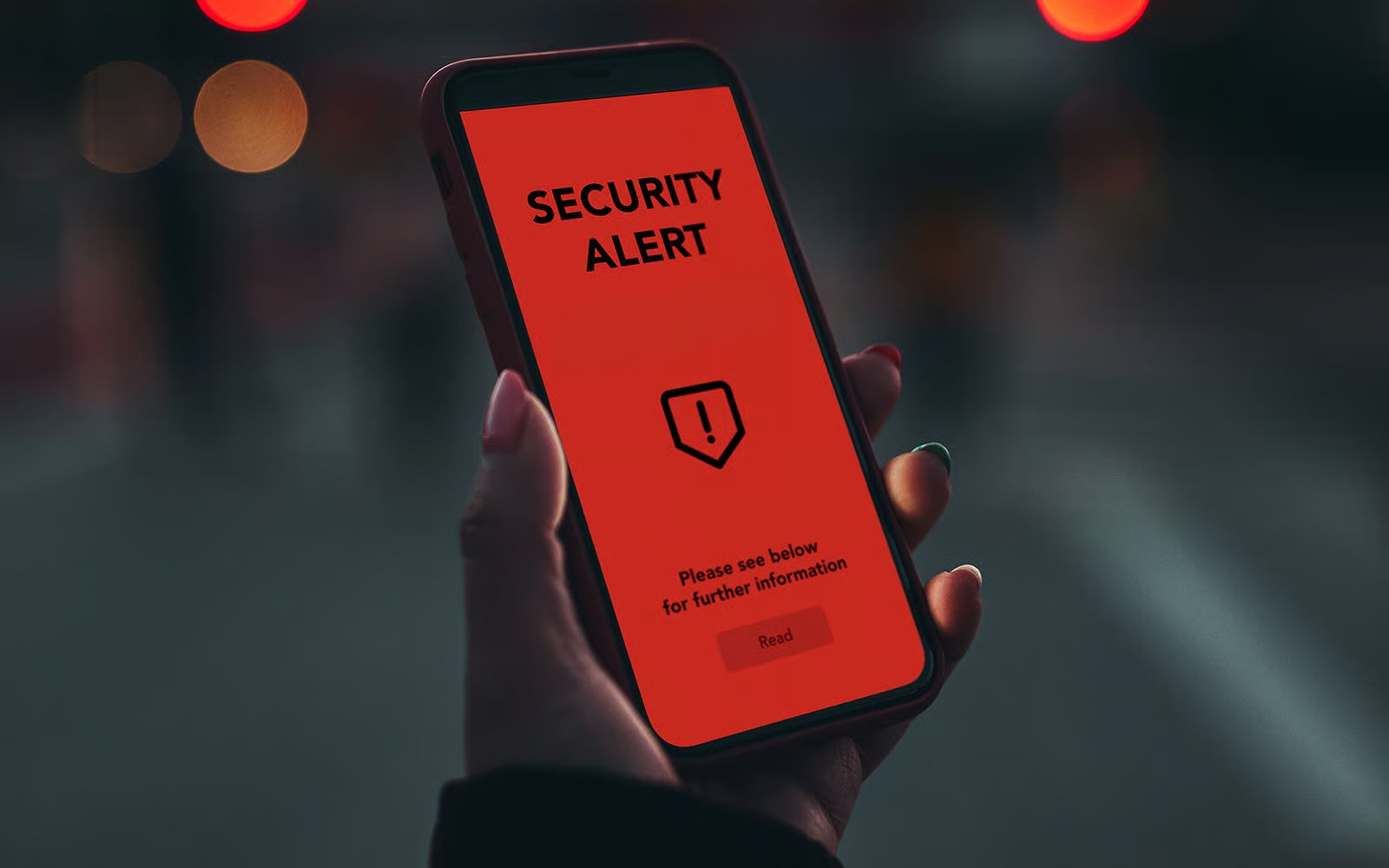
The warning will appear directly onscreen, accompanied by an alarm sound.
It does not require users to install an app, register for a service or have mobile internet access.
According to MCMC, these broadcasts will not be affected by network congestion that can delay calls and SMS messages, although they still require a functioning mobile network for delivery.
Global Environment Centre’s Kalithasan Kailasam welcomed the system as an important step towards building disaster-resilient communities.
He said a limitation of existing information portals was that users had to actively check them for updates, whereas the EWS would deliver localised warnings directly to people in at-risk areas.
“This will reduce or to some extent eliminate the time gap, allowing people to stay informed and act immediately on their own,” he told FMT.
Get your phones ready
MCMC is advising users to install the latest software updates available for their devices, restart them and enable emergency alerts where applicable.
Its preliminary compatibility guide lists iPhone 11 and newer models running iOS 27.2 or later, Android phones running Android 12 or later, and Huawei phones running EMUI 16 or later.
These requirements remain subject to final technical confirmation, while compatibility will also depend on the device and its support for Malaysia’s alert system.
To receive emergency alerts, a mobile phone must be switched on and connected to a working 4G or 5G network. Phones that are turned off, set to airplane mode, or outside network coverage will not receive the alerts.
Could it make a difference?
Malaysians interviewed by FMT, particularly for those living in disaster-prone areas, welcomed the initiative.
Segar Sundera, 70, said the alerts would help keep the public informed of potential dangers, citing the increasing incidence of flash floods, which can cause major disruptions and damage to homes and vehicles, as an example of why early warning is critical.
Business analyst Gautam Karupiah, 26, who frequently encounters flooded roads on his way home, hopes the warnings will prevent motorists from being caught off guard.
“If they can get it done right and they actually warn you an hour early or half an hour early, it should be very helpful for a lot of people just to plan their trips,” he said.
Policeman Danial Abdul Karim, 30, stressed the importance of being prepared.
“Something like this is very good for Malaysians because it helps us be better prepared for disasters,” he said.
What to do when an alert arrives?
When a message appears, read it carefully, check whether it identifies itself as a test and follow the instructions. For an actual emergency, act on the safety directions given, such as evacuating or taking shelter.
Kalithasan urged the authorities to ensure that people understand exactly what action they must take upon receiving a warning.
“As this is a critical first step, the authorities also need to provide clear guidelines on the next step,” he said.
He urged the authorities to share the GPS locations of evacuation centres, emergency contact numbers and checklists for grab bags and 72-hour emergency kits.
He also called for dedicated local helplines so senior citizens and people with disabilities can request assistance tailored to their needs.
The EWS is intended to complement existing warning channels, including SMS, sirens and broadcast announcements.
The public should continue to follow official warnings and instructions from local authorities, even if no alert is received on their phones.