Chinese researchers have reportedly shown how a light detection system, or lidar, could detect stealth aircraft. The researchers also claimed that, in their simulations, their lidar technology, if mated to a missile, could detect the F-35 stealth fighter, an American platform, at a range of 61.5 kilometers, or just over 38 miles, under ideal conditions at night.
(Lidar stands for Light Detection and Ranging). During the day, detection ranges dropped to less than half, measuring 27.7 kilometers, or just over 17 miles.
It would be an enormous development in air defense technology if what was described as “computer simulation” could move from theoretical research into reality.
The implications, if realized, would have the potential to upend an entire generation of stealth aircraft represented not just by the F-35 family of stealth fighter aircraft, but the F-22 Raptor stealth fighter as well as the B-2 Spirit stealth bomber and potentially sixth generation aircraft like the upcoming F-47, the U.S. Air Force’s F-22 replacement, the U.S. Navy’s upcoming F/A-XX carrier-based fighter and the B-21 Raider bomber which is set to replace the older, Cold War-era B-2.
This follows reporting last month by the South China Morning Post, a Hong Kong-based newspaper.
The research was purportedly led by Li Zhiyuan of the China Airborne Missile Academy, which the South China Morning Post said specializes in air-to-air missile research, and the paper was published in Aero Weaponry, a Chinese peer-reviewed journal, late last month.
According to the South China Morning Post’s reporting, the study “examined whether a missile-borne single-photon lidar could detect and track stealth fighters.” Radar systems use radio waves to detect objects by bouncing them off, while lidar uses laser beams to strike an object and measure the photons that bounce back.
In theory, the technology could augment radio-wave detection, though it is unclear whether it would succeed.
Several individuals interviewed by the South China Morning Post expressed doubts about the technology.
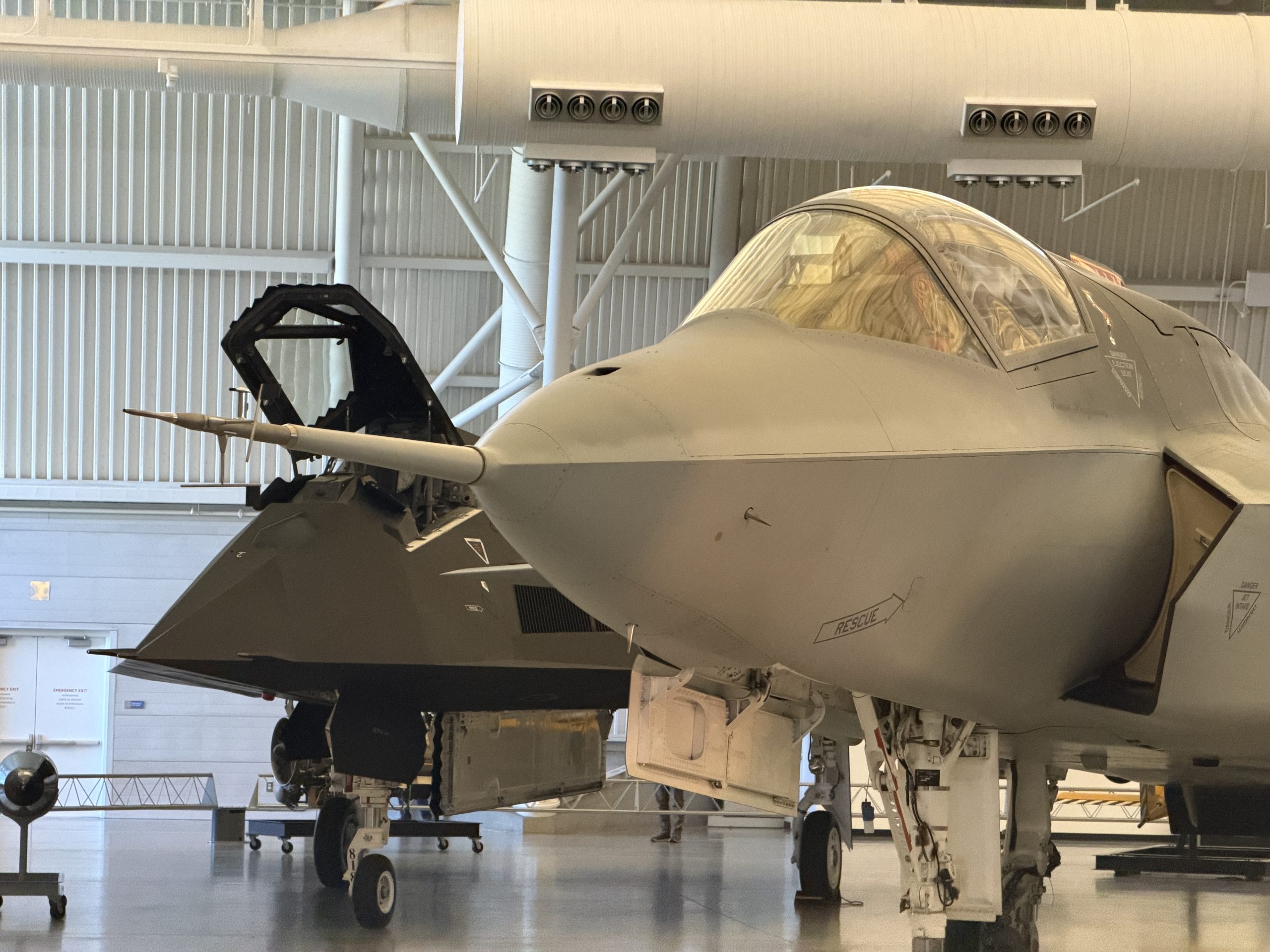
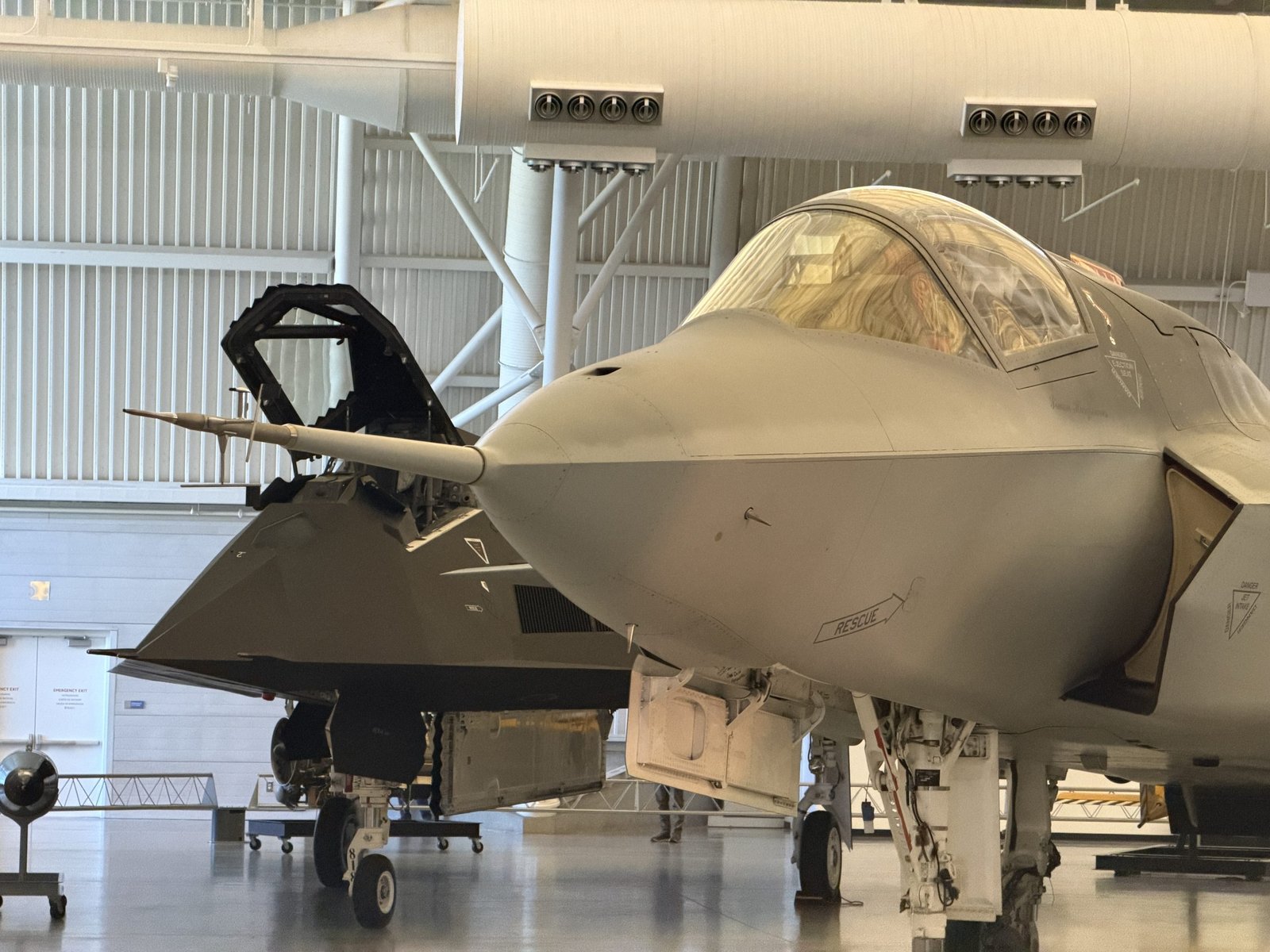
F-35 and F-117 side by side. 19FortyFive Smithsonian Visit Photos.
Speaking to the South China Morning Post, one expert familiar with the technology expressed serious doubts. Another said it was not clear how the tech works.
Unclear How the Technology Would Work in Practice
One military analyst, who asked to be quoted anonymously, said the lidar technology’s usefulness to early-warning aircraft detection systems was questionable. “The laser beam is so narrow, it probably couldn’t serve as an early-warning radar; in the early stages, it’s just a rangefinder,” the analyst stated.
Another individual, also unnamed but described by the South China Morning Post as “familiar with military equipment,” was much blunter in their analysis, saying, “I don’t understand it, technically.”
Reporting Veracity Questionable
Since the paper’s acquisition by Alibaba Group in 2016, however, serious questions have been raised about the paper’s editorial independence.
While Alibaba maintains the paper is independent, outside observers of the media landscape have viewed it as beholden to Beijing’s political leadership.
This charge became more credible in the aftermath of the 2019 Hong Kong protests when self-censorship by the newspaper became difficult to explain away easily.
A Revolution in Aircraft Detection and Air Defense?
While lidar could detect and track stealth fighters, it has significant limitations. And while lidar can detect some objects that are difficult to spot via radar, detecting stealth aircraft is not the same as reliably tracking them over long distances.
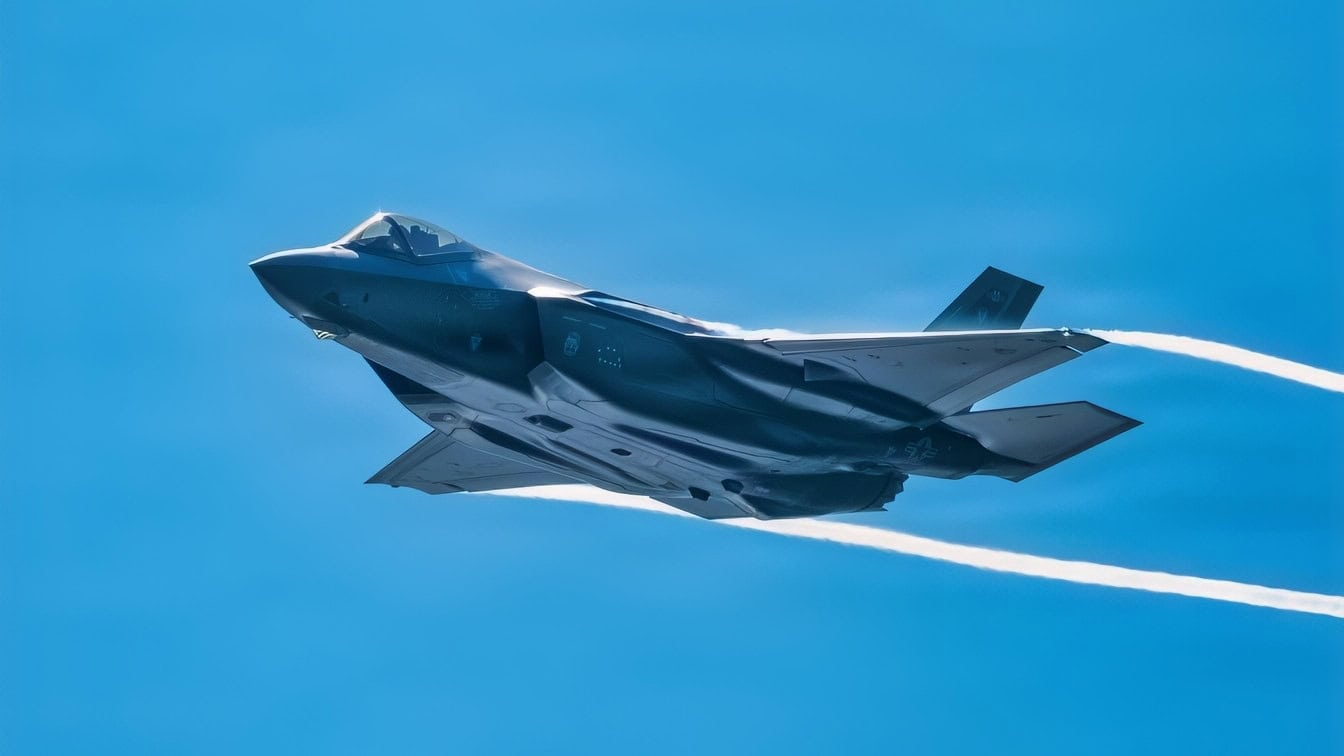
A U.S. Air Force F-35A Lightning II climbs during a demonstration at Misawa Range Day at Draughon Range near Misawa Air Base, Japan, Sept. 11, 2026. Advanced fighter capabilities enhance the combat effectiveness and agility of U.S. airpower, strengthening the ability to respond rapidly and maintain security throughout the Pacific. (U.S. Air Force photo by Airman 1st Class Angelica Winther)
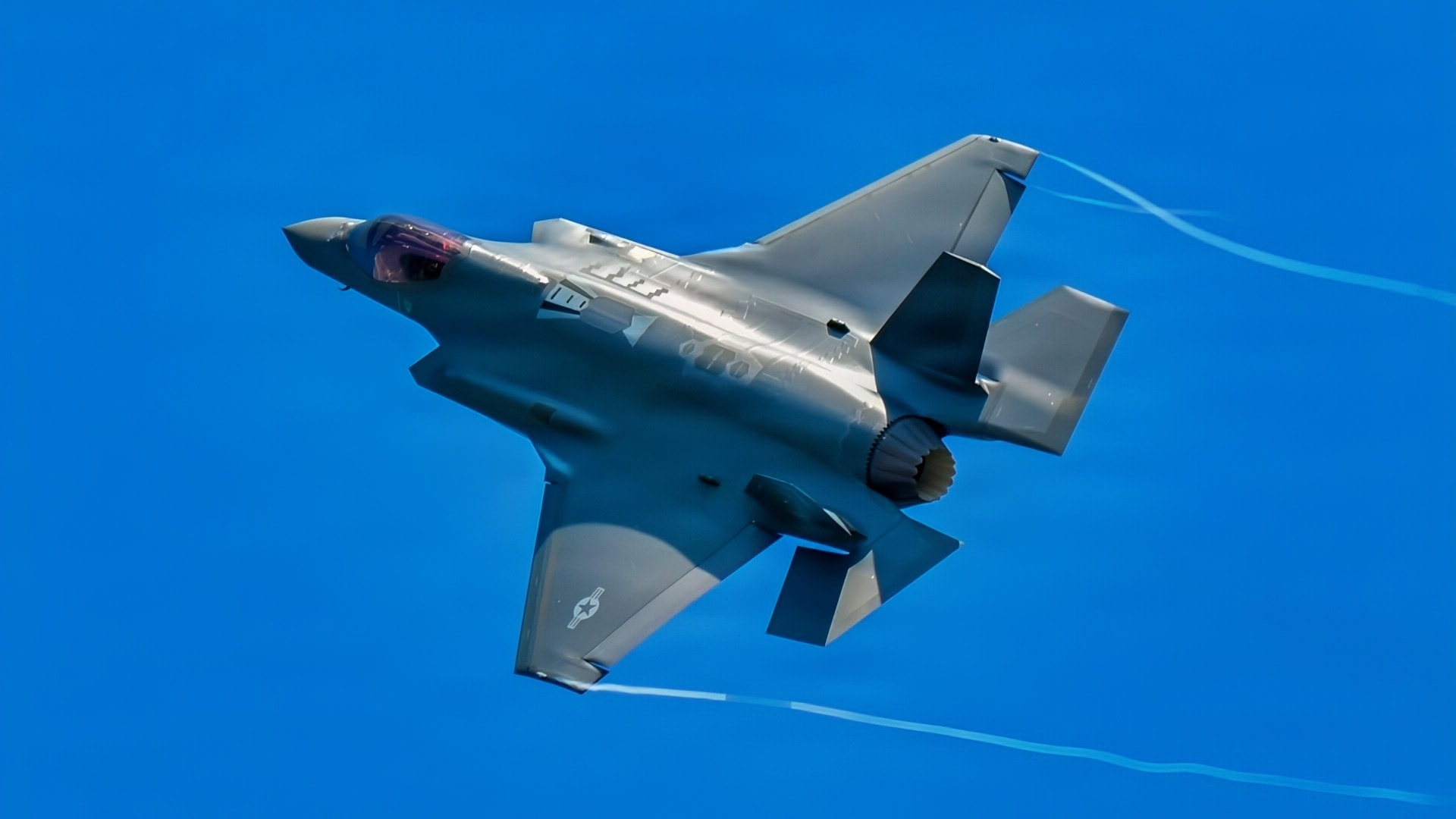
U.S. Air Force pilot Maj. Brian ‘Brass’ Burke, 104th Fighter Wing unit conversion officer, flies an F-35A Lightning II over Barnes Air National Guard Base at exactly 1:04PM EST, officially marking the historic first arrival of the fifth-generation fighter aircraft to the Wing, June 11, 2026. After delivering one of the first four F-35’s to the 104th Fighter Wing, U.S. Air Force Col. Michael ‘Shot’ Glass gave a powerful speech to members of the wing on the significance of receiving the F-35, and presented the wing with its new mission statement, vision, and wing priorities. “With the F-35, our new wing mission is to forge combat-ready airmen prepared to defend our Nation and employ lethal F-35 airpower. Our new vision is to be America’s premier combat wing, projecting decisive, unrelenting airpower across the spectrum of joint warfare. And lastly, our new wing priorities are to develop elite airmen, optimize readiness and lethality, strengthen partnerships, and drive continuous improvement. (U.S. Air National Guard Photo by Jay Hewitt)
Still, stealth aircraft are primarily designed to reduce their radar cross-section, a measure of their detectability by radar systems, and in particular at frequencies that are relevant to military detection systems.
They are not intended to be completely invisible at every wavelength, and a stealth fighter still has physical surfaces that can reflect or scatter laser light.
A more relevant litmus test for lidar technology to defeat stealth technology would be broader reporting on developments in the field—and, in particular, real-world testing that has moved beyond digital simulations.
Time will tell whether this technology proves to be the air-defense game-changer its researchers seem to want it to be.
But until then, it may remain more of a research — rather than military — interest.
About the Author: Caleb Larson
Caleb Larson is an American multiformat journalist based in Berlin, Germany. His work covers the intersection of conflict and society, with a focus on American foreign policy and European security. He has reported from Germany, Russia, and the United States.Most recently, he covered the war in Ukraine, reporting extensively on the war’s shifting battle lines in Donbas and writing about its humanitarian toll. Previously, he worked as a Defense Reporter for POLITICO Europe. You can follow his latest work on X.

