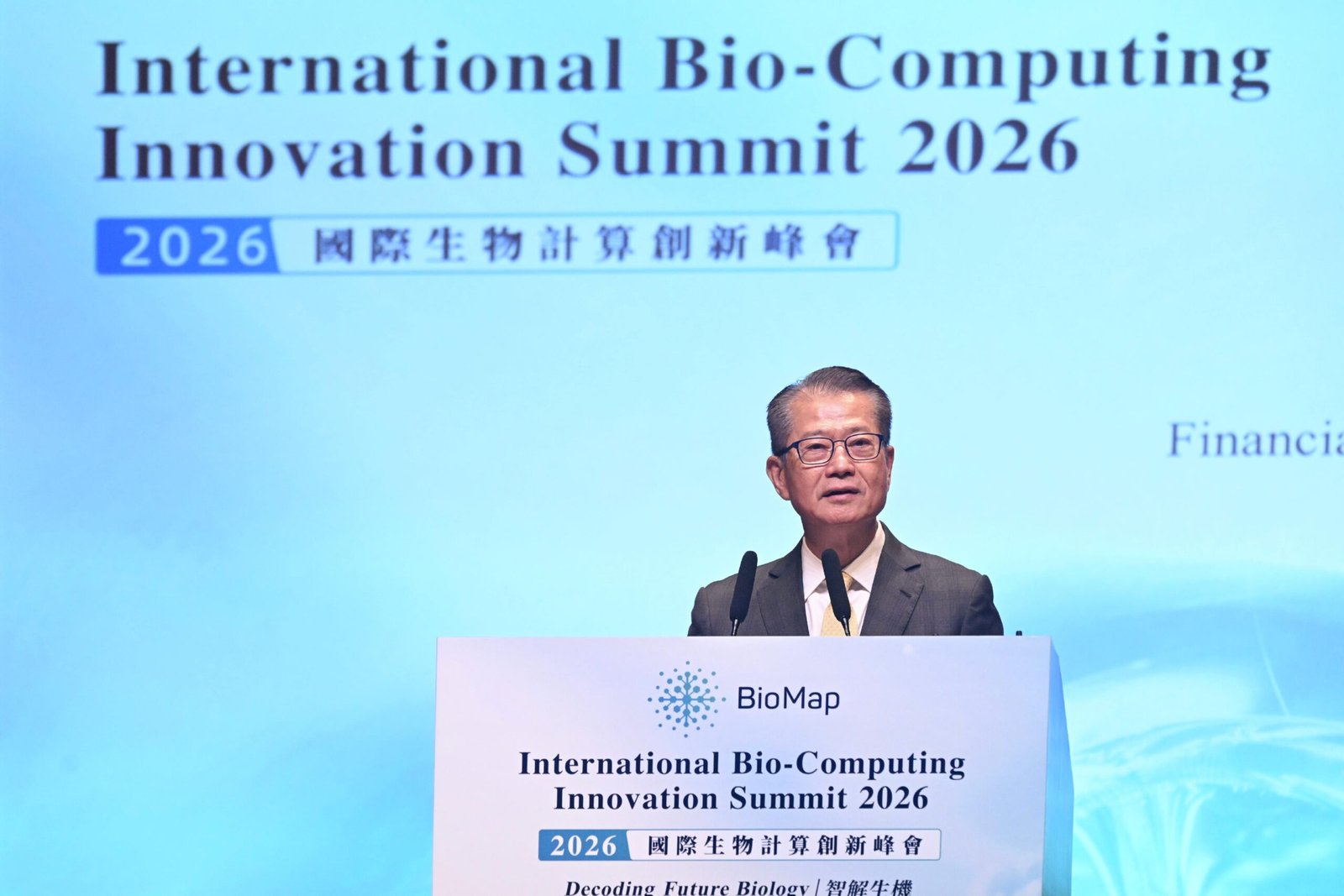
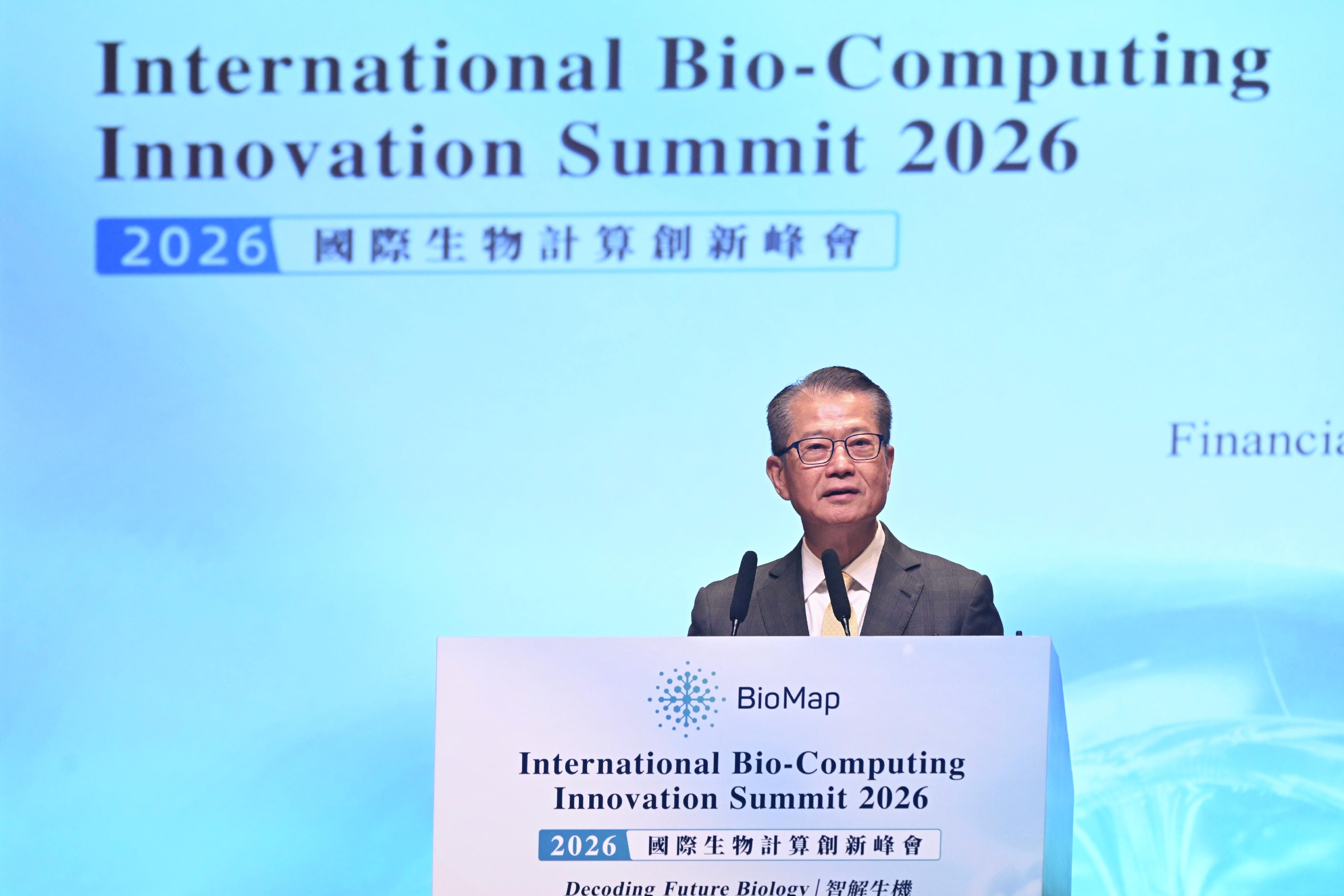
Hong Kong’s trade and finance are shifting from rapid volume growth toward a deeper upgrade in high value-added services, Financial Secretary Paul Chan Mo-po said on Sunday.
Writing in his weekly blog as the 10th Hong Kong Maritime Week kicked off, Chan said a new batch of partner ports would be announced and several maritime-related memoranda of understanding would be signed during the event.
About 80 percent of global trade is transported by sea, making reliable ports increasingly vital, he said, adding that, in the first 10 months of this year, trade between China and the Association of Southeast Asian Nations had grown by 24 percent to about 7.7 trillion yuan ($1.15 trillion).
ALSO READ: HK maritime week to highlight growth potentials, new port partnerships
In the first half of this year alone, intermediate goods, including parts and components, accounted for roughly two-thirds of bilateral trade. “This shows that supply chains aren’t simply ‘relocating’, but rather ‘extending’ across borders. As cargo ships make more stops along their routes, the reliability and efficiency of each port become more important,” Chan said.
Ocean-going container vessels arriving in Hong Kong stay for an average of just one day — only half the average turnaround time of major global ports – according to the finance chief.
“The Port of Hong Kong serves as an important ‘catch-up port’ for the international shipping industry. Our development direction is to extend our efficiency advantage into a service advantage,” he said.
Meanwhile, the green transition and artificial intelligence are reshaping the maritime industry. According to international ship classification society and risk management company Det Norske Veritas, global orders for alternative-fuel vessels surged by nearly 60 percent year-on-year in the first 10 months of this year, but only about 25 ports worldwide are equipped to bunker methanol.
ALSO READ: Hong Kong’s maritime future bodes well
“Supporting infrastructure is still lagging far behind demand,” Chan said, emphasizing that these new trends present an opportunity for Hong Kong’s role as an international maritime center.
“Hong Kong is looking beyond mere container throughput to focus on high-value-added segments across the entire maritime services spectrum, including financing, insurance, ship management, and fuel bunkering, as well as mediation and arbitration,” he said.
Following the promulgation of the Action Plan on Green Maritime Fuel Bunkering in November 2024, vessels have bunkered over 380,000 metric tons of green maritime fuels in Hong Kong, including liquefied natural gas, biodiesel, and green methanol.
“Leveraging our country’s advantage as the world’s largest producer of green maritime fuels, we’re building a model of ‘production in Southern China, bunkering in Hong Kong, serving the world’, aiming to establish Hong Kong as an international green maritime fuel bunkering and trading center,” Chan said.
READ MORE: HK regulations aim to aid green maritime fuel bunkering operations
Beyond the maritime week, Hong Kong Exchanges and Clearing Ltd, which runs the city’s bourse, will hold a launch ceremony for an offshore renminbi bond index on Monday.
Chan said that amid an increasingly fragmented global landscape, the special administrative region, acting as an open and trusted “super connector”, is creating greater value for both the financial and maritime industries.
“Hong Kong’s path of serving the country and contributing to global development will undoubtedly grow broader,” he said.
Contact the writer at akirawang@chinadailyhk.com