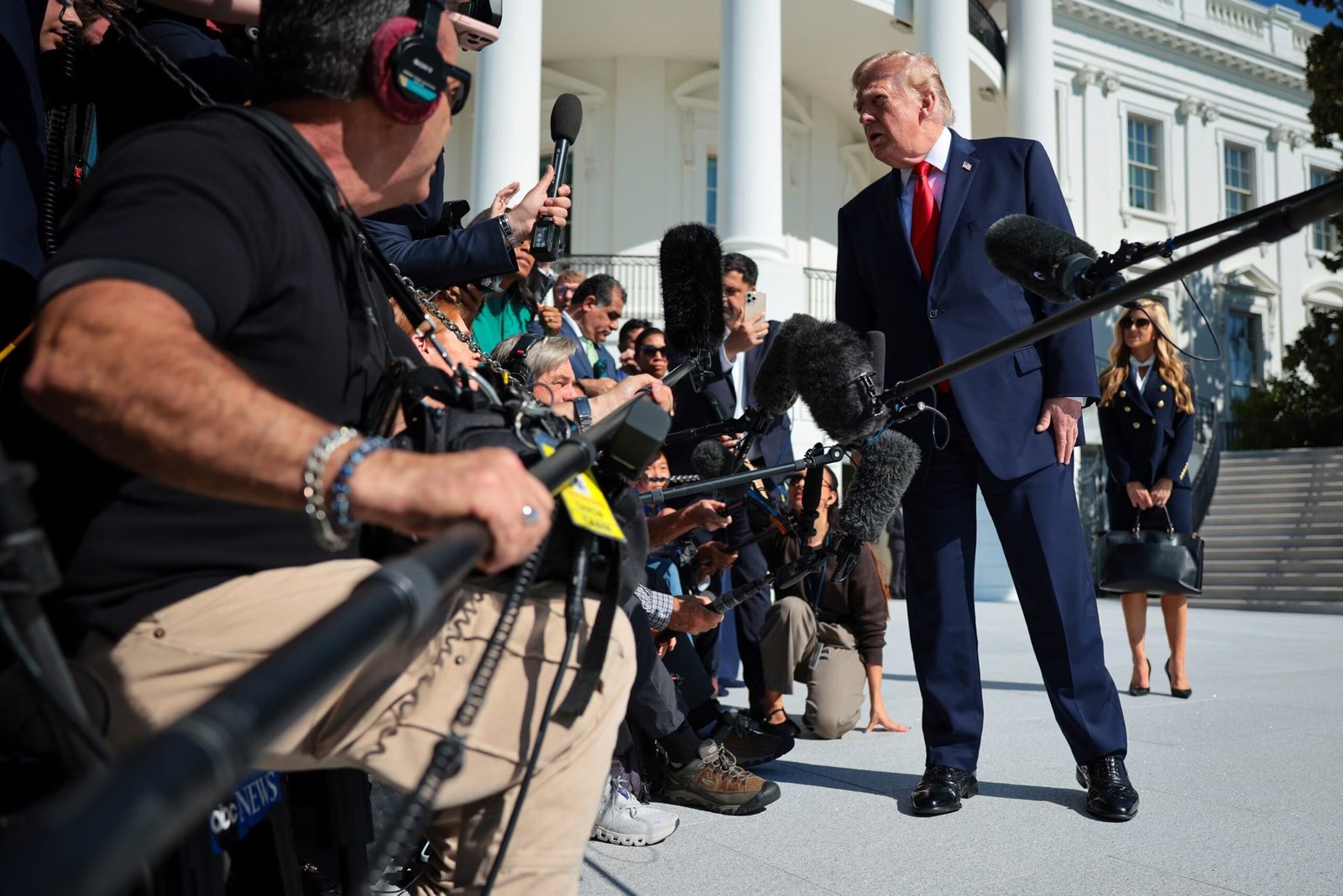
Prime Minister Mark Carney released a Thanksgiving video message Monday, recorded at his former Edmonton high school, urging Albertans to vote against separation in the Oct. 19 referendum on whether the province should begin the process of leaving Canada. The appeal, along with rallies planned for the campaign’s final days, is his most direct intervention yet—but, according to an analysis by the Globe and Mail, Ottawa has leaned on pipeline approvals and policy concessions while doing little to organize the remain side on the ground.
Carney, born in the Northwest Territories and raised in Edmonton, attended St. Francis Xavier Catholic High School, where the message was recorded. The ballot does not decide independence outright; it asks whether Alberta should take the constitutional steps needed to hold a second, binding vote on leaving.
Carney cited new housing, high-speed rail and a pipeline to the West Coast as evidence his government is delivering for Alberta, and argued a fractured country cannot build at scale while its prosperity, safety and way of life come under strain. “A week from today, Albertans will have the opportunity to make an important decision about their future: whether to remain part of Canada or begin a long and uncertain process through which Alberta could separate from Canada,” Carney said.
Ottawa’s pre-vote concessions to Alberta
Until the video, Carney had handled the referendum question on separation mainly through pro-Alberta policies. His government eliminated the consumer carbon tax introduced under former prime minister Justin Trudeau, backed a new pipeline to tidewater and moved to rework environmental rules that Alberta Premier Danielle Smith has blamed for driving away investment and jobs. Dalhousie University political scientist Lori Turnbull told CTV News that Carney has answered the grievances Smith long raised, even as some Liberals doubt his commitment to climate targets.
At the centre is Pacific Link, the proposed oil pipeline Ottawa designated a project of national interest under the Building Canada Act on Oct. 1, 2026, with Carney appearing alongside Smith in Fort McMurray. The Hub reported Crown-owned Trans Mountain Corporation will lead the engineering, routing and Indigenous consultation still required for the first project to carry the designation. Grant Sprague, a former Alberta deputy energy minister now counsel with Blue Rock Law and a C.D. Howe Institute senior fellow, called the designation closer to a political promise than an approval. Hub coverage found no project was designated in the act’s first year, and a June 11 C.D. Howe memo contended the law widened federal discretion rather than making approvals more predictable.
The referendum took shape after a Court of King’s Bench of Alberta judge blocked a planned non-binding separation vote over inadequate consultation with Indigenous Peoples and the Crown; Smith’s government substituted a question on starting the process. The Liberal victory in the April 2025 election triggered the separatist push, whose case rests on equalization payments, federal review legislation that blocked pipeline access and reliance on a single U.S. buyer that has taken Alberta oil at discounts estimated at roughly $49 billion USD over 15 years.
Whether policy can carry the remain side
Alicia Planincic, director of policy and economics at the Business Council of Alberta, notes that oil and gas respondents have ranked government policy as the industry’s top risk in seven consecutive ATB Energy Sector Surveys, and that planned investment for 2026 sits 1.7 percent below the prior year despite favourable views of initiatives such as the Major Projects Office. “Reaching his goal of $1 trillion in new capital investment over the next five years, including $500 billion in net new private investment, will be a tall order if Canada’s energy sector is on the sidelines,” Planincic wrote.
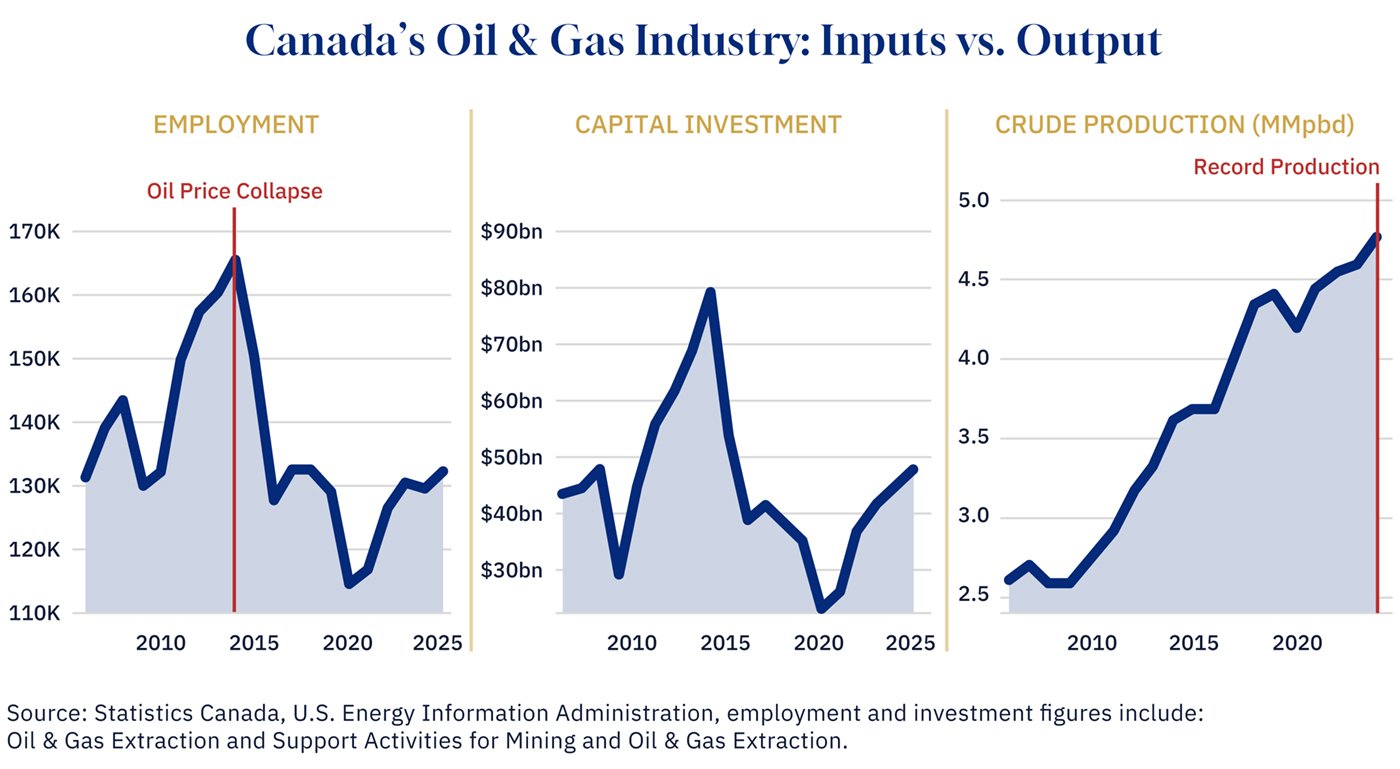
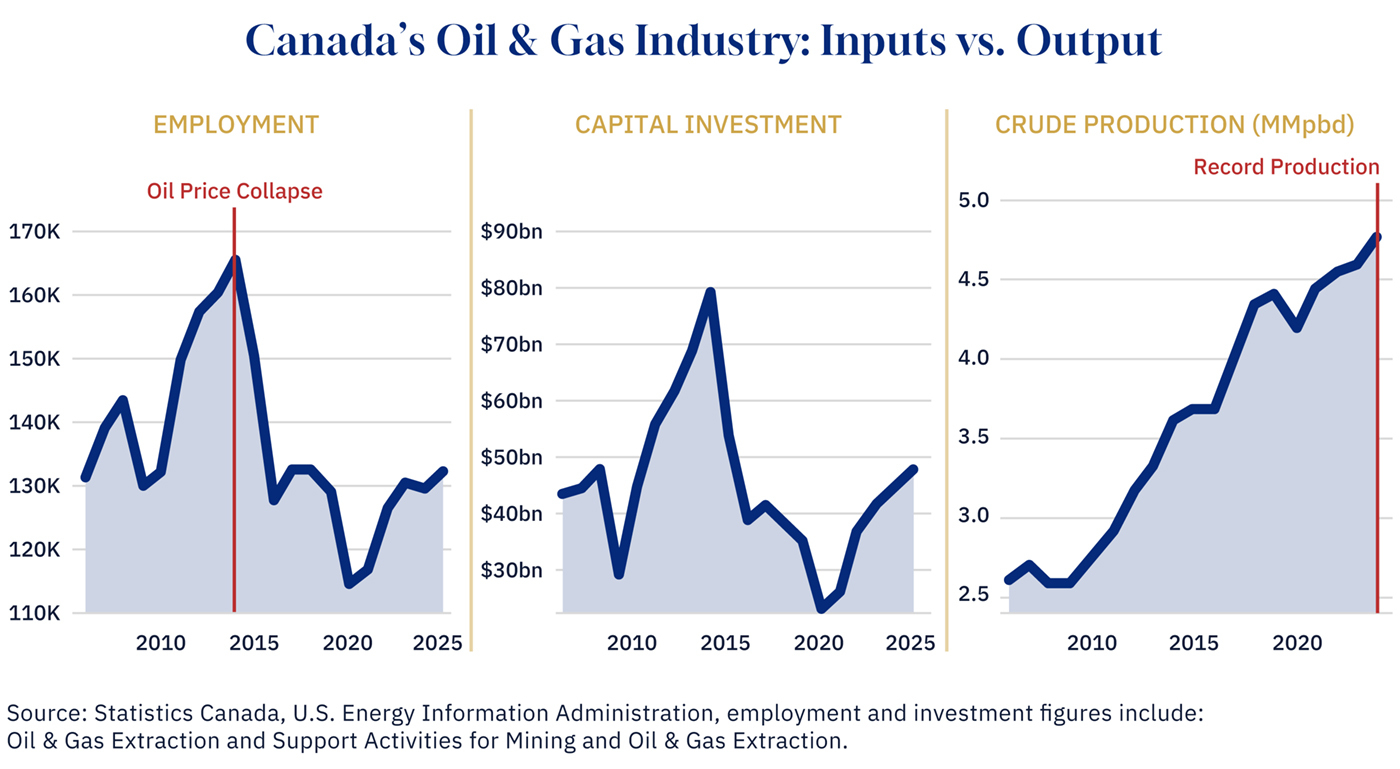
She observes that the sector has posted record crude output with about 60 percent of the capital and 80 percent of the workforce it deployed before the 2014 price collapse. “That reflects an industry that’s become leaner and more productive over time—a feat that, unfortunately, not many other industries can lay claim to,” Planincic explained, while cautioning that growth will require new workers, export capacity and pipelines.
Carney’s unity pitch may rest on deliverables that are still promises rather than built projects. The pipeline designation came 18 days before the referendum without conditional approval or a confirmed private proponent. Whether that moves votes will show in advance polling.
Neither the video nor the policy record settles whether Ottawa will field organizers on the ground. Carney is expected at rallies before the Oct. 19 vote, with advance polls opening the day after his message.
The Hub’s mission is to create and curate news, analysis, and insights about a dynamic and better future for Canada in a…