Prime Minister Mark Carney says the security risks of Canada’s partnership with China are smaller than those that come with the United States.
Asked on Tuesday about the risks of deeper ties with Beijing, Carney said Canada’s exposure is still limited.
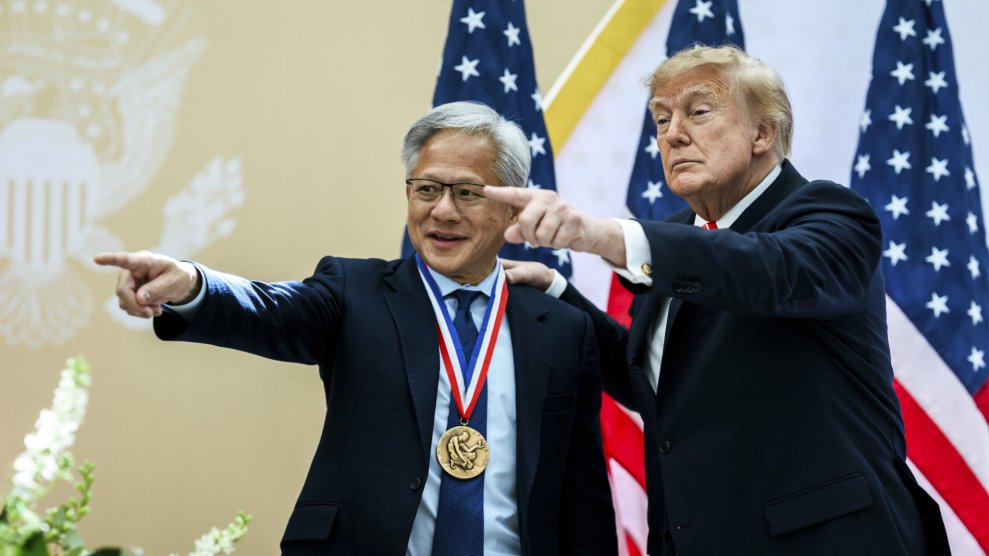
“In terms of the security risks of our partnership, they are much, much, much, much less than the security risks, for example, of the United States,” he said.
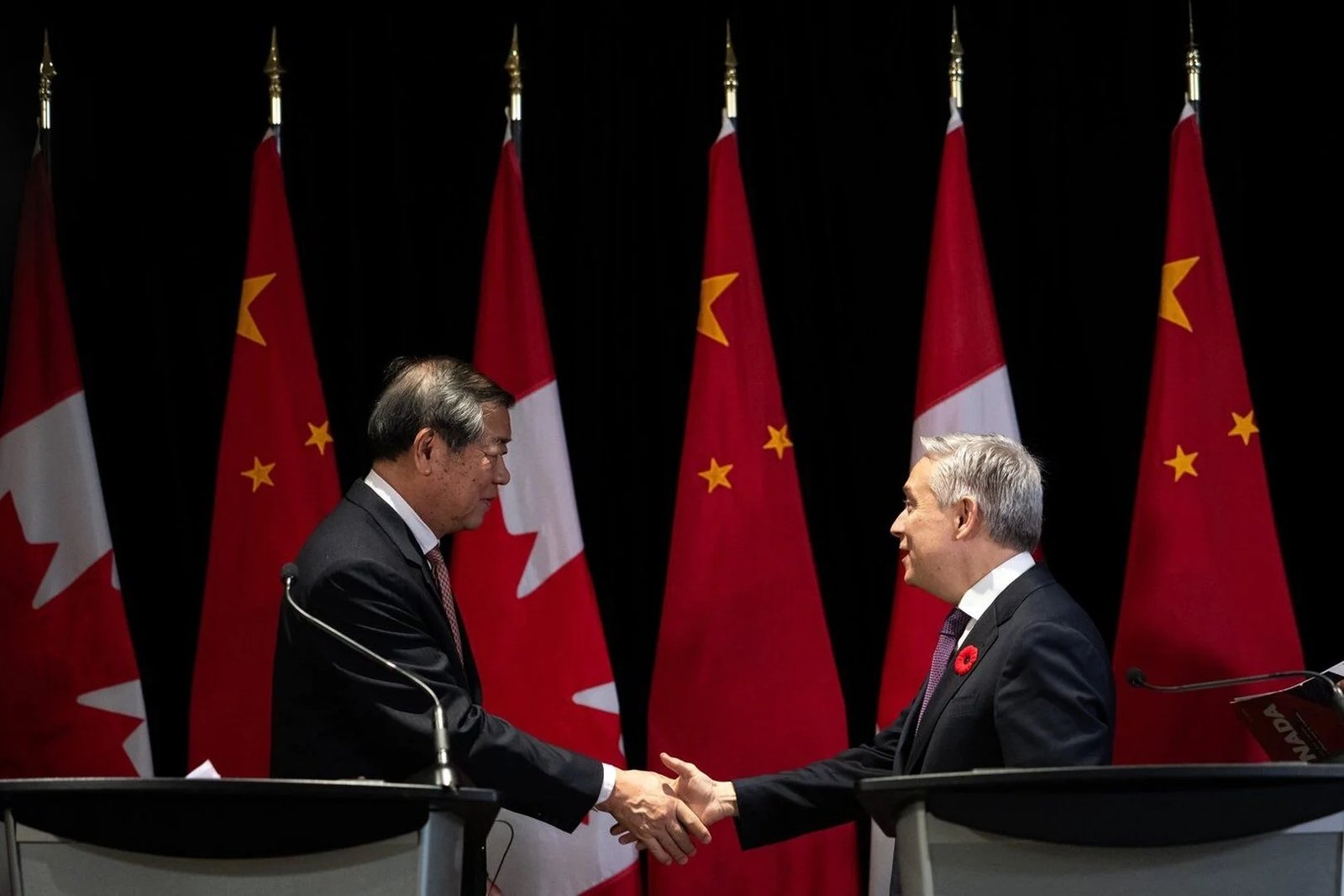
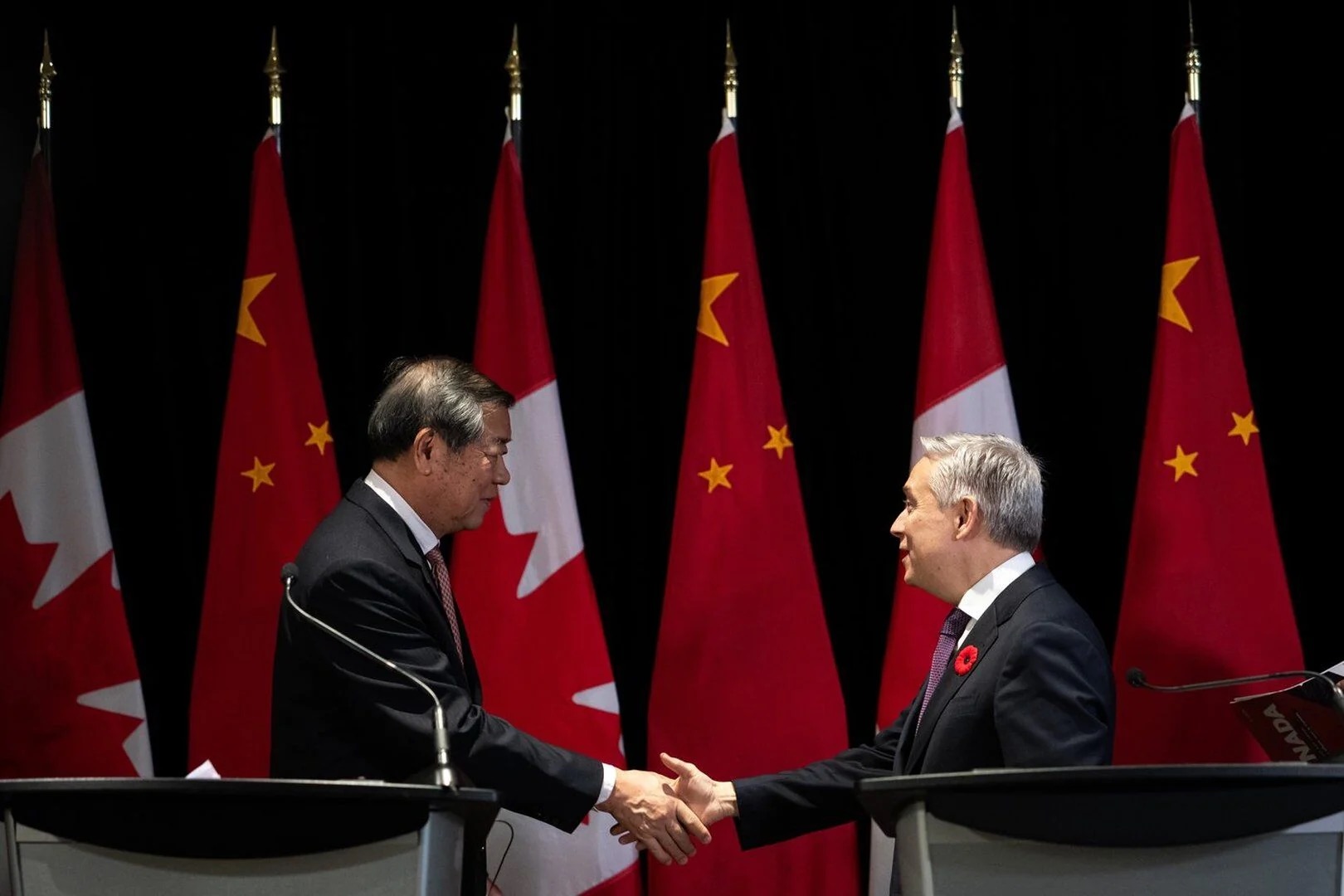
He said it a day after Canada and China agreed to deepen ties between their financial systems, and a week before he’s expected to meet Chinese President Xi Jinping.
Carney says he’ll raise interference with Xi
Carney said closer economic ties won’t stop him from raising security with Xi.
“The advantage of these meetings is you can raise issues directly and frankly, and I will be raising the importance with which we attach to the non-interference in our affairs by China and other countries,” he said.
It’s a sensitive point. In March, a federal document tabled in the House said Carney hadn’t “proactively” raised human rights or foreign interference with Xi during their January meeting in Beijing. The Prime Minister’s Office said the document was submitted in error and filed a correction, saying human rights were raised “proactively at multiple levels.”
A different answer than in 2025
During the April 2025 election campaign, Carney was asked in a leaders’ debate to name the greatest geopolitical threat to Canada. His answer was one word: “China.”
The next day, he said, “China is the biggest threat from a geopolitical sense.”
Eighteen months later, the relationships with both countries look very different.
The trade war behind the shift
Canada is still in a trade war with its biggest customer.
U.S. tariffs on Canadian goods remain in place, and there’s no deal yet. Last month, Carney said Canada isn’t ready to sign a trade deal with Trump. Trump then said the two countries had the “concept” of a deal and claimed Canada would pay for the entire Keystone XL pipeline.
The tariffs have come with talk of annexation. In October, Trump said again that Canada will become the 51st state, adding, “We don’t need them, but they need us.” Days later, he said Canada could keep hockey and O Canada as a U.S. state.
Ottawa has responded by looking for customers elsewhere. Carney and EU leaders unveiled a new alliance earlier this month. His goal is to double Canada’s exports to countries other than the U.S. by 2035.
Democrats gained in last week’s U.S. midterms and have said they want to end Trump’s tariffs on Canada. For now, Canada still has to negotiate with the Trump administration.
How fast ties with China have grown
-
January: Carney and Xi reached a deal in Beijing. China cut its tariff on Canadian canola seed from 84 per cent to about 15 per cent, and dropped tariffs on canola meal, peas, lobster and crab. Canada agreed to let in up to 49,000 Chinese-made electric vehicles a year at a 6.1 per cent tariff, down from 100 per cent.
-
April: The two countries launched a Canada-China Financial Working Group.
-
Nov. 4: Ottawa and Beijing extended the trade deal to the end of 2028.
-
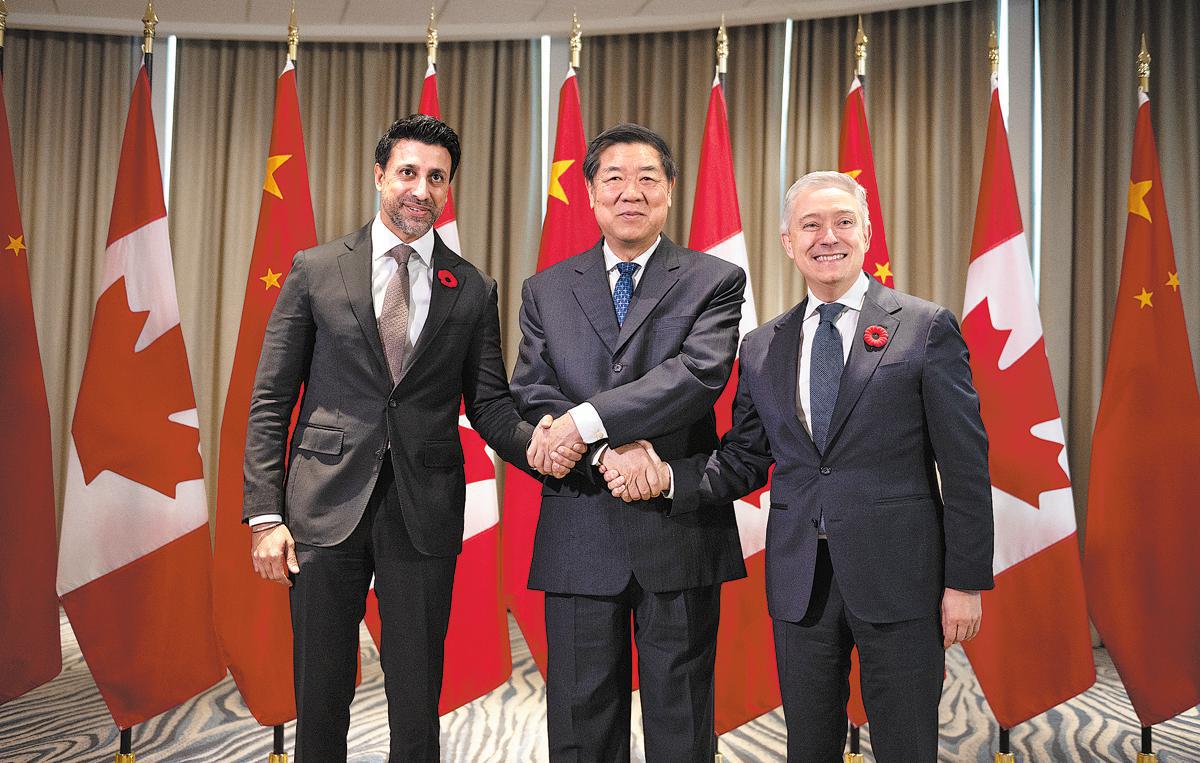
Nov. 9: After two days of meetings in Vancouver with Chinese Vice-Premier He Lifeng, Finance Minister François-Philippe Champagne and Trade Minister Maninder Sidhu agreed to “enhance financial sector co-operation,” including more market access for financial services and closer contact between regulators.
None of this is a free trade agreement. These are tariff arrangements and channels for cooperation.
Alberta oil leads the boom
Alberta has more riding on this than any other province.
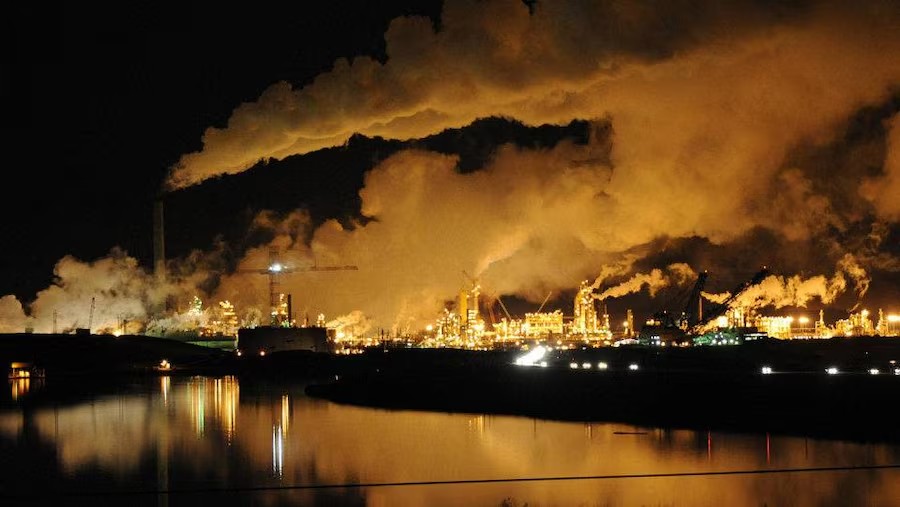
Canadian crude oil exports to China roughly doubled to $5.96 billion in the first half of 2026, according to the China Institute at the University of Alberta. Alberta and B.C. together made up 92.3 per cent of the growth in Canada’s exports to China.
The third quarter was even bigger. Crude exports to China jumped 159 per cent, to about 327,000 barrels a day, and most of it was shipped through the expanded Trans Mountain pipeline.
“A lot of experts were predicting that most of the Canadian crude that made it to tidewater would actually end up going to California and not going to Asia,” said institute director Philippe Rheault. “That’s been disproved emphatically.”
The U.S. is still Canada’s biggest oil customer by far. But Alberta producers now have a second big buyer.
Where BYD and Chinese EVs fit
The car side of the deal is smaller than many people expected.
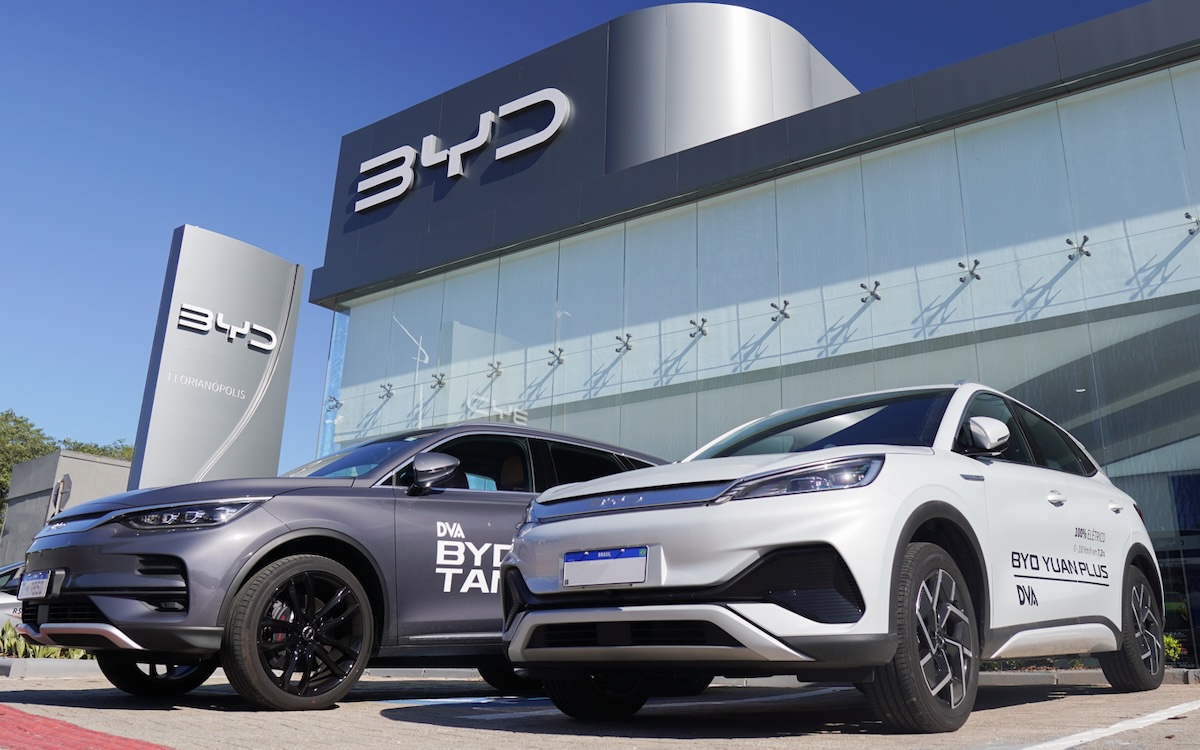
Under the January agreement, Canada lets in up to 49,000 Chinese-made electric vehicles a year at a 6.1 per cent tariff. The quota isn’t tied to any one brand. By September, about 15,600 had come in, and the federal government said about half were priced under $35,000 at import. Much of that is believed to be Teslas built in Shanghai.
BYD, China’s biggest EV maker, is the name most Canadians are watching. A dealer consultant working on its expansion has named Calgary as a possible early location. But BYD has said it hasn’t finalized plans to sell passenger cars in Canada. There are no confirmed dealerships, models or prices.
Every vehicle also has to meet Canadian safety standards first, and several Chinese automakers are now reportedly aiming for 2027.
The case critics make
Critics say the comparison ignores China’s record in Canada:
-
China detained Canadians Michael Kovrig and Michael Spavor for nearly three years after Canada arrested Huawei executive Meng Wanzhou in 2018.
-
The federal inquiry into foreign interference found that China was the most active foreign state interfering in Canada’s democracy. It also found interference in the 2019 and 2021 elections didn’t change which party formed government.
-
Canada’s cyber security centre calls China the country’s most sophisticated and active cyber threat.
-
Hong Kong police put a bounty on Joe Tay, who ran as a Conservative candidate in the 2025 federal election.
“In what universe is the US a bigger security threat than this?” the conservative advocacy group Canada Proud wrote on X.
Some trade experts who support doing more business with China also warn about relying on it too much. “In 2024, nearly 70 per cent of our canola seed exports went to China, giving Beijing significant leverage that it has used during political disputes,” said Vina Nadjibulla, CEO of the Centre for Strategic Statecraft. “The goal should be to reduce strategic dependence, not simply shift it from one major power to another.”
The case supporters make
Supporters point to two years of U.S. tariffs and annexation talk from the president of Canada’s closest ally.
Many Canadians share that view. In a Nanos poll for Bloomberg earlier this year, 55 per cent of Canadians named the United States as the greatest risk to Canada’s national security. Fifteen per cent named China, and 14 per cent named Russia.
What’s next
Carney leaves Wednesday on a trip that runs Nov. 11 to 19. He’ll attend the European Political Community summit in Dublin, the ASEAN summit in Manila and the Francophonie summit in Phnom Penh. The trip ends in Shenzhen, China, at the APEC leaders’ meeting, where he’s expected to meet Xi.
“Canada has what the world wants: the energy, the resources, the talent, the technology, and the capital,” Carney said in announcing the trip.
For Alberta, the questions are practical. Will demand from China for oil and Prairie crops keep growing, and how dependable is that access if the relationship turns again?
Sources: