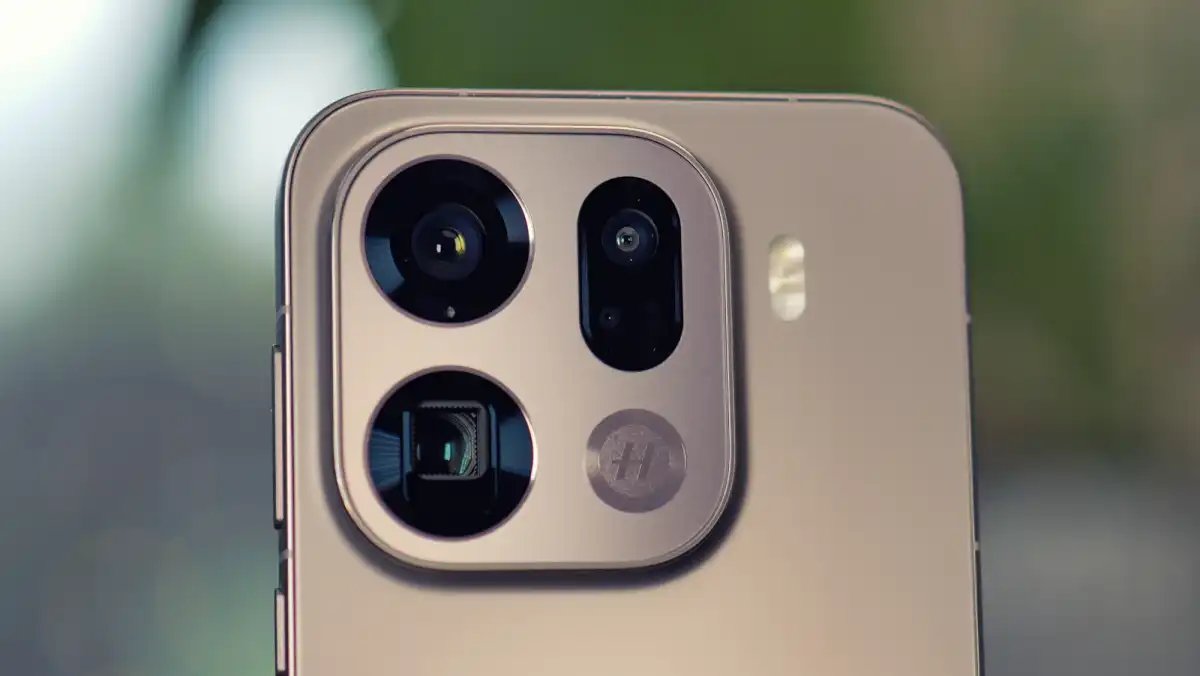
Picking the best Android phone in October 2026 starts with Samsung’s Galaxy S26 Ultra, the newest Galaxy S Ultra on sale. It sits alongside Samsung’s newer foldables, the Galaxy Z Fold8 and Galaxy Z Flip8, both announced on July 22, 2026. The S26 Ultra starts at $1,299.99 before trade-in, and the Flip8 is priced at $1,199.99. This comparison ranks current Android flagships by chipset performance, camera hardware, battery life, and price, weighing measured results over marketing claims.
The timing matters. OnePlus already launched a successor (the OnePlus 16) in China, with global availability still unconfirmed, and Google’s Pixel 11 series replaced the Pixel 10 family back in August. None of that is obvious from a quick search, and plenty of buying guides online are still comparing phones that are no longer the current model in their own lineup. This guide only ranks phones that are the newest released version of their line as of October 21, 2026.
Don’t miss new tech stories on Google
Add Tech Insider once in the Google app and our stories appear in your news suggestions.
Add Now
Why Android phone rankings keep shifting in late 2026
Android’s overall sales position has not changed much even as individual phone rankings shuffle every few weeks. Counterpoint Research found that Android accounted for 75% of global smartphone sales in the second quarter of 2026, which means the fight for best Android phone bragging rights is really a fight over an installed base several times larger than iOS. IDC‘s quarterly tracker still lists Samsung among the top global smartphone shippers, which is one reason the Galaxy S26 Ultra still sets the bar other Android makers get compared against.
What’s changed is the pace of releases. Samsung’s Galaxy Unpacked event introduced the standard Galaxy S26 lineup, general availability followed on March 11, and then Samsung kept adding to the family: the Galaxy Z Fold8 and Z Flip8 shipped in August, the Galaxy S26 FE arrived in September, and a One UI 9 software update rolled out to the original three S26 models starting October 8. Google answered with the Pixel 11 series. OnePlus answered Google by launching the OnePlus 16 in China on October 12, barely eleven months after the OnePlus 15. Xiaomi, by contrast, has left the Xiaomi 17 as its newest global flagship.
That overlapping release cadence is exactly why a straight head-to-head table is more useful than another “top 10” listicle that mixes phones from different hardware generations. Below, every phone ranked is the current, purchasable version of its line, with predecessor models flagged where relevant.
Best Android phones of 2026: full specs comparison table
The table below lines up the seven Android phones that matter most for an October 2026 purchase decision: three Galaxy S26-family phones, two Galaxy Z foldables, the Pixel 11 Pro XL, the OnePlus 15, and the Xiaomi 17. Prices are official US list prices before trade-in where available; Xiaomi’s US/global price is a third-party retailer listing rather than an official Xiaomi US launch price, since Xiaomi does not sell the 17 series through its own US storefront.
| Phone | Price (US) | Chipset | RAM / Storage | Display | Battery | Charging | Rear cameras | Release |
|---|---|---|---|---|---|---|---|---|
| Galaxy S26 Ultra | From $1,299.99 | Snapdragon 8 Elite Gen 5 (or Exynos 2600 by region) | 12/16GB, up to 1TB | 6.9″ QHD+ Dynamic AMOLED, 120Hz | 5,000mAh | Up to 75% in 30 min (60W) | 200MP main, 50MP ultrawide, 10MP + 50MP telephoto | Not listed |
| Galaxy S26+ | From $1,099.99 | Snapdragon 8 Elite Gen 5 / Exynos 2600 | 12GB, up to 512GB | 6.7″ QHD+ Dynamic AMOLED 2X, 120Hz | 4,900mAh | 45W wired, 20W wireless | 50MP main, 12MP ultrawide, 10MP telephoto | Not listed |
| Galaxy S26 | From $899.99 | Snapdragon 8 Elite Gen 5 / Exynos 2600 | 12GB, 128-512GB | 6.3″ Dynamic AMOLED, 120Hz, 3,000 nits | 4,300mAh | Up to 69% in 30 min (45W) | 50MP main, 12MP ultrawide, 10MP telephoto | Not listed |
| Galaxy S26 FE | From $699.99 (promo $599.99) | Not confirmed on this sheet | 8GB, 128-512GB | 6.7″ Dynamic AMOLED 2X, 120Hz | 4,900mAh | 45W wired | Not confirmed on this sheet | Sep 4, 2026 |
| Galaxy Z Fold8 | From $1,899.99 | Snapdragon 8 Elite Gen 5 Mobile Platform for Galaxy | Not confirmed on this sheet | 7.6″ main / 5.5″ cover, QXGA+ AMOLED 2X, 120Hz | 4,800mAh | Not confirmed on this sheet | Not confirmed on this sheet | Aug 7, 2026 |
| Galaxy Z Flip8 | From $1,199.99 | Not confirmed on this sheet | 12GB, 256/512GB | FlexWindow cover + main display | 4,300mAh | Not confirmed on this sheet | 50MP main | Aug 7, 2026 |
| Pixel 11 Pro XL | From $1,299 | Google Tensor G6 | 12/16GB, up to 1TB | 6.8″ LTPO OLED Super Actua, 1-120Hz | 5,115mAh | Reported ~45W wired, Qi2 wireless | 50MP main, 48MP ultrawide, 48MP 5x telephoto | Not listed |
| OnePlus 15 | From $899.99 | Snapdragon 8 Elite Gen 5 | 12/16GB, 256/512GB | 6.78″ LTPO AMOLED, 165Hz (185Hz gaming) | 7,300mAh | 120W wired, 50W wireless | 50MP main, 50MP 3.5x telephoto, 50MP ultrawide | Not listed |
| Xiaomi 17 (global, reported) | Not listed | Snapdragon 8 Elite Gen 5 | 12/16GB, up to 1TB | 6.3″ LTPO AMOLED, up to 120Hz | 6,330mAh (conflicting 7,000mAh report) | 100W wired, 50W wireless | Triple camera, 1/1.31″ Light Fusion 950 main sensor | Not listed |
A few rows in that table carry “not confirmed on this sheet” because Samsung’s own regional press materials disagree on specifics, or simply did not publish a figure for every variant checked for this comparison. Where that happens, this article declines to guess rather than publish an invented number.
Benchmark results: how the chipsets actually perform
Marketing slides rarely match what independent reviewers measure once a phone ships. For the Galaxy S26 Ultra’s Snapdragon 8 Elite Gen 5 (the overclocked “for Galaxy” binning Samsung uses), GSMArena and Smartprix have each run their own AnTuTu and Geekbench benchmarks, and the two outlets consistently land on different scores for the same chipset. That kind of spread between outlets testing the same hardware is typical and reflects thermal conditions and software state at the time of testing, not a defect in either phone.
Google’s Tensor G6 inside the Pixel 11 Pro XL plays a different game entirely. Reviewers found that it trails every Snapdragon 8 Elite Gen 5 phone in this table by a wide margin on raw Geekbench throughput. Google has never positioned Tensor chips as benchmark leaders; the G6 exists to run on-device AI models and computational photography pipelines efficiently rather than top a leaderboard, and that tradeoff shows up directly in real world use.
| Phone | Chipset | AnTuTu v11 | Geekbench 6 single | Geekbench 6 multi | Source |
|---|---|---|---|---|---|
| Galaxy S26 Ultra | Snapdragon 8 Elite Gen 5 (Galaxy bin) | Not listed | Not separated | Not listed | GSMArena |
| Galaxy S26 Ultra | Snapdragon 8 Elite Gen 5 (Galaxy bin) | Not listed | Not listed | Not listed | Smartprix |
| OnePlus 15 | Snapdragon 8 Elite Gen 5 | Not listed | Not listed | Not listed | Smartprix |
| OnePlus 15 | Snapdragon 8 Elite Gen 5 | Not listed | Not separately reported | Not listed | India Today |
| Xiaomi 17 | Snapdragon 8 Elite Gen 5 | Not listed | Not separately reported | Not listed | Third-party spec listing |
| Pixel 11 Pro XL | Google Tensor G6 | Not reported | Not listed | Not listed | Reviewer benchmark report |
Pricing breakdown across all four brands
The price spread across this group runs from $699.99 (Galaxy S26 FE, discounted to $599.99 through an October promotion) to $1,899.99 (Galaxy Z Fold8), with most mainstream flagships clustering between $899 and $1,299. That roughly $1,200 gap means the “best Android phone” answer genuinely depends on budget, not just specs.
| Phone | Launch price | Current US price (Oct 2026) | Active promotion |
|---|---|---|---|
| Galaxy S26 | $899.99 | $899.99 (base) | Up to $100 off selected configs |
| Galaxy S26+ | $1,099.99 | Not listed | Varies by storage |
| Galaxy S26 Ultra | $1,299.99 | From $1,299.99 depending on storage | Up to $200 off, Samsung Credit through Dec 31 |
| Galaxy S26 FE | $699.99 | $699.99 | $100 off = $599.99 through Oct 26 |
| Galaxy Z Fold8 | $1,899.99 | $1,899.99 | Up to $200 off Oct 12-Nov 2 |
| Galaxy Z Flip8 | $1,199.99 | $1,199.99 | Not listed |
| Pixel 11 Pro XL | $1,299 | $1,299 | Not confirmed on this sheet |
| OnePlus 15 | $899.99 (12/256GB) | $899.99 / $999.99 (16/512GB) | Not confirmed on this sheet |
| Xiaomi 17 | Not listed | Not listed | Not confirmed on this sheet |
Samsung Galaxy S26 Ultra: the default flagship pick
The Galaxy S26 Ultra remains the phone other Android flagships get measured against, and the spec sheet explains why. Its 200MP main camera plus 50MP telephoto with 5x optical zoom outresolves every other camera system in this comparison on paper, and Samsung’s own documentation claims 47% more light capture on the main sensor and 37% more on the telephoto compared to the Galaxy S25 Ultra it replaced. The 6.9-inch QHD+ display (6.7 inches once the rounded corners are accounted for) and 5,000mAh battery round out a phone built for buyers who want the single best all-around device regardless of price.
The catch is cost. At $1,299.99 and up, with some storage tiers now listed at $1,399.99 after Samsung’s October price adjustment, the Ultra asks for a real premium over the standard S26. Charging is also middling for a 2026 flagship: 60W gets the phone to 75% in about 30 minutes, which is noticeably slower than the OnePlus 15’s 120W or Xiaomi 17’s 100W wired charging. If raw charging speed matters more than camera resolution, the Ultra is not the fastest-charging phone on this list by a wide margin.
Google Pixel 11 Pro XL: the AI and camera-software pick
Google’s Pixel 11 series replaced the Pixel 10 family as the company’s current flagship line. The Pixel 11 Pro XL starts at $1,299 and pairs a 6.8-inch LTPO OLED Super Actua display with the largest battery in this comparison at 5,115mAh. Its 50MP main, 48MP ultrawide, and 48MP 5x telephoto camera array leans on Google’s computational photography software rather than raw sensor size to compete with Samsung’s 200MP shooter, and that software-first approach is exactly where Tensor chips are built to excel.
The tradeoff shows up in the benchmark table above: the Tensor G6’s Geekbench 6 multi-core score is well behind the Snapdragon 8 Elite Gen 5 phones here. For buyers who care about frame rates in demanding mobile games or raw multi-core throughput for heavy multitasking, that gap is real. For buyers who mainly want the best on-device AI features, call screening, and computational photography tricks on Android, the Pixel 11 Pro XL’s software still tends to win reviewer praise despite the weaker chipset numbers.
OnePlus 15: the battery and charging specialist
OnePlus built the OnePlus 15 around battery life and charging speed rather than camera resolution. Its 7,300mAh dual-cell battery is the largest capacity in this entire comparison, and 120W wired charging with 50W wireless charging both beat every Samsung, Google, or Xiaomi phone on this list by a wide margin. At $899.99 for 12GB/256GB, it also undercuts the Galaxy S26 Ultra and Pixel 11 Pro XL by $400, while still running the same Snapdragon 8 Elite Gen 5 chipset Samsung uses in the S26 Ultra.
Buyers need to know one thing before buying: OnePlus already launched a successor, the OnePlus 16, in China, running a newer Snapdragon 8 Elite Extreme Gen 6 chipset and a reported 9,000mAh battery. Global availability for the OnePlus 16 is not yet confirmed as of this writing, so the OnePlus 15 remains the only OnePlus flagship most buyers outside China can actually purchase right now. Treat the OnePlus 16 as an upcoming phone to watch, not something on shelves today outside China.
Xiaomi 17: the value import with asterisks
Hardware-wise, the Xiaomi 17 shares its Snapdragon 8 Elite Gen 5 chipset with the Galaxy S26 Ultra and OnePlus 15, plus a 1/1.31-inch Light Fusion 950 main camera sensor that’s larger than what most competitors pack into a 6.3-inch phone. Battery capacity reporting conflicts between sources (6,330mAh versus a separate 7,000mAh claim), which is worth flagging for anyone buying based on battery life alone. Benchmark scores for the 17 trail both the Galaxy S26 Ultra and OnePlus 15 despite the shared chipset, likely due to more conservative thermal throttling tuned for the smaller 6.3-inch chassis.
Samsung’s foldables: Galaxy Z Fold8 and Z Flip8
Samsung’s foldable lineup got a full refresh on July 22, 2026, with general availability starting August 7. The Galaxy Z Fold8 is now the lightest Galaxy Z Fold Samsung has shipped at 201 grams, thanks to a new “Flex Titanium” structure that combines a titanium-alloy film with a titanium plate. At $1,899.99, it’s the most expensive phone in this comparison, and Samsung also sells a step-up Galaxy Z Fold8 Ultra above it for buyers who want even more from the foldable form factor. The UK’s Which? consumer group awarded the Fold8 a “Best Buy” endorsement in October 2026, which is one of the stronger independent signals this phone has collected since launch.
The Galaxy Z Flip8, Samsung’s clamshell foldable, starts at $1,199.99 and focuses on a redesigned FlexWindow cover screen, a 50MP main camera, and a 4,300mAh battery rated for up to 31 hours of video playback. Both foldables run Samsung’s Snapdragon 8 Elite Gen 5 Mobile Platform for Galaxy, the same silicon family found in the S26 Ultra, so foldable buyers aren’t sacrificing raw performance for the hinge mechanism. Brandligo’s breakdown of the Fold8 notes that the wider main display is the clearest reason to pick it over a standard flagship, while a separate Android Headlines overview of the Flip8 points to the redesigned hinge as the generation’s biggest durability improvement over earlier Z Flip models.
Gaming and sustained performance
Benchmark numbers captured in a cool lab don’t always predict how a phone behaves twenty minutes into a demanding mobile game, once heat has built up inside the chassis. The OnePlus 15 is the only phone in this comparison that advertises a dedicated high-refresh gaming mode on its 6.78-inch display, above the standard 120Hz ceiling that the Galaxy S26 Ultra, Pixel 11 Pro XL, and Xiaomi 17 all share. That extra headroom matters most in fast-paced competitive titles where frame pacing affects reaction time, and OnePlus’s larger 7,300mAh battery also means sustained gaming sessions are less likely to force a mid-session charge compared to phones running 4,300-5,115mAh cells.
Raw chipset throughput reportedly favors the Snapdragon 8 Elite Gen 5 phones over the Pixel 11 Pro XL’s Tensor G6, though independent benchmark figures confirming the exact gap were not available for this comparison. For buyers who play graphically demanding titles at the highest settings, that gap can translate into a real difference in sustained frame rates once thermal throttling kicks in on longer play sessions. Buyers who mostly play casual or mid-tier mobile games are less likely to notice the difference, since most popular titles are tuned to run smoothly even on mid-range Android hardware.
Build quality and durability
Durability differences are easy to overlook next to camera and chipset specs, but they matter over a phone’s multi-year lifespan. Samsung’s Galaxy Z Fold8 is the standout story here: its new Flex Titanium structure combines a titanium-alloy film with an enhanced titanium plate, which Samsung says both thins the hinge assembly and reduces how visible the fold crease becomes as the phone ages, while also cutting the Fold8’s weight to 201 grams, the lightest Galaxy Z Fold Samsung has shipped. That weight reduction came alongside the UK’s Which? consumer group naming the Fold8 a “Best Buy” in October 2026, an independent signal that’s harder to find for most of the slab phones in this comparison.
Among the non-foldable flagships, Samsung’s Galaxy S26 Ultra, the Pixel 11 Pro XL, and the OnePlus 15 all use standard glass-and-metal flagship construction without dramatic departures from prior-generation designs, so none has a documented durability edge over the others based on the sources checked for this comparison. The Xiaomi 17’s smaller 6.3-inch frame is worth a mention here too: a more compact chassis generally means less leverage in a drop, which can translate to marginally better survival odds in accidental falls compared to the 6.7-to-6.9-inch phones in this group, though no controlled drop-test data was available to confirm that for the 17 specifically.
Real-world examples: who actually buys which phone
- The mobile photographer upgrading from a three-year-old phone: picks the Galaxy S26 Ultra for the 200MP main sensor and 5x optical telephoto, accepting the $1,299.99-plus price and slower 60W charging as the tradeoff for maximum zoom range.
- The commuter who hates carrying a charger: picks the OnePlus 15 for its 7,300mAh battery and 120W charging, which together mean a full charge takes well under half an hour even on a busy travel day.
- The Google ecosystem user who lives in Gemini and Google apps: picks the Pixel 11 Pro XL because Tensor G6’s on-device AI features and call-screening tools integrate more tightly with Google services than any Snapdragon phone can match, even with a lower Geekbench score.
- The budget-conscious buyer who still wants a Galaxy-branded flagship: picks the Galaxy S26 FE at its discounted $599.99 price, trading the Ultra’s camera array for One UI 9 software and a 4,900mAh battery at less than half the Ultra’s cost.
- The multitasker who wants a tablet and phone in one device: picks the Galaxy Z Fold8 despite its $1,899.99 price, using the 7.6-inch unfolded display for split-screen work that a standard 6.3-6.9-inch flagship simply can’t replicate.
- The import-savvy shopper chasing the lowest price-per-spec: picks the Xiaomi 17, importing it or ordering direct from China to get Snapdragon 8 Elite Gen 5 performance at a lower price than most other flagships on this list, while accepting the lack of an official Xiaomi US warranty.
Migration guide: switching between these Android flagships
Moving between Android phones is less painful than switching platforms entirely, but a few steps make the difference between a clean transfer and a week of re-downloading apps and re-entering passwords.
- Back up the old phone first. On a Samsung device, open Settings > Accounts and backup > Back up data, and confirm Samsung Cloud or Google Drive backup is current before unboxing the new phone.
- On a Pixel, Google’s own transfer tool handles most of the heavy lifting: connect the old and new phone with the included cable, and the Pixel setup wizard copies apps, photos, and settings automatically during first boot.
- For a Samsung-to-OnePlus or Samsung-to-Xiaomi move, use Google’s “Switch to Android” app rather than relying on either brand’s proprietary tool, since cross-brand transfers work more reliably through Google’s own migration path.
- Check eSIM compatibility before the move. The Galaxy S26 series, Pixel 11 series, and OnePlus 15 all support eSIM, but transferring an eSIM profile typically requires contacting the carrier rather than a simple device-to-device copy.
- Re-pair wearables and earbuds. Galaxy Watches and Buds need to be unpaired from the old phone’s Samsung account before they’ll pair cleanly with a new non-Samsung device, and the reverse is true for Pixel Buds moving onto a Galaxy phone.
- Verify banking and authentication apps separately. Apps using hardware-backed security keys (Google Authenticator, some banking apps) may require manual re-verification rather than transferring via backup, especially across brands.
- Give the new phone 24-48 hours before wiping the old one. App data sync, especially for messaging apps, sometimes needs a full day to fully settle on the new device.
Pros and cons by phone
Samsung Galaxy S26 Ultra
- Pros: Highest-resolution main camera in this comparison (200MP), dual telephoto system with 5x optical zoom, strongest overall benchmark scores, long promised software support across the S26 family.
- Cons: Most expensive mainstream flagship at $1,299.99+.
Google Pixel 11 Pro XL
- Pros: Largest battery in the comparison (5,115mAh), best-in-class computational photography software, deepest on-device Gemini AI integration of any phone here.
- Cons: Weakest raw benchmark performance of any flagship in this list, charging speed not clearly confirmed at a competitive wattage, Tensor chips have historically run warmer under sustained load than Snapdragon equivalents.
OnePlus 15
- Pros: Largest raw battery capacity (7,300mAh), fastest charging in the comparison (120W wired, 50W wireless), roughly $400 cheaper than the Galaxy S26 Ultra and Pixel 11 Pro XL while sharing the same flagship chipset as the Ultra.
- Cons: Already superseded in China by the OnePlus 16 as of October 12, 2026, camera software historically lags Samsung and Google in low-light processing, OnePlus’s US carrier support remains narrower than Samsung’s.
Xiaomi 17
- Pros: Lowest effective price-per-spec of any Snapdragon 8 Elite Gen 5 phone in this list, large 1/1.31-inch main camera sensor, compact 6.3-inch size for buyers who dislike oversized flagships.
- Cons: No official US or EU retail presence, conflicting battery capacity reports (6,330mAh vs 7,000mAh), benchmark scores trail the Galaxy S26 Ultra and OnePlus 15 despite sharing a chipset.
Market share and industry data: who’s actually winning
Rankings based on specs only tell half the story. IDC data shows worldwide smartphone shipments are forecast to decline 13.9% year over year in 2026, to 1.09 billion units, with Android shipments specifically forecast to fall 20% year over year. That’s a notably steeper decline for Android than for the overall market, which suggests premium Android flagships are facing more pricing resistance than the smartphone category as a whole. Samsung remains the largest single Android vendor by a wide margin over Google, OnePlus, or Xiaomi individually, according to the same IDC tracker, even though exact share and unit figures for the most recent quarter were not confirmed for this piece.
Counterpoint Research’s installed-base data adds useful context: eight smartphone manufacturers each surpassed 200 million active devices in 2025, together representing more than 80% of the global active smartphone base, according to Counterpoint’s analysis. That scale is exactly why Samsung, Google, OnePlus, and Xiaomi keep shipping new flagships every few months rather than every year or two: with billions of active devices already in the market, each maker is fighting to convert existing Android users into upgraders rather than winning brand-new smartphone buyers.
Display and camera hardware head-to-head
Every phone in this comparison uses some form of AMOLED or OLED panel, but the resolution and peak brightness figures vary more than most buyers expect. The Galaxy S26 Ultra’s 6.9-inch QHD+ panel and Pixel 11 Pro XL’s 6.8-inch LTPO Super Actua display both push into flagship-tier sharpness, while the OnePlus 15’s 6.78-inch panel adds a 165Hz gaming mode on top of its standard 120Hz refresh rate, something neither Samsung nor Google offers on their current flagships. Xiaomi’s 17 runs the smallest panel in this group at 6.3 inches, which keeps the phone noticeably more pocketable than its 6.7-to-6.9-inch competitors.
Camera hardware tells a similarly varied story. Samsung’s 200MP main sensor is the clear resolution leader among the flagships in this comparison. Xiaomi’s Light Fusion 950 sensor at 1/1.31 inches is physically larger than what most competitors pack into a phone this size, which should theoretically help in low light even without matching Samsung’s megapixel count, though independent low-light comparisons weren’t available for this sheet.
Software and update support compared
Software longevity has become as important a buying factor as the chipset itself, since most flagship phones now get used for four or more years. Samsung’s Galaxy S26 FE ships with up to seven generations of OS upgrades and seven years of security updates, and that same support window applies across the broader S26 family running One UI 9, which began rolling out to the standard S26, S26+, and S26 Ultra on October 8, 2026. Samsung has pushed its support commitments further than any other Android maker over the past two years, and that policy now extends across its full current lineup rather than just the Ultra model.
Google has historically matched or exceeded Samsung’s update promises on Pixel hardware, pairing the Pixel 11 series with the same Tensor-specific AI features Google rolls out first on its own phones. OnePlus and Xiaomi have narrower track records here: both brands have improved their update cadence in recent years, but neither currently publishes a software-support commitment as long as Samsung’s seven-year window, which is worth weighing against their lower upfront price.
The verdict: which Android phone should you actually buy
Based on the pricing and hardware specs gathered for this comparison, the Galaxy S26 Ultra remains the single best all-around Android phone as of October 21, 2026. Its 200MP camera system and 5x optical zoom put it ahead of every other phone in this list on raw capability, even if its 60W charging trails the competition.
For buyers unwilling to spend over $1,000, the OnePlus 15 is the strongest value pick: it runs the identical Snapdragon 8 Elite Gen 5 chipset as the Galaxy S26 Ultra, costs roughly $400 less at $899.99, and adds a larger 7,300mAh battery with dramatically faster 120W charging. The one caveat is that OnePlus has already moved on to the OnePlus 16 in China, so buyers should expect the 15 to age out of top-tier status faster than Samsung’s Ultra, which still has Samsung’s longer software-support runway behind it. Buyers deep in Google’s ecosystem, or who prioritize AI features and computational photography software over raw chipset benchmarks, should look at the Pixel 11 Pro XL instead, accepting its lower Geekbench scores as the tradeoff for Gemini integration most Snapdragon phones can’t match.
Frequently asked questions
What is the best Android phone overall in 2026?
Based on benchmark scores, camera resolution, and overall hardware, the Samsung Galaxy S26 Ultra is the strongest all-around Android phone as of October 2026, starting at $1,299.99. It leads on camera resolution and chipset benchmarks, though it also costs more and charges slower than the OnePlus 15.
Is the Galaxy S26 Ultra worth the price over the standard Galaxy S26?
The roughly $400 gap between the Galaxy S26 ($899.99) and Galaxy S26 Ultra ($1,299.99) mainly buys a larger 6.9-inch display, a 200MP main camera versus the standard model’s 50MP sensor, a dual telephoto system with 5x optical zoom, and a larger 5,000mAh battery versus 4,300mAh. Buyers who don’t need zoom photography or the largest possible screen can save significantly by choosing the standard S26.
Has the Google Pixel 11 replaced the Pixel 10 as Google’s current flagship?
Yes. The Pixel 10 series is now the predecessor generation, and the Pixel 11 series, built around the Tensor G6 chipset, is Google’s current lineup as of October 2026.
Is the OnePlus 15 still worth buying now that the OnePlus 16 exists?
For most buyers outside China, yes. The OnePlus 16 launched in China on October 12, 2026, but its global availability was not confirmed as of this writing. The OnePlus 15 remains the only OnePlus flagship broadly available internationally, and it still runs the same Snapdragon 8 Elite Gen 5 chipset found in the Galaxy S26 Ultra at a significantly lower price.
Which Android phone has the best battery life in this comparison?
The OnePlus 15’s 7,300mAh dual-cell battery is the largest capacity among the phones compared here, ahead of the Pixel 11 Pro XL’s 5,115mAh and the Galaxy S26 Ultra’s 5,000mAh. OnePlus also pairs that capacity with the fastest charging in the group at 120W wired and 50W wireless.
Are Samsung’s foldables, the Galaxy Z Fold8 and Z Flip8, worth considering against standard flagships?
They’re worth considering for specific use cases rather than as general flagship replacements. The Galaxy Z Fold8 ($1,899.99) offers a 7.6-inch unfolded display useful for multitasking and reading, while the Galaxy Z Flip8 ($1,199.99) prioritizes compact portability with a redesigned FlexWindow cover screen. Both run the same Snapdragon 8 Elite Gen 5 Mobile Platform for Galaxy found in the S26 Ultra, so buyers aren’t sacrificing chipset performance for the folding form factor, just paying a premium for the mechanism itself.
How much did Samsung’s Galaxy S26 prices increase in October 2026?