98% of the work Cheek Media publishes is entirely free for our audience to engage with. We rely on our amazing subscriber base to support us in continuing to cover the stories and explore the angles that the mainstream media won’t. We’re trying to reach 3000 new subscribers by Christmas, we’d love you to purchase an annual subscription today to support independent media.
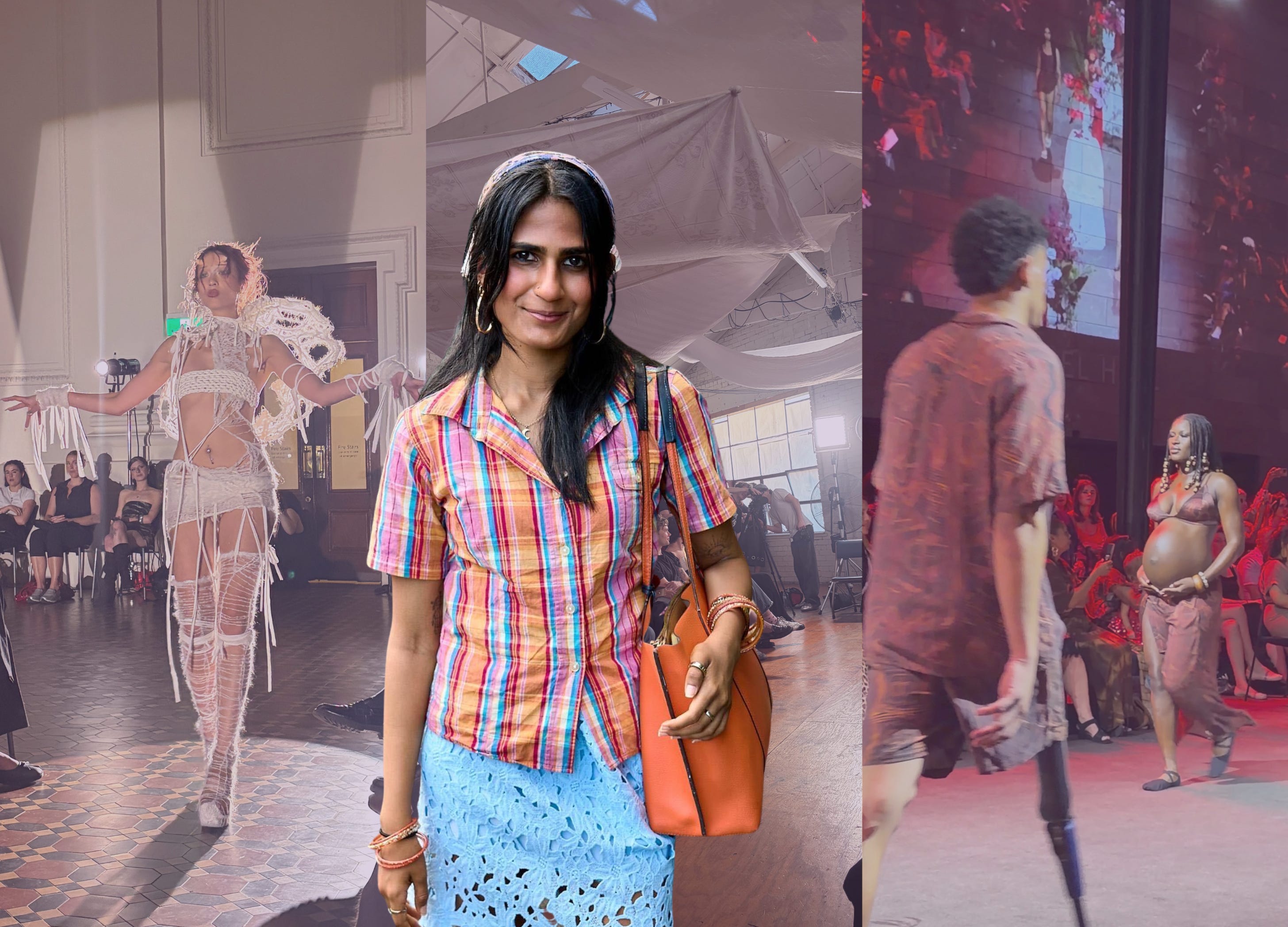
Going to Melbourne Fashion Week as a journalist for the first time was a dream come true. I’ve done some Fashion Week reporting before, popping in to chat with people about diversity on the runway, like this piece. But going into the shows is a truly different experience, so I thought I’d give you the lowdown on the ups and the many downs.
Melbourne Fashion Week (M/FW) is an annual fashion festival filled with industry insiders, designers and, for the last few years, creators and influencers. The Week usually has its classic fashion shows, pop-ups, boutique shop-alongs, and designer talks.
My presence at a Fashion Week event would have been a surprise to many who know me. Like many kids, I grew up loving clothes and jewellery and a bit of makeup here and there, but it was never something I’d ever come close to in my career. As an adult, my interest in fashion has largely been through the lens of sustainability, because of my background in climate advocacy, as well as through diversity and inclusion, given my South Asian background and my lived experience with an eating disorder.
So for me, attending these shows isn’t just an exciting moment, it feels like years of oddly shaped puzzle pieces falling into place. And my experience last week has genuinely challenged my view of what fashion is, and how it impacts us all. I don’t think I’ve ever felt more inspired to try new styles, think outside the box, and appreciate the art of design, hair, make-up, and modelling than I did sitting in the room with hundreds of other people, watching models strut across the runway.
To attend Fashion Week, you can usually either buy a ticket for ticketed shows, get media accreditation (this is what I did), or, you can be invited or sponsored to attend by a brand. When there are tickets available for the public to buy, high prices can create a barrier for aspiring creatives and designers who can’t afford to pay their way into the room. Media accreditation is a great way in, but sometimes you find out only days before the event, which makes it difficult for small businesses (like us!) to get accommodation and flights sorted in time
Those sponsored or invited to attend are typically fashion creators, influencers who can bring eyes to the show, or designers already in the industry, which makes sense. And in previous eras, Fashion Week events have been even more exclusive. In recent years, the growing presence of creators and influencers has been somewhat controversial, , as new faces take up sought-after space in the front rows. In fact, last year’s Australian Fashion Week, an annual event in Sydney, attempted to reclaim Fashion Week’s exclusivity. Most of the shows were invite-only, meaning you could not purchase a ticket to attend the show, instead depending on being enough of an “industry insider” to earn an invite. For some, exclusivity is seen as a marker of professionalism, and that it’s just how the fashion industry is. But ultimately, it means those who aspire to be in the industry are locked out.
It was this sort of rhetoric that contributed to the stress that bubbled up as I thought about what I would wear to each show.
I remember telling myself not to stress in the hours before the opening night event, a runway titled Ganbu Marra -meaning “one mob” in the Woi Wurrung language. I had just arrived from Sydney, and would be heading straight to the show from the airport – and the rush had pushed me into the brave decision of going makeup-free.