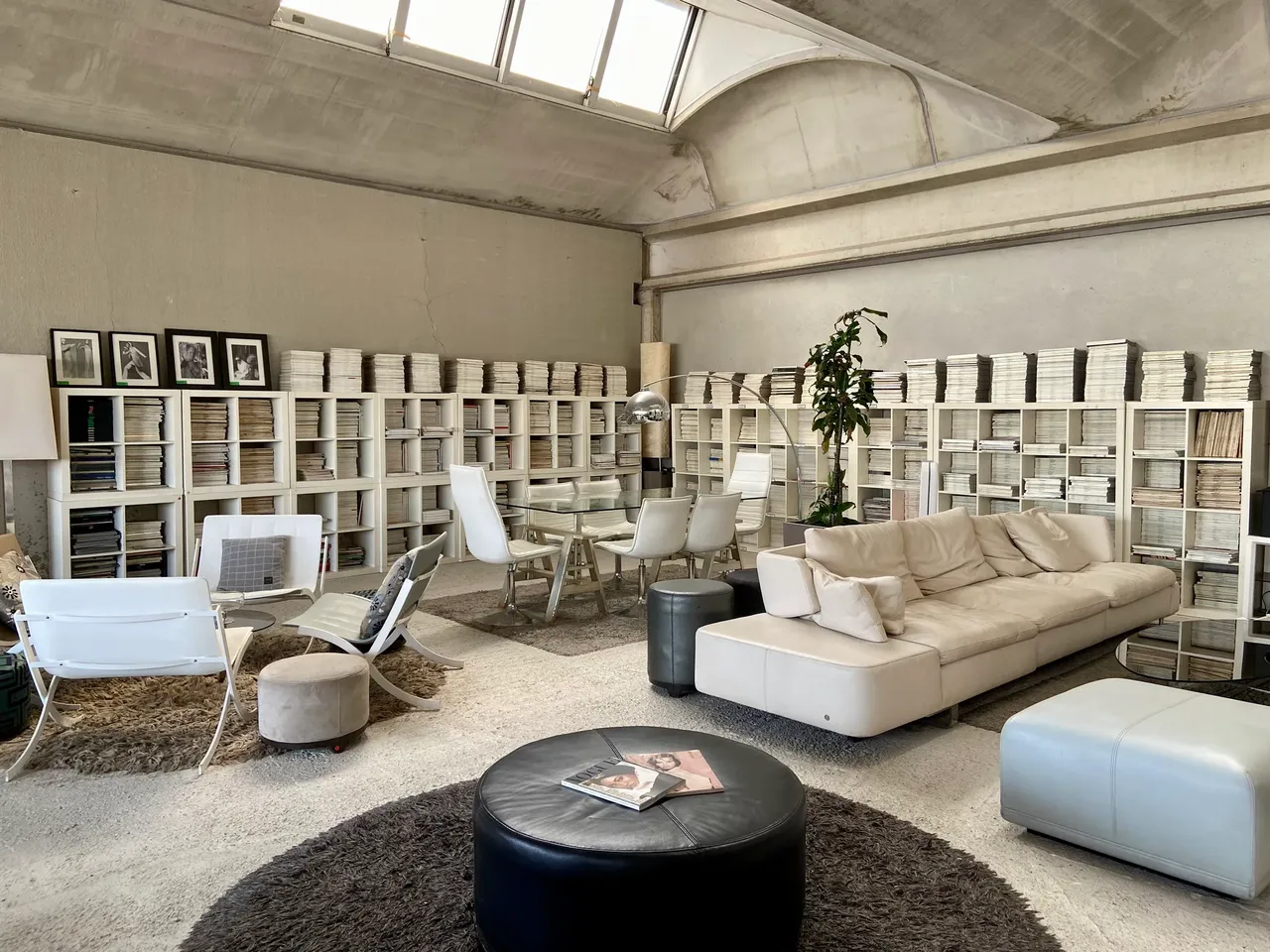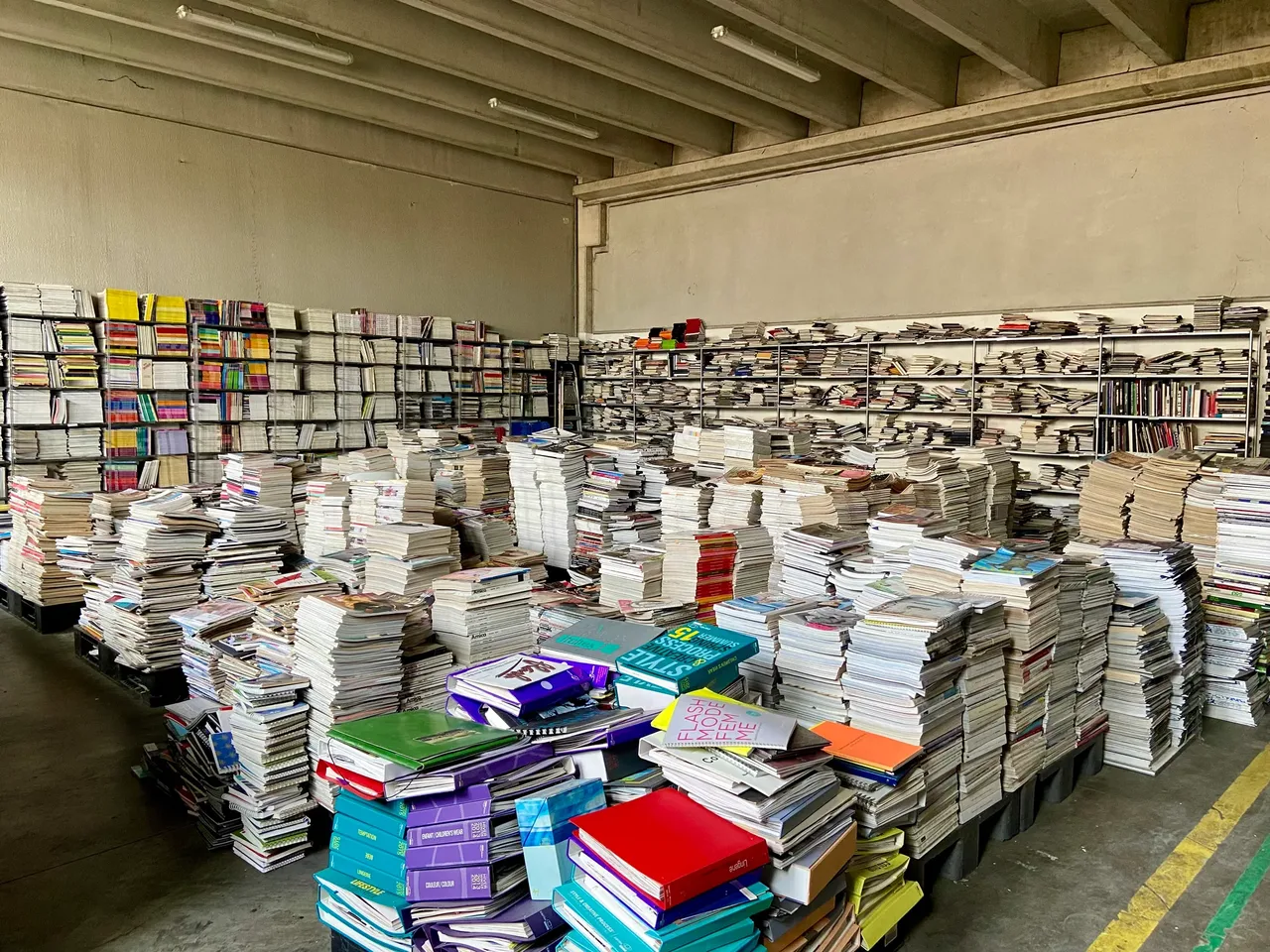
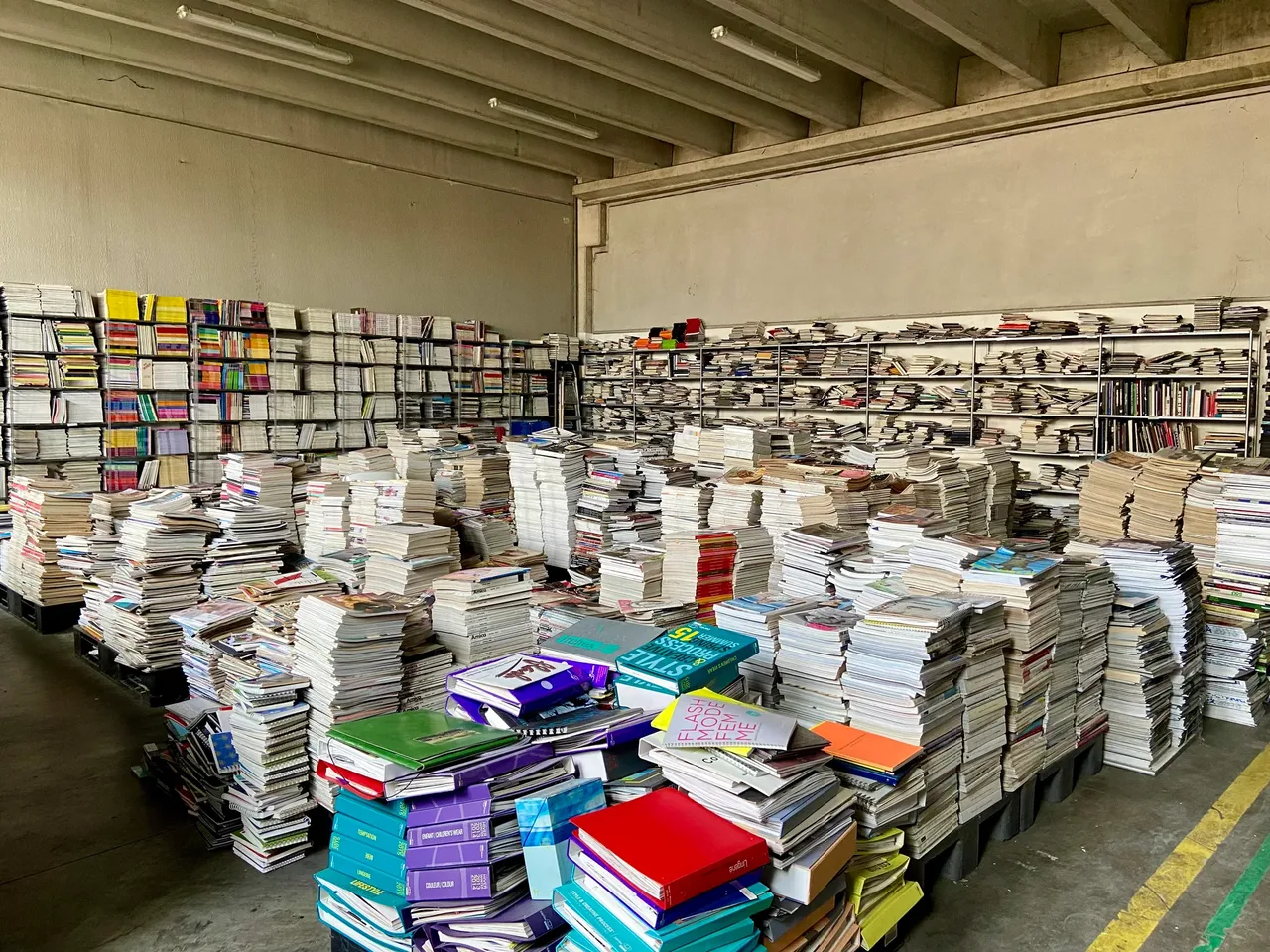
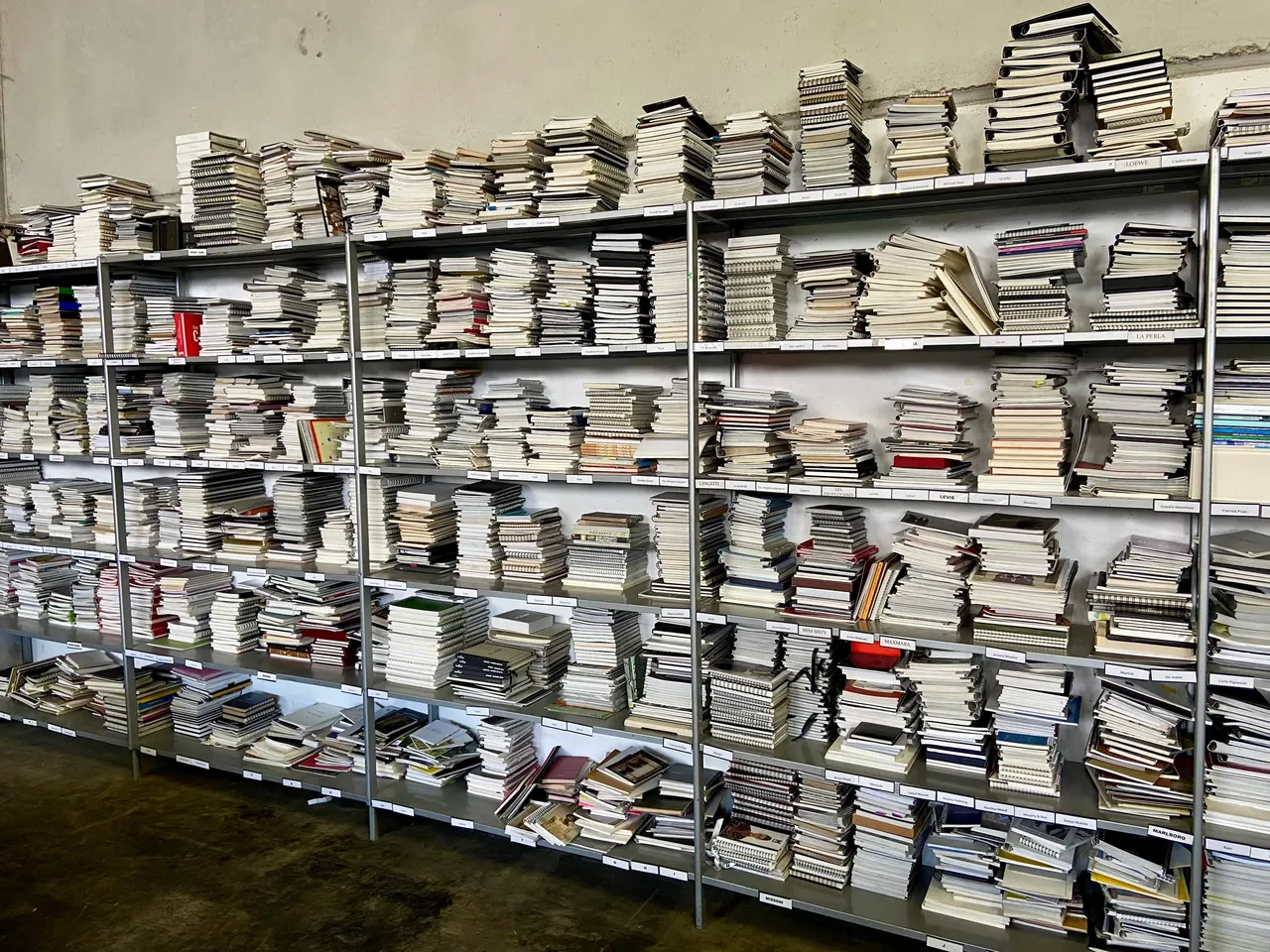
After years working in fashion publishing, including at L’Uomo Vogue, Valisi turned his personal collection into an extraordinary archive that now houses more than 80,000 publications. From legendary magazines that defined entire generations to independent titles that challenged conventions and introduced completely new ways of seeing fashion, his collection tells a much bigger story. It also serves as a research space for some of the industry’s most influential brands, which regularly turn to its shelves for inspiration.
And who better to discuss the future of print than someone who knows its history so intimately? We talk about what makes certain magazines stand the test of time, why others disappear, and the mistakes publishers continue to make. We also explore the challenges facing independent titles, the changing value of printed publications, and the opportunities that still exist in an increasingly digital world. A conversation that feels particularly relevant as we celebrate twenty years of METAL.
From an environmental perspective, the most significant development has been the tremendous growth in interest in publications, including in areas beyond those for which they were originally created. They are increasingly seen as decorative objects, status symbols, or tools for social positioning. This is also reflected in the growing number of requests to organise photo shoots at the Library and to rent publications for event installations, trade fair stands, and video productions. These requests are becoming increasingly frequent and sophisticated.
You’ve spent much of your life surrounded by magazines, including your years at L’Uomo Vogue. But I’d love to go back to the beginning. Do you remember the first publication you fell in love with?
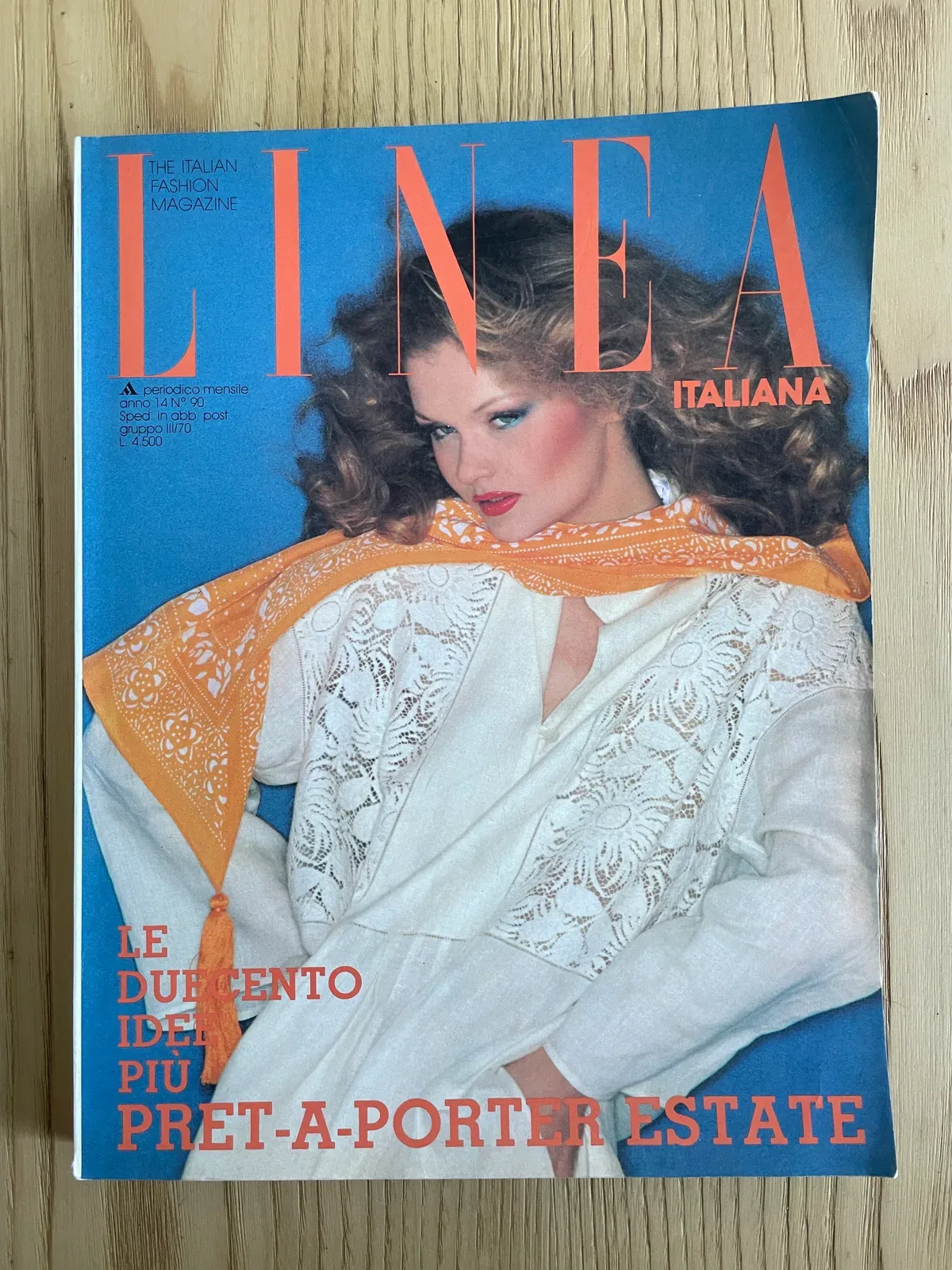
Absolutely. I remember that the first covers that really struck me, when I was still a law student and still thought I would pursue a completely different career, belonged to a magazine called Linea Italiana, which disappeared decades ago. I was truly captivated by it.
What started as your personal collection has grown into an archive of more than 80,000 publications. That’s quite extraordinary. Was there a moment when you realised you had to turn this passion into something bigger?
It happened during the difficult period of the COVID-19 pandemic in 2020. Being isolated in what was then my home library made me realise that I could do something meaningful and different with my passion: create something that placed the archive at its centre, with a range of different services built around it.
I imagine you’ve found magazines in the most unexpected places over the years. What’s the craziest story behind a publication you’ve managed to get your hands on?
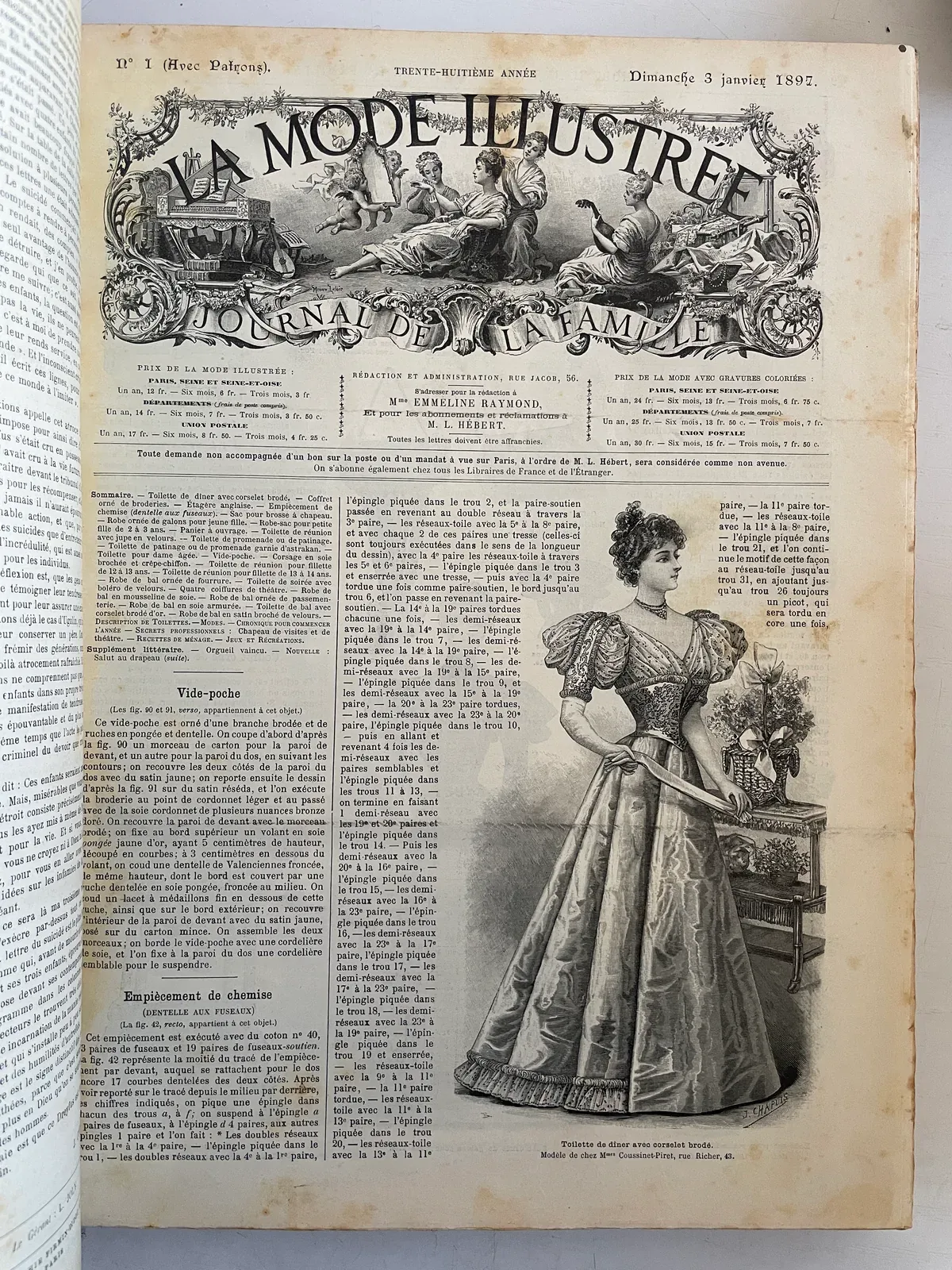
You’re right: the sources are incredibly varied, from flea markets around the world to textile and fashion companies deciding to dispose of their archives, as well as people who contact us with publications they have discovered in their grandmother’s house. Online marketplaces used to be another source, but nowadays their prices are comparable to those of luxury antiquarian bookshops, making them practically useless for professionals like us. Perhaps the acquisition that required the most persistent courtship was the complete run of La Mode Illustrée, spanning more than seventy years, from 1860 to 1937. Convincing its owner to part with the entire collection was a truly laborious process.
“It is precisely this combination of different identities that makes us such an unusual place.”
If we came to visit you tomorrow and you could only show us five publications from the entire archive, which ones would you pick? And what makes each of them so special?
I don’t want to avoid answering your question, but those five pieces would change depending on what the visitor is looking for and interested in. As you know, we have eighty thousand publications, and while some people dream of discovering five rare antiquarian pieces, others are interested in vintage publications. Some collect magazines exclusively, while others focus on catalogues and lookbooks, perhaps from a single decade. With all this in mind, I like to think that I can surprise every visitor by presenting the five publications that are perfect for them, their tastes, and their passions.
Is there one magazine you’d never sell, no matter how much someone offered you?
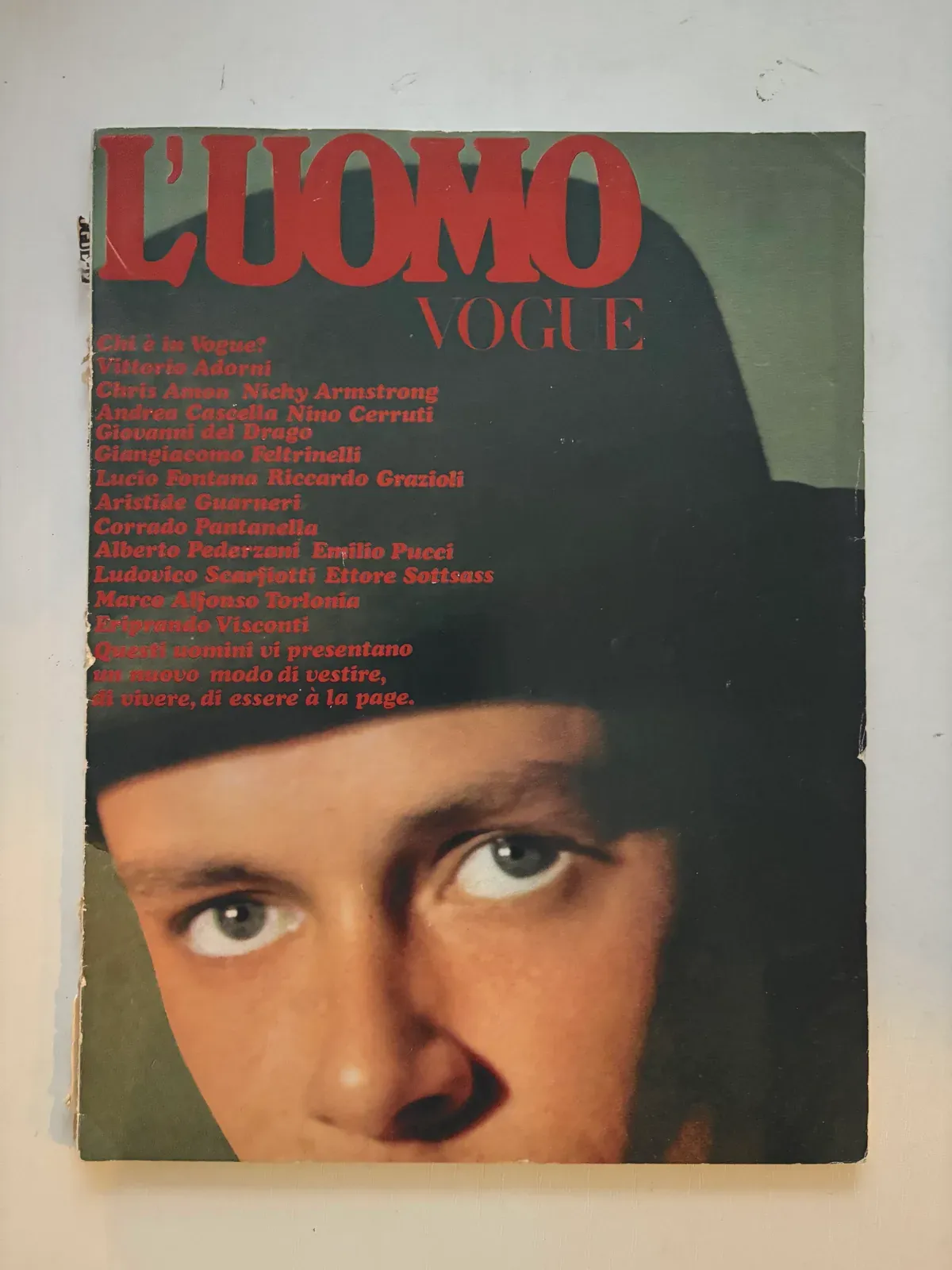
As you mentioned in your opening question, I spent many years at L’Uomo Vogue, first as advertising director and then as publisher. I also worked on other magazines and owned several publications myself, but perhaps my greatest love was always L’Uomo Vogue. During my years there, it was by far the most important and authoritative men’s fashion magazine in the world. So I would say I could never part with the rare first issue of the magazine, published in September 1967.
One of the most fascinating things about your collection is that it contains publications that most of us have probably never even heard of. Are there any forgotten titles that you think deserved much more recognition? Something that, looking back, was perhaps too far ahead of its time?
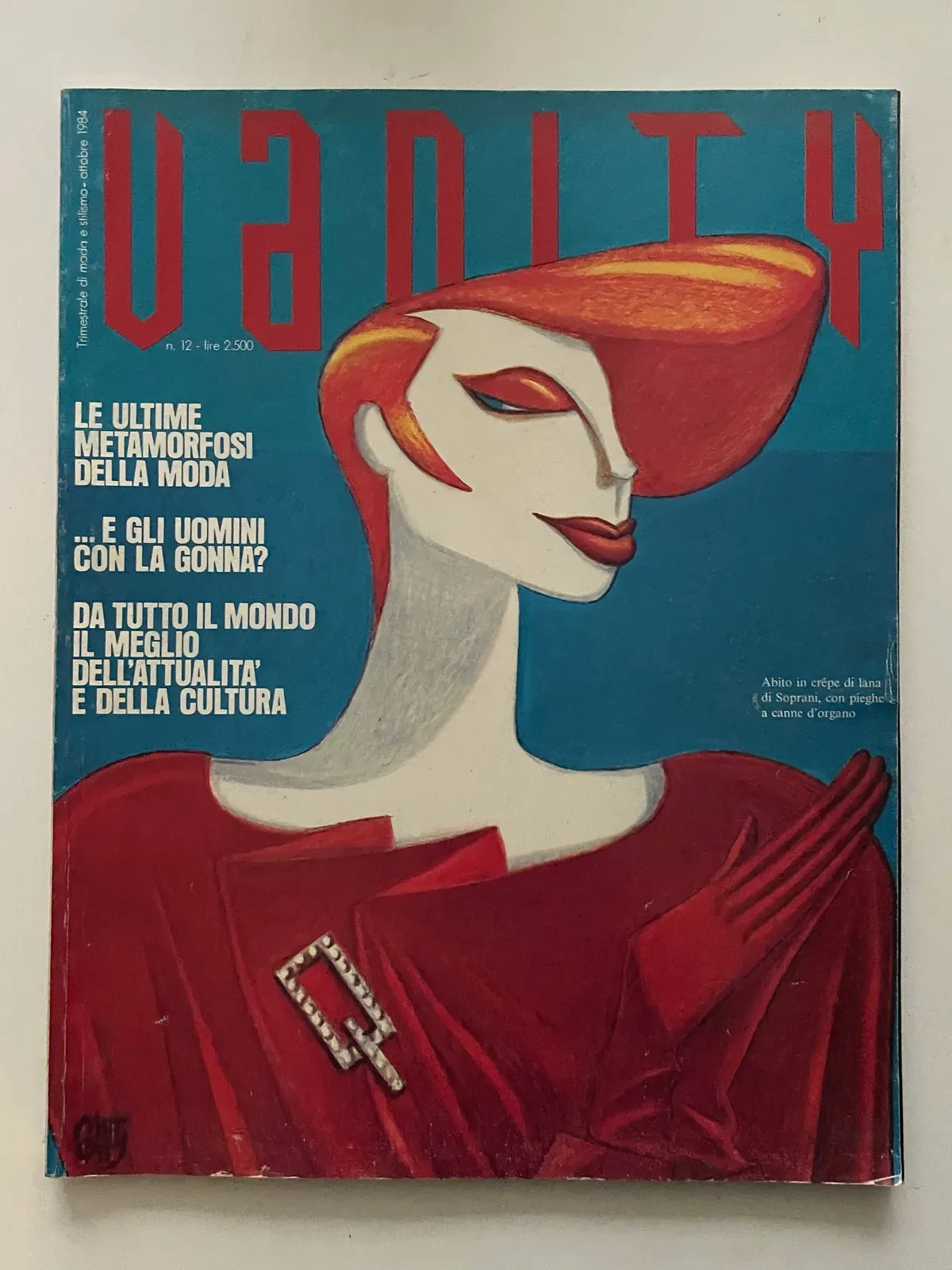
There are certainly dozens of wonderful titles in the Library’s magazine collection that most of our visitors have never had the chance to discover, simply because they ceased publication before Google existed — a tool we mistakenly tend to believe can provide the right answers on every subject. There are so many that it is difficult to single out just one. But, to give you an answer, I would mention Vanity, edited by Anna Piaggi and published from 1982 to 1989, featuring illustrations by Antonio Lopez.
Beyond magazines, you also collect fashion catalogues and lookbooks, some of which are incredibly rare. Is there one that you consider a true masterpiece?
Catalogues and lookbooks are a central part of our collection, with around twenty thousand items. Conceptually, they are all rare because they were printed in significantly smaller quantities than books, and especially magazines. Catalogues were produced in editions of just a few thousand copies for a brand’s top clients, while lookbooks were often limited to a few hundred copies intended exclusively for the press and buyers. I would say my favourites are the Romeo Gigli catalogues and lookbooks from the late 1980s and early 1990s.
People might imagine Milano Fashion Library as an incredible place to spend hours browsing old magazines, but your work goes much further. You help brands with research, reconstruct archives, and find publications that seem almost impossible to track down. What’s the most unusual request you’ve ever received?
It’s true: we are many things at once — part club, part creative workshop, part bookshop, and part library. I think it is precisely this combination of different identities that makes us such an unusual place. The most unconventional request came from one of the world’s major luxury brands, which asked me to act as a “technical expert to the defence counsel” in a particularly sensitive copyright case. For someone who had imagined becoming a librarian, that was certainly an unusual request!
In June, you presented Mario Testino: A Published Story, an exhibition bringing together more than eighty publications documenting his career. When you put so much work by one photographer in the same room, do you start noticing things you might otherwise miss? Did anything surprise you?
What struck me most was Testino’s extraordinary ability to remain true to himself and his artistic vision while simultaneously understanding and enhancing the spirit of every brand he has worked with.
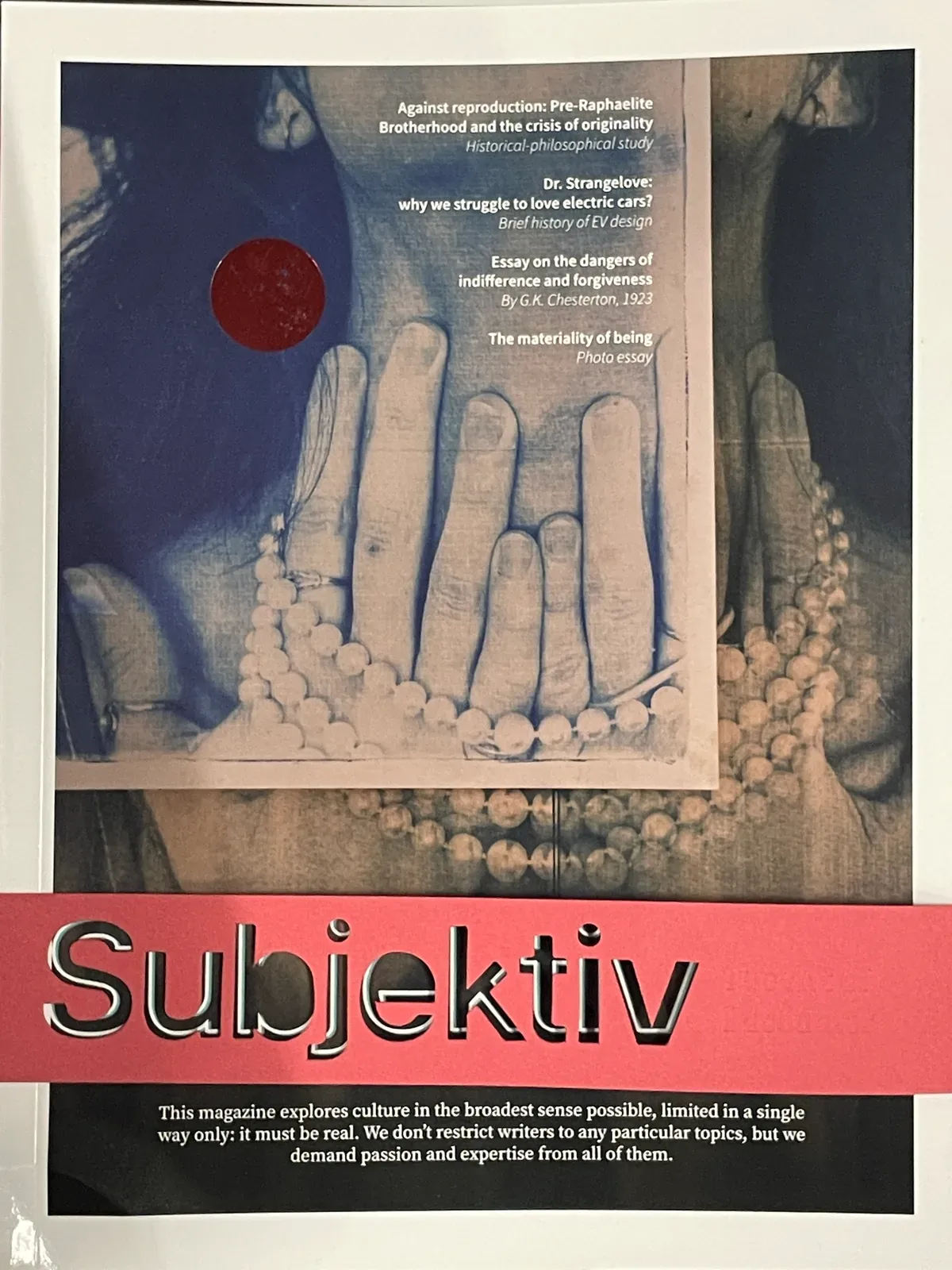
Something else I really appreciate is that you don’t just look backwards. You’re constantly discovering and introducing new publications, including independent titles like Subjektiv. What makes you stop and pay attention to a new magazine these days?
Our guiding principle when selecting publications from the past, the present, and the future has always been the same: to make everything interesting and inspiring available to industry professionals and enthusiasts, especially material they would struggle to find elsewhere because of the challenges of print distribution and the overcrowding of the online world. This approach is particularly important to us when it comes to contemporary publications. Whether we are deciding what to acquire for the library or what to promote in the bookshop, our mantra is: very interesting and very hard to find.
You’ve seen fashion publishing change enormously over the decades. If you could go back and experience one particular era again, which would it be? And do you think we’re living through an equally interesting moment now, even if the industry looks completely different?
The main challenge facing publishers today is economic. Many people tell us every day that there is less creativity than there used to be. I believe there are simply fewer resources available to express it fully. But to answer your question, I would say that what we witnessed over the twenty years from the mid-1980s to the early 2000s will be very difficult to replicate.
“Having a clear understanding of your target audience and knowing how to engage it is something many publishers often lose sight of.”
There’s something quite revealing about the fact that major fashion houses come to your archive looking for inspiration for their future collections. After seeing so much of fashion’s visual history, do you ever feel that we’re repeating ourselves?
Today, more than thirty-five design teams from major Italian and international brands are affiliated with the Library and regularly seek inspiration in our spaces. In many cases, they travel to us from France, Germany, and the United States. We see how they work and how they ask us to assist them, and sometimes even guide them, in their research. I can say that each team’s creativity is so different and independent that there is no real possibility of simply repeating or standardising ideas, even when the starting point may be similar.
At METAL, we’re passionate about print. We publish two issues a year, and we’re currently celebrating our 20th anniversary, which feels particularly meaningful at a time when the future of magazines is constantly being questioned. From your perspective, what separates the publications that manage to build a lasting identity from those that eventually disappear? And what advice would you give us if we want to be celebrating another twenty years?
You are a perfect example of what makes the difference. You have maintained a clear and consistent editorial direction for a readership you know well and have precisely identified, catering to its passions, interests, and curiosities. Having a clear understanding of your target audience and knowing how to engage it is something many publishers often lose sight of.
If you were invited to give a one-hour masterclass to a new generation of editors and creatives dreaming of making their own magazine, what would you want them to understand about print today?
First of all, we would want to understand whether they have a truly clear mission for their editorial project. Then we would ask whom they want to reach, how many copies they intend to print, where they plan to distribute them, and how they intend to communicate with their audience. We see a great deal of confusion among many start-ups. Finally, we would share our perspective on the role print can still play in positioning the brands it features, whether editorially or through advertising.
One last thing I’m curious about. Imagine someone who’s grown up with Instagram, TikTok, and endless digital content, and has never bought a magazine in their life. Which publication from your collection would you put in their hands to show them what they’ve been missing?
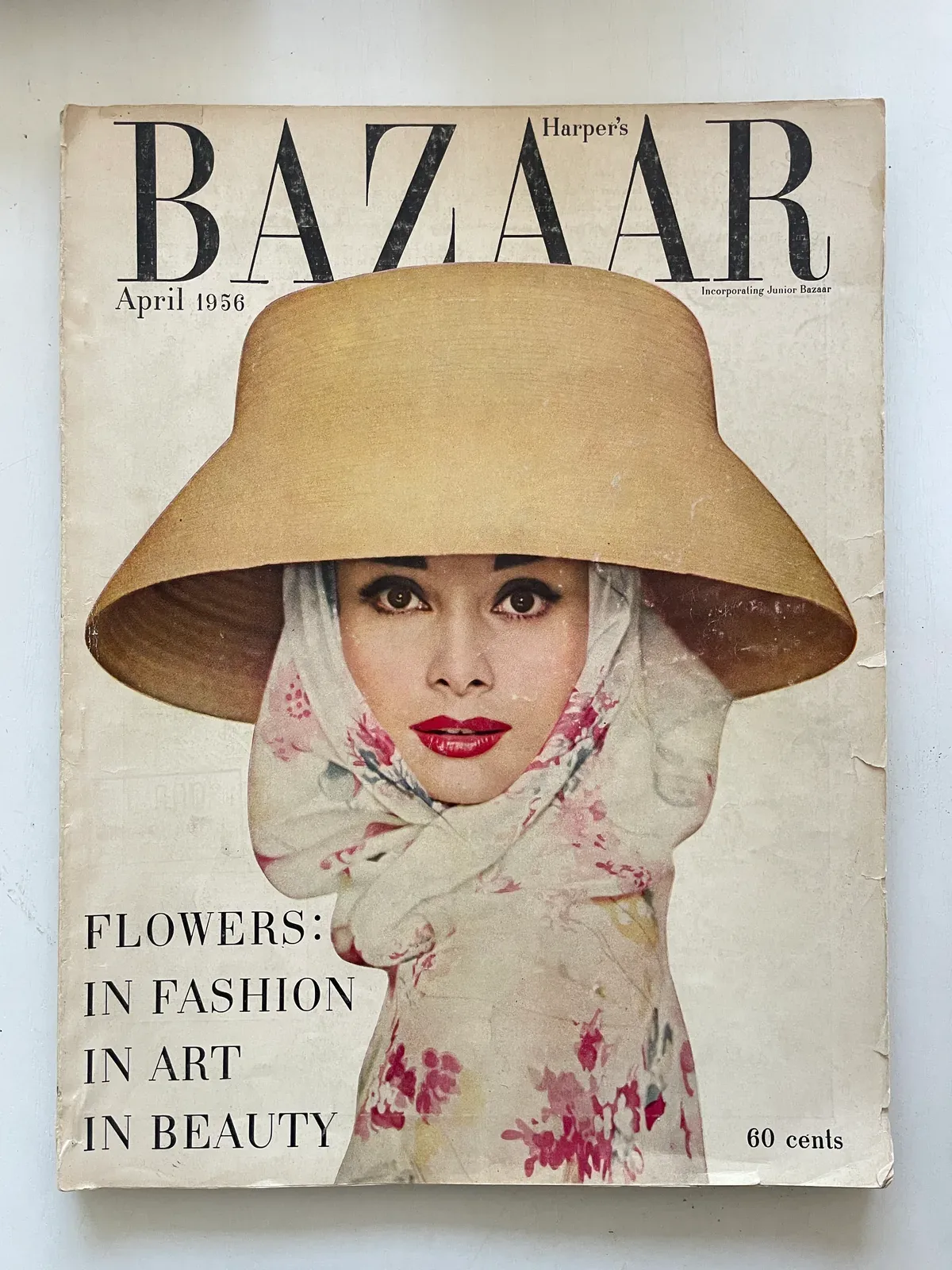
Perhaps the landmark Flowers issue of the American edition of Harper’s Bazaar, published in April 1956, featuring Audrey Hepburn on the cover, photographed by Richard Avedon. An absolute work of art.