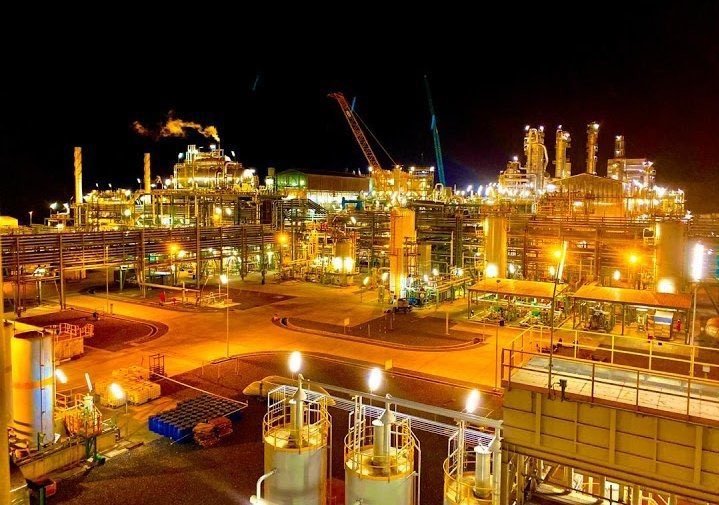
The fertiliser proposal concerns a manufacturing venture in Gode, southeastern Ethiopia, designed to produce three million tonnes of urea annually.
A local listing would create a potential route for investors to participate in that Ethiopian business. However, no share price, offer timetable or final transaction structure has been disclosed.
It is also unclear whether the proposed offering would involve newly issued shares, a sale by existing owners or a combination of both. That will determine whether proceeds fund the business or go to selling shareholders.
According to Ethiopian Business Review’s reporting from the roadshow, Dangote said the group intends to sell at least 10% of the Ethiopian fertiliser business through the exchange.
An industrial venture with Ethiopian state ownership
The fertiliser project is being developed with Ethiopian Investment Holdings, the government’s strategic investment arm.
Under the shareholders’ agreement signed in August 2025, Dangote Group holds 60%, while Ethiopian Investment Holdings holds 40%.
The original agreement covered the development, construction and operation of the urea complex, together with associated infrastructure. It included a pipeline intended to carry natural gas from a processing facility serving the Calub and Hilala gas fields.
The partnership was initially announced with a $2.5 billion project estimate. Subsequent plans expanded the investment scope to include additional energy and pipeline infrastructure.
The new development is the proposed stock-market participation—not the creation of the fertiliser venture itself.
From gas resources to agricultural supply
Urea is a nitrogen fertiliser used to support crop growth. Natural gas is an important input in its conventional production, making reliable gas supply central to the Gode project.
For Ethiopia, the commercial opportunity is to process domestic resources into a product needed by its agricultural sector, while potentially supplying neighbouring markets.
Ethiopian Investment Holdings says the venture is intended to reduce reliance on imported fertiliser and strengthen regional supply. Those benefits depend on the plant reaching production and operating competitively; planned capacity is not current output.
The proposal would also bring a substantial industrial business into a young capital market, offering an alternative to raising all its funding through banks, government partners or overseas investors.
Separate from the refinery offer
The refinery arrangement uses Ethiopian depository receipts to represent shares held in Nigeria. The fertiliser proposal concerns an Ethiopian operating venture and would require its own structure and approvals.
Prospective investors will need a formal announcement detailing the shares on offer, eligibility requirements, the intended use of proceeds and the expected start of trading.