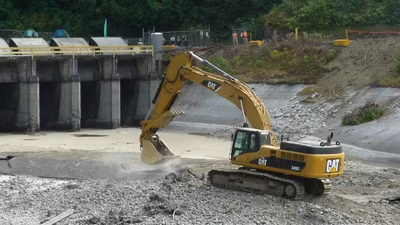
After conducting a 22-year experiment in the eastern Amazon region, scientists concluded that the rainforest can adapt to long-term drought only after massive tree loss and a reduction in biomass of more than a third. Scientists reduced the amount of rainfall to half in a one-hectare rainforest plot and continued the experiment for over two decades.
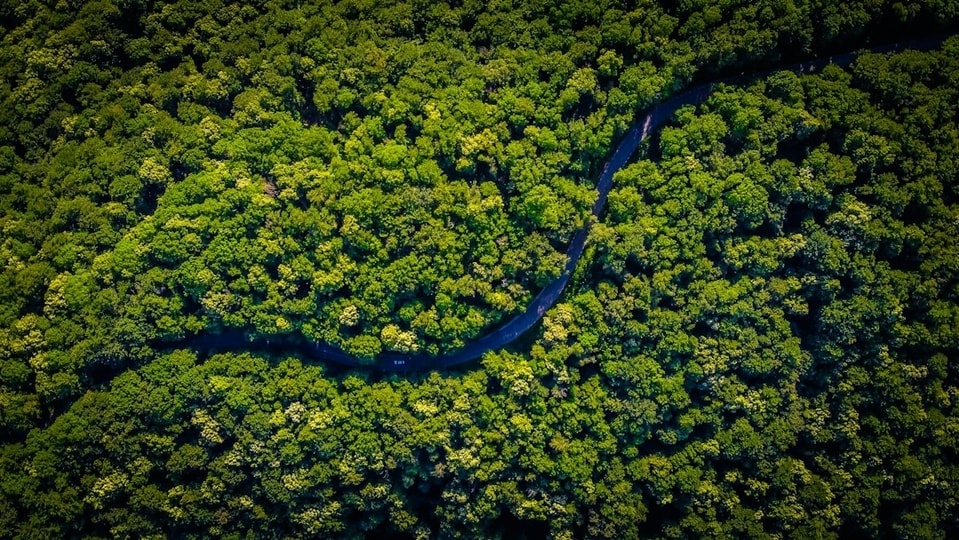
The results stem from the study titled Amazon rainforest adjusts to long-term experimental drought, published in Nature Ecology & Evolution in 2025. This study involved the Caxiuanã throughfall exclusion experiment in the northern Brazilian state of Pará, which used transparent plastic sheets placed on the forest to redirect almost half of the falling rainwater into drainage channels. The drainage kept the rainwater away from the experimental area, thus causing constant soil drought. The comparative forest plot, which was not subjected to the rainfall exclusion treatment, was located less than 50 meters from the experimental plot. The area usually receives 2,000 to 2,500 mm of rain per year, and its seasons are characterized by a dry period.
What happened when the forest became drier
The experiment started in January 2002 and was carried out on one hectare of seasonal rainforest. The biggest biomass losses happened in the first 15 years. Between 2002 and 2016, the drought-exposed forest lost about 85 megagrams of carbon per hectare in aboveground biomass, which constituted a 34% reduction from the initial biomass, which was equal to 248 megagrams of carbon per hectare. Biomass loss occurred primarily because of the disproportionate mortality of the biggest trees in the upper canopy and emergent layers of the forest.
The biomass was not being reduced anymore with the same intensity. In 2017–2023, the level of biomass was almost constant and amounted to about 164 megagrams of carbon per hectare. The researchers found that the loss of large trees reduced competition for water. Fewer trees used scarce resources; thus, they were available for the trees that survived.
Researchers confirmed this by measuring the leaf water potential, sap flow, and water content in the woody tissues. The results showed that the surviving trees were no more exposed to hydraulic stress than the trees in the control forest were. The forest appears to have reached a more stable water-balance state.
This change entailed some ecological price. In comparison to an intact rainforest, there were fewer mature trees as well as less woody biomass in the experimental plot. This means that the study reports on the forest that was able to survive through long droughts but at a different stage and with less ability for carbon storage.
Long-term droughts and their wider impacts
According to the researchers at the University of Edinburgh who participated in the research, the results indicate that certain regions of the Amazon are able to survive long-term droughts. But this may mean a reduction in the number of its largest trees. Although surviving trees could continue growing and taking up carbon, the overall biomass in the plot remained almost constant, and the forest did not regain the biomass it had lost.
The researchers emphasized that this experiment tested only one effect of low water availability in the soil. Other changes, such as variations in moisture and temperature in the atmosphere, as well as drought accompanied by storms and fires that can happen due to climate change in the Amazon, are not included in the experiment. Thus, the level of biomass lost in the forest and the time taken for stabilization might vary under real circumstances.
This experiment involved testing one plot subjected to drought, as opposed to replicating the plots and carrying out the experiment on multiple plots in different forest areas. The reason why the forest entered into a more stable state during prolonged drought was the death of large trees, which allowed the surviving ones to get enough water for their functioning. This mechanism prevented further decrease in biomass yet reduced the amount of carbon stored.