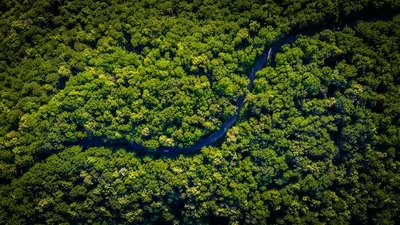
For 22 years, scientists cut rainfall by half in an Amazon forest plot; large trees died, and the area lost 34% of its biomass
After conducting a 22-year experiment in the eastern Amazon region, scientists concluded that the rainforest can adapt to long-term drought only after massive tree loss and a reduction in biomass of more than a third. Scientists reduced the amount of rainfall to half in a one-hectare rainforest plot and continued the experiment for over two…