A credit rating cut may be on the way.
By Adria Cimino –
Key Points
-
S&P Global Ratings has put Nvidia’s credit rating under review for a possible downgrade.
-
The concern is about management and governance, and it adds to a growing list of worries.
As the leading maker of the graphics processing units (GPUs) that power artificial intelligence (AI), Nvidia (NVDA +0.80%) has been the star of the AI boom. The chip giant has seen its revenue and market value soar, and it’s one of the most closely watched stocks on the planet.
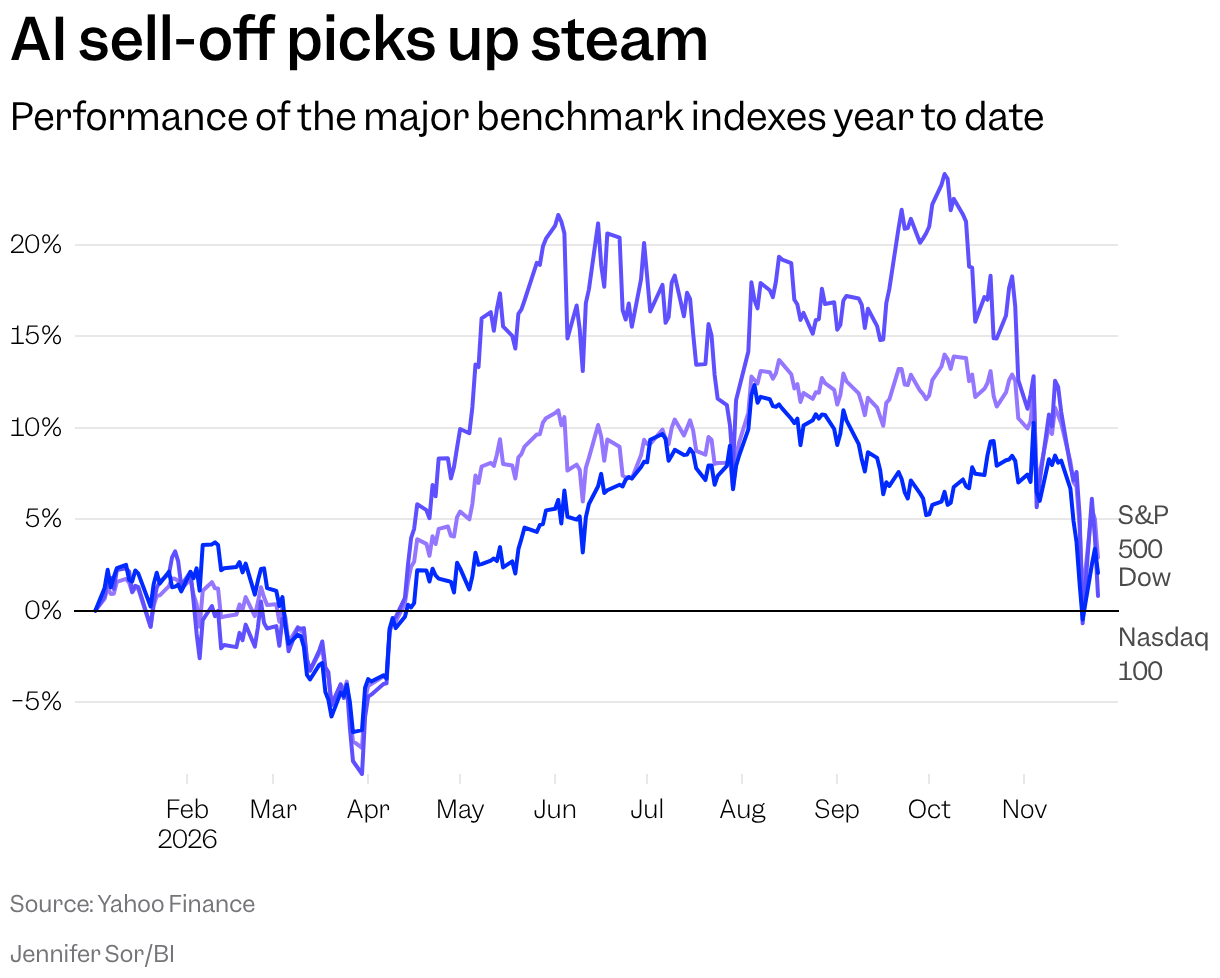
Lately, though, the company has faced one challenge after another, weighing on its stock performance and the performance of tech stocks in general. Since the start of the year, investors have worried about whether today’s enormous AI infrastructure spending can be sustained. Then, earlier this month, came allegations about Nvidia chief Jensen Huang’s personal life, including a reported affair with a woman the U.S. government has investigated for spying on behalf of China. That raised national security concerns and the prospect of increased government scrutiny of the company.
Now there’s another risk to add to the list: S&P Global Ratings says it may lower Nvidia’s credit rating. Let’s look at what that means for investors.
Image source: Nvidia.
The engine of AI
First, a quick recap. Nvidia built its lead by recognizing early that GPUs could be the engine of AI, and today its data center business accounts for the vast majority of its revenue. Its chips are the starting point for much of what happens in AI: Cloud providers buy them to build data centers, then rent computing power to AI developers. Nvidia has even become an important source of financing for companies across the AI world.
Jensen Huang, the co-founder who has long been the face of this strategy, left the company following the affair allegations, but Nvidia’s board reinstated him less than two weeks later. The back-and-forth rattled both stocks and bonds, because Huang is seen as crucial not only to Nvidia but also to the wider AI build-out.
NVDA Nvidia
$150.49+$1.19 (+0.80%)
NASDAQ · As of 1:15 PM ET 11/27/26
What S&P is worried about
This week, S&P placed Nvidia’s AA credit rating, the third-highest level, on “CreditWatch” with negative implications. That means the agency will review the situation, and a downgrade is a possibility. S&P said any cut would likely be limited to one notch, to AA-minus, unless the company’s business prospects are harmed.
Credit ratings are useful because they tell lenders and bond investors how likely a company is to repay its debts. A lower grade signals a bit more risk, and lenders often respond by demanding higher interest. Bond prices can also fall.
However, S&P didn’t point to Nvidia’s finances and instead pointed to governance. The credit rating agency said recent events exposed weaknesses in the company’s management and the structure and effectiveness of its board. It also cited questions about potential export control violations. S&P spoke of Nvidia’s heavy reliance on Huang, sometimes called “key man risk” as another vulnerability. Moody’s rating agency recently lowered its outlook on Nvidia to stable from positive for similar reasons.
What it means for shareholders
Now, let’s take a look at what this means for shareholders. Even after a one-notch cut, Nvidia would still hold a very high-quality rating. This isn’t a sign that the company is struggling to pay its bills, and Nvidia isn’t short on cash.
But there are reasons to pay attention. A downgrade could lift Nvidia’s borrowing costs at a time when access to capital is key for AI players. And because the tech giant helps finance so many of its customers, any hint of increased risk could weigh on many other stocks.
For shareholders, the bigger issue may be what a downgrade would signal. Rating agencies are essentially saying the company’s leadership structure and oversight need attention. That can add to volatility, increase scrutiny from regulators and lawmakers, and prompt investors to worry about the next piece of bad news.
So what should investors do? Nvidia’s technology leadership and the demand for its products haven’t gone away. But the risks have clearly multiplied, and it’s worth watching how the board responds, how S&P’s review plays out, and whether worries about AI spending grow. For investors, it’s time to stay informed and focus on the long-term picture.
Where to invest $1,000 right now
When our analyst team has a stock tip, it can pay to listen. After all, Stock Advisor’s total average return is 792%* — a market-crushing outperformance compared to 202% for the S&P 500.
They just revealed what they believe are the 10 best stocks for investors to buy right now, available when you join Stock Advisor.
*Stock Advisor returns as of November 28, 2026.