2026 was a huge year for new tech across the entire spectrum. We went hands-on with everything from TVs to laptops, and phones to power stations, to get to the bottom of what lives up to the hype, and what isn’t worth your hard-earned money. From our diligent lab testing to everyday usability, we narrowed down seven products that stood out the most.
Also: The 8 best early Black Friday iPad deals live now
We divided our reviews into seven categories: Computing, Mobile, Wearables, Headphones, Smart Home, Home Entertainment, and Software and Services, and looked at the top-rated products in each category. We then voted on which product was the best, considering features, hardware, innovation, and value. After some discussion (and several hot takes), we settled on one winner with a few runners-up in each category. Here are ZDNET’s best products from 2026.
ZDNET’s best laptop of 2026:
Apple MacBook Neo
 ZDNET
The best laptop of 2026 is not the most powerful, nor is it the flashiest. Apple’s MacBook Neo launched at $599 and is earns our best laptop of the year for its impact in the budget computing market. With a solid build, excellent display and trackpad for the price, and Apple’s latest version of MacOS with the same iPhone integrations as a MacBook Pro, it not only showed what was possible at this price point, but was a wake-up call for budget Windows PCs in the same price range.
See our runners-up: ZDNET’s best laptops of 2026
The MacBook Neo launched with the A18 Pro, an iPhone processor, and modest RAM and memory configurations, keeping prices low with a few other smart trade-offs (no keyboard backlighting, limited ports). But the result is both a fierce competitor to budget Windows laptops and an accessible entry point to Apple’s ecosystem, courting consumers who previously would have been unable to access the Pro-level MacBooks for two, three, or four times the price.
– Reviewed by Kyle Kucharski
ZDNET’s best smartphone of 2026:
Samsung Galaxy Z Fold 8
 ZDNET
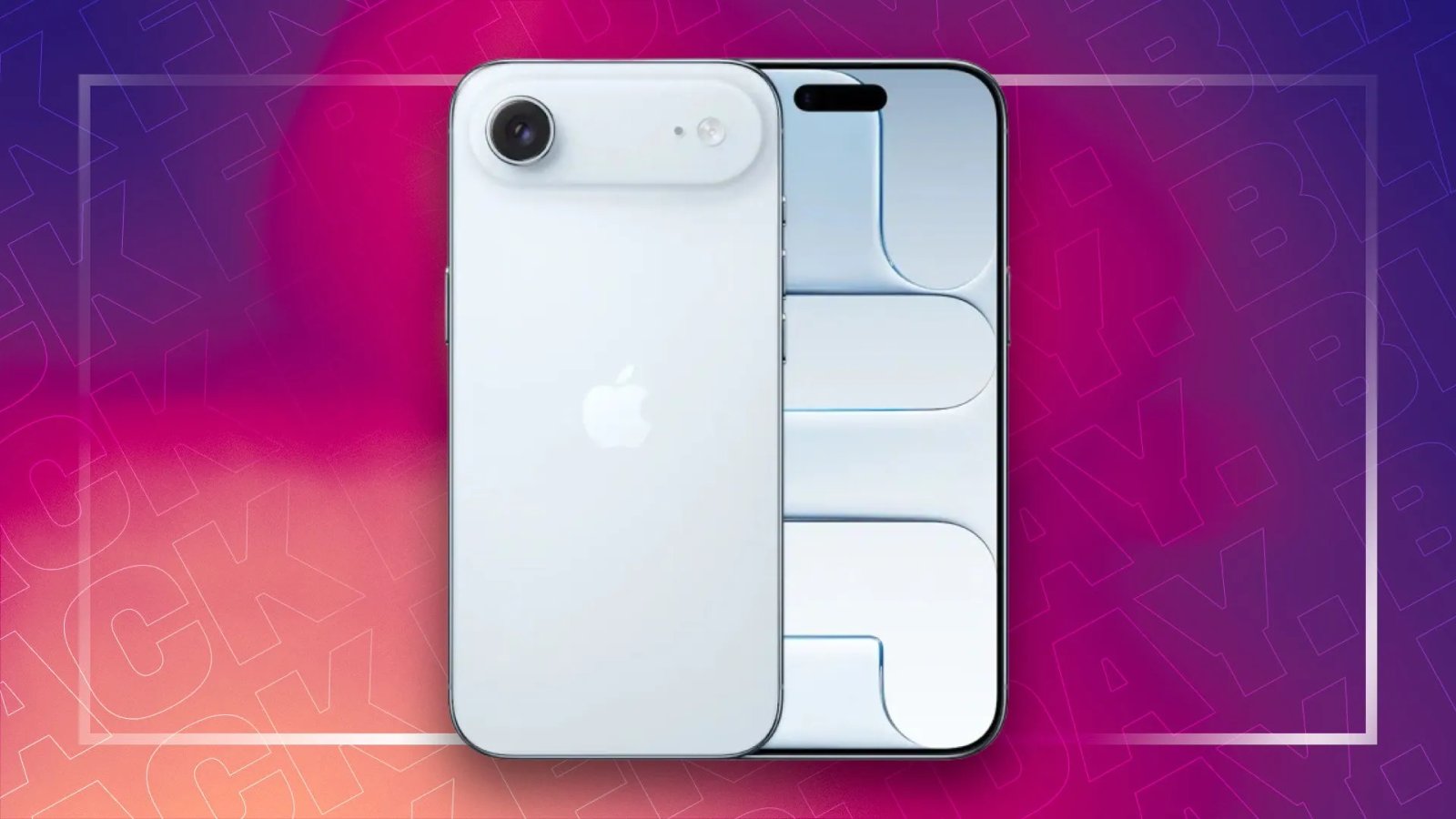
Samsung’s all-new form factor debuted right before Apple’s first foldable, the iPhone Duo. It may not have the same wow factor, but the Galaxy Z Fold 8 has a charming, practical design that outweighs all its weaknesses. The compact, BlackBerry-esque phone unfolds into a mini tablet, with aspect ratios that feel more natural than its taller Fold 8 Ultra sibling. It’s not the first time we’ve seen a shorter, wider folding phone, but this is indeed the first time it appeals to a wider audience.
See our runners-up: ZDNET’s best smartphones of 2026
Its true uniqueness lies in its versatility. It unfolds into a 7.6-inch mini tablet with a 4:3 aspect ratio, which is more natural for everyday tasks than traditional book-style foldables’ square 8-inch screens. I open the Fold 8 when I want to watch video content, and everything from YouTube videos to movies on Netflix just looks better than other tall folding phones.
– Reviewed by Kerry Wan
ZDNET’s best wearable of 2026:
Apple Watch Series 12
 ZDNET
The Apple Watch Series 12 launched in Sept. 2026 with one of the most advanced health sensors in the game (I know, because I put it to the test), boosting the accuracy of the heart-rate tracking technology under the hood.
The device gets a new S11 chip, which makes it faster, adds Audio Intelligence features (some controversial, some helpful), and increases the frequency of heart rate and heart rate variability measurements. With these quicker measurements, Apple Watch users can uncover new metrics, like Recovery HRV Average, Daytime Vitals (on top of the Vitals app that monitors breathing rate, wrist temperature, resting heart rate, and HRV overnight), and their Health Age. These advancements prove the Apple Watch has come a long way from its step-tracking origins.
See our runners-up: ZDNET’s best wearables of 2026
With 24 hours of battery life, the Apple Watch Series 12 can last for a full day of phone-free communication, exercise, and sleep tracking. It’s one of the most premium smartwatches you can buy.
– Reviewed by Nina Raemont
ZDNET’s best headphones of 2026:
Beats 360
 ZDNET
The Beats 360 earned their spot as ZDNET’s pick for best headphones of the year, thanks to their unique take on earpad modularity, innovative audio engineering, sweat- and water-resistance, and native compatibility with Apple and Android. Beats created a pair of modular headphones that change functionality when you switch their earpads: the Performance Knit cushions are sweat-wicking and suited for exercise, while the UltraPlush cushions provide a comfortable, casual, and immersive listening experience.
See our runner-up: ZDNET’s best headphones of 2026
Since I got the Beats 360, I’ve retired my AirPods Pro 3 at the gym. Upgraded GymKit functionality in iOS 27 allows me to track cardio workouts from my iPhone, and I don’t have to worry about the 360 slipping off my head; I just don’t need my AirPods anymore. The Beats 360 include the Performance Knit cushions with purchase, and a pair of UltraPlush cushions is $50. That’ll bring your total to $400, but you’re getting two headphones in one.
– Reviewed by Jada Jones
ZDNET’s best smart home device of 2026:
EcoFlow Delta Pro Ultra X
 ZDNET
I’ve tested multiple power stations as home backup batteries, but EcoFlow powers the best system I’ve used: the Delta Pro Ultra X (DPUX) and Smart Home Panel 3 (SHP 3). To say that this system is an upgrade over others is a downright understatement. EcoFlow pulled out all the stops with the SHP 3, starting by increasing the circuit count from 12 to 32, and can replace your existing panel by working as a gateway for energy monitoring and home backup management.
See our runner-up: ZDNET’s best smart home devices of 2026
After a recent power outage, the Delta Pro Ultra X ran my entire 3,000-square-foot house as if the grid had never gone down. Compared to the older DPU, the DPUX works as a home battery system, a backup generator, and a smart energy manager. The DPUX has a scalable power output of 12kW-36kW, a capacity of 12kWh-180kWh, and solar input of up to 10kW. This capability means the DPUX can run everything in your home at once, including large loads like your HVAC and EV charger, and keep your home running for days — not hours.
– Reviewed by Maria Diaz
ZDNET’s best home entertainment device of 2026:
Amazon Kindle Paperwhite (2026)
 ZDNET
The 2026 Amazon Kindle Paperwhite is a slick, premium e-reader with a pleasingly understated design and crisp black-and-white display. It’s the Kindle for anyone who prefers a slightly larger font size and doesn’t need the added color display. Amazon added design improvements and quality-of-life upgrades to the 2026 Paperwhite, making it both a premium and understated e-reader. The 16GB or 32GB of storage makes it a worthy investment for users who have long lists of books to read and who use multiple platforms to acquire them.
See our runners-up: ZDNET’s best home entertainment devices of 2026
It’s probably the best-looking Kindle I’ve ever used, and as a step up from Amazon’s entry-level Kindle, an ideal choice for any e-reader power user. When it comes to the battery, its quite good. Amazon rates a single charge as lasting up to 12 weeks. I’d estimate that number accounts for the front light being off for most of that time. Still, based on my two-week test with an hour or two of use per day, it should last multiple weeks on a charge.
I’d also highly recommend a case, which not only protects the device but also adds some personality to its sleek aesthetic.
– Reviewed by Kyle Kucharski
ZDNET’s best software product of 2026:
Malwarebytes
 ZDNET
Having a reliable antivirus program is important, and in our testing, few do the job better than Malwarebytes. For over two months, I used the Malwarebytes Ultimate plan as my primary security suite. It was remarkably quick to identify and block threats, often stepping in before I even realized something was wrong. Never before have I felt so confident browsing the internet.
See our runners-up: ZDNET’s best software and services of 2026
It works quietly in the background, using minimal CPU resources and blocking threats before they became problems. In several instances, malware slipped past the protections built into my browser and provided by my ISP, only to be stopped by the software. When I checked Malwarebytes’ history report, I found a long list of blocked threats, including riskware, Trojans, and phishing attempts I didn’t even know had occurred. Prices for Malwarebytes Premium start at $60 annually for the Standard plan, while the Plus plan is $80 per year.
– Reviewed by Cesar Cadenas

See full bio