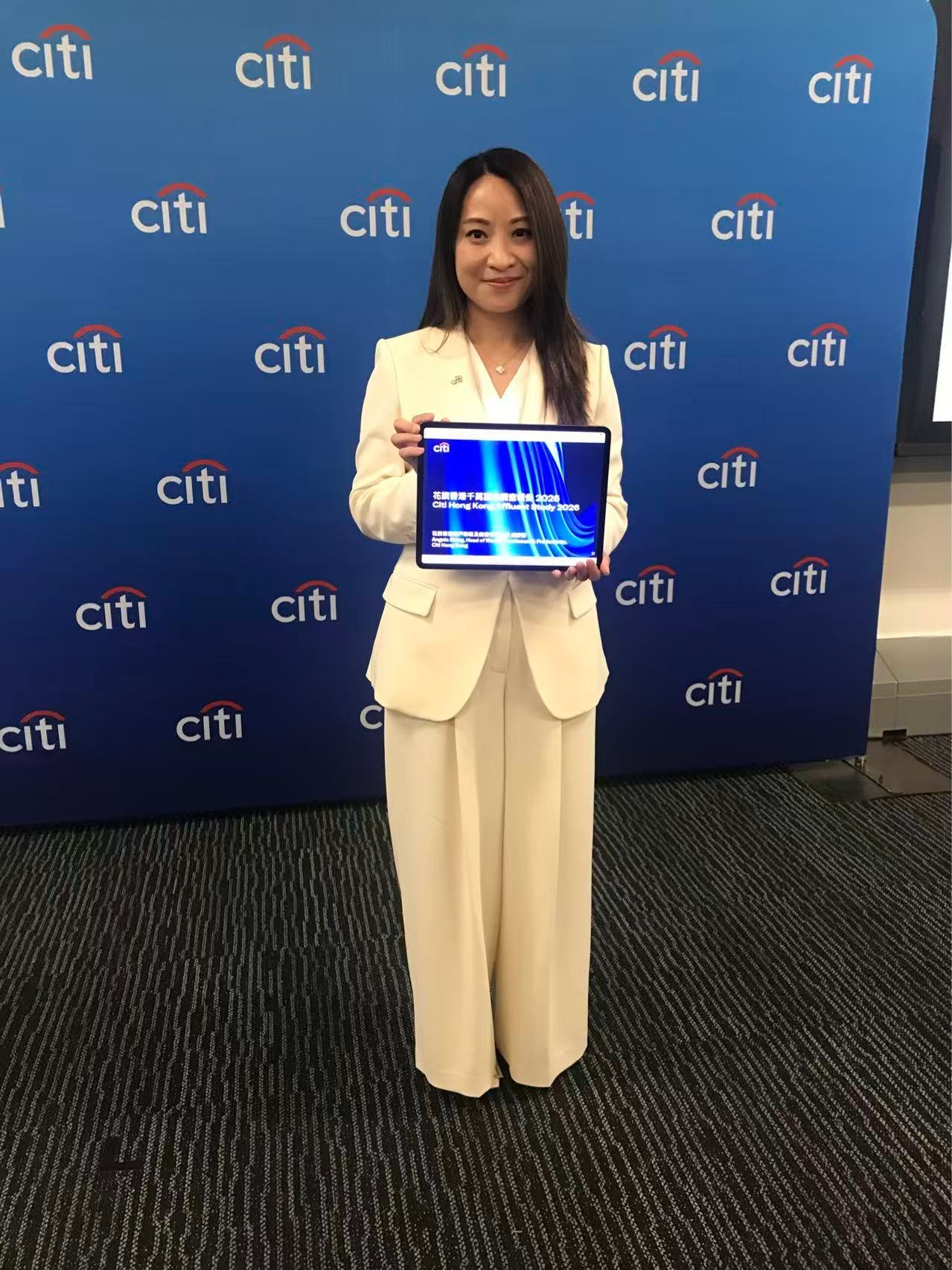
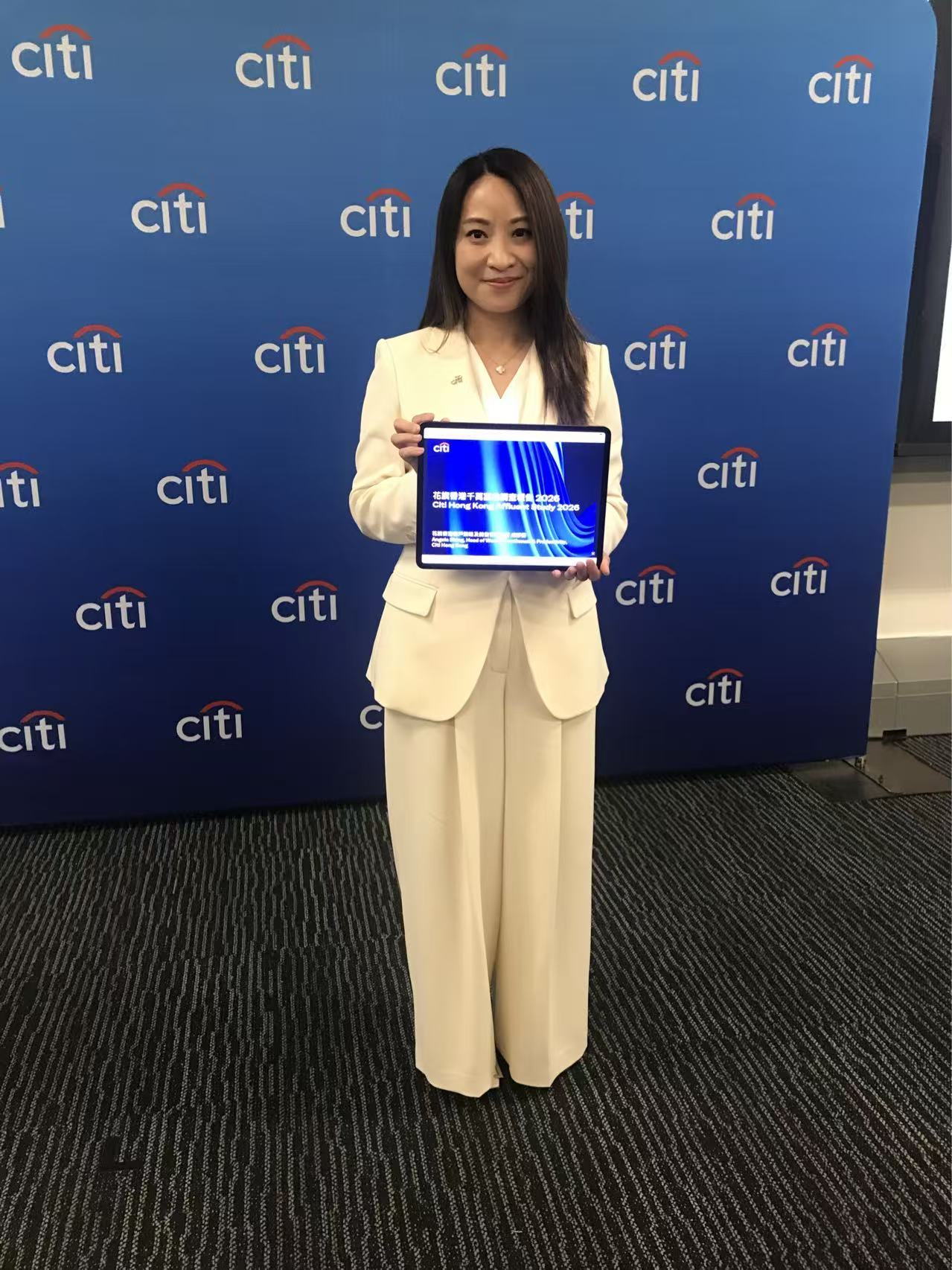
One in every 13 Hong Kong residents aged between 21 to 79 now holds over HK$10 million ($1.28 million) in total net assets and at least HK$1 million in liquid assets, according to the Citi Hong Kong Affluent Study 2026.
The survey has interviewed 2,600 Hong Kong residents aged between 21 to 79 through face-to-face interviews and online questionnaires.
The survey said found that the number of multimillionaires population (holding over HK$10 million in total net assets and at least HK$1 million in liquid assets) has had risen to 412,000 at mid-2026, accounting for eight percent of the corresponding population. The multimillionaire population has risen 5,000 from 2025.
ALSO READ: Survey: HK SMEs more upbeat on Q4 outlook despite global concerns
The median total net assets of multimillionaires is HK$20 million while their median liquid assets is HK$10 million, according to the survey. They allocate 51 percent of the total net assets to properties and 49 percent to liquid assets. Nearly half of liquid holdings are allocated to investment products such as stocks, bonds, funds and alternative investments.
The survey highlighted the strong association between portfolio diversification and faster wealth accumulation, as diversified investors can accumulate HK$10 million in liquid assets from HK$1 million in an average of 13 years, seven years faster than deposit-focus investors and three years ahead than stock-focus investors, respectively.
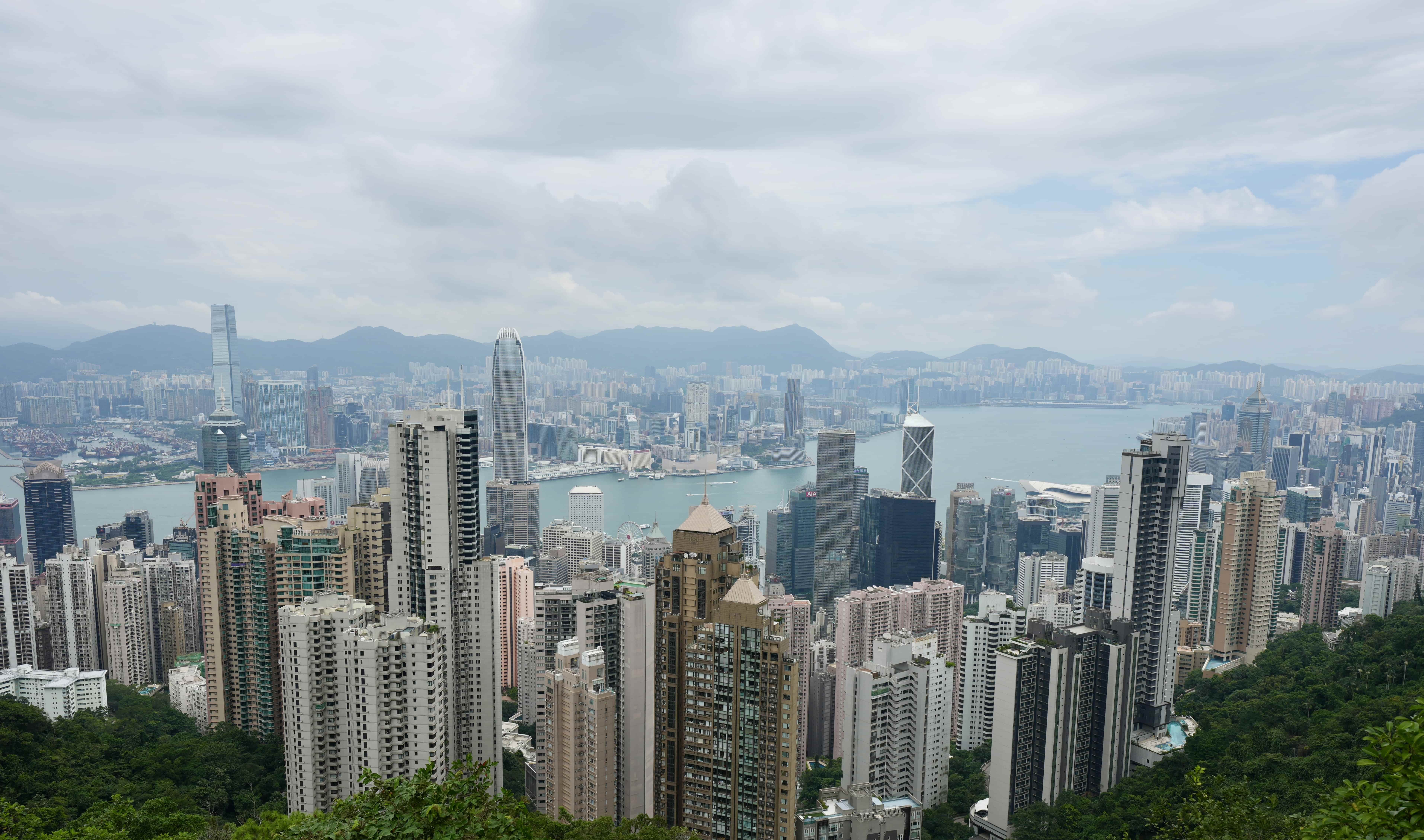
“The number of multimillionaires has grown by approximately two times compared to 16 years ago when the bank first initiated the survey in 2010, reflecting the resilience and flexibility of Hong Kong as a global financial city and wealth management hub,” said Angela Shing, head of Wealth Continuum and Productivity at Citi Hong Kong.
READ MORE: Survey: Nearly 90% of HK investors plan to keep or raise investments
Garvin Yuen, director and head of Investment Advisory at Citi Hong Kong, added: “High-net-worth clients have huge demand for alternative investments — particularly during periods of market uncertainty — allocating to assets such as hedge funds, private equity, multi-asset funds or gold can reduce correlation with the broader market and lower the overall volatility of the investment portfolio. This year, the assets under management (AUM) of alternative investment funds invested by our clients has jumped 50 percent year-on-year.”
As the survey indicated that the multimillionaires invest 51 percent of their total net assets in properties, Yuen said that the bank expects Hong Kong home prices and rent levels can rise six percent in 2027 supported by resilient demand for housing.
READ MORE: Survey: Over 64% of firms in HK, mainland deploy AI in production
When asked whether the multimillionaires will retrench their investments in global technology stocks due to recent market corrections, Yuen said: “The recent stock market pullback was primarily driven by market concerns regarding a slowdown in artificial intelligence-related investment, as well as potential government restrictions on data center investments following the midterm elections in the United States. We expect the persistent supply-demand imbalance across the chip supply chain, the better-than-expected third-quarter AI company earnings, and rising demand for cybersecurity services will support the AI industry fundamentals to remain unchanged”
However, even the long-term fundamentals of the AI industry remain intact, maintaining a diversified investment portfolio can help balance out short-term market volatility, Yuen added.
He said that Hong Kong residents with median liquid assets of HK$50 million have cultivated a more diversified investment portfolio with higher allocation to investment funds as they can access to a broader range of investment products.