QUEBEC – Harvard-led researchers have studied cell phone bans in elementary and high schools and say they are giving the policy a good grade.
The large-scale study in classrooms across the United States found implementing rules forcing students to put phones away throughout the school day, reverses some learning losses. This improvement points to some of the benefits of policies in place in provinces across Canada, including Quebec.
The study looked at a 10-year period starting in 2013, when student test scores began to tumble. That year also coincides with the rapid rise of students using smartphones. Harvard’s Center for Education Policy Research noted that Grade 8 math and reading achievements fell by roughly one grade equivalent and that students lost two to three weeks of learning every year.
The study analyzed test scores of 3.3 million students at 4,600 U.S. schools and found bans that cut access to cell phones during the school day reversed roughly half of the learning losses. In other words, students that put their phones in pouches on school grounds added an equivalent of one or two weeks of learning over a full year.
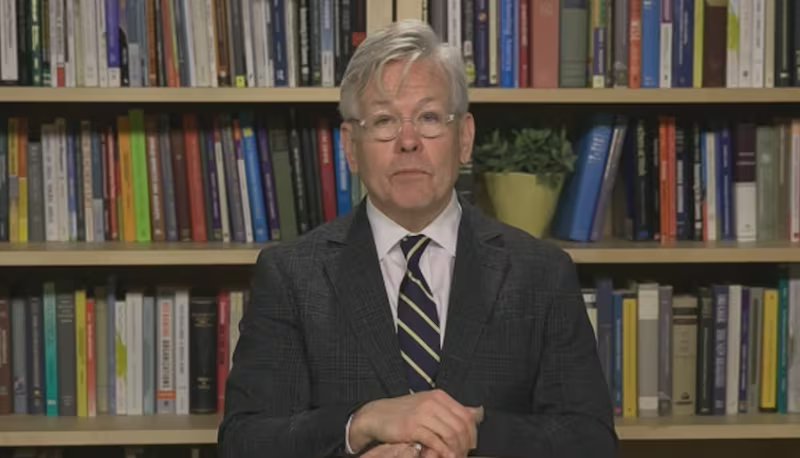
“These kinds of strict cell phone bans, by putting them out of reach, greatly reduce distractions,” said Tom Kane, Harvard faculty director.
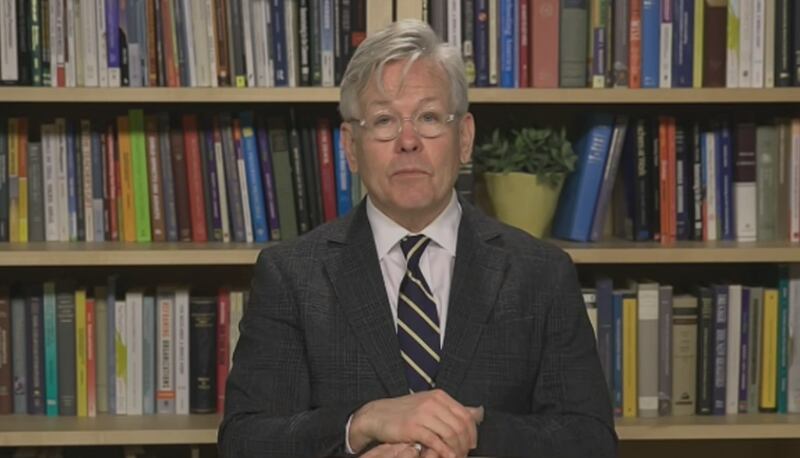
Kane says the impact is modest but that the benefits add up over time. The study also concluded the positive effects were consistent across schools and student demographics. Kane also says early evidence shows that the “bell-to-bell” cellphone bans also improved student achievement.
Breaking students’ phone addiction
In Quebec, this is the second school year with a full cell phone ban in place in elementary and high schools. Many teachers have noted changes in learning and behaviour in their classrooms.
Adam Wiltzer teaches math and science at Royal West Academy in Montreal West. He noted a significant drop in the quality of his students’ work in the first two years after the pandemic. He says while his students take formal assessments seriously, they had a tendency to tune out of other class activities.
“The cell phone was the easiest source of distraction, that had the widest breadth of distraction,” he said.
He also says the biggest difference with the cell phone bans plays out in the cafeteria.

“Our ban extends to lunch and recess,” he said. “Prior to the ban, the cafeteria was silent, everyone was staring at their phone. The cafeteria is loud again because people are talking to each other again.”
He says students are re-learning to talk to each other and that extends to the classroom for team projects. Students that have struggled with the skills to interact and work together are now less hesitant and growing more comfortable.
“I really feel we have done some pretty good work at breaking an addiction. We are not there yet, because when it’s 3 p.m. and the bell rings, everyone immediately goes to get their phone. It’s unfortunate and I don’t necessarily know what to do about that,” said Wiltzer.
Kane says he hopes that the Harvard study showing some positive improvements will lead schools to continue with strict cell phone bans and that more studies will be done on smartphone and social media use outside the classroom.
“We are 13 years in on this and we don’t have strong evidence (of) the impact on students,” he said.
He adds it is key to have strong data to paint a full picture of how hanging up on cell phones in and out of the classroom could help.