It’s the 2001 release that changed everything, and set a blueprint that GTA 6 still follows

Published: 17 Nov 2026
There’s simply no way to convey what GTA III felt like when it came out. Imagine being a cave dweller and dropping meat into the fire for the first time, and then tasting it. Imagine your first ride in a horseless carriage, after walking everywhere all your life. You’re still not even close to the feeling.
Alright, you’re a bit close. But this was the kind of game you heard wild stories about for weeks before you got to try it. Anyone who had played it would babble at you about the cop chases they’d survived and the rockets they’d fired into crowds.
Advertisement – Page continues below
About how you can just drive around, and go anywhere. If you went purely by the games press and your mates, you’d have thought Rockstar Games had made a 1:1 replica of life itself and fit it onto a PS2 disc.
What the studio had in fact done was bring the concept of a 3D open world to the masses. There had been open worlds before, in titles dating back as far as 1984’s Elite, but its monochrome wireframe graphics and complicated space-trading menus were far away from GTA III’s city streets. And frankly Frontier’s fastidious sci-fi game was never going to get playground tongues wagging like this rampage-sim where you get to be a leather jacket-wearing gangster.
You play Claude, a mute protagonist who nonetheless seems to have no problem holding full conversations with myriad crime bosses, small time thugs, corrupt officials and unscrupulous ‘used car’ dealers around Liberty City, a location established by DMA’s 1997 original but brought to life as a New York analogy by the PS2’s advanced graphics capabilities.
It’s foggy, bustling, and uncaring. Neighbourhoods have distinct characters and appearances. More than anything before it, this felt like a living, breathing city in 2001.
Advertisement – Page continues below
Taking its cues again from the original, Rockstar used the radio stations to breathe even more life into Liberty City. Where before there were just a few demo tracks, suddenly here were full broadcasts with idents, advertisements and jingles. Here was Lazlow, the insufferable DJ who’d become a series mainstay, and his equally grating colleagues on other stations.
This was the first time GTA really found its voice
This was the first time GTA really found its voice, as a pastiche of the modern world and all its vices. Hyperconsumerist ads bleat at you from your car’s sound system, overtly telling you that this Bush-era America wants to keep you dumb and afraid.
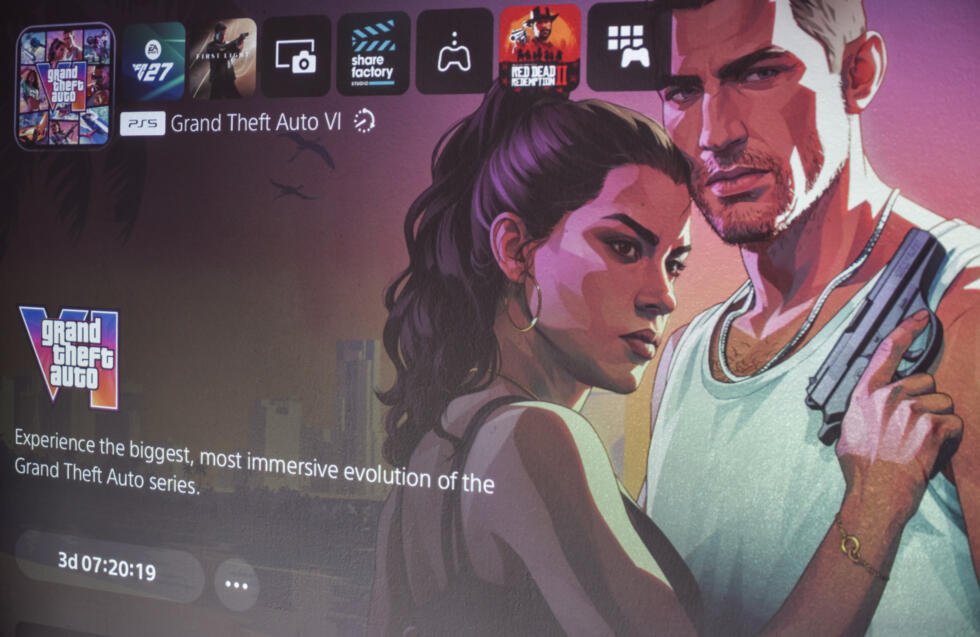
You’ll see GTA 6 pick up many of these threads, from its own social media platforms to a sophisticated radio network, all of it poking fun at the real world around us and ramping up its worst elements to caricature-like levels.
Get all the latest news, reviews and exclusives, direct to your inbox.
Its missions, in truth, are often fiddly and sometimes far more difficult than seems reasonable or intentional. Still, it’s a massive step forwards from its 1999 predecessor for having voiced characters, cutscenes, and plotlines that play out onscreen instead of in your head.
This was also the game that pioneered the car ride exposition that all subsequent GTAs would use to such great effect, along with countless imitators. You and your accomplice/boss/buddy get into a car, and while you’re driving to the next objective marker you actually converse, filling in details about the job and the people involved. Without that simple, massively impactful idea, you’d have been on a lot of very dull drives in awkward silences by now.
Controversy is always part of a Grand Theft Auto release’s entourage, and that was just as true of this game as anything before or after it. Mowing down little civilians again, but in 3D? Unthinkable.
The tabloids, talk shows and even the games press bristled at its less tasteful elements, like the massacres, engaging with sex workers, and rewarding the player for committing crimes. Not all of this was new – it was the newfound fidelity it was all depicted in which drew moral outrage.
And as the series continued, it would only get worse…