Power outages can be difficult to weather any time of year, but not having a working heater when temperatures are frigid can be hard on you and your home. When there’s a winter storm in the forecast, there’s no time to lose. If you start preparing for inclement weather now, even before there’s a whisper about bad weather, and you’ll be in better shape should blizzards, nor’easters, or bomb cyclones head your way.
1. Stock up on batteries.
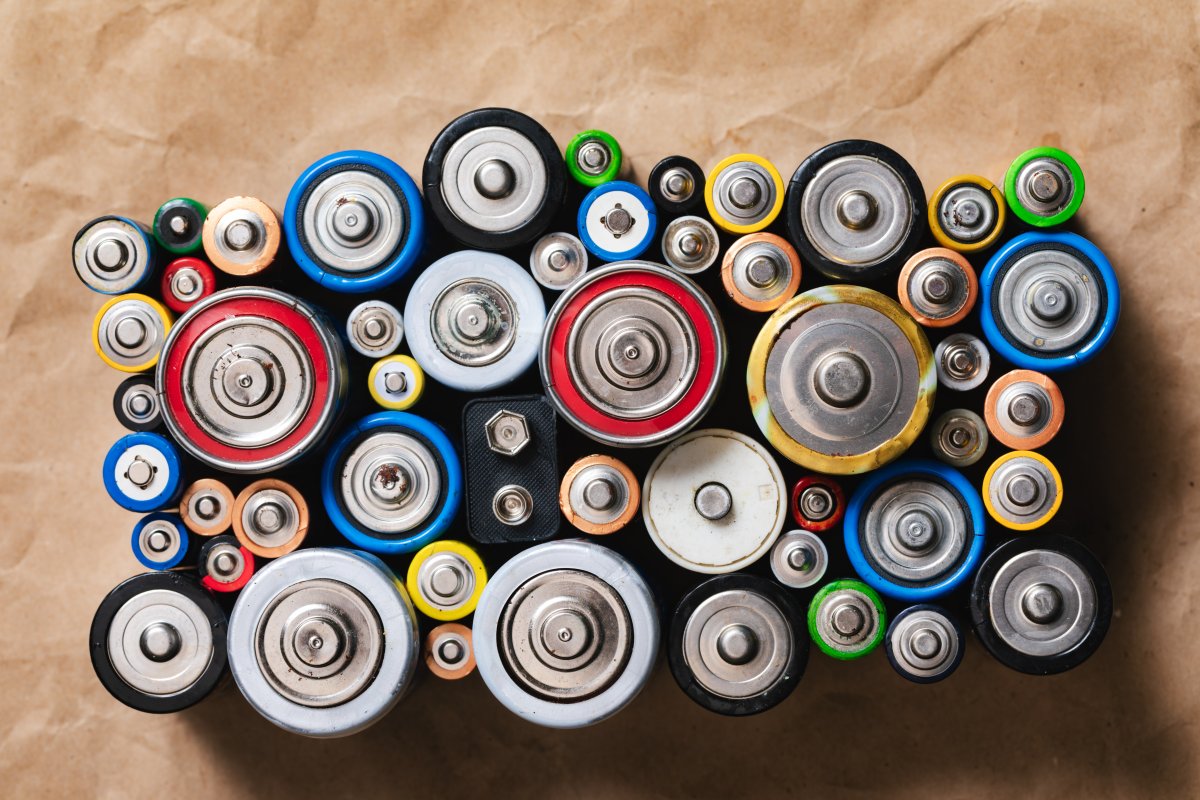
Make sure you have a good supply of batteries (and if they’re rechargeable batteries, ensure that they’re fully charged!) in a range of sizes for all your emergency needs. Have spares ready for flashlights and radios as well as for smoke detectors, clocks, and other necessities that can run on battery backup.
2. Make sure your flashlights work.

How many times have you clicked on several flashlights in your junk drawer before finding one that actually works? Carefully test each of your flashlights and figure out which ones work and which don’t. Refresh the batteries and test them again, ditching the flashlights that still don’t work. Purchase additional flashlights if you need them (can you really have too many?). Make sure there’s a “good” light for each member of the family, at the very least. Don’t plan on using candles; flashlights are safer.
3. Fill up your cars’ gas tanks.

Always top off your cars’ fuel tanks when you’re expecting a big storm. Gas station pumps run on electricity and if the power goes out, you won’t be able to get gasoline. If you have a gas-powered portable generator, fill some gas cans, too, so you can keep the generator going.
4. Make sure you have a car charger for your phone.
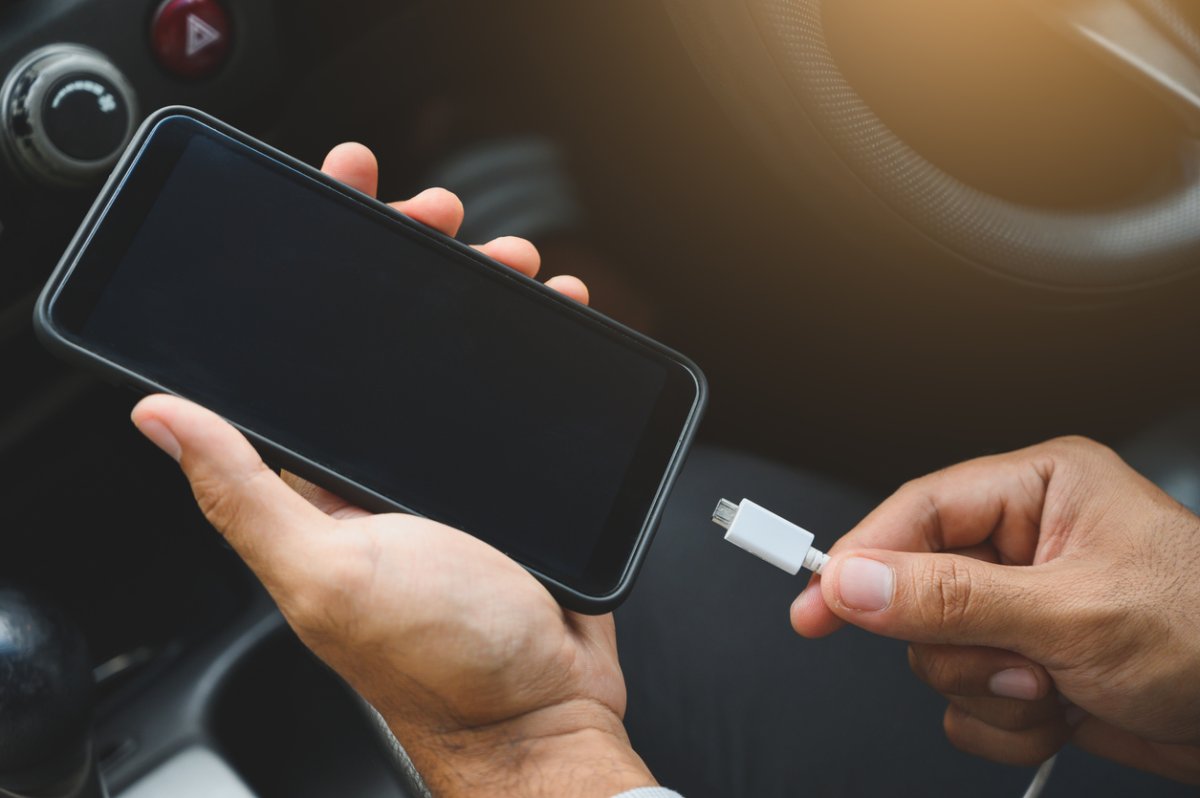
A key component of a winter survival kit is a means of charging your mobile phone in your car, whether that’s a car charger for your phone or the right cord to connect auto to phone. With a full gas tank and a car charger, you’ll be able to keep your phone working even if you lose power for an extended period of time. You may also want to invest in a solar phone charger, which would allow you to charge your phone without sitting in your driveway.
5. Keep a landline phone plugged in.

If you have landline telephone service, it’s worth keeping an old corded landline phone around. Modern phones that plug into wall outlets will not work during a power outage, and having access to a usable landline will help you conserve your cell phone battery.
6. Have a Plan B for staying warm.
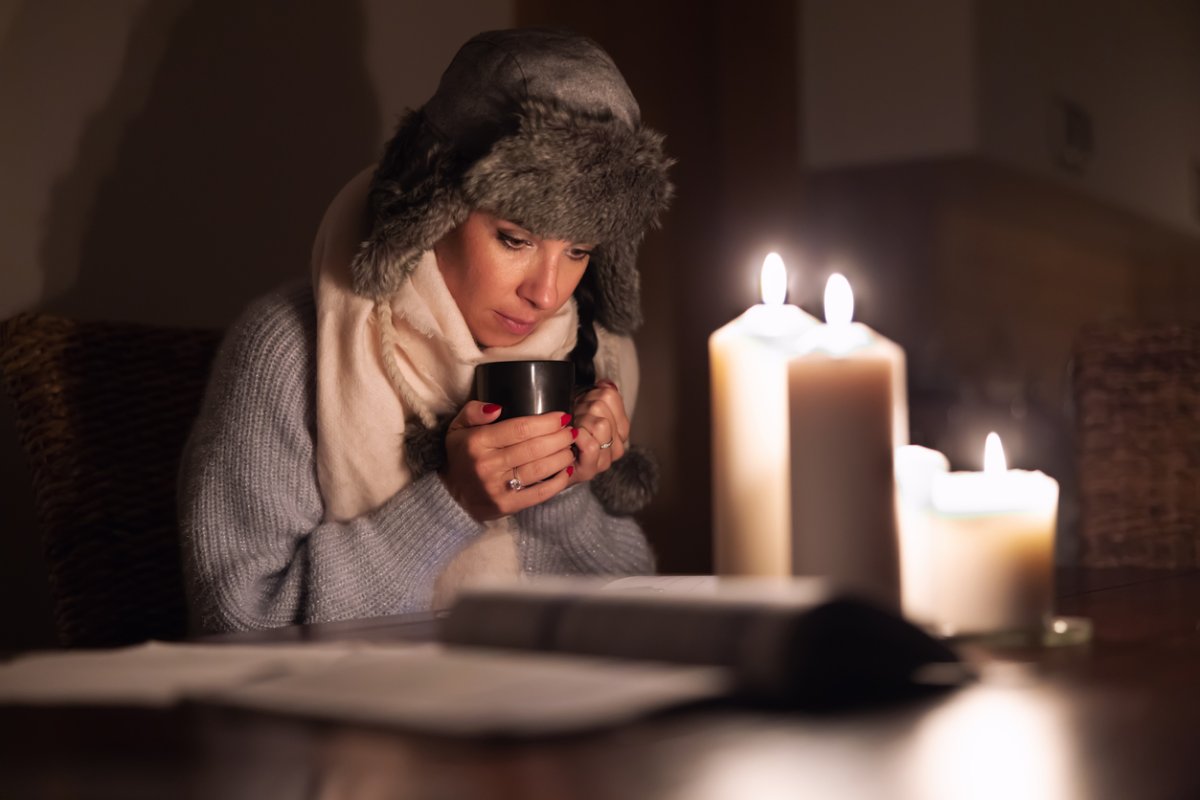
If the power goes out during winter, how will you keep warm? Devise a plan now, before you’re in that situation. Even a gas-powered furnace requires electricity to run the fan that sends warm air through the vents. If you have a gas fireplace, consider installing a battery backup for the starter if you don’t already have one. If you rely on a wood stove for heat, stock up on firewood. Do not use a propane heater inside the home unless it is one specifically designed for indoor use; carbon monoxide can build up and create a deadly hazard.
7. Stock up on potable water.
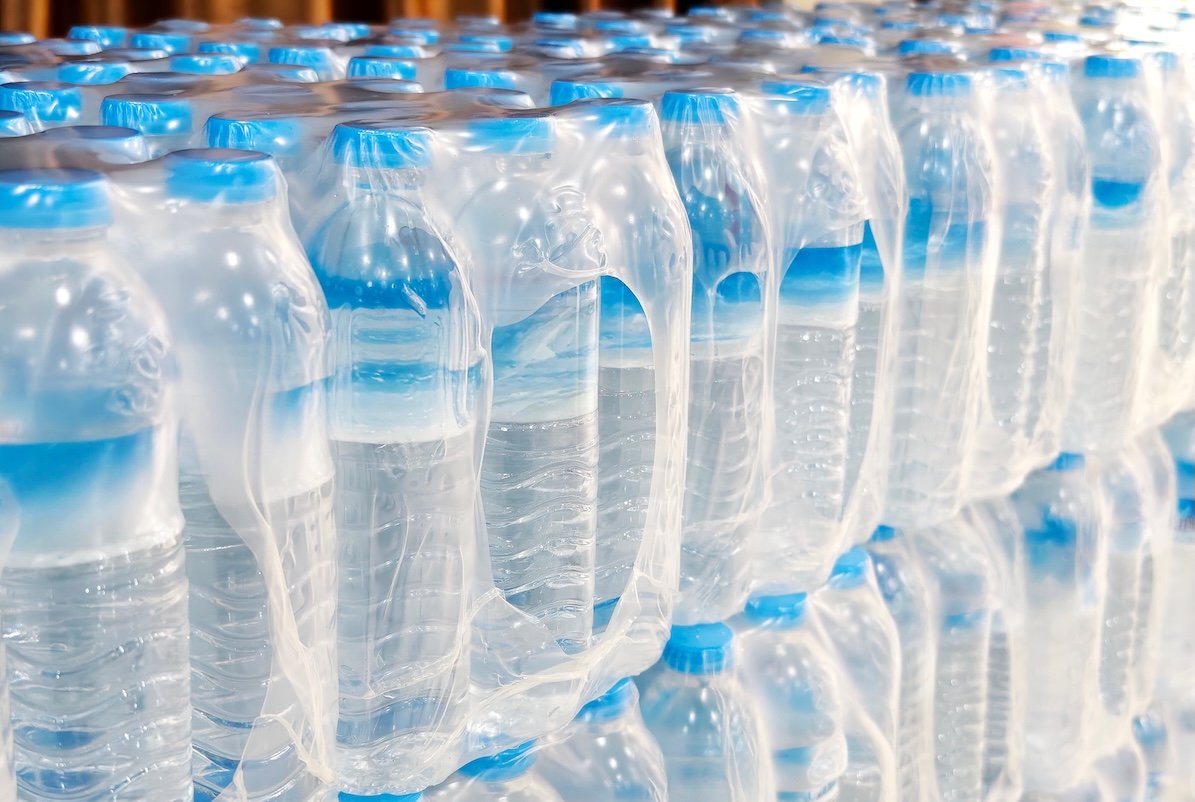
When a heavy storm is in the forecast, stock up on drinking water, and fill up the bathtub and washing machine so you’ll have enough water for washing and for flushing the toilets. The PennState extension service says Americans use 50 to 100 gallons of water per person per day, but that kind of stockpile may be hard to achieve in an emergency situation. You will want to have on hand at least a gallon of potable water per person per day.
If your home relies on municipal water, your water taps will keep flowing in the event of a power outage. But homes on well water aren’t so lucky—well pumps won’t work without electricity.
8. Plot alternate methods for preparing meals.

How will you cook if you lose electricity? If you have gas appliances, you should be able to light the pilot light with a match if you lose power. But if you have an electric stovetop and oven, you won’t be able to use your stove. You can, however, use a propane grill or an open fire to cook outdoors. If that’s your plan, refill the propane tank, or buy a cord of wood. And whatever your appliance situation, make sure you have a manual can opener.
9. Turn the temperature down in your refrigerator.

Lowering the temperature of your refrigerator and freezer before the storm hits will help them stay cooler longer if the power goes out, thus increasing the likelihood that your food will be safe to eat after the power outage. Consider moving perishables like milk and meat into the freezer so they’ll stay colder. To conserve the cold air inside, avoid opening the refrigerator doors more than you absolutely have to.
10. Fill your pantry with nonperishable foods.

If a winter power outage lasts more than a few days, you may run out of fresh food (or a means to prepare food). For this reason, it’s a good idea to keep plenty of nonperishable foods with long shelf lives like nut butters, canned fruit and juices, granola bars, and crackers on hand to keep yourself nourished.
11. Stash a battery-powered emergency radio.
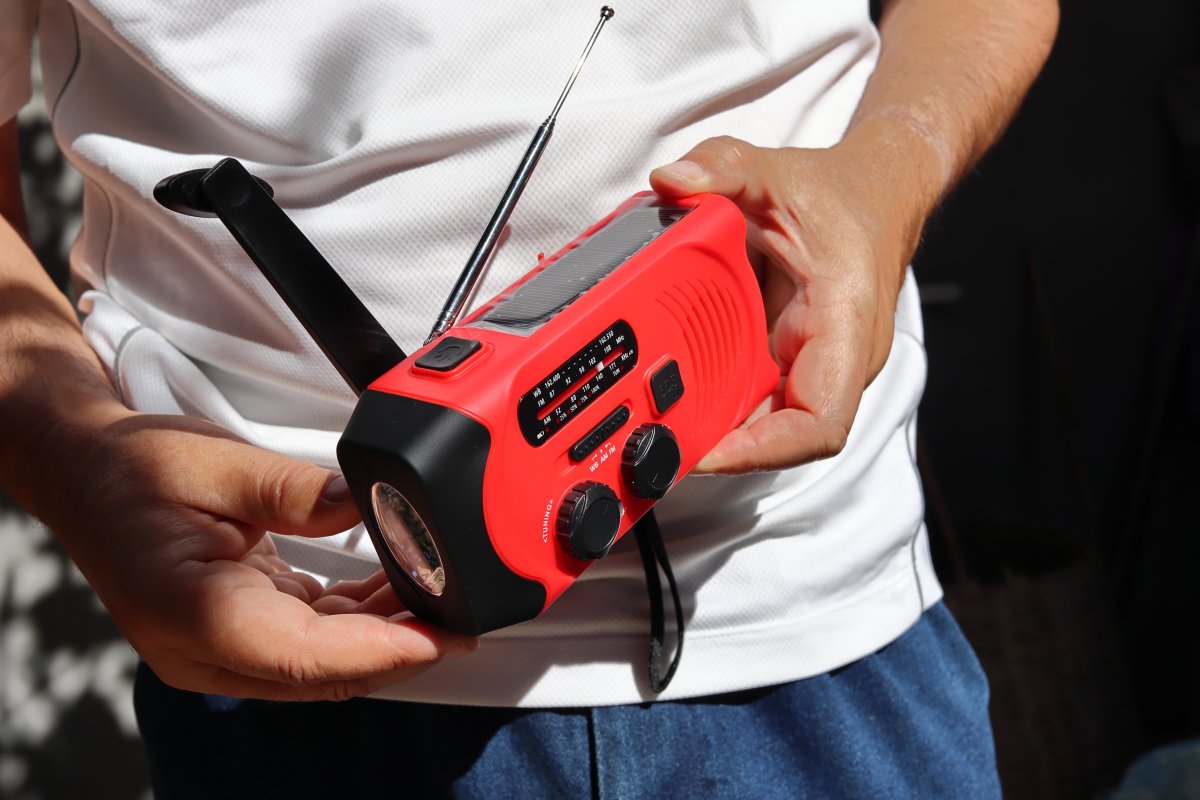
Radios may seem a relic of the past, but these old-fashioned devices may just save your bacon if you lose power for an extended period. When modern methods of emergency alerts such as TVs and phones are offline, an emergency radio with fresh batteries may be your lifeline to news and information about dangerous conditions, even evacuation alerts. Better yet, select a radio can be charged in multiple ways. The Eton Odyssey radio, for example, can be charged via hand crank, USB-C, solar, and rechargeable and alkaline battery.
Best Emergency Radio
Midland WR120B/WR120EZ Emergency Weather Alert Radio
The Midland WR120B can be programmed to check weather in 25 local regions, so you can stay on top of loved ones’ forecasts Read the review.
12. Get gear for camping out in the living room.
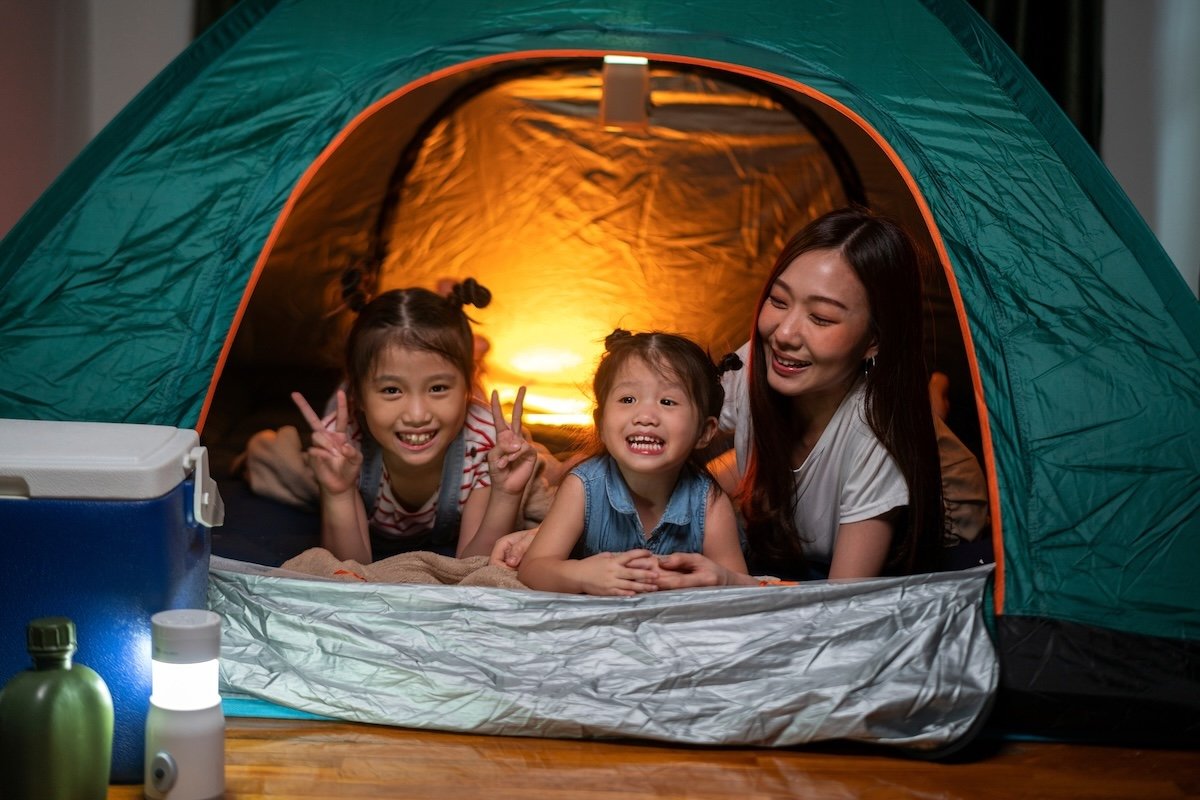
Loss of power could be an excuse for a fun “campout” in the living room. Ahead of the storm, make sure your tent and sleeping bags are in good shape, or acquire these items if you don’t have them. Ensure you have plenty of heavy blankets, too. Then, when the power is out and temps in the house drop, set up the tent and unroll the sleeping bags. Body heat from people together in an enclosed space will help keep everyone warm. And you’ll have a fun story to tell!
13. Beef up your insulation.

If you’ve been meaning to caulk your windows, do it before cold weather strikes. Check the weatherstripping around your doors; odds are it’s seen better days. If your budget allows, replace or supplement your attic insulation. A less expensive way of sealing out some cold is to purchase some door draft stoppers, which you can tuck away in a closet until they are needed.
14. Buy a power station or generator now, and learn how to use it.
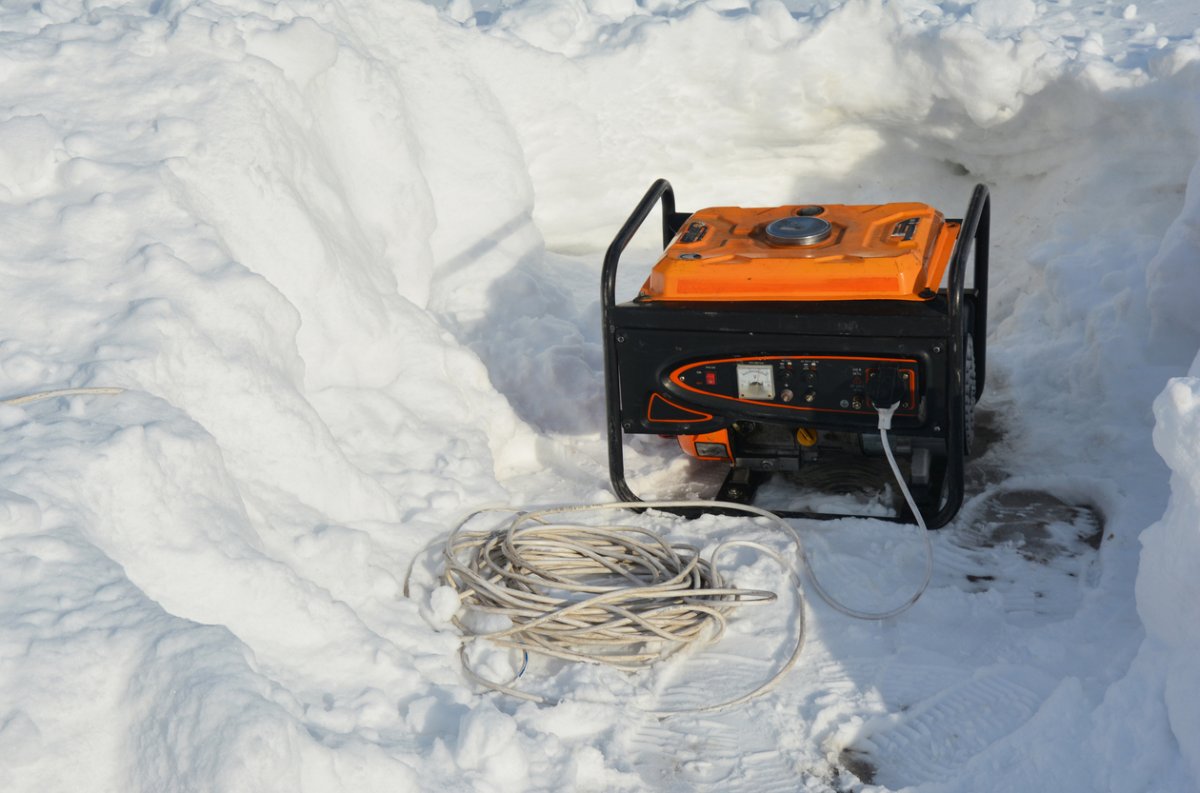
The worst time to buy a generator is the day you need one. If you live in an area that frequently loses power, consider purchasing a portable power station or a backup generator, which can be switched on manually or can automatically kick in when the power goes out. You can get generators powered by gasoline, natural gas, propane, or diesel (or even dual-fuel or inverter generators); solar generators are also an option but of course require a solar setup too.
After Testing 20 Air Purifiers, We Found One That Does Something the Rest Can’t