Reading has become cool in Korea. In June, about 160,000 people flocked to the Seoul International Book Fair, and by the end of September, convenience store chain GS25 had sold 1.6 million packaged pastries bundled with bookmarks featuring book covers from publisher Minumsa.
The phenomenon, known locally as “text hip,” is part of a broader cultural shift that has also caught the attention of the fashion industry overseas. From luxury houses to mass-market retailers, fashion brands are increasingly turning to literature as a source of cultural cachet.
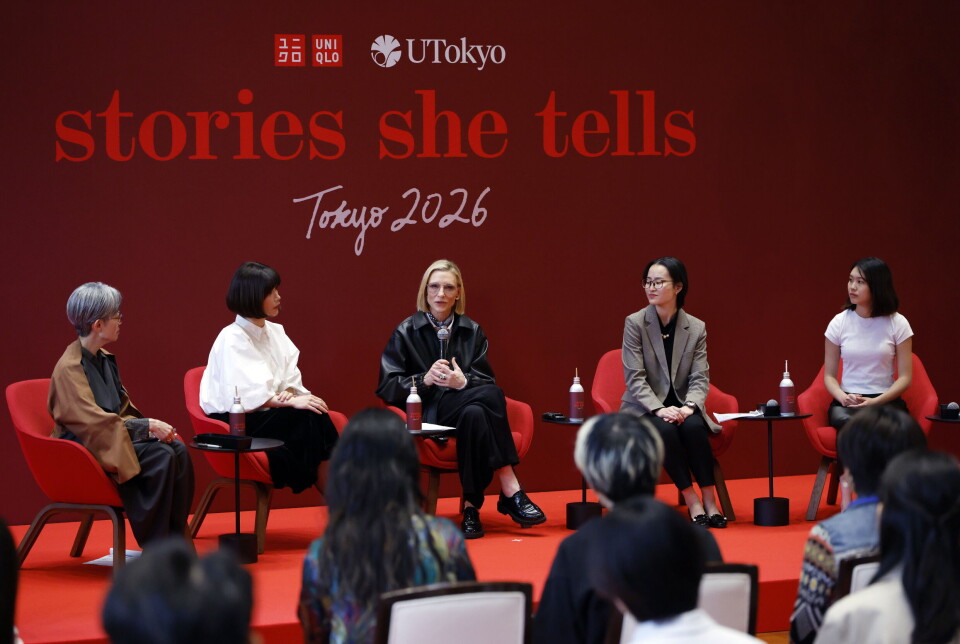
Japanese fashion brand Uniqlo, for one, is venturing into a territory long dominated by literary publishers: the literary magazine. The retailer unveiled its project, “stories she tells,” at the University of Tokyo General Library on Oct. 29, saying it aims to give women more opportunities to share their writing, voices and stories with a wider audience.
An open call for essays is expected to follow, with details to be announced around December. The first issue, themed “Connection,” is scheduled for autumn 2027. Selected writers will receive support, including mentorship opportunities. Uniqlo has published LifeWear Magazine, a free fashion publication, twice a year since 2019.
The project also comes with some star power. Actor Cate Blanchett, Uniqlo’s global ambassador, will chair the committee selecting the essays. Known for portraying complex female characters in films such as “Carol” (2015), Blanchett also led 82 women in a silent red-carpet protest for gender equality at the 2018 Cannes Film Festival.
At the Oct. 29 launch, Blanchett said she would relish the opportunity “to create a fresh platform for creative expression.”
Books and reading, once associated with a somewhat stuffy image, are now being recast as fashionable. Vogue Singapore observed in March that bookworms have rarely been portrayed as cinema heartthrobs, before declaring that “reading might just be the sexiest thing you can do.”
The shift began in the English-speaking world before reaching Korea. While “text hip” is a Korean coinage, similar trends have gone by names such as “literary chic” and “bookcore.” Literary Hub was already asking whether bookcore could become “2022’s hottest new look” in an article published Jan. 7, 2022.
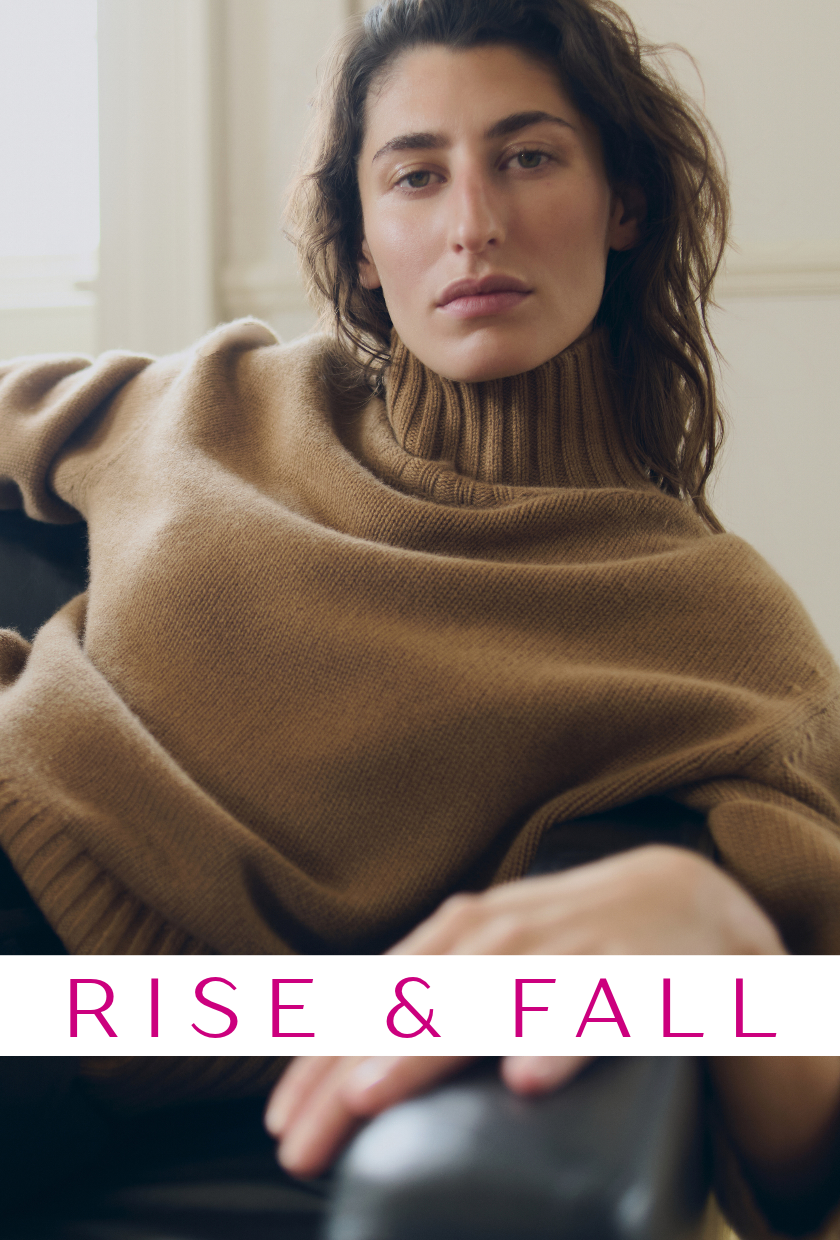
Fashion, an industry particularly attuned to emerging cultural trends, was quick to embrace the aesthetic. Pinterest’s annual trend report, Pinterest Predicts 2026, released in December 2025, included “Poetcore” among 21 trends to watch. The look features oversized turtlenecks, vintage blazers and messenger satchels.
Fashion houses have also begun treating literature as a platform for cultural engagement. Chanel launched its Arts & Culture magazine in June 2025, following up with a 300-page second issue of interviews and essays in October.
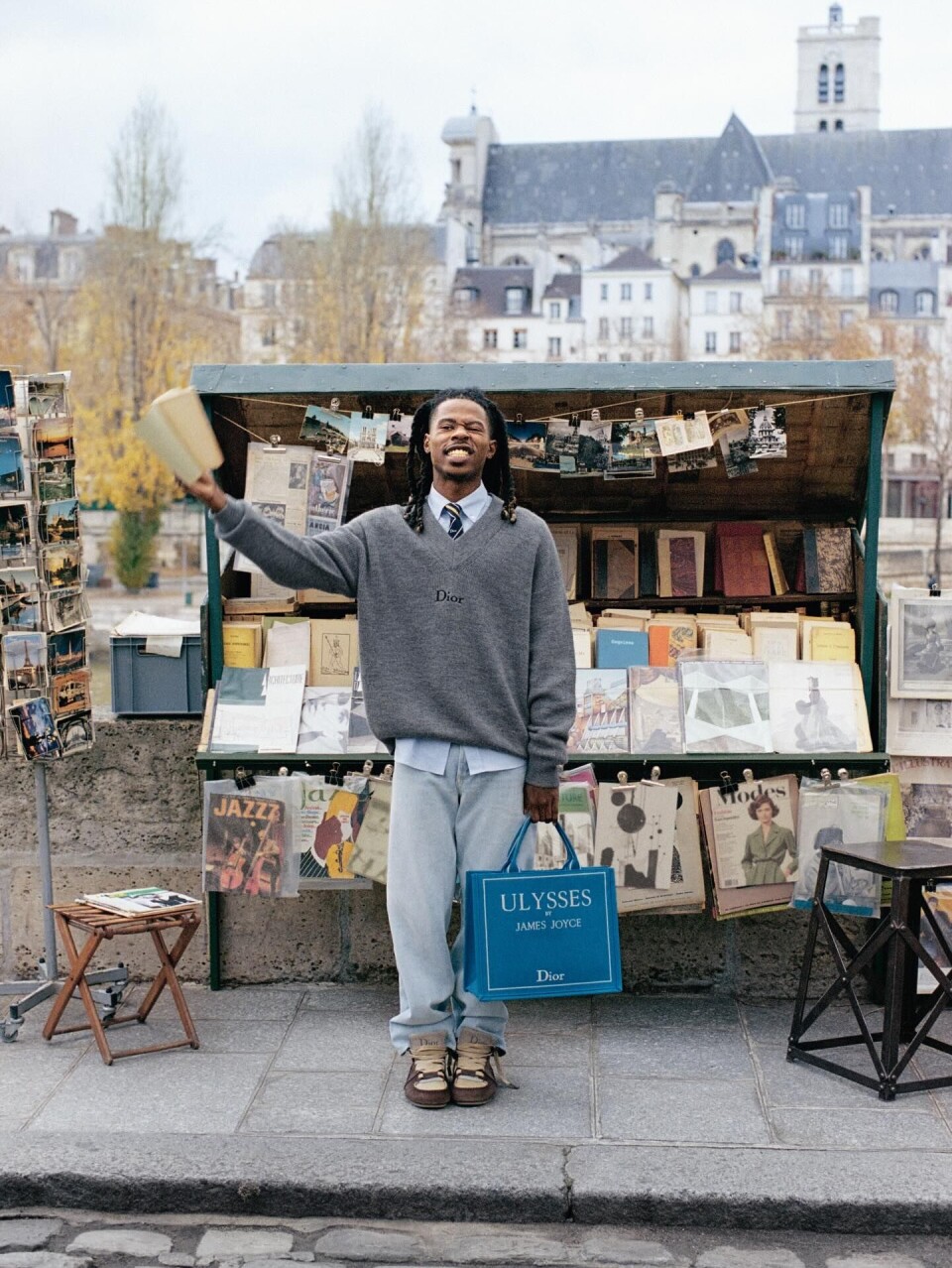
Dior has taken a more literal approach. Its Book Cover Collection, released in January, features Book Tote bags adorned with the covers of literary classics, including James Joyce’s “Ulysses” (1922), which runs more than 1,400 pages in its Korean edition; Bram Stoker’s “Dracula” (1897); Françoise Sagan’s “Bonjour Tristesse” (1954); and Charles Baudelaire’s “Les Fleurs du mal” (1857).
Other luxury brands have sought similar literary associations. Valentino sponsored the International Booker Prize ceremony in 2024, while Miu Miu launched its Literary Club in Milan that same year.
Berlin-based fashion and lifestyle outlet Highsnobiety placed Uniqlo’s magazine in a growing line of fashion-backed print publications designed to cultivate “a kind of artsy, cultural cachet that nice clothes alone can’t attain,” in an article published Nov. 2. Uniqlo’s entry into the field suggests that a trend once largely associated with luxury houses is now reaching the mass market.
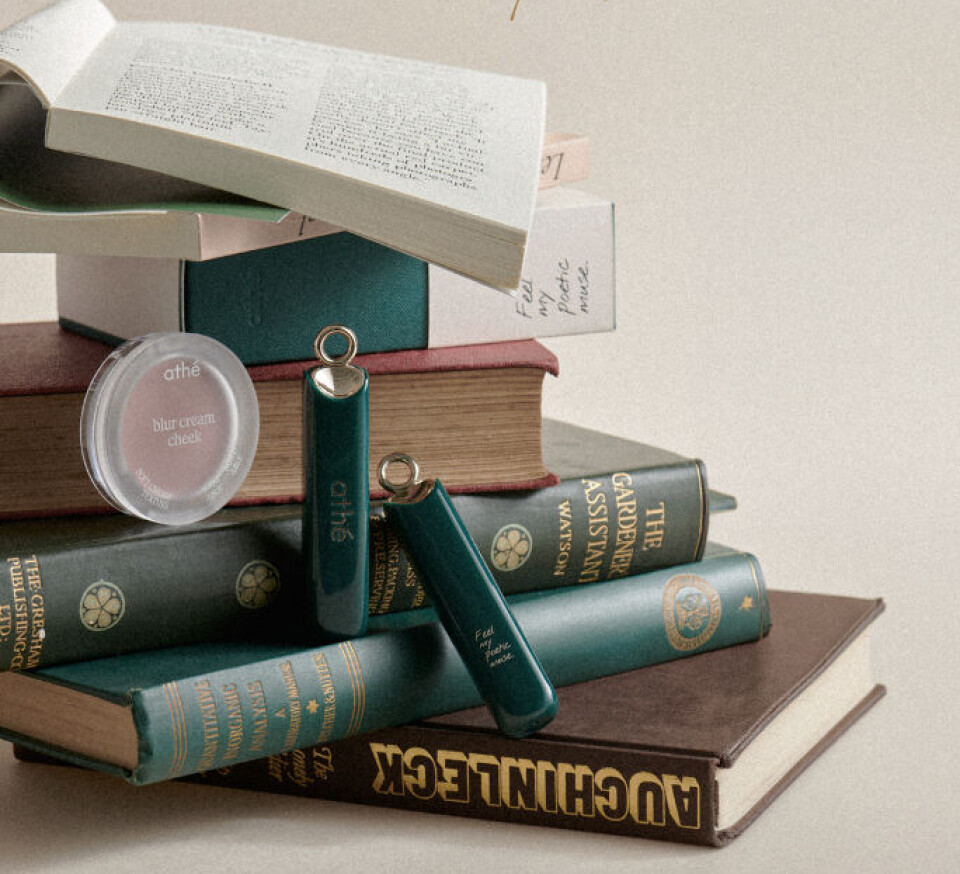
Korean fashion companies are following suit. LF’s beauty brand Athe launched its Poetic Muse lip balm collection in September, with shades inspired by literary heroines: Jo from “Little Women” (1868), Daisy from “The Great Gatsby” (1925) and Juliet from “Romeo and Juliet” (1597).
“The ‘text hip’ trend is carrying over into ‘poetcore,’” LF said in explaining the collection’s concept.
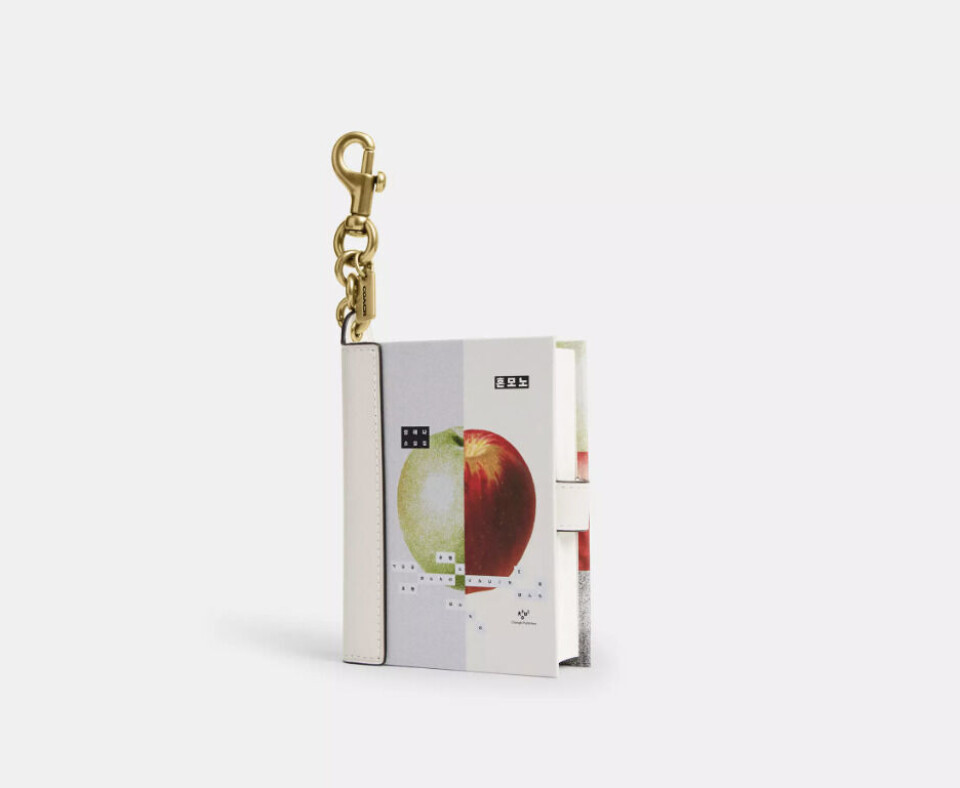
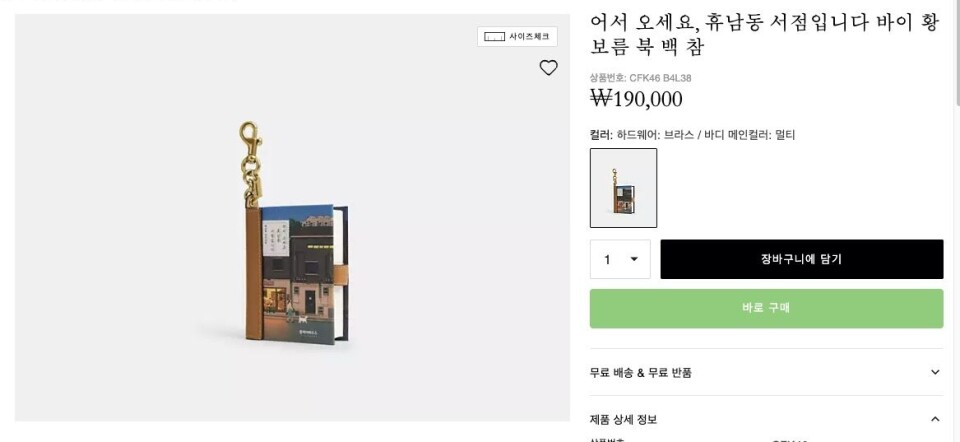
New York-based Coach has also incorporated Korean literature into its spring collection, releasing miniature book bag charms modeled on Sung Hae-na’s “Honmono” (2025) and Hwang Bo-reum’s “Welcome to the Hyunam-dong Bookshop” (2022). Each charm is a miniature hardcover containing the book’s complete text.
The appeal goes beyond aesthetics, according to Kim Yong-sub, a trend analyst and author.
“People are looking to paper books for the senses and the humanity they have lost in their digital daily lives,” Kim said.
He sees the phenomenon as part of what he calls digital denialism, a broader desire to reclaim experiences displaced by digital technology.
“Among teenagers and people in their 20s, reading books, telling one another ‘this book is good,’ spreading the word and relating to one another has spread like a culture,” Kim said. “So the fashion industry, which is sensitive to trends, was quick to embrace literature and books.”
Not everyone is convinced the newfound enthusiasm is genuine. English speakers have a term for the phenomenon — “performative reading” — and Korea has its own skeptics, who question whether people are more interested in looking like readers than actually reading.
But at least some of the interest appears to be translating into business for the book industry. Credit card spending at bookstores rose 8.5 percent from January through September compared to the same period a year earlier, according to data released by Samsung Card’s data lab on Nov. 3. The increase reversed a decline that had persisted since 2023.
Publishers may grumble that “only the merchandise sells” and that “nobody reads the books.” But the growing visibility of literature in fashion, popular culture and everyday consumer life suggests that books are finding a new audience — even if some readers are first drawn to them as accessories.
BY YOON SUNG-MIN [cho.yongjun1@joongang.co.kr]