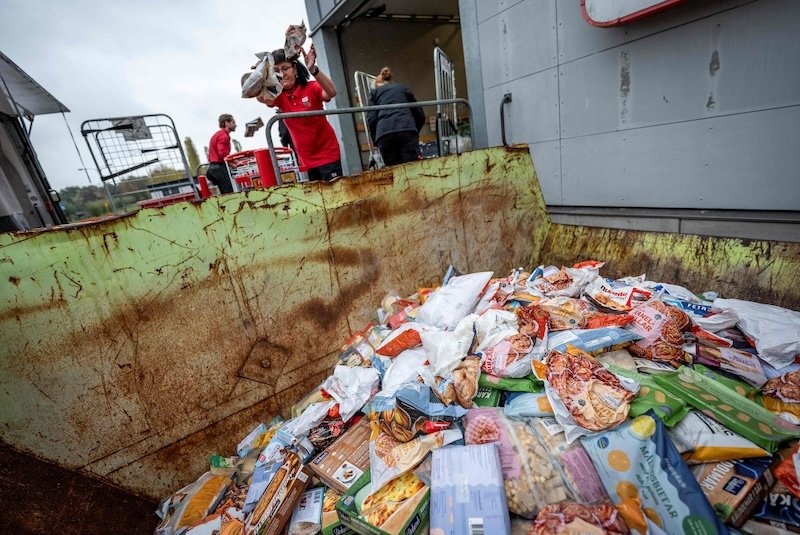
A cyber-attack on refrigeration systems has disrupted supermarkets across seven European countries, triggering food losses as freezers reportedly heated up to 50°C.
The cyber-attack has disrupted supermarket operations in Belgium, Luxembourg, Sweden, Ireland, the Netherlands, Estonia and Finland. The breach reportedly caused refrigeration units to switch into defrost mode, sending temperatures soaring and forcing retailers to dispose of perishable food stocks.

According to the BBC, around 40 Delhaize supermarkets in Belgium and Luxembourg were affected, alongside a smaller number of stores operated by different retailers in the other countries.
Also Read | Layoffs Are Rising In Tech, But These Skills Are Helping People Unlock Better Pay
The latest breach appears to mirror an attack in France last month, when refrigeration systems at hundreds of supermarkets were compromised, leading to food losses worth millions of euros.
Stephan Moelans, CEO of Belgian refrigeration manufacturer Sabcobel, confirmed the cyber-attack in remarks to news agency Belga on Monday. The company had been working through the night and into Monday morning to disconnect affected refrigeration units from the network, he said.
Moelans said Sabcobel had been working to address vulnerabilities in its customers’ refrigeration systems following the French incident. However, he cautioned that protecting the equipment required physical modifications rather than software updates alone.
Supermarkets Count Losses as Freezers Malfunction
The financial fallout is already emerging in Belgium. A Delhaize supermarket in Hoeilaart, in the country’s Flanders region, estimated that it had lost produce worth €100,000, according to the BBC, citing local media reports.
The store manager said the estimate did not include additional losses arising from the closure of the supermarket. Carrefour, meanwhile, said the incident affected 15 of its stores in Belgium but that immediate measures had been taken to ensure all outlets remained operational.
Colruyt Group, which operates Spar supermarkets in Belgium through a franchise arrangement, confirmed that refrigeration systems at five of its stores had been targeted, Reuters reported.
Ikea also reported problems at its store in Mons, western Belgium, after its refrigeration systems were affected. The company said it could not rule out the possibility of additional locations being impacted.
In Sweden, several stores operated by ICA and Coop were affected. ICA confirmed that a small number of stores operating outside its central network had experienced disruptions and said it was assisting them in managing the situation.
A branch in Sjöbo, southern Sweden, said on social media that its refrigerators and freezers had been hacked overnight, with temperatures set to 50°C. The store was temporarily closed before reopening.
Seven of Coop’s approximately 800 Swedish outlets were also affected, although the company said the situation had been contained.
Remote Access Raises Cybersecurity Concerns
The incident has drawn attention to the cybersecurity risks associated with internet-connected refrigeration infrastructure.
Most supermarkets across Europe use connected refrigeration systems that allow manufacturers and maintenance providers to monitor equipment, troubleshoot faults and adjust settings remotely.
While such connectivity helps retailers manage operations more efficiently, it can also expose equipment to cyber threats if remote access systems are inadequately secured.
Moelans said managing refrigeration units through secure internet connections was the simplest approach, adding that many customers had adopted this arrangement following the October attack in France.
The latest breach, however, suggests that existing safeguards may not be sufficient to eliminate vulnerabilities across older equipment and connected systems. The disruption has extended beyond Belgium and Sweden. In Ireland, 13 SuperValu supermarkets were affected. Its owner, Musgrave Group, confirmed that the incident involved a specific model of refrigeration equipment.
In the Netherlands, at least 17 businesses, including butcher shops and neighbourhood stores, experienced problems with their cooling and freezing systems, according to Dutch public broadcaster NOS. A Selver supermarket in Estonia was also affected, while refrigeration malfunctions were detected at some K-stores in Finland.
Cybersecurity Agencies Monitor Incident
Authorities in Belgium and Sweden said their national cybersecurity agencies were monitoring the situation.
The UK’s National Cyber Security Centre said it was working with international partners and industry representatives to understand the circumstances surrounding the incident. No attacks on UK supermarkets had been reported.
Separately, US authorities are investigating refrigeration malfunctions reported at several American military bases in August. French officials are also involved in examining whether those incidents could be connected to the attacks affecting European supermarkets.
The identity of those responsible for the latest cyber-attack remains unknown.
The incidents have highlighted how cyber intrusions can extend beyond conventional digital infrastructure, disrupting physical systems that underpin essential commercial operations.
READ | Freight Shock: Indian Refiners Face Up To $20/Barrel Shipping Bill, Margins Hit
Essential Business Intelligence,
Sharp Market Insights,
Practical Personal Finance Advice, Daily Fuel, Gold and Silver Prices and Latest Stories — On NDTV Profit.