By Christopher Lewis Christopher L.
USD/MXN
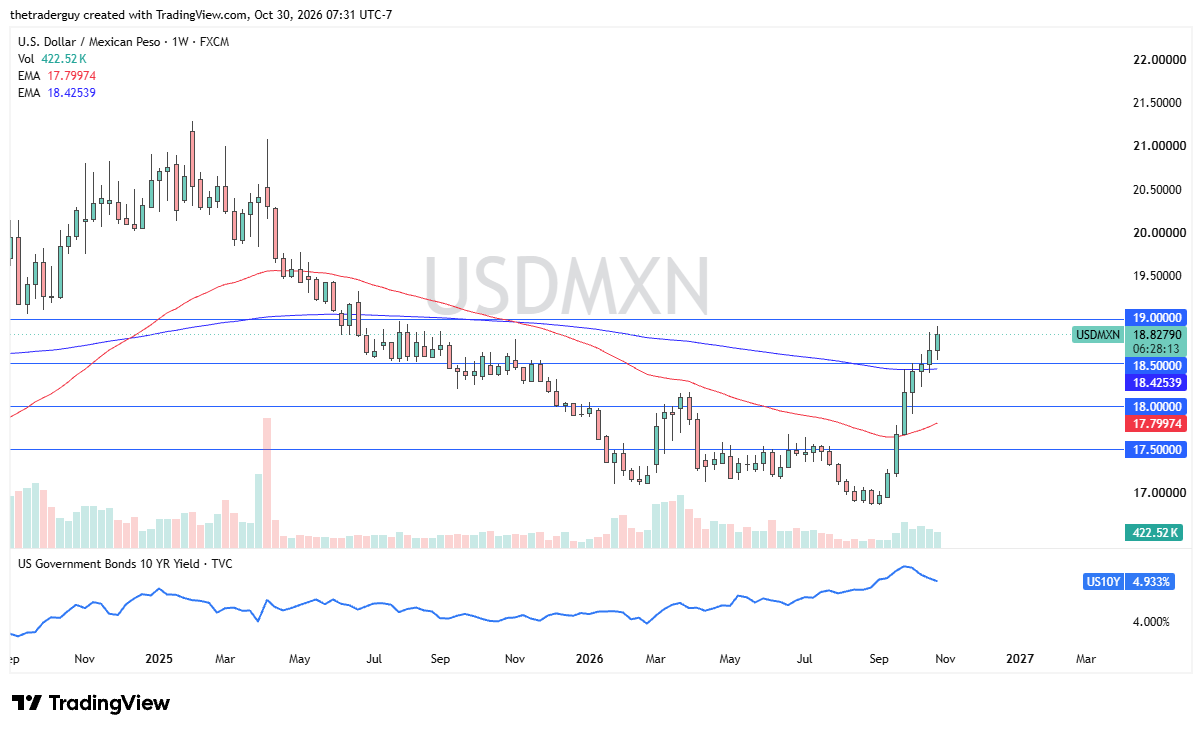
The U.S. dollar rallied against the Mexican peso during the majority of the week, although it did initially dip a bit. The MXN 18.50 level is now offering support, with the 200-week EMA sitting there. The MXN 19 level above is a large, round, psychologically significant figure and an area where we have seen price action move a couple of different times in the past.
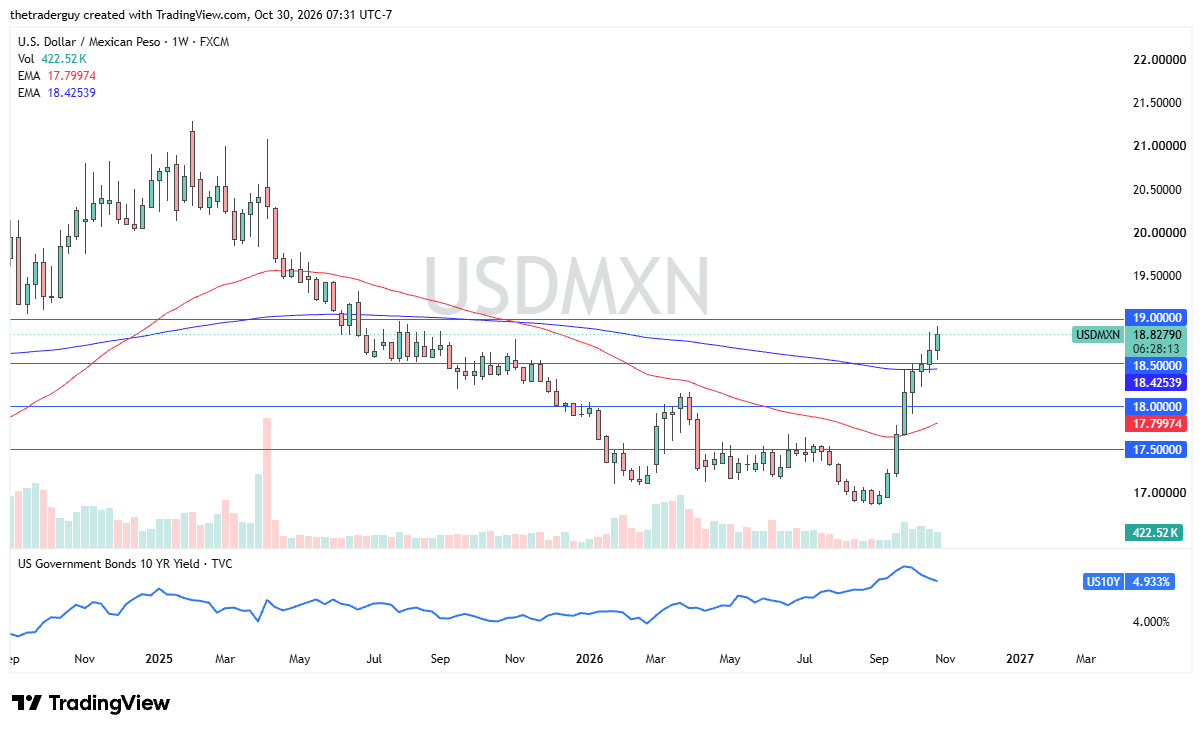
This looks to be resistance, and it is worth noting that the interest rate differential still favors Mexico. Because of this, I will be looking for signs of exhaustion, but it seems as if there is real distress in the markets at the moment, so we need to see more risk appetite before I start shorting.
USD/JPY
The U.S. dollar has been all over the place against the Japanese yen during the week, as we have had both the Federal Reserve and the Bank of Japan hold their rates. The ¥156.50 level is support, while the ¥159 level above offers resistance. If we were to break down below the ¥156.50 level, then we could see further selling pressure.
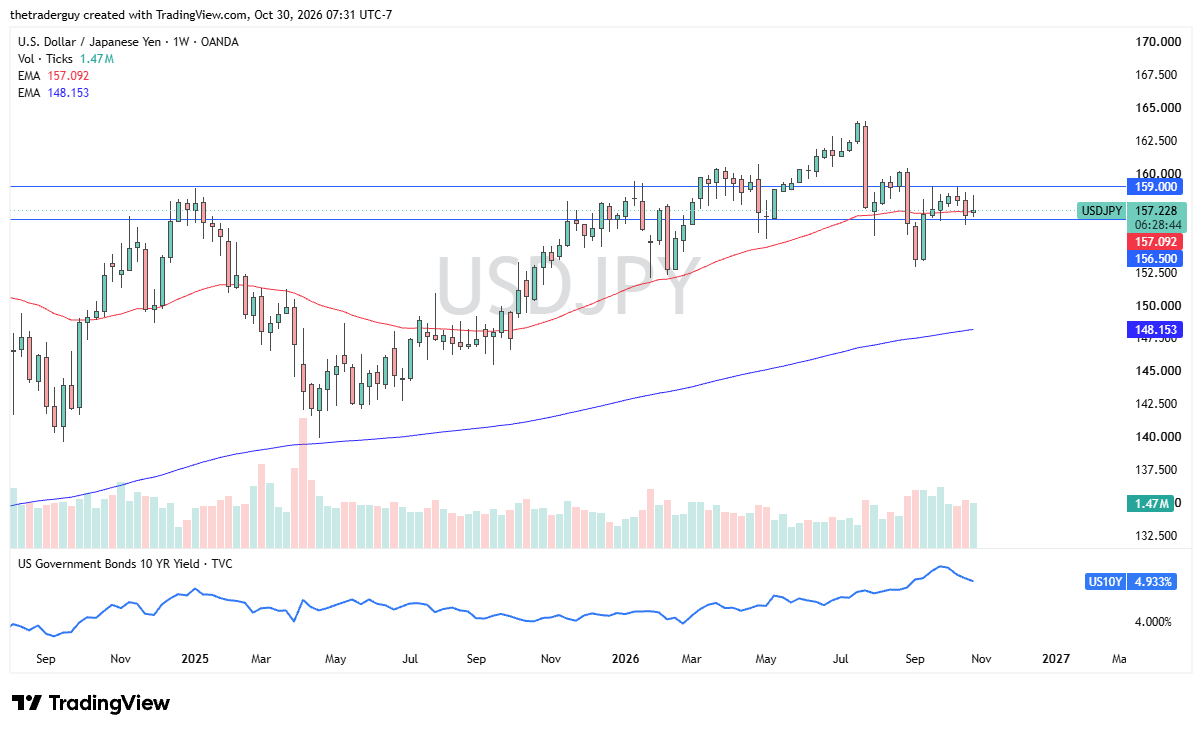
Longer term and structurally speaking, I do favor the U.S. dollar over the Japanese yen, but we may be in the midst of simple consolidation and sideways action as we try to sort out where to go next.
USD/CAD
The U.S. dollar gapped higher to kick off the week against the Canadian dollar, but with the Bank of Canada raising rates and stating that they were worried about inflation, this has seen the U.S. dollar sell off against the loonie. The market is parking itself at roughly 1.3950, where the 61.8% Fibonacci retracement level from the latest move sits.
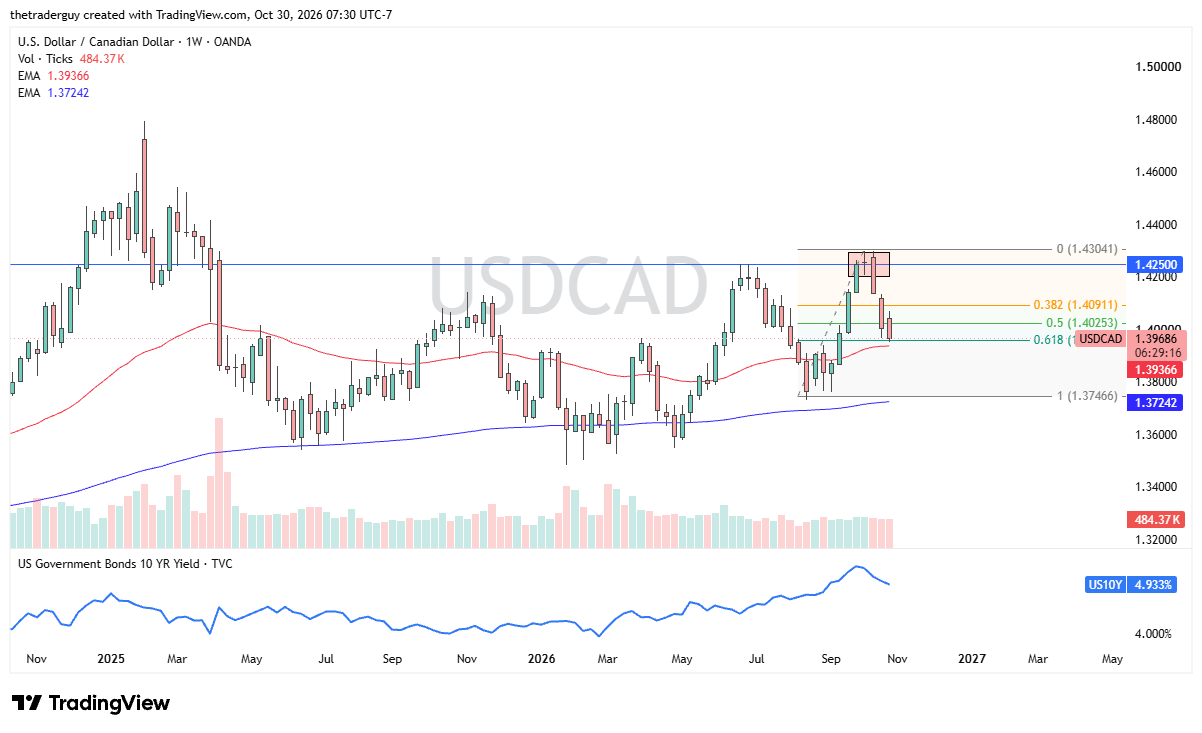
That being said, it does not mean that the fundamental situation has changed. Quite the opposite. What it means is that traders are starting to price in the idea that perhaps Canada could raise again. The question now is whether or not the Federal Reserve continues to get inflationary data. I will be watching this week to see if we get a bounce, which will culminate in employment numbers on Friday.
NASDAQ 100
The Nasdaq 100 continues to see pressure, as we did try to break above the 30,000 level but then turned around to sell off. That being said, though, it is worth noting that we have been sideways for the last almost 6 months. As a result, we are still very much range-bound.
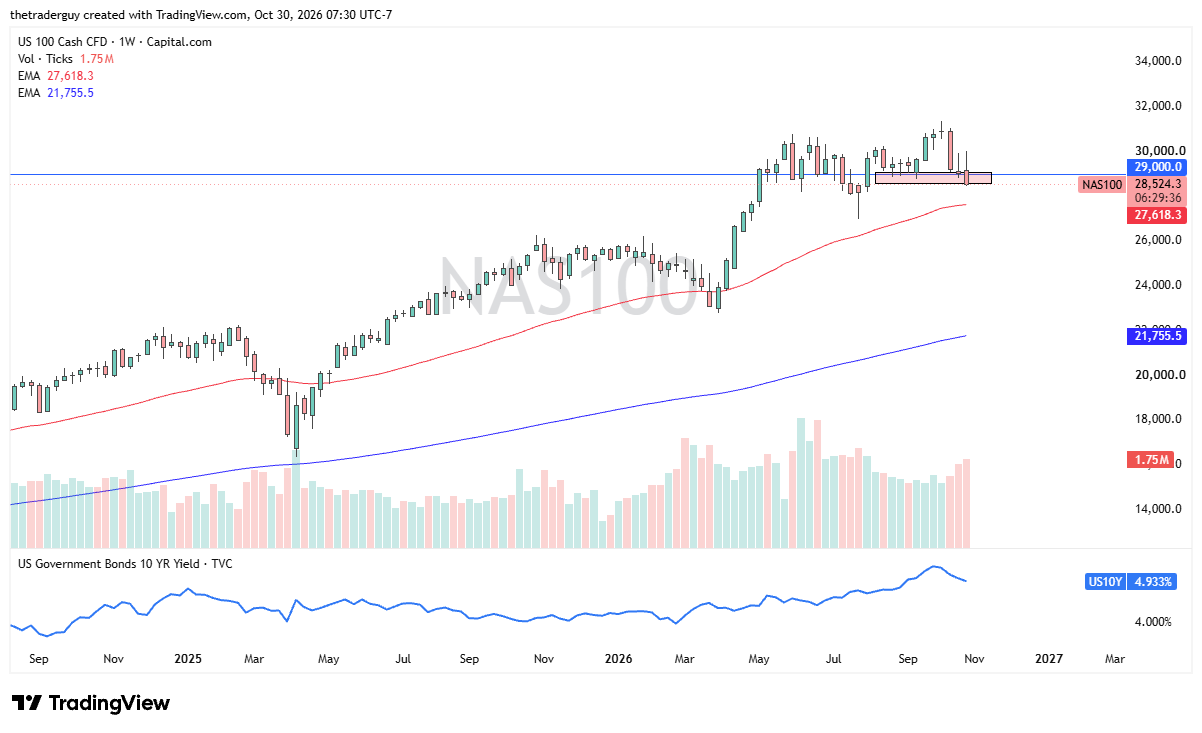
We have not seen an actual break one way or the other. It certainly looks like we are hesitating to rally, and there are concerns about the artificial intelligence bubble causing a bit of a headache. Markets at this point in time, I think, continue to see a lot of noisy behavior, but I am still not sold on the idea of shorting the market. I think buyers will return sooner rather than later.
Silver
Silver had a major breakdown this week. We are below the $50 level as I write this article and now look as if we could see a real drive to much lower pricing. At this point, I would not be a buyer, but I am looking to short the market on short-term rallies that show signs of exhaustion.
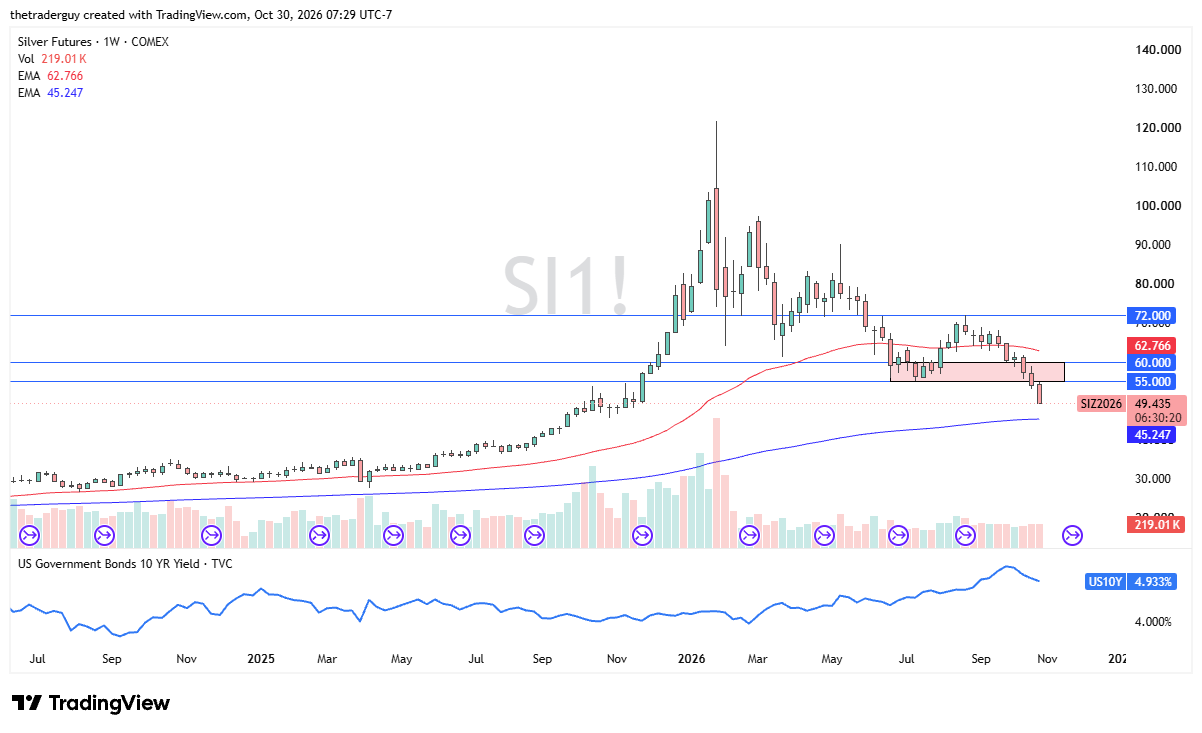
The $55 level should be a bit of a barrier. If we were to break above there, then it would be a very strong sign indeed. At this point, though, it looks like silver is unwinding due to real yields offering a return.
Gold
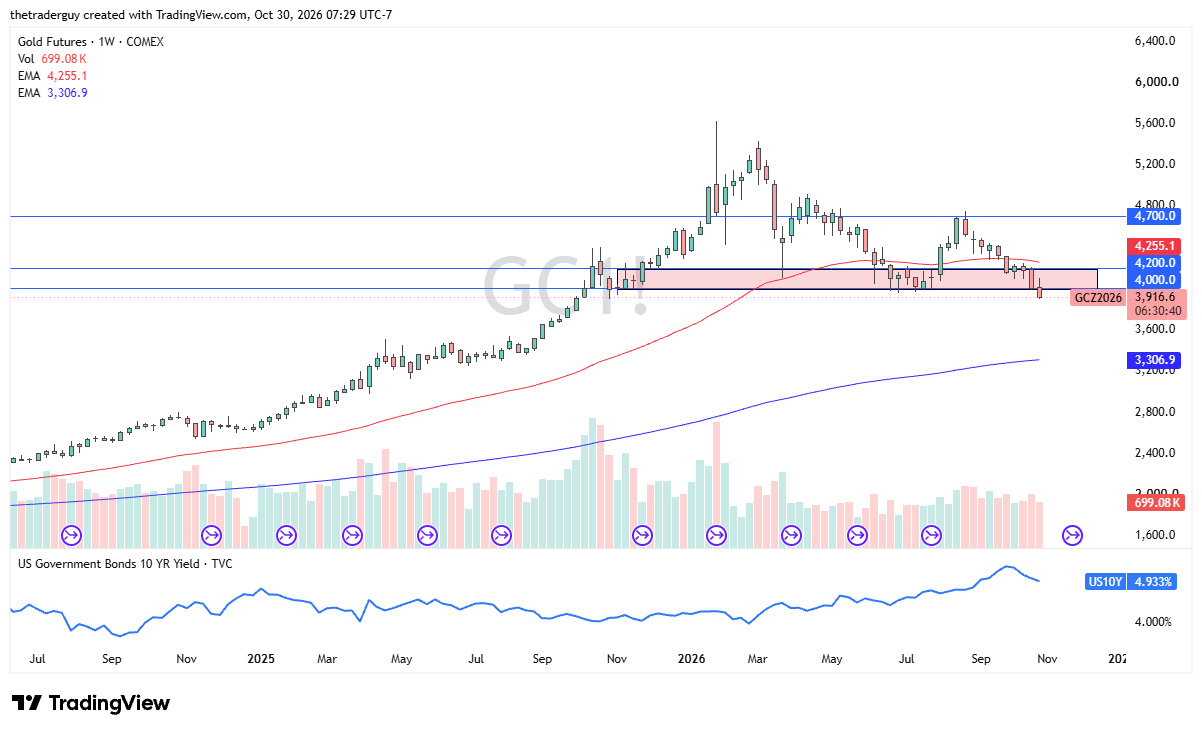
Gold is also falling apart, as it is now racing towards the $3,900 level. The $3,900 level is an area where traders could look for some type of bounce, but all things being equal, if we break down below the $3,900 level, it could open up a move down to $3,500.
EUR/USD
The euro tried to rally as it gapped to kick off the trading week, but simply turned around to fall. We had both the Federal Reserve and ECB interest rate decisions holding, but the Europeans seem to have a much more persistent problem when it comes to potential energy disruptions.
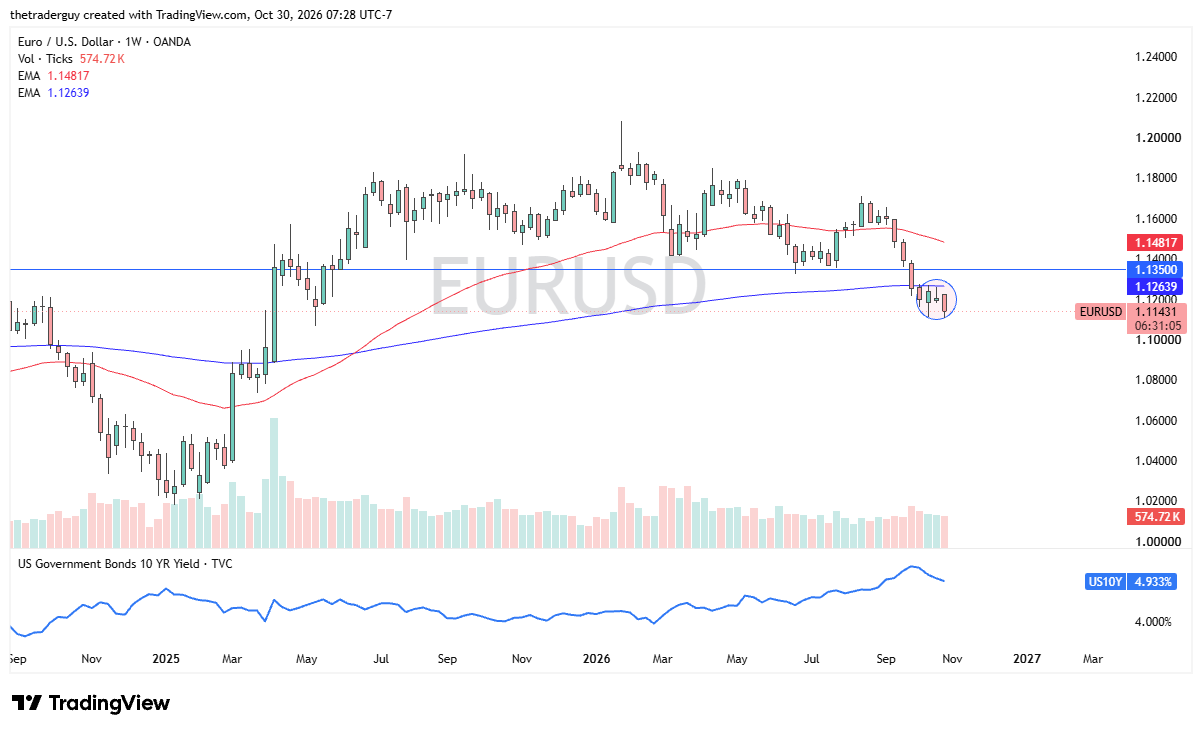
Therefore, marrying that with interest rate differentials favoring the United States, I continue to sell short-term rallies as they occur.
AUD/USD
The Australian dollar did try to break out, but it has turned around to show signs of hesitation. We are still very much in the previous consolidation area between the 0.6850 level on the bottom and the 0.7250 level on the top.
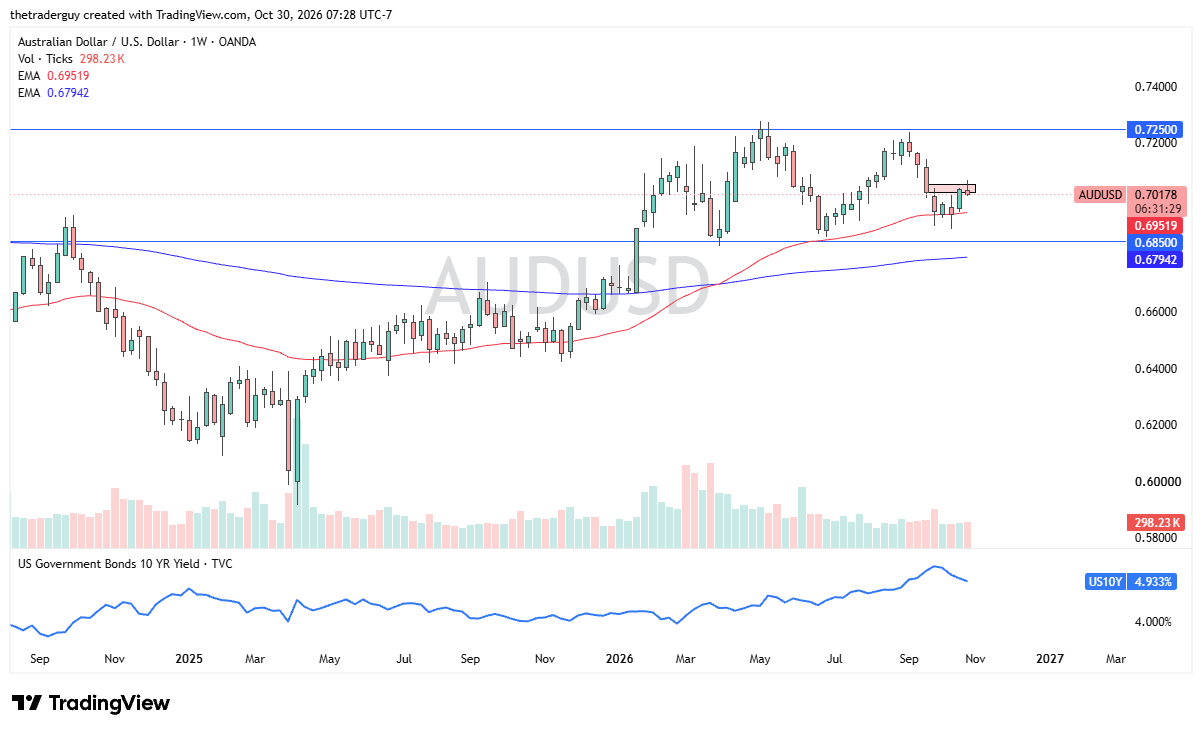
Ultimately, I think pullbacks at this point in time will eventually offer buying opportunities, as the RBA has a meeting next week. It will be interesting to see how they handle the rising inflation numbers.