
The artificial intelligence (AI) boom led to the creation of a new group of fast-growing tech companies: neoclouds. But Elon Musk thinks many won’t survive.
On Oct. 25, the CEO of Tesla and Space Exploration Technologies warned that more than 200 neocloud providers could face widespread failures and consolidation as their access to financing tightens. These companies supply computing power to businesses that develop and run AI models. Building that capacity requires enormous up-front investments in chips, data centers, and electricity.
For investors, the warning raises an important question: Should we avoid neocloud stocks, or could the shakeout create buying opportunities?
I’d recommend remaining invested in the AI opportunity, but I’d suggest being selective about which businesses you own. I’d favor companies that can finance their growth and generate attractive returns, rather than simply chasing the fastest-growing AI stocks.
Here’s how I’d approach the opportunity.
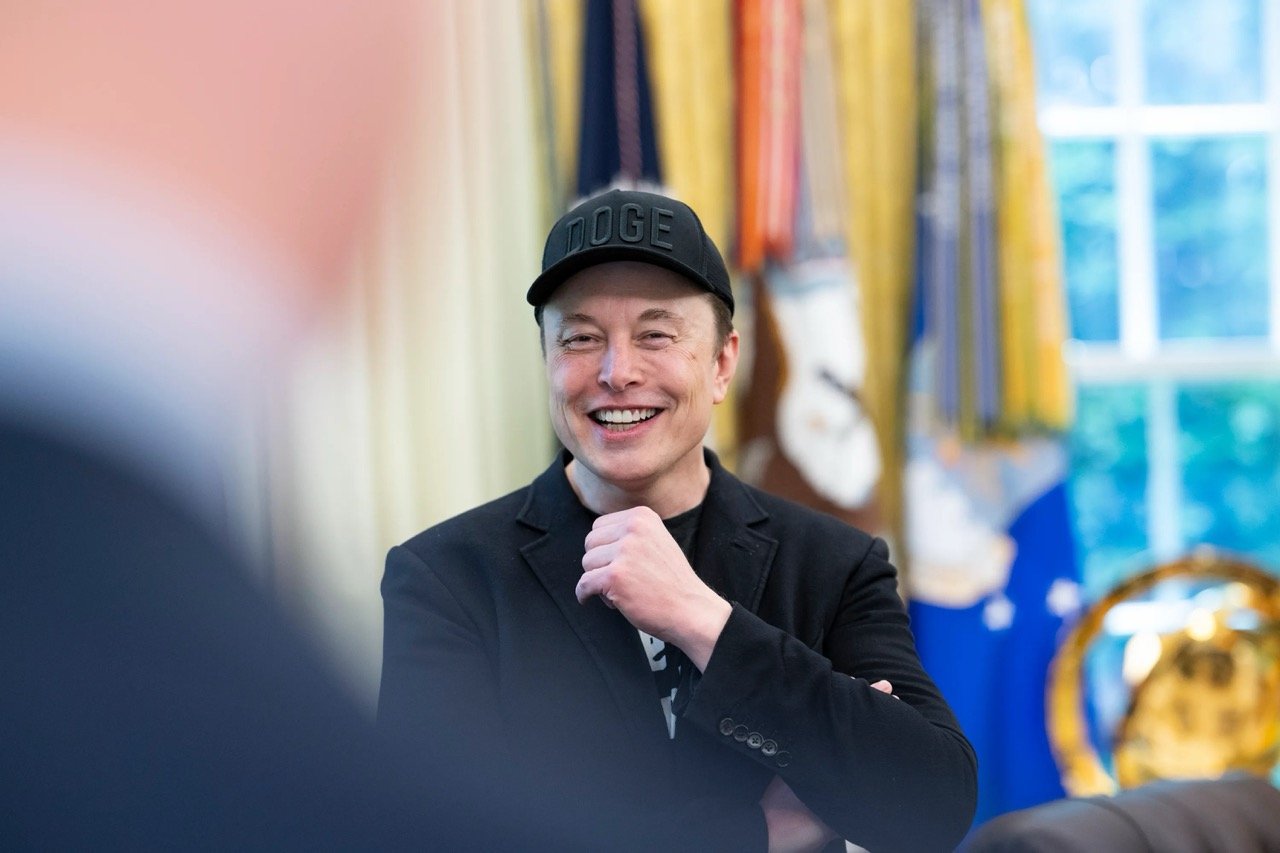
Elon Musk. Image source: The White House.
Don’t confuse AI demand with shareholder returns
The bull case for neoclouds is straightforward. As businesses adopt AI, demand for computing power could continue growing for years. Companies such as CoreWeave (CRWV -8.40%) and Nebius are positioning themselves to capture that demand by renting out computing capacity powered by advanced processors.
But supplying computing power is expensive. Neoclouds must invest heavily in buying chips and building data centers before they can earn the revenue those investments are expected to generate. They also face rising borrowing costs, as well as the risk that their expensive equipment loses value as newer technology steadily arrives.
Consider CoreWeave. Its revenue backlog had grown to approximately $104 billion as of the end of the second quarter of 2026. Yet investors remain concerned about its substantial financing needs and the cost of expanding its infrastructure. A backlog represents expected future business, not cash already collected or profits already earned.
That’s an important distinction. A company can win customers and grow revenue rapidly without generating enough cash to justify the money invested in its business.
I’d therefore look beyond revenue growth and ask three questions: How much money does the company need to keep expanding? How much cash does its existing business generate? And will the returns from its infrastructure justify the cost of financing it?
The answers to those questions matter more than growth alone.
CRWV CoreWeave
$55.64-$5.11 (-8.40%)
NASDAQ · As of 9:40 AM ET 10/30/26
Understand the domino effect of a financing crunch
Musk’s warning highlights a risk that can become more serious when lenders grow cautious.
Neoclouds often borrow money to buy chips and build data centers. If financing becomes more expensive or harder to obtain, some may have to delay projects, issue more shares, or sell assets to raise cash.
The consequences could extend beyond the struggling companies.
Imagine several providers facing financial difficulties simultaneously. Some may sell their computing equipment to repay creditors. If enough capacity enters the market, competition could intensify, and prices for computing services could come under pressure. That could hurt the surviving providers, too.
The opposite is also possible. AI demand could grow fast enough to absorb the additional capacity while stronger companies acquire assets and customers from struggling rivals. Consolidation might even improve the industry’s long-term economics.
But investors shouldn’t assume that every survivor will benefit. A company that emerges from such a shakeout could still deliver poor shareholder returns if it paid too much for infrastructure or took on excessive debt.
I’d pay close attention to how well a company is positioned to withstand weaker pricing or a tighter financing environment, and without it could adjust to those conditions without its financial future being at risk.
A useful starting point is to examine its debt, cash flow, interest expenses, and expected spending commitments together. No single number tells the whole story, but the combination can reveal whether growth is making the business stronger or more financially fragile.
Look beyond neoclouds for AI opportunities
Investors don’t have to own shares of neoclouds to benefit from the growth of AI computing.
Established technology giants such as Microsoft, Amazon, and Alphabet operate cloud infrastructure businesses alongside an array of other revenue-generating operations. Those cloud businesses aren’t entirely geared toward supporting AI — they have considerable infrastructure meant for general-purpose enterprise uses, too. But they’re building out their AI clouds rapidly, and their existing businesses can help fund those AI investments. Even then, that doesn’t guarantee those investments will earn attractive returns.
Infrastructure suppliers offer another route. Semiconductor and networking companies sell essential components to numerous data center operators, allowing them to benefit from expanding data center investment without necessarily bearing the same financial risks as the companies that build and operate those facilities.
These alternatives have their own risks. The key is to understand where each company sits in the AI value chain and which risks it must bear to earn its profits.
What does it mean for investors?
I wouldn’t interpret Musk’s warning as a reason to abandon AI stocks. Demand for computing power could continue expanding, and some neoclouds may emerge from a period of consolidation as stronger competitors. But a growing market doesn’t guarantee that every company in it will survive or create much shareholder value if it does.
I’d prioritize financial resilience, attractive business economics, and reasonable valuations over headline growth rates. For highly leveraged neoclouds, I’d demand a larger margin of safety before investing.
Investors don’t need to predict exactly which companies will fail. They just need to identify businesses that can withstand tougher conditions and buy them at prices that leave room for mistakes.