Contact here for Advertising & Partnerships // Support the newsletter here.
Written by David Skilling
Kylian Mbappé has lost three Chinese sponsors after an off-the-cuff remark about Mao Zedong, and the consequences have now spread well beyond his personal deals. China’s state broadcaster has suspended its coverage of La Liga, Real Madrid has issued a public apology, and Spanish football is trying to protect commercial relationships built over many years.
It all began with a conversation about internet memes.
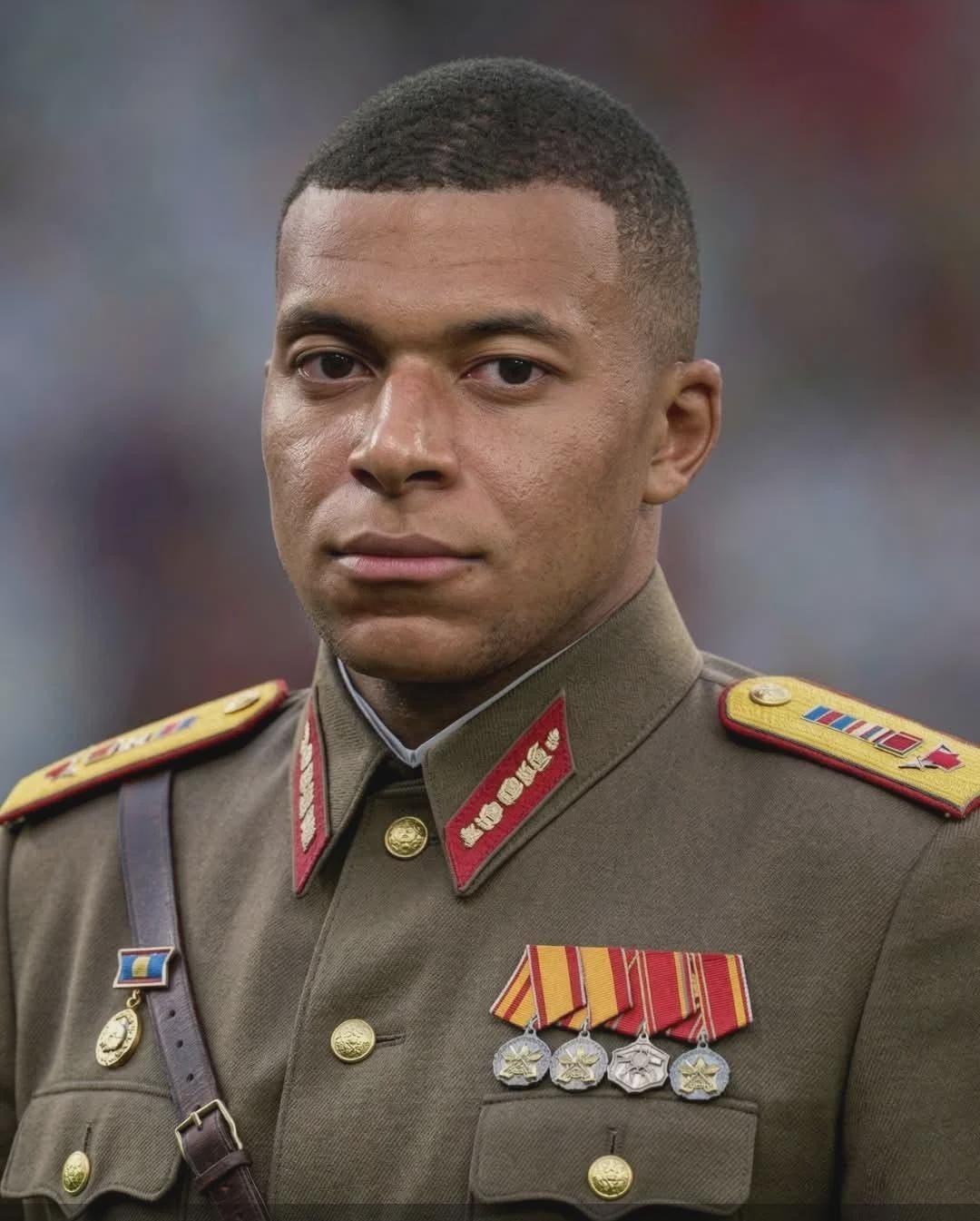
During an appearance in France, Mbappé was asked about memes featuring himself. He recalled one (the image above) in which his face had been superimposed onto a historical figure, describing the person as a Chinese dictator. The image was understood to depict Mao Zedong, the former Chinese leader whose legacy remains politically sensitive in China.
It was the kind of throwaway comment that might have gone unnoticed elsewhere. Instead, it triggered a big reaction. Chinese companies Dongpeng, Mengniu and Milkground ended their partnerships with Mbappé, withdrew advertisements featuring him, and the country’s state broadcaster suspended its coverage of Spanish football.
WORK WITH ORIGINAL FOOTBALL
We partner with brands, agencies and organisations across sport and culture to create thoughtful editorial stories for our audience.
Mbappé has apologised, as has La Liga president Javier Tebas. Real Madrid has now issued its own statement expressing regret for the discomfort caused and reaffirming its respect for China and its supporters there. Yet the broadcasting suspension remains a concern, despite those attempts to repair the relationship.
A lot of outlets have covered this, but the interesting story for me isn’t that another footballer said something that caused uproar in various circles. It’s that this story helps explain something football fans have complained about for years: why interviews often feel rehearsed and why the people we want to hear from most are often the least willing to say anything interesting.
We’ve all watched interviews where players carefully avoid saying anything remotely controversial. They praise their teammates, respect the opposition, take each game as it comes and offer very little insight into who they actually are. It’s frustrating, especially when clubs constantly tell supporters they want to bring them closer to their favourite players.
But when you look at what’s happened with Mbappé, it’s easier to understand why those communications departments exist.
The most interesting part of this controversy isn’t necessarily the three sponsorships he’s lost; it’s that one footballer’s single comment has created a problem for an entire football league.
China Media Group, which oversees state broadcaster CCTV, suspended La Liga coverage following Mbappé’s remarks. However, it’s not all lost, because La Liga also has a separate agreement with China Mobile’s Migu platform to distribute matches digitally, but it could still be a huge hit to awareness in the country.
The suspension means the problem hasn’t remained confined to Mbappé or Real Madrid. It’s now affecting how Spanish football reaches one of the world’s largest audiences, with the possibility of further commercial consequences if the situation worsens.
Broadcasting agreements generate revenue for competitions, contribute to the money distributed among clubs and help leagues establish the audiences that make international sponsorships valuable.
When a broadcaster stops showing matches, even temporarily, the consequences can extend to other clubs that want the league to maintain its presence in that market, even though they had nothing to do with what Mbappé said.
That’s why Tebas has been involved personally, meeting China’s ambassador to Spain and apologising for the offence caused. La Liga has spent years building relationships in China, and the league clearly recognises the risk of allowing one incident to undermine that work.
For Real Madrid specifically, the exposure is significant.
According to Nielsen Sports data the club previously cited, Madrid has about 97 million supporters in China, making it one of its most important international markets. Spanish reporting also suggests China accounts for between 10% and 15% of the club’s international merchandising revenue, with Mbappé’s shirt its biggest seller in the country.
Those are substantial numbers, especially since merchandise is only one part of the commercial relationship. Madrid also benefits from international sponsorships, broadcasting exposure and the ability to attract brands looking to reach football supporters across different markets.
The club also has relationships with Chinese businesses including Hisense and Roborock. It has spent years building its international appeal, and when a player creates controversy, it can suddenly become a problem for commercial partners, whose customers, reputations, and sensitivities must be considered.
There’s also a potential financial connection through Mbappé’s image rights. When he joined Real Madrid, he reportedly negotiated an arrangement that let him keep 80% of certain image-rights income, with the club receiving the remaining 20%.
That doesn’t mean Madrid automatically loses 20% of the sponsorship contracts Mbappé has just lost. I don’t know whether those agreements fall under the arrangement, especially since some commercial relationships may predate his move to Spain. I also don’t know the remaining value of the cancelled contracts.
But it does introduce another possible source of exposure. Depending on the contractual details, Madrid could have a direct financial interest in some of Mbappé’s personal commercial activity, alongside the much broader reputational and merchandising risks.
The whole situation highlights the risks clubs face today. Mbappé wasn’t speaking in a Real Madrid press conference or participating in an official club campaign. He was talking about something he found funny on the internet.
Yet Real Madrid has been drawn into the response, and Chinese state media has made clear that it considers the club responsible for addressing the situation. The fact that Madrid has now apologised demonstrates just how difficult it can be for a global football business to separate itself from the actions of its biggest stars.
There’s a legitimate question about how much control football clubs should have over their players’ personal opinions. Footballers aren’t just commercial assets, and the idea that they should avoid saying anything that might upset a sponsor, broadcaster or government is uncomfortable.
But the commercial reality is that clubs and leagues operate across countries with very different political systems, cultures and expectations, so they can’t assume that something considered off-the-cuff and harmless in one market will be received the same way in another.
Supporters want footballers to be more authentic, brands want access to the personalities and emotional connections that make those footballers valuable, and clubs want their players to build enormous international followings, because those audiences help sell shirts, attract sponsors and grow the business.
But the more recognisable and commercially valuable a player becomes, the greater the potential consequences when something they say causes offence.
I understand why supporters are tired of hearing the same carefully rehearsed answers; I’m a supporter myself, and I want to see more of their personalities, rather than what sounds like a script from a communications department.
But the Mbappé controversy shows why those departments are so cautious. What began as a casual comment about an internet meme has cost a player sponsorships, drawn his club into a diplomatic and commercial dispute, and disrupted television coverage of an entire football league. One comment has cost millions, and could cost many more.
Real Madrid didn’t make the comment, and neither did the other La Liga clubs. Yet they’re all connected to a competition whose commercial interests can be affected by what one of its biggest stars says.
That’s the uncomfortable reality of modern football. The personalities that make players so valuable to the sport also make clubs increasingly nervous about letting them speak freely.
Thanks for reading. If you hit the like button, you’ll be doing me a huge favour.
David Skilling: Follow on Instagram