A famous restaurant might tell you where tourists like to eat, but the everyday foods locals grew up with often reveal much more about a place. Across America, some of the most interesting dishes have roots in mining towns, immigrant kitchens, farming communities, and families making the most of inexpensive ingredients. As the Southern Foodways Alliance’s Mississippi Hot Tamale Trail shows, even a simple meal can tell a fascinating story about a community’s history. From Hawaiian noodle soup to Appalachian comfort food, these 12 regional foods offer a closer look at the people and traditions that shaped them.
Mississippi Delta Hot Tamales – Greenville, Mississippi
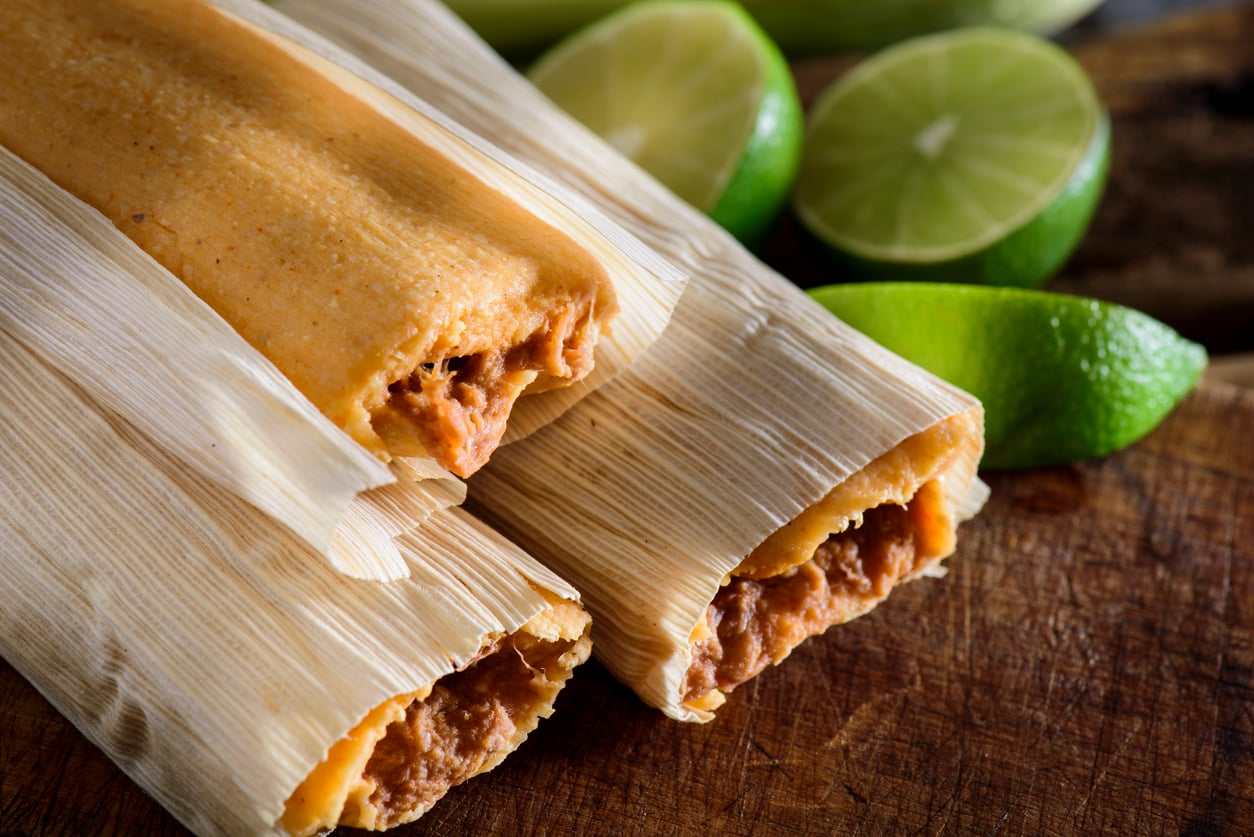
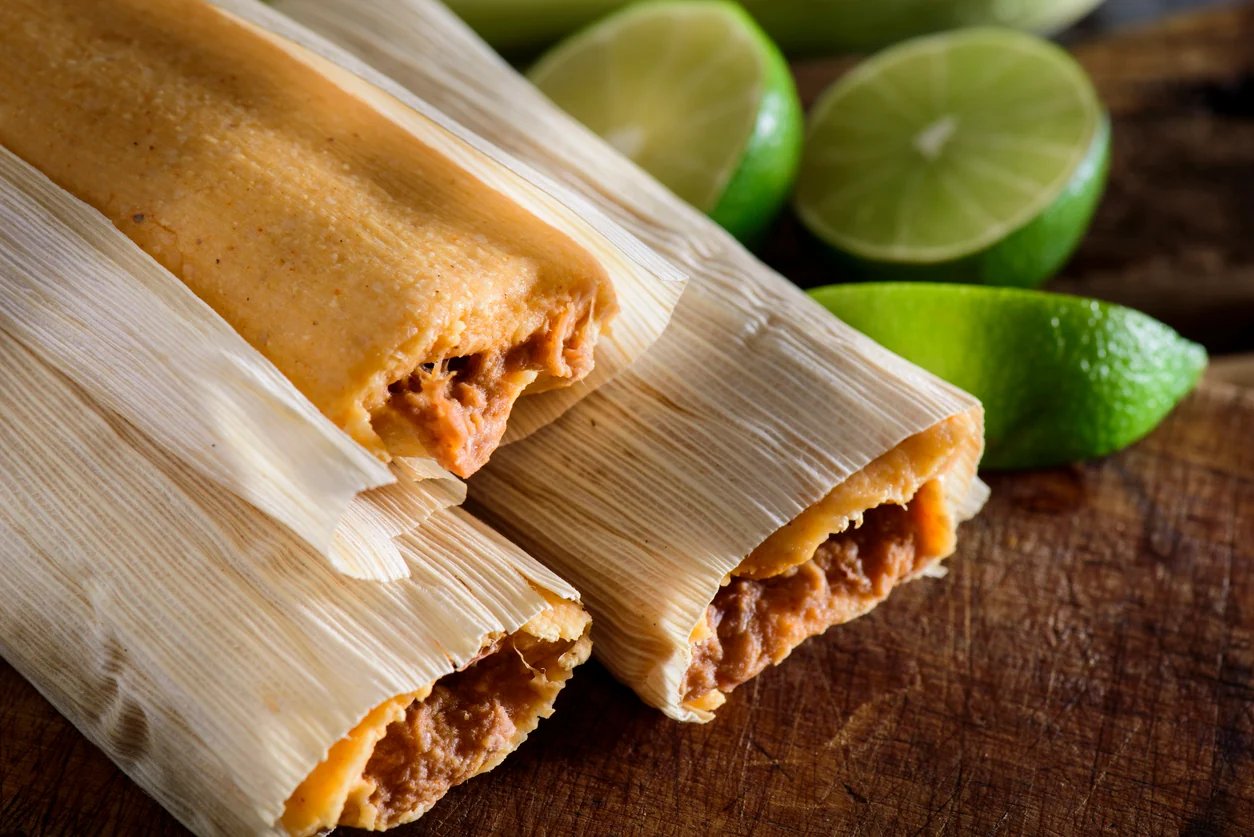
You might not expect tamales to be a Mississippi specialty, but they’ve been part of Delta food culture for more than a century. Smaller and often spicier than Mexican-style tamales, they’re commonly made with cornmeal and simmered in seasoned liquid. Their exact origins are debated, although Mexican migrant workers and African American cooks helped shape the tradition. Street vendors eventually made them a familiar local meal. They reveal a side of Mississippi history that goes beyond fried catfish, showing how different communities influenced one another through food.
Upper Peninsula Pasties – Michigan

Long before tourists started buying pasties at roadside shops, miners in Michigan’s Upper Peninsula relied on these hearty pastry pockets for lunch. Cornish immigrants brought the tradition to the region during the 19th century, when copper and iron mining attracted workers from overseas. A traditional pasty contains meat, potatoes, onions, and sometimes rutabaga, all baked inside a sturdy crust. It’s filling, portable, and easy to eat without utensils. The dish says plenty about the Upper Peninsula’s industrial past and the immigrant families who helped build its communities.
Saimin – Hawaii
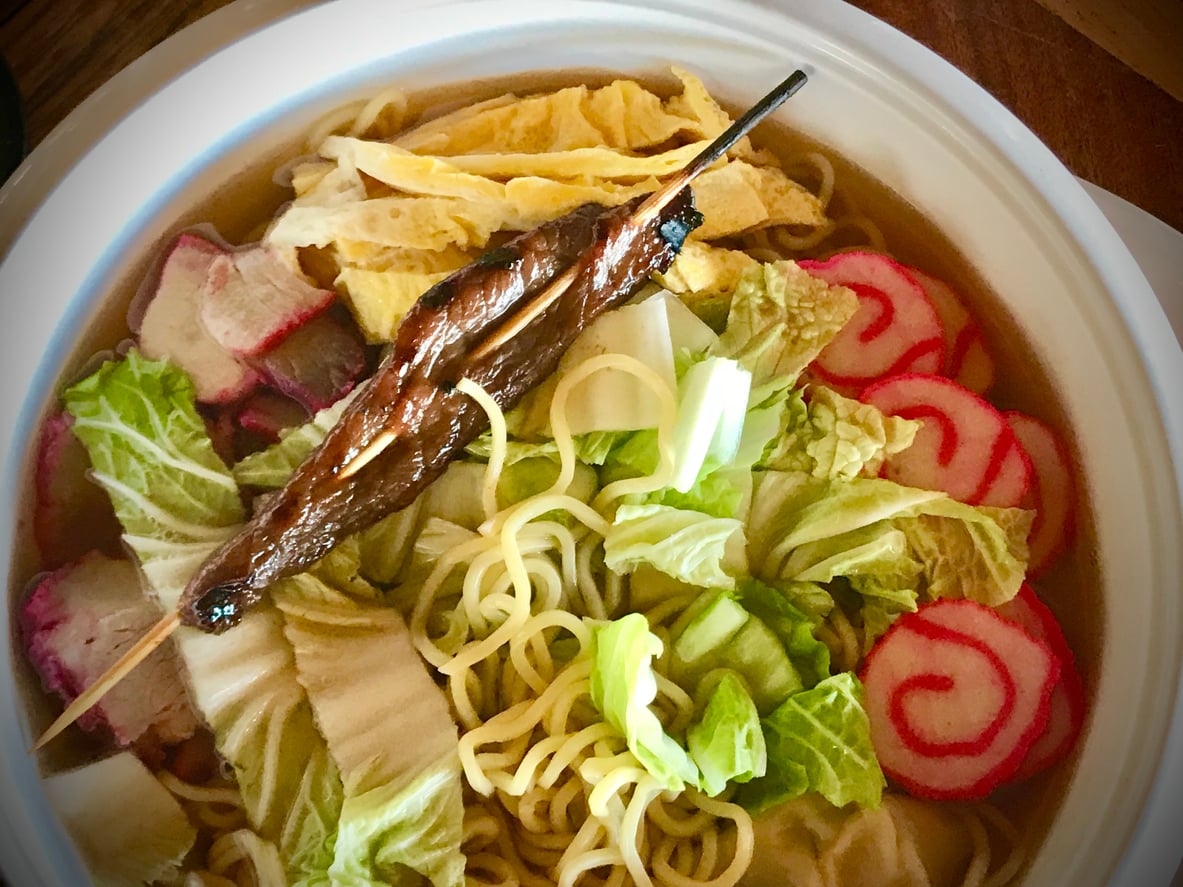
Hawaii’s food history isn’t limited to poke bowls and plate lunches. Saimin, a comforting noodle soup, reflects the islands’ plantation-era immigrant communities. Workers from different Asian backgrounds brought their own cooking traditions, helping create a dish with chewy noodles, savory broth, and toppings such as green onions, fish cake, or sliced pork. It’s still served in neighborhood noodle shops, including Hamura Saimin on Kauai. A simple bowl offers a reminder that Hawaii’s local cuisine grew through generations of cultural exchange, not from any single culinary tradition.
Bean-Hole Beans – Rural Maine
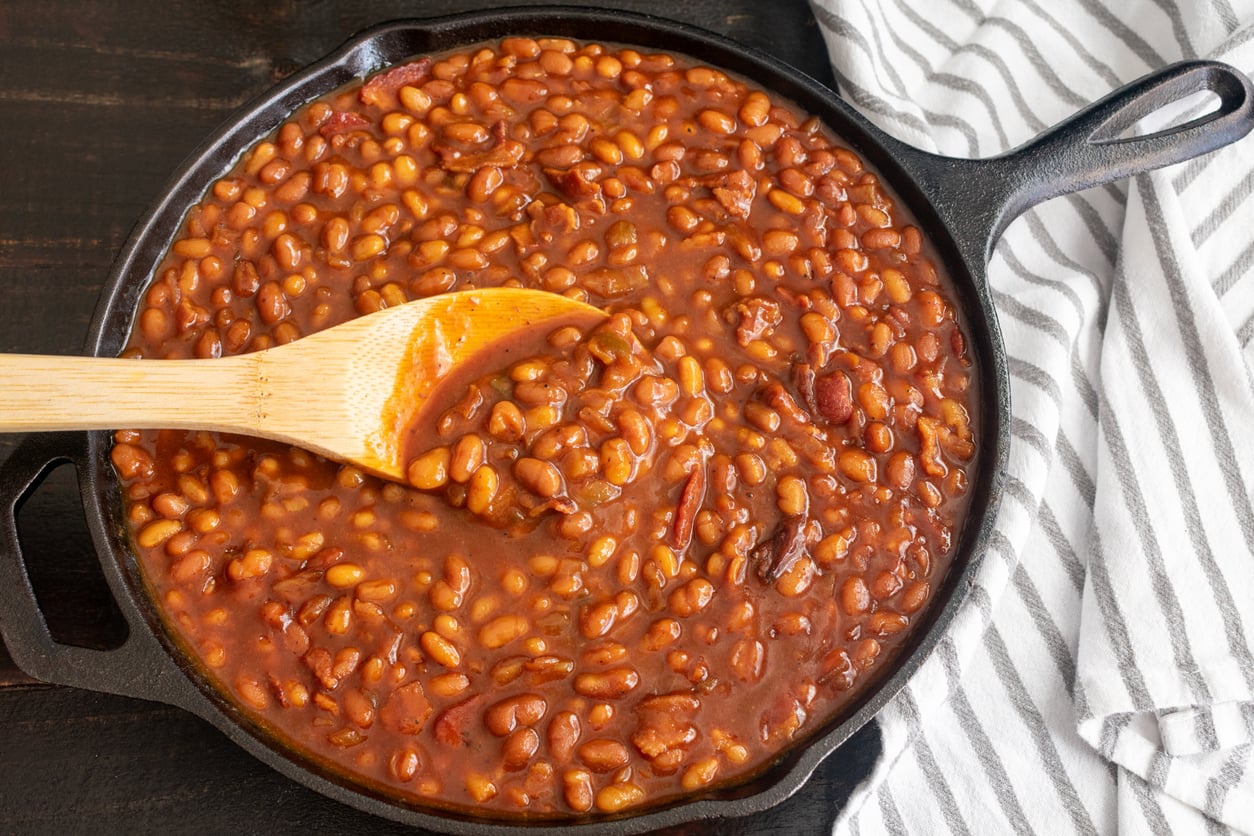
Maine might be famous for lobster, but its logging history comes alive through a pot of beans. Bean-hole beans are slowly cooked underground, traditionally in a covered cast-iron pot surrounded by hot coals. The technique has roots in Indigenous food traditions and later became practical for logging camps, where workers needed hearty meals after long days in the woods. Beans, molasses, and salt pork were inexpensive ingredients that could feed a crowd. Today, community gatherings and heritage events keep the tradition alive, even if most home cooks use an oven instead.
Bierocks – Kansas
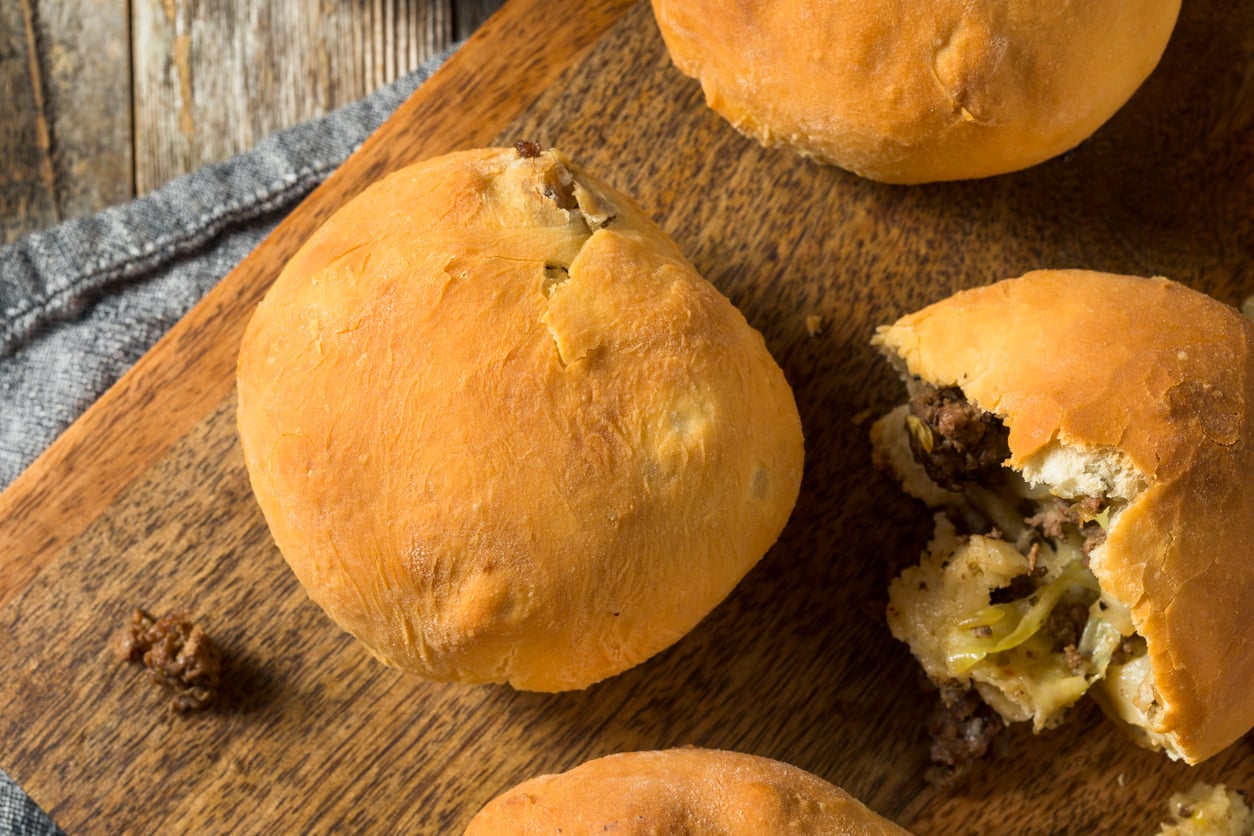
A bierock might look like an ordinary bread roll until you cut it open. Inside is a savory mixture of ground beef, cabbage, onions, and seasonings, wrapped in soft yeast dough. German-Russian immigrants brought the tradition to the Great Plains, where it became a practical meal for farming families. The ingredients were relatively inexpensive, and the bread kept everything together without needing a plate. Bierocks remain popular in parts of Kansas, particularly around Wichita. They’re a reminder that the state’s food history includes much more than cattle and barbecue.
Monday Red Beans and Rice – New Orleans, Louisiana
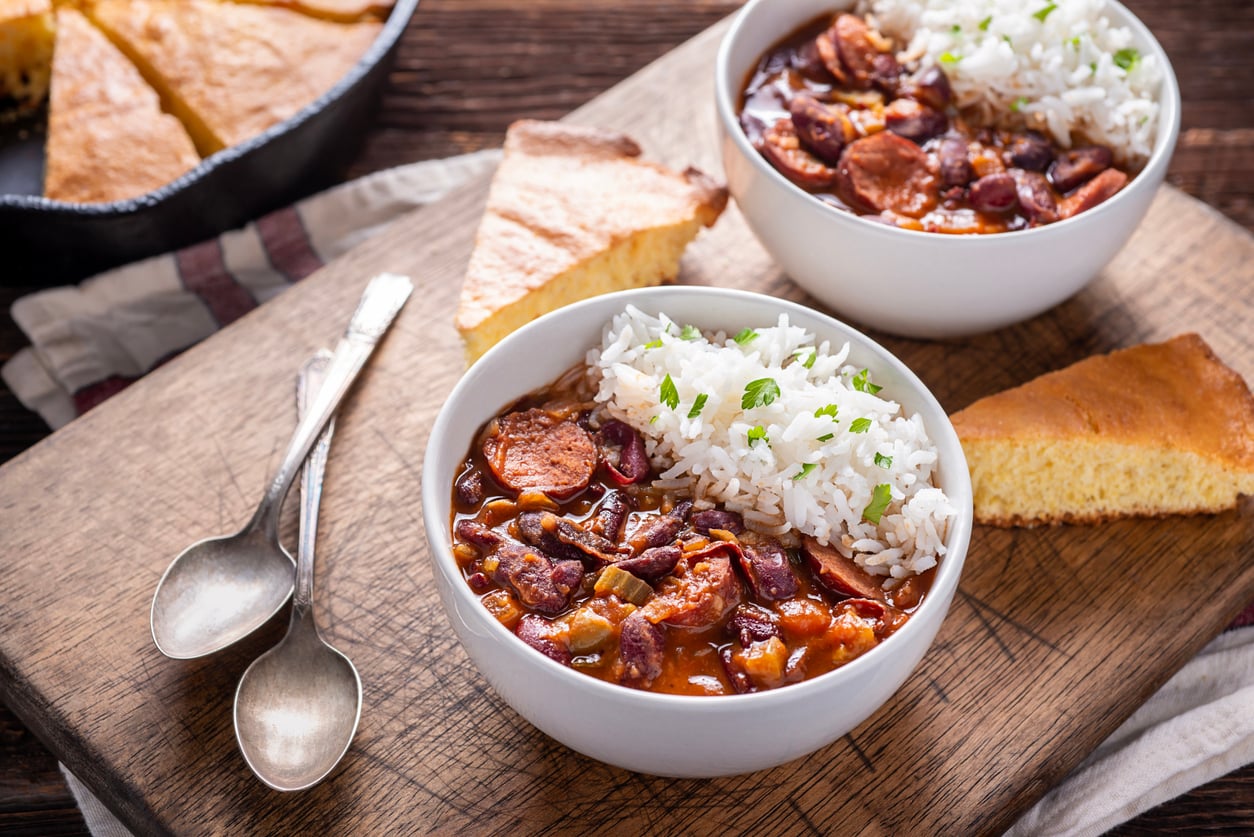
New Orleans has plenty of famous restaurant dishes, but red beans and rice tells a more everyday story. Traditionally served on Mondays, the meal became associated with washday, when households needed something that could simmer while laundry and other chores were underway. Dried red beans, seasonings, and leftover pork made a filling meal without requiring expensive ingredients. The dish remains a Monday tradition at many neighborhood restaurants. Its appeal goes beyond flavor, offering a glimpse into the household routines and practical cooking habits that shaped the city’s food culture.
Sonoran Hot Dogs – Tucson, Arizona

Tucson’s Sonoran hot dog tells a story about life along the Arizona-Mexico border. A bacon-wrapped hot dog is tucked into a soft bolillo-style bun, then piled with beans, tomatoes, onions, mayonnaise, mustard, and other toppings. The combination reflects culinary traditions shared across southern Arizona and the Mexican state of Sonora. Stands such as El Guero Canelo helped make the specialty a familiar part of Tucson’s food scene. It’s messy, filling, and usually best eaten with plenty of napkins, but that’s part of its appeal as an everyday street food.
Chicken Bog – Horry County, South Carolina
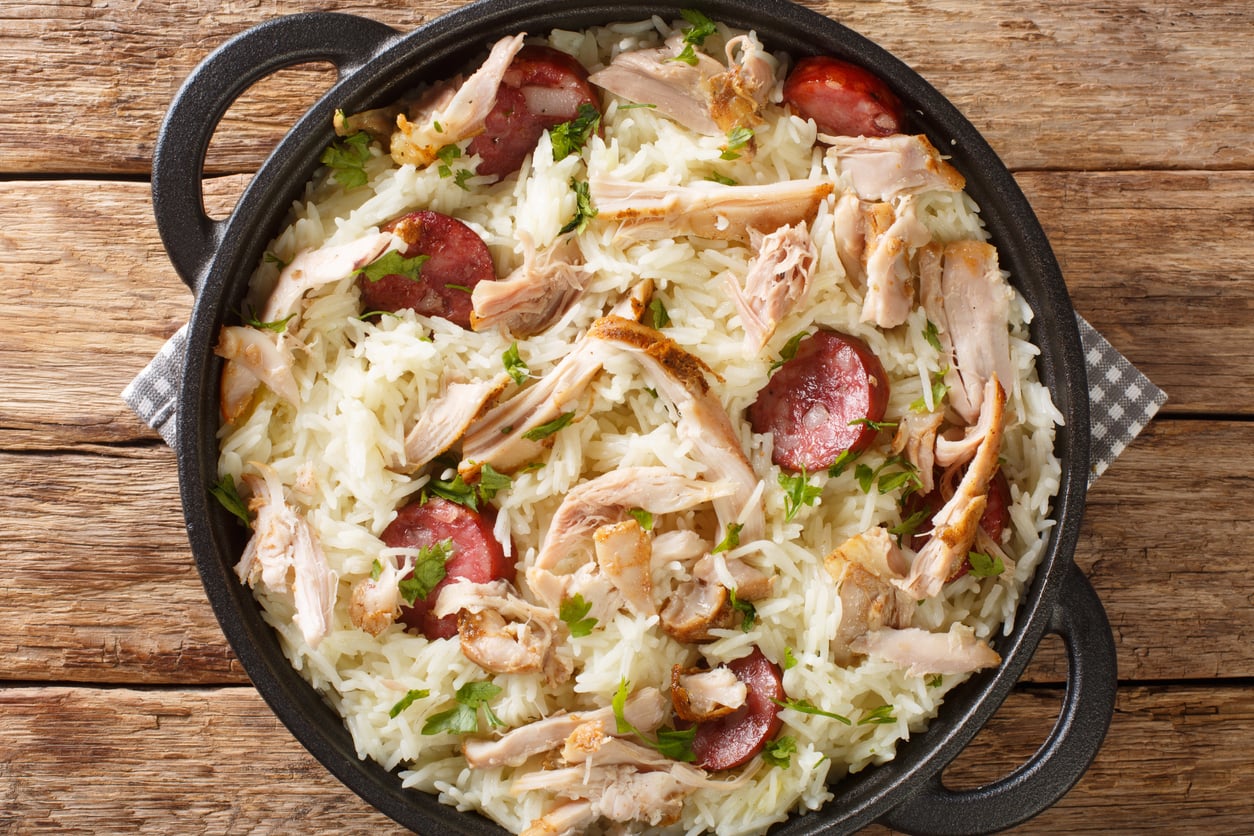
Chicken bog might not have the name recognition of shrimp and grits, but it’s deeply connected to northeastern South Carolina. Made with chicken, rice, sausage, and broth, this one-pot dish was traditionally prepared in large quantities to feed people after tobacco harvesting. Its moist texture distinguishes it from drier rice dishes, and recipes vary between households. Around Horry County, chicken bog remains associated with family gatherings and community events. It’s the kind of practical cooking that reveals how local agriculture and the need to feed hardworking neighbors shaped regional food traditions.
Sign up for our newsletter
Subscribe to Cheapism and get exclusive tips, top deals, and money-saving ideas sent directly to you.
Pepperoni Rolls – North-Central West Virginia

A pepperoni roll might seem like a simple snack, but in West Virginia, it carries a history of coal mining and Italian immigration. Soft bread baked around pepperoni made a portable, filling lunch for workers who couldn’t sit down to a proper meal underground. The rolls eventually spread into bakeries, grocery stores, and school cafeterias. Fresh versions are particularly appealing because the pepperoni flavors the surrounding bread as it bakes. Locals often complain that packaged versions can be dry, making a good bakery roll worth seeking out.
Carolina Livermush – Western North Carolina
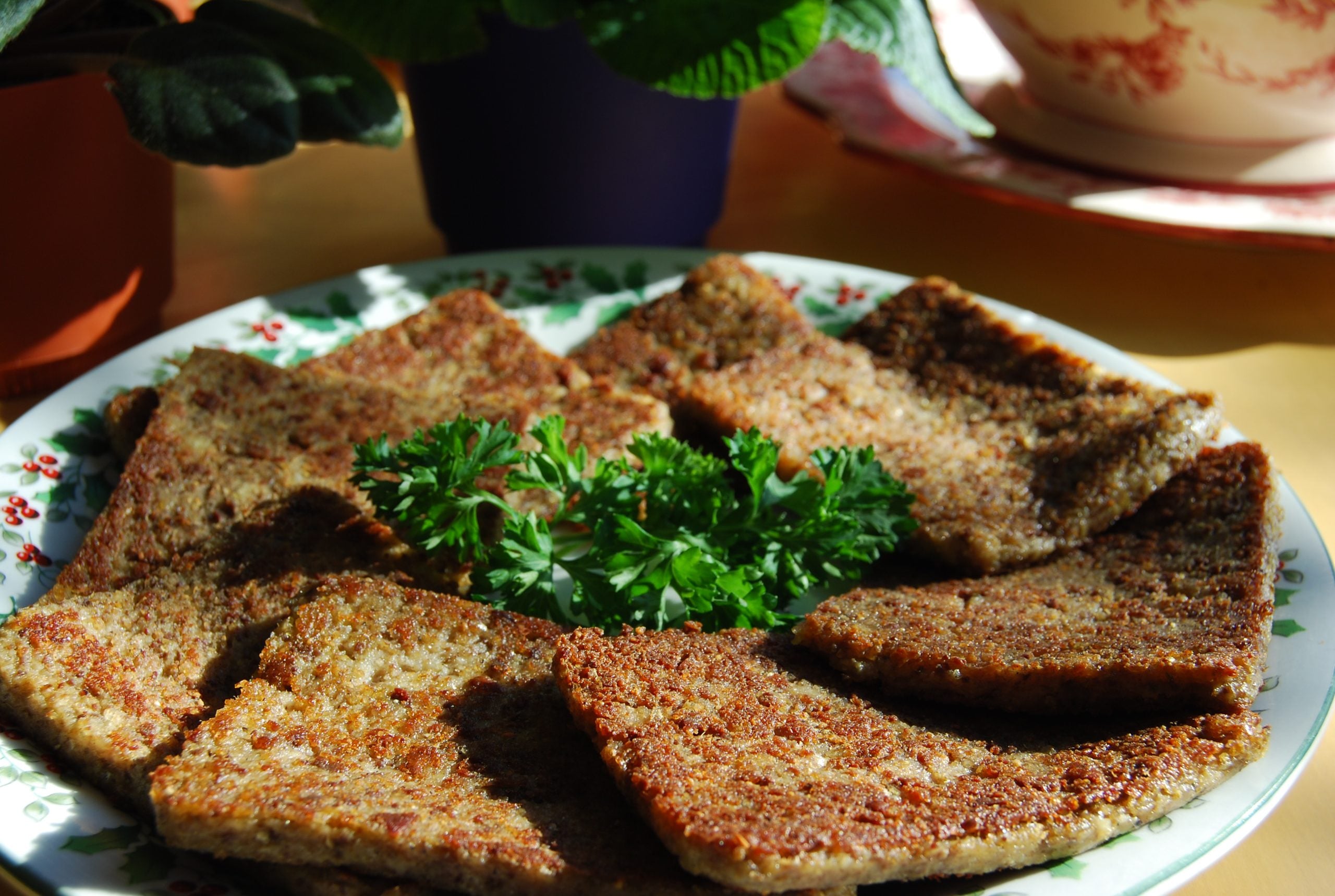
Livermush isn’t a name that immediately sells itself, but this old-fashioned breakfast food has a loyal following in western North Carolina. Made from pork liver, other pork ingredients, cornmeal, and seasonings, it’s formed into a loaf, sliced, and fried until crisp on the outside. The recipe reflects a time when families made use of as much of a butchered hog as possible. Around Shelby, it’s still served in breakfast sandwiches or alongside eggs. The flavor isn’t for everyone, but its history reveals the resourcefulness behind traditional Appalachian cooking.
Rhode Island Jonnycakes – South County, Rhode Island

Before boxed pancake mixes became common, Rhode Island families were making jonnycakes from stone-ground cornmeal. These simple griddle cakes reflect the state’s agricultural and milling history, particularly the use of local flint corn. Even within Rhode Island, there’s disagreement over the proper preparation. South County versions tend to be thicker, while Newport-area recipes favor thinner cakes. They’re often served with butter or syrup, although the corn flavor is noticeably different from ordinary pancakes. Jonnycakes show how even a few inexpensive ingredients can develop a surprisingly strong regional identity.
Ramps, Brown Beans, and Cornbread – Appalachia, West Virginia
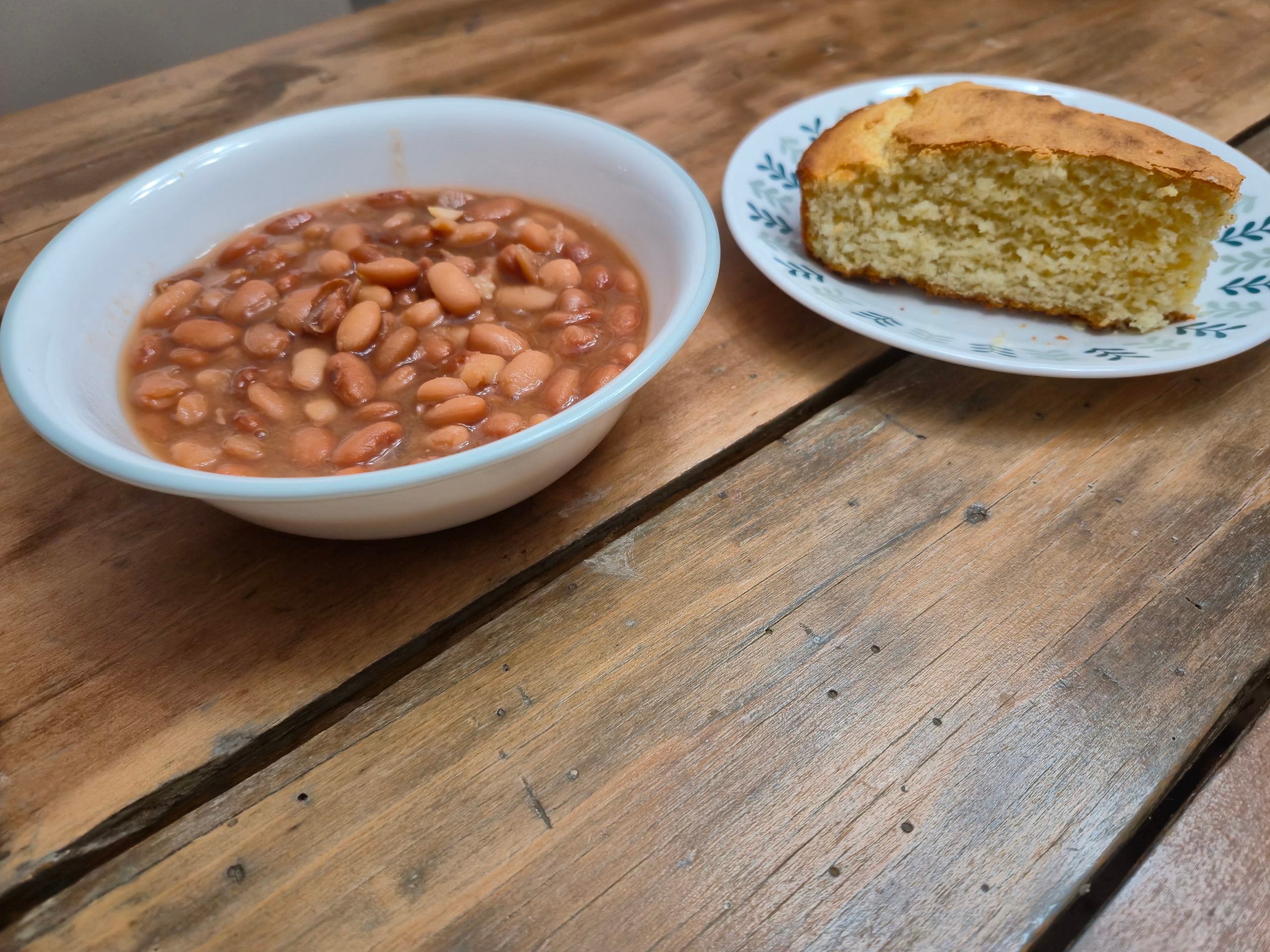
In Appalachian communities, spring once brought a welcome change from the preserved foods that helped families through winter. Wild ramps, which taste like a cross between onions and garlic, became a seasonal favorite, often served with potatoes, brown beans, and cornbread. Gathering them connected food traditions directly to the surrounding mountains and forests. Ramp dinners and festivals still celebrate that history across West Virginia. Because wild ramps grow slowly and can be damaged by overharvesting, responsible sourcing matters. This simple meal reflects a regional relationship with seasonal ingredients that supermarkets can’t easily reproduce.