
Let’s learn about China via these 109 free blog posts. They are ordered by HackerNoon reader engagement data. Visit the Learn Repo or LearnRepo.com to find the most read blog posts about any technology.
Stay up-to-date with what’s going on in the most populated country in the world.
1. Behind the startup: Interview with Alexander Busarov on Fighting Counterfeiting in China

In this interview we speak with Alex Busarov the co-founder of Taelpay about Taelpay ecosystem a blockchain application developed by the team while operating in China. Tael consists of over
50,000 users in 500 cities, hundreds of products protected with NFC chips and
blockchain, all in cooperation with a long list of participating companies like Rakuten,
Nestlé, New Zealand Cherry Corp,and many more. The Tael ecosystem is anchored by
the Tael token which acts as a reward, loyalty, and marketing incentive for
participants in the ecosystem. Now lets delve straight into the interview!
2. The 3 most promising public blockchain projects from China for 2018
Because of all of the encouraging feedback I received for my previous article, going forward I’ll use this blog to present research I have conducted on Chinese blockchain projects so you don’t have to. I often get asked how I find all of the information that I do, and I know that information about them is often hard to find for a lot of people so I hope it will be of help. The article today is based on what I believe to be the 3 biggest and most promising projects in China today, including names we already know like Neo and Tron. 6 months ago CoinMarketCap’s top 10 looked very different to how it looks today — people had only just heard about Neo (it was Antshares 6 months ago), Qtum didn’t exist, Tron didn’t exist and neither did many others. I believe 12 months from now it will look completely different to how it looks right now as well.
3. How China’s New National Cryptocurrency Changes Everything
China is launching a national cryptocurrency. In this article, we’ll tell you what information is already known about the project at the moment as well as how it may change the financial world.
4. MATRIX, although you’ve never heard of it, is the next 10000%+ ICO. Here’s why

Overview: MATRIX is an open-source blockchain that supports smart contracts and machine learning services. With its infrastructure built with artificial intelligence (AI) techniques, MATRIX revolutionizes the user experience of executing smart contracts by making the whole process faster, easier, and safer. MATRIX offers breakthrough technologies in building highly flexible blockchain networks, which support continuous adaptive self-optimization and multi-chain collaboration and transaction. In addition to refactoring the blockchain with AI, MATRIX also allows its mining power to be used AI based big data applications (gene regulatory networks, clinical diagnoses, video analytics and more) by solving complex AI algorithms. This takes the large amounts of energy consumed by typical proof of work calculations and allows them to directly add value to the world, and to the applications that will run on the MATRIX chain.
5. A Brief History of Jack Ma’s Ant Financial – the $150B Unicorn

Image: crowdfundinsider.com
6. How Government Policies Influence e-Payment Adoption

Mobile payments, wallets, and digital banking have made a splash around the world over the last few years, as smartphone adoption grows and the demand for alternative e-payment options rises. According to eMarketer:
7. How I Programmed A Huawei GT-2 Watch To Display Net-Aggregate Crypto-Yields
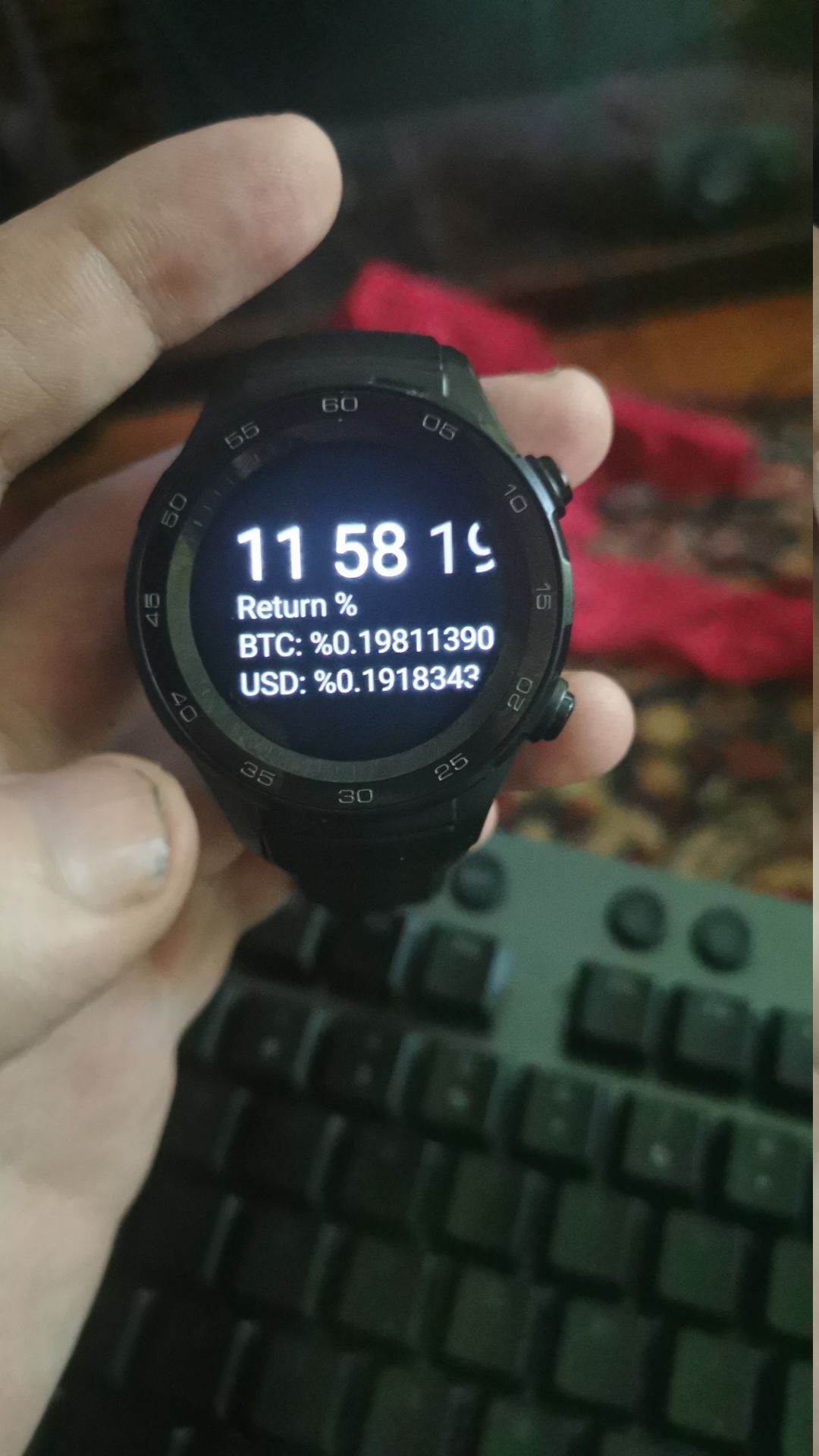
Well, after 2 weeks of waiting I received my Huawei GT-2. Sure, Chinawatch watches you and all, but that was fine with me.
8. What “Made in China” Means Today
For a long time, “Made in China” was considered a sign of poor quality goods and services. Now everything changed. I discuss how this transformation took place
9. Big Brother Meets Black Mirror in the Middle Kingdom
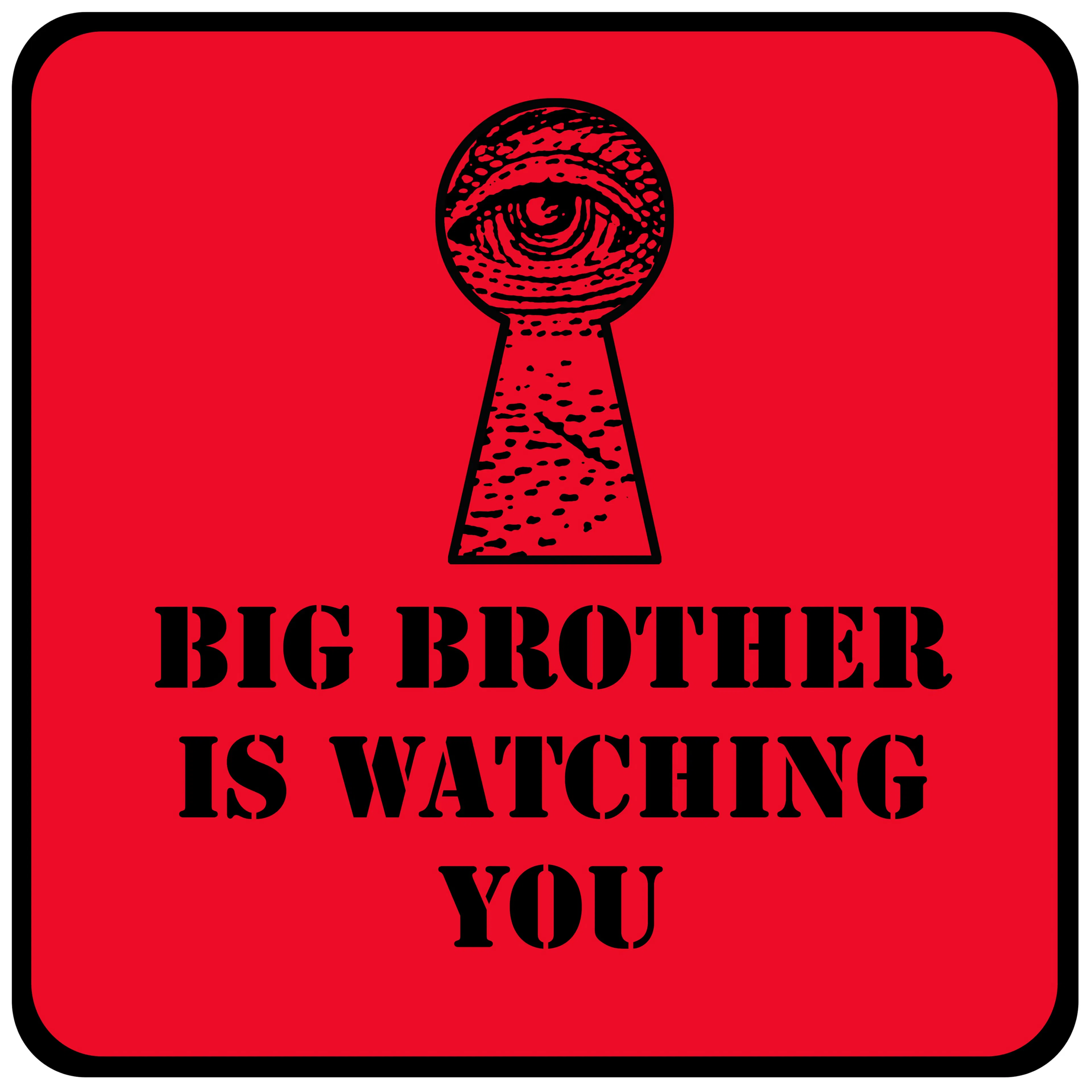
Imagine a world where everything you ever do or say is watched and rated by invisible eyes.
10. Comeback
11. GCJ-02 Explained: The Chinese Coordinate System—For Developers
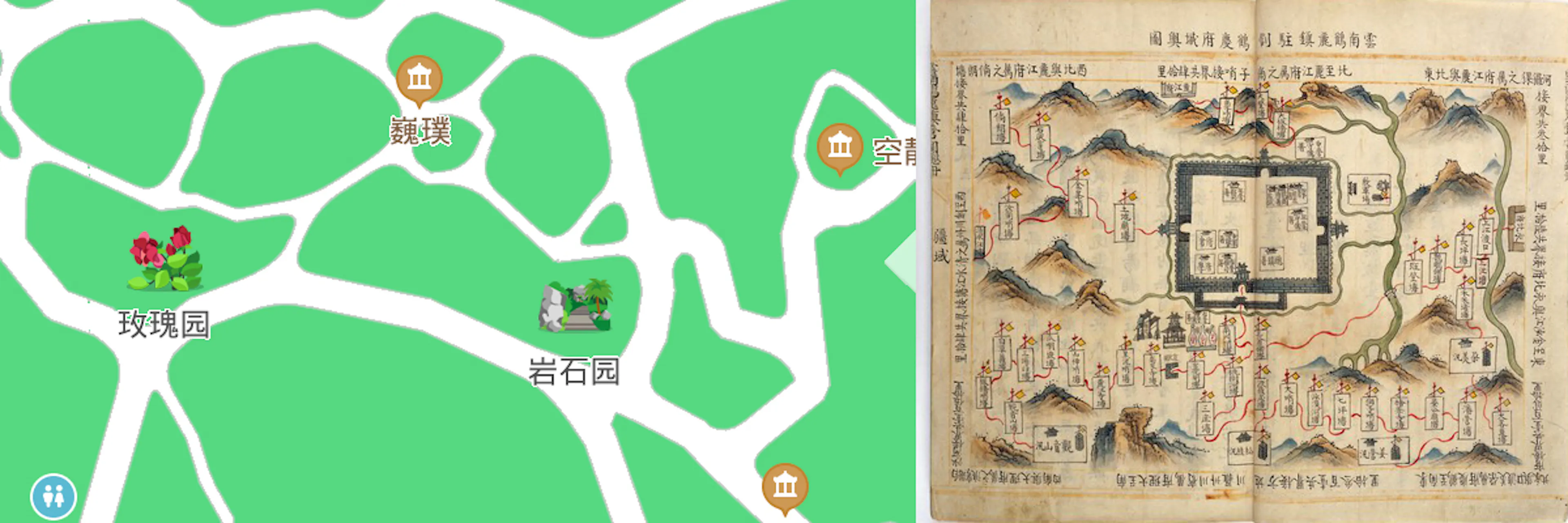
I remember my first visit to China in 2010. We booked a hotel in a good location in Guangzhou, saving the coordinates and routes to Google Maps prior to our arrival. But when we got there, it was immediately obvious that there were no hotels in that area. I was at the correct point where my hotel should be, but all I have around me is a huge square (花城广场 – aka, Flower City Square).
12. Is “Balkanized” Internet The Dark Future of Decentralized Internet?

There’s a thin line between decentralization and the “balkanization” of the internet.
13. Life After COVID-19: How China is Going Back to Work

As Europe and the US are bracing for the worst of COVID-19, life in China is gradually going back to normal. Aside from lockdowns and social distancing, what can we learn from the measures taken to control the outbreak, and how life can resume safely?
14. With the Death of Cash, Privacy Faces a Deeply Uncertain Future

The Coming Death of Cash and the Battle for the Future of Money. In One Future We have a Private, Anonymous Alternative to Cash but in the Black Mirror Future t
15. Cool Things You Didn’t Know About Alicloud in 2022
Alibaba Cloud #3 cloud provider in the world. It is available outside of mainland China, in fact, it has data centers in 25 regions and 80 availability zones.
16. 5 Ways China Is Using Blockchain Technology Against Coronavirus

We all remember the previous deadly Ebola virus outbreak, which lasted three years from 2013–2016 affected the dominant population of Africa.
17. Alibaba’s Metaverse Art Exhibition is a Great Snapshot of China’s Current NFT Landscape

This confusing exhibition provides a stellar and pretty comprehensive snapshot of China’s NFT landscape from a number of angles
18. CBDC Digital Yuan Deployment To Massively Impact Cross-Border Policy Regulators’ Decisions
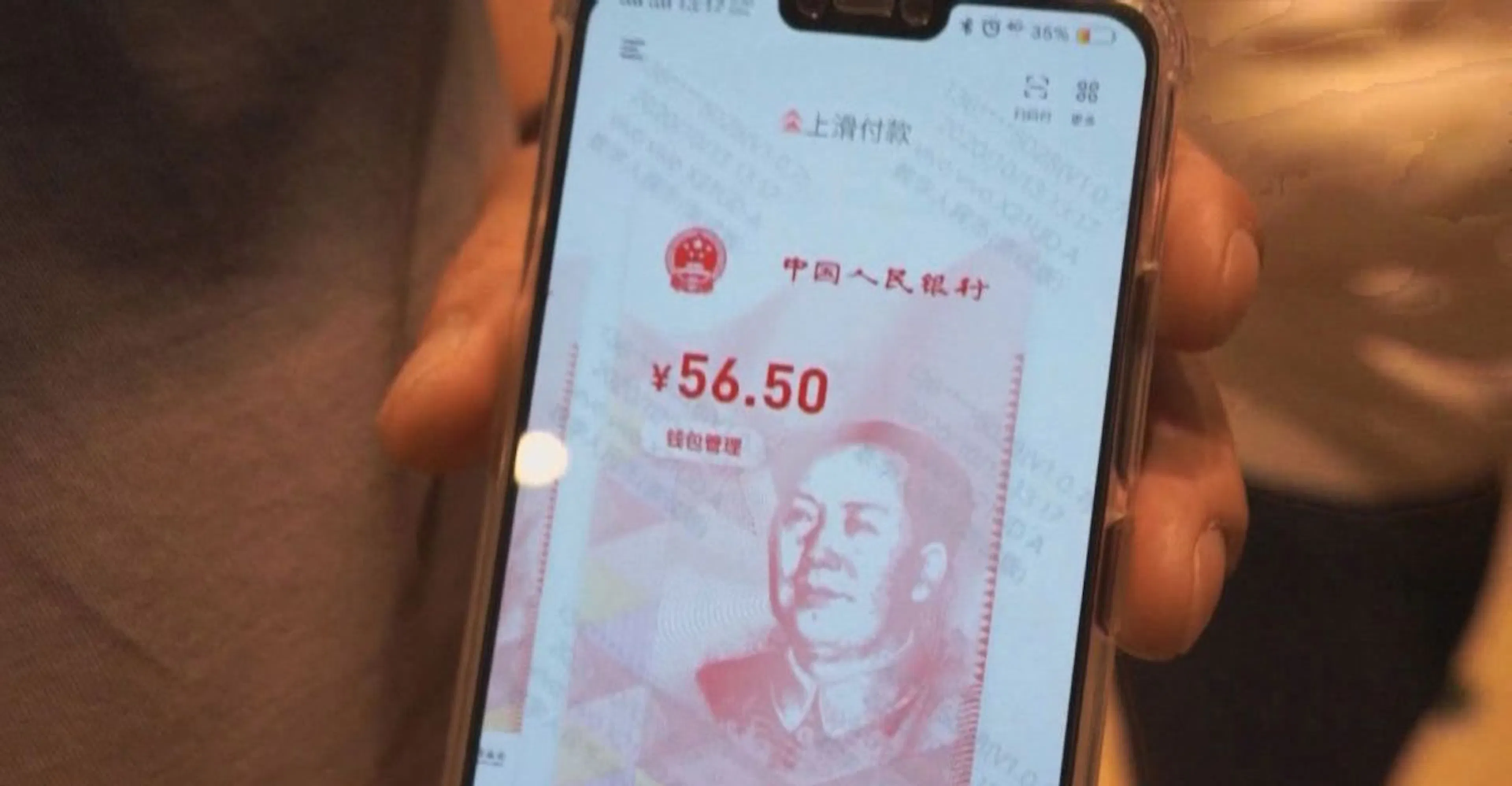
The PBOC’s app release gives the world excellent insight into China’s e-CNY ambitions, particularly with the upcoming Winter Olympics and Chinese New Year.
19. China’s Information Warfare via LOGINK Continues Unabated: Here’s How It’s Done
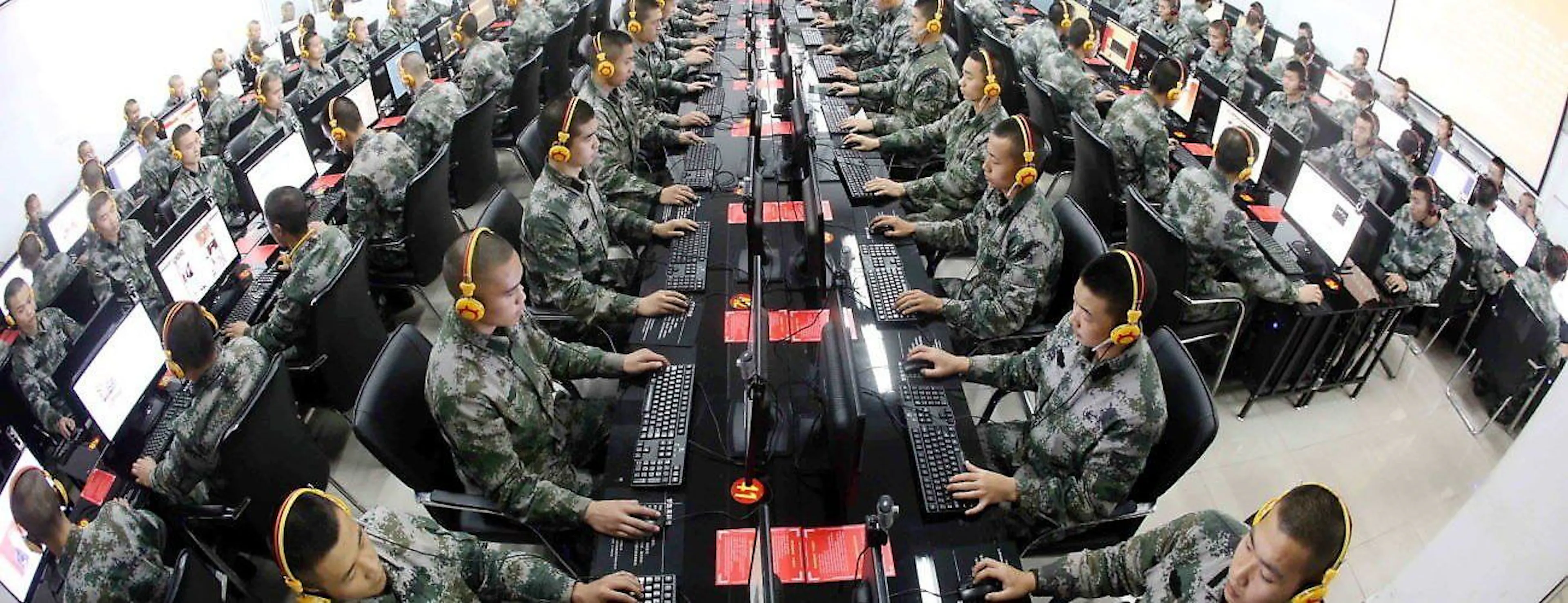
The PRC has created LOGINK, a logistics-focused software, for the purposes of data collection in accordance with its information warfare efforts.
20. The 3 Potential Countries that could become the “Next China” in the Crypto Market
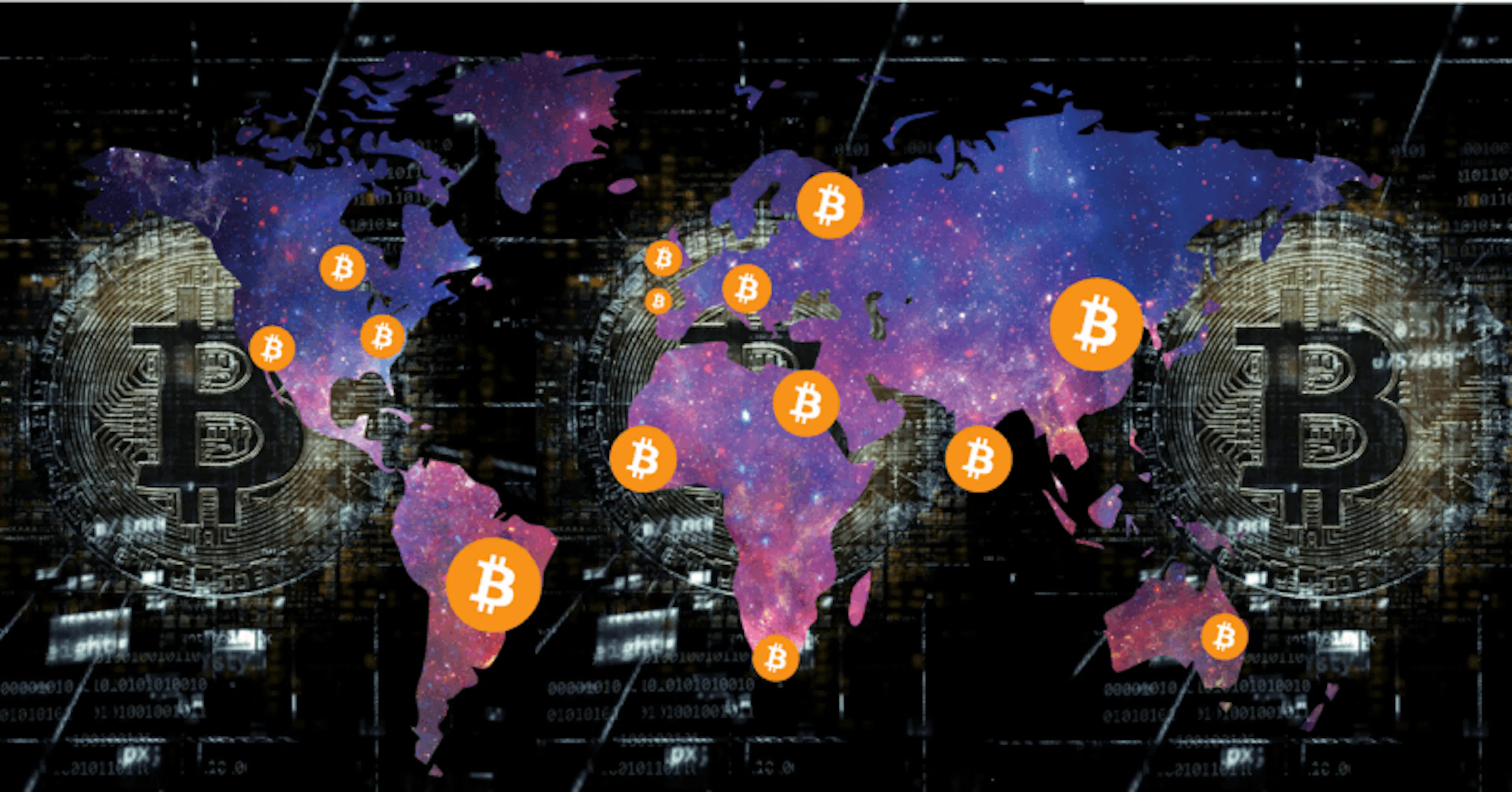
At the onset of the cryptocurrency revolution which began with Bitcoin, China seemed to be leading the way almost on all fronts. The country had a considerable monopoly on Bitcoin mining with large-scale mining facilities dotted across the country. So large was the country’s influence on Bitcoin mining that it led to fears of centralization with other large-scale miners seemingly unable to compete. The cryptocurrency trading and ICO markets were also buoyant as well. A few mainland Chinese exchange platforms were among some of the largest in the world.
21. The Great Firewall of China is Not so Great, Afterall
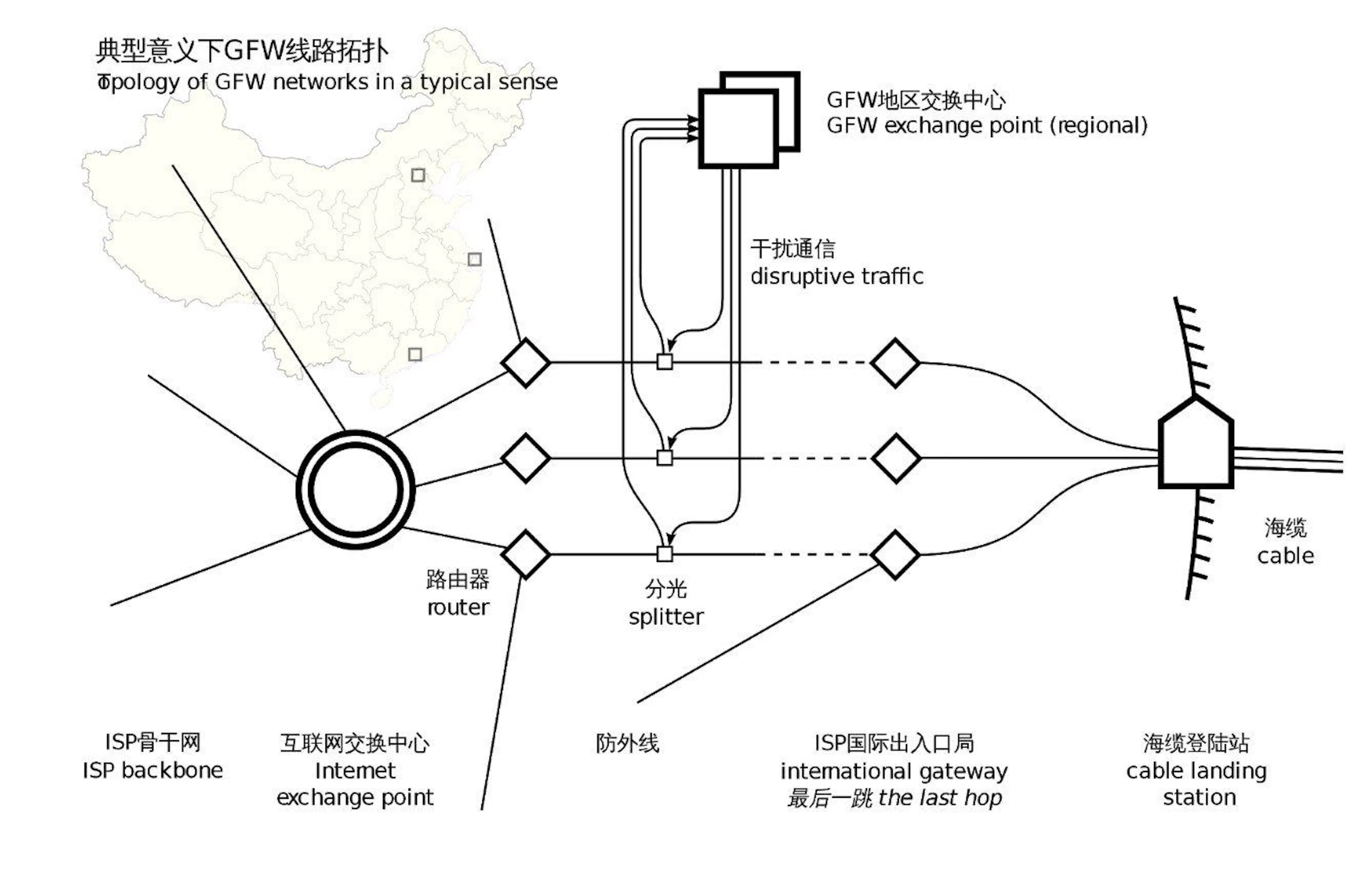
We crack open the technology that keeps 1.4 BILLION people walled in
22. TikTok: A Ticking Time Bomb?

One of the most popular apps of 2019, TikTok ruled the download charts in both the Android and Apple markets. Having more than 1.5 billion downloads and approximately half a billion monthly active users, TikTok definitely has access to a trove of users. With that large user base comes a hidden goldmine: their data.
23. 5 Realities of Tech in China

From the well-known to the hardly spoken about.
24. COVID-19: Perceived Spread vs. True Spread in China, Italy and the US
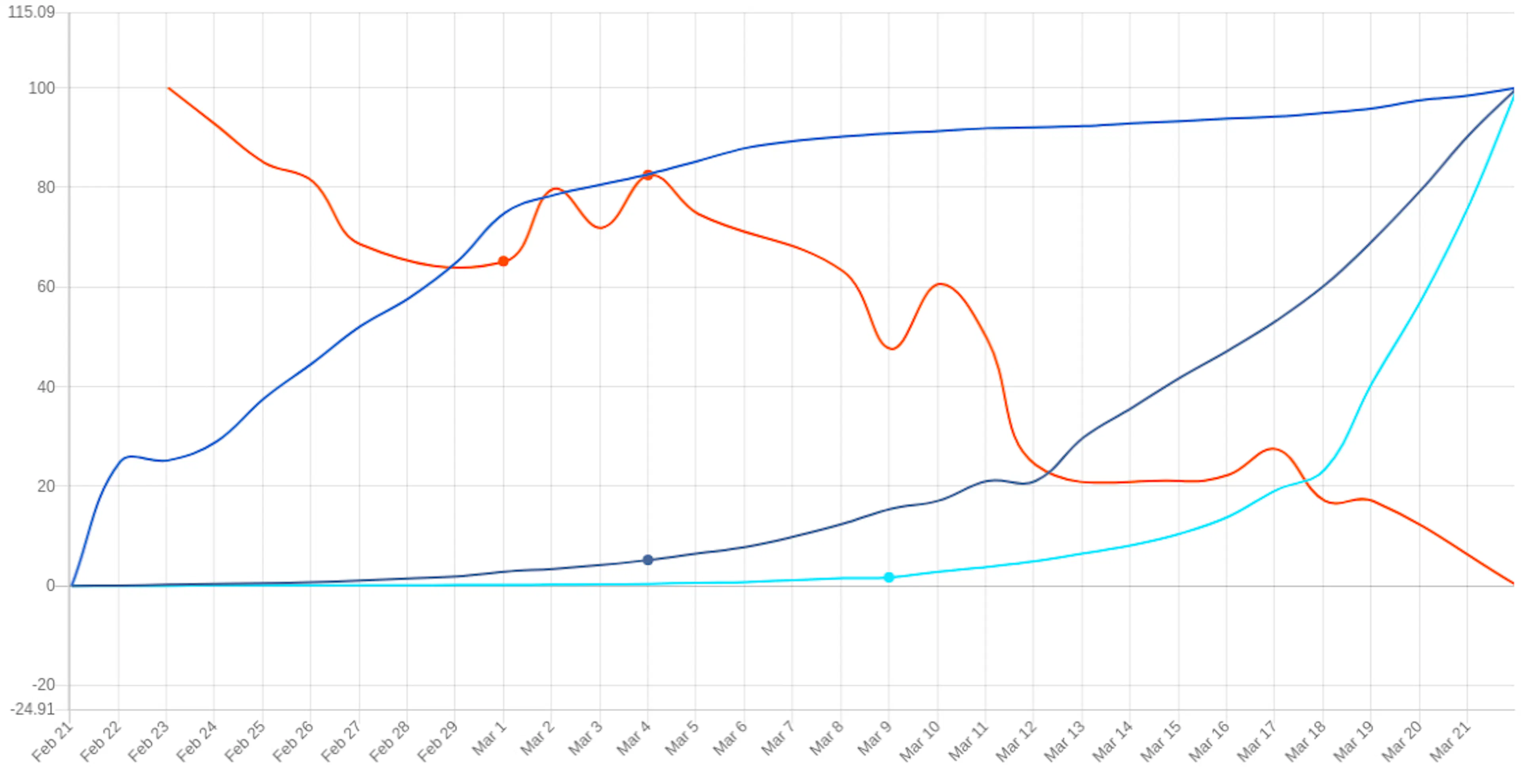
Here at TimeNet, we’re building a large time series database with the primary aim of benefitting society through access to data. In this post we’ll study different time series representing both the true, and the perceived spread of the coronavirus (COVID-19) pandemic. Daily COVID-19 numbers are currently available on TimeNet.cloud for many countries. We’re expanding these datasets with further variables measuring how we (people) perceive the significance of the pandemic. We use stock market movements and internet search trends to quantify the virus’s perceived spread.
25. Tang Ping: The Chinese Version of The Great Resignation

Is the Great Resignation a global phenomenon?
26. Ant Financial: Controversies around the Biggest IPO in History
At a share price of 68.8 Chinese yuan, the Ant Financial IPO was expected to raise $34 billion in its public offering at the Shanghai and Hong Kong exchanges — which would value it at over $300 billion.
27. Lessons From GitLab—A $1 Billion Business With 700 Remote Employees

A lot has changed since I shared my last article related on COVID-19 (the most recent strain of coronavirus), and how AI and Blockchain professionals and industry experts are tackling the crisis.
28. Unveiling the PLA-ISF and China’s AI Ambitions
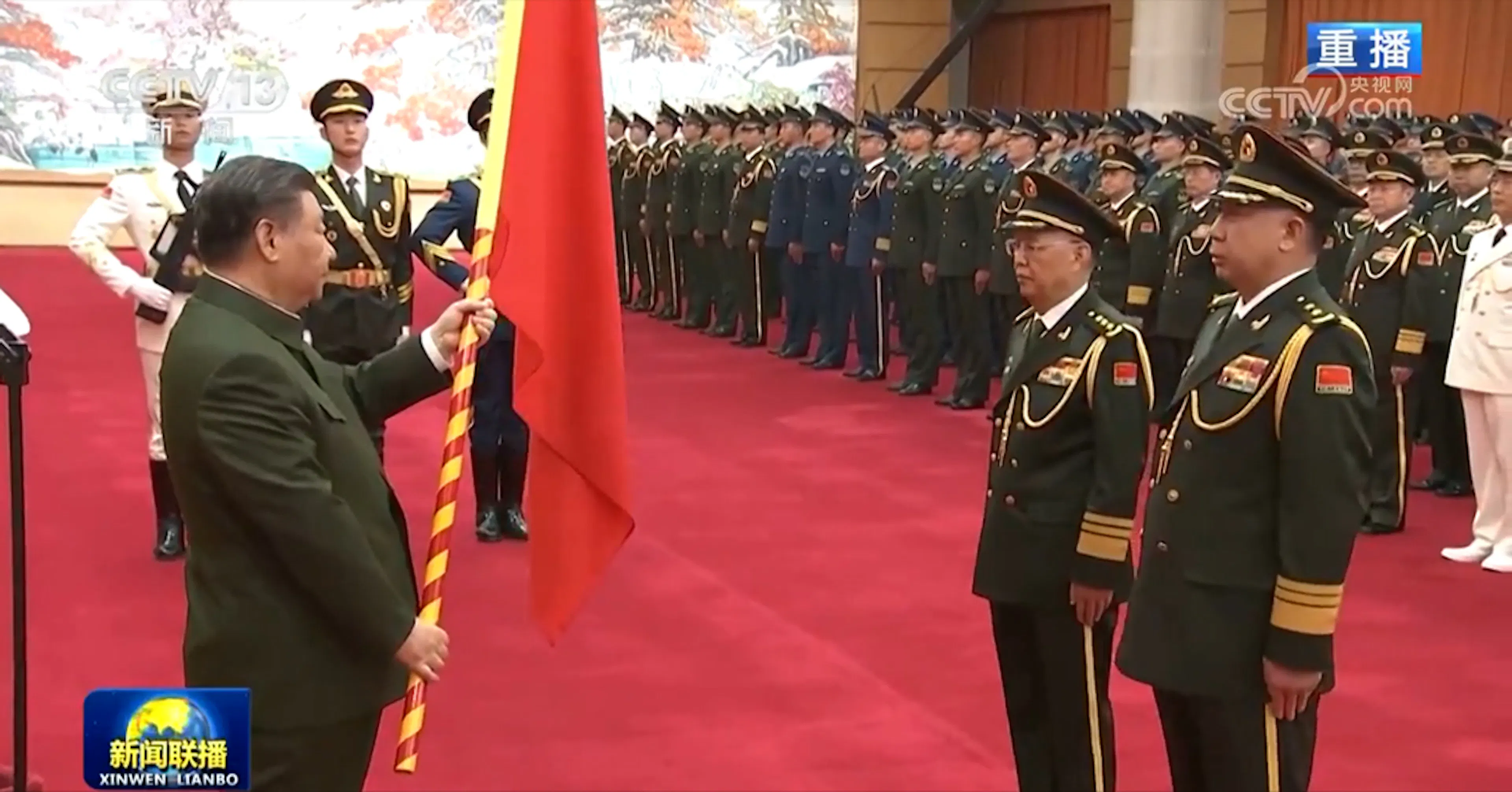
The creation of the PLA-ISF is cause for concern because it suggests increased Chines government control over all AI activities within China.
29. The Fed Finally Cut Rates. What’s Next?

Last week, the US Federal Reserve lowered the rate as most analysts expected.
30. China Gave Its AI Away

China ditched big, expensive AI models and gave its technology away for free. The numbers now suggest that decision was the smartest play in the race.
31. China Releases the Kraken Against US Dollar

The view of the world community was riveted to the problem of relations between the United States and China, known as the trade war. Donald Trump’s tweets, renminbi price drop, duties, and much more.
32. Panda Power

33. Can Blockchain Bring Electricity to 2 Billion People off the Grid?

Electricity is, for the most part, a worldwide utility easily reachable by consumers. But when it comes to the energy industry as a whole, conditions sway into strict regulation, monopolies, or even total chaos. Producing electricity itself is only half the story – making use of existing grids, matching supply and demand, and reducing greenhouse emissions while producing it is a complex task.
34. Why Are All Eyes On China’s Digital Yuan?
China has continuously been in global news, be it corona crisis, diplomatic relations, army conflicts or trade & commerce. Since the last couple of weeks, everyone is talking about China’s digital currency.
35. The Digital Yuan is China’s Biggest Pushback Against Global AML Initiatives
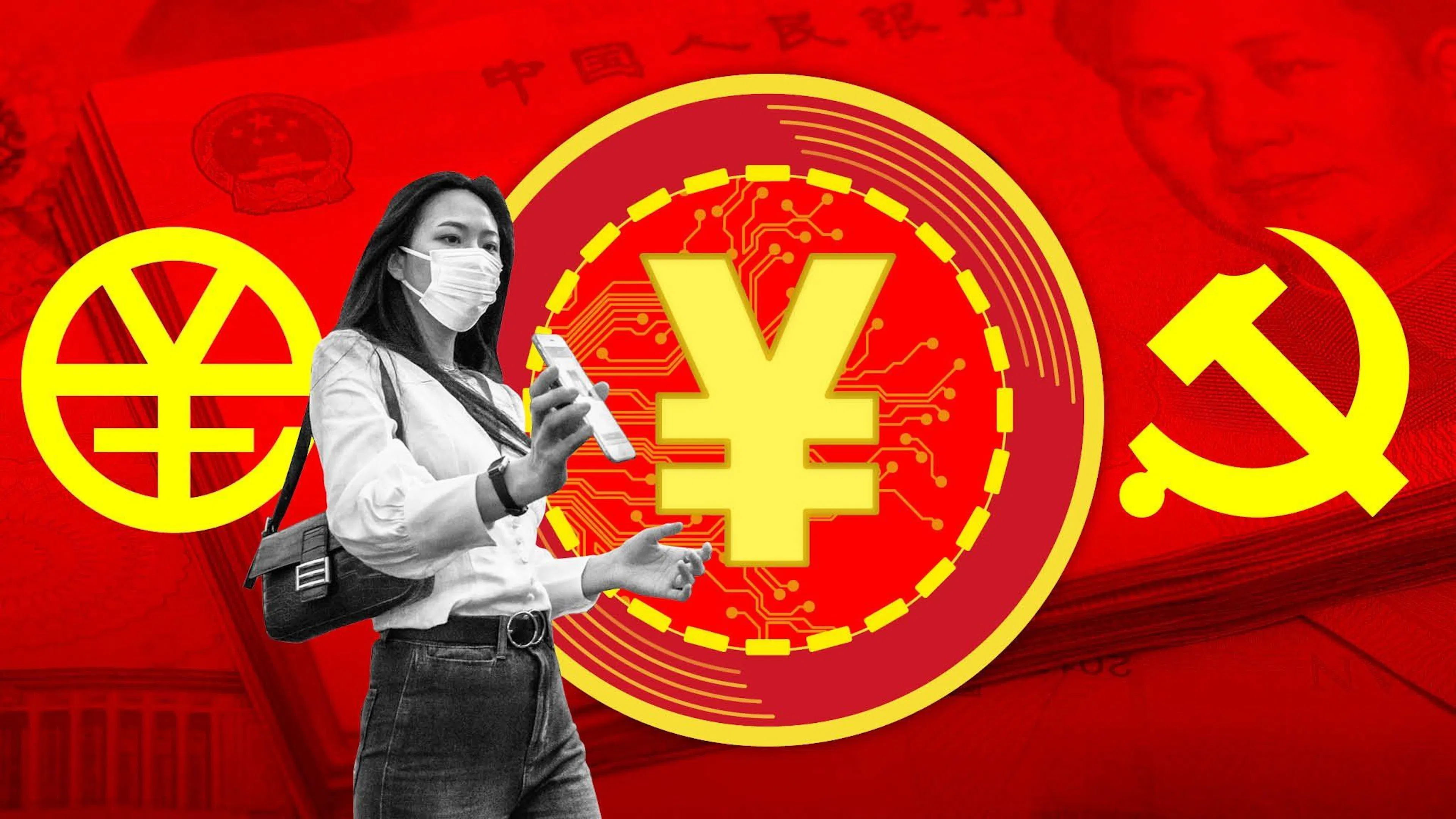
The digital yuan’s impact on the world is undisputed; however, will its potential to act as a money laundering system for the PRC override its true benefits?
36. Retired Software Richard Eng Discusses Rust, Golang, Smalltalk, China and More!

Richard Eng 2020 Noonie Nominee for Blockchain from India has been nominated for a 2020#Noonie in the Future Heroes and Technology categories.. The Noonies are Hacker Noon’s way of getting to know — from a community perspective — what matters in tech today. So, we asked our Noonie Nominees to tell us. Here’s what Richard had to share.
37. Alibaba’s “Homecoming” IPO in Hong Kong

Image: Sam Tsang
38. Tariff Wars & Crypto Market: The Threats And Opportunities
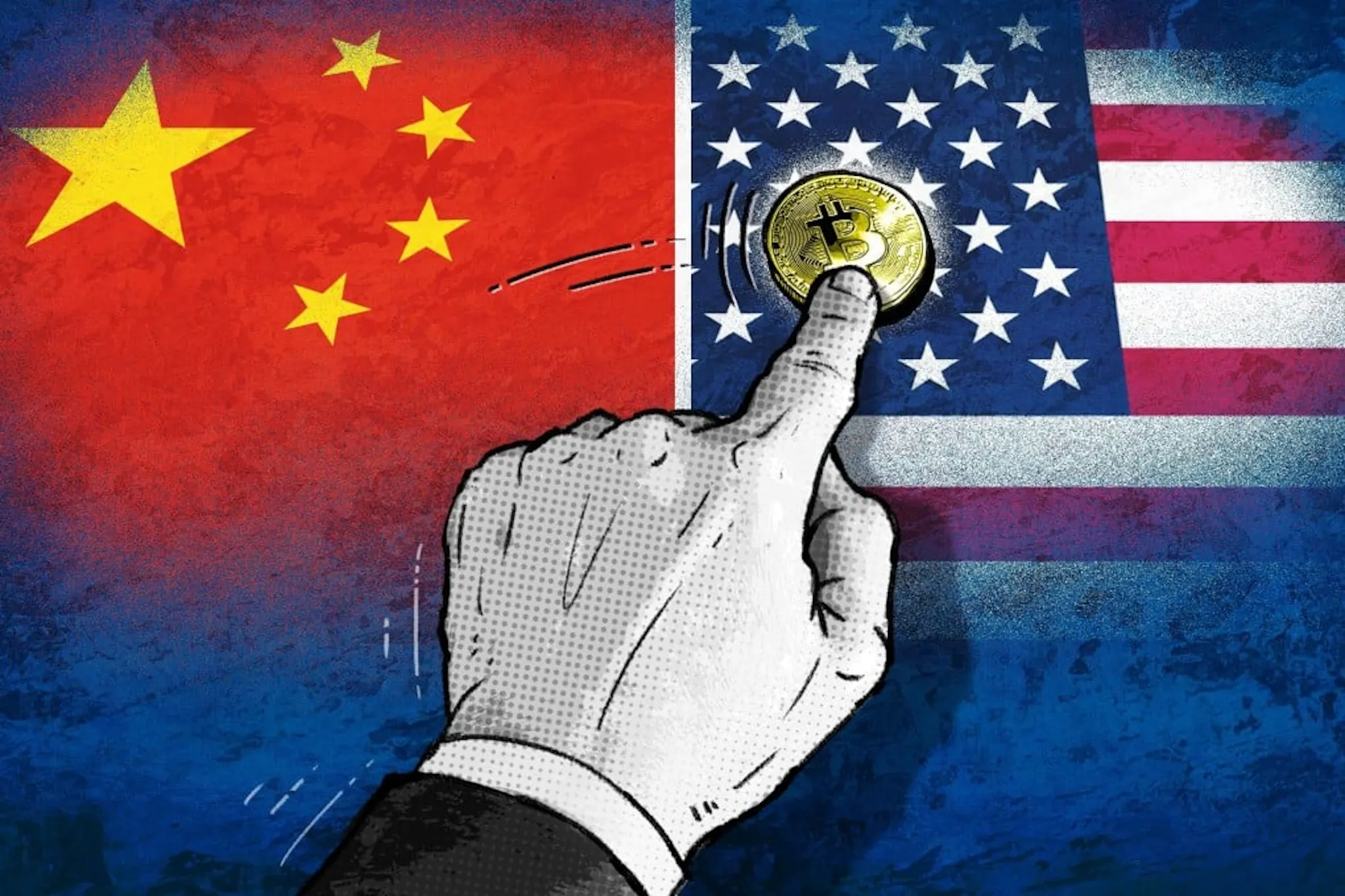
Tariff wars spark market turmoil; Bitcoin dips then rebounds as investors eye it as a hedge amid growing global economic uncertainty.
39. Exploring the Future of Employer/Employee Relationships in Web3

The increasing desire for reduced reliance on corporate identities that require very staunch employer-employee relationships is something that Web3 can enable.
40. This Decade, The Masses Will Not Be Able to Avoid Digital Currencies

Over the past decade, cryptocurrency has become a term that everyone recognizes. Whether it registers as some far-out concept that has something to do with invisible money, or whether you are a crypto geek who belongs to exchange platforms and follows various currencies religiously.
41. TrueUSD Launches Chinese Yuan Based Offshore Stablecoin
TrueUSD has introduced a new stablecoin called TCNH that is 1:1 tied to the Offshore Chinese Yuan (CNH).
42. Harnessing renewable energy growth for Bangladesh’s digital future

Discover how Bangladesh’s digital transformation is based on its ability to address its energy challenges, and the role of China in in Bangladesh
43. Are China and the U.S. Engaged in a Race Toward AI Armageddon?

While China’s AI race is managed by the government, in the U.S., AI is primarily driven by tech giants.
44. Huawei’s HarmonyOS: Navigating the Landscape of China’s Desire for Digital Sovereignty
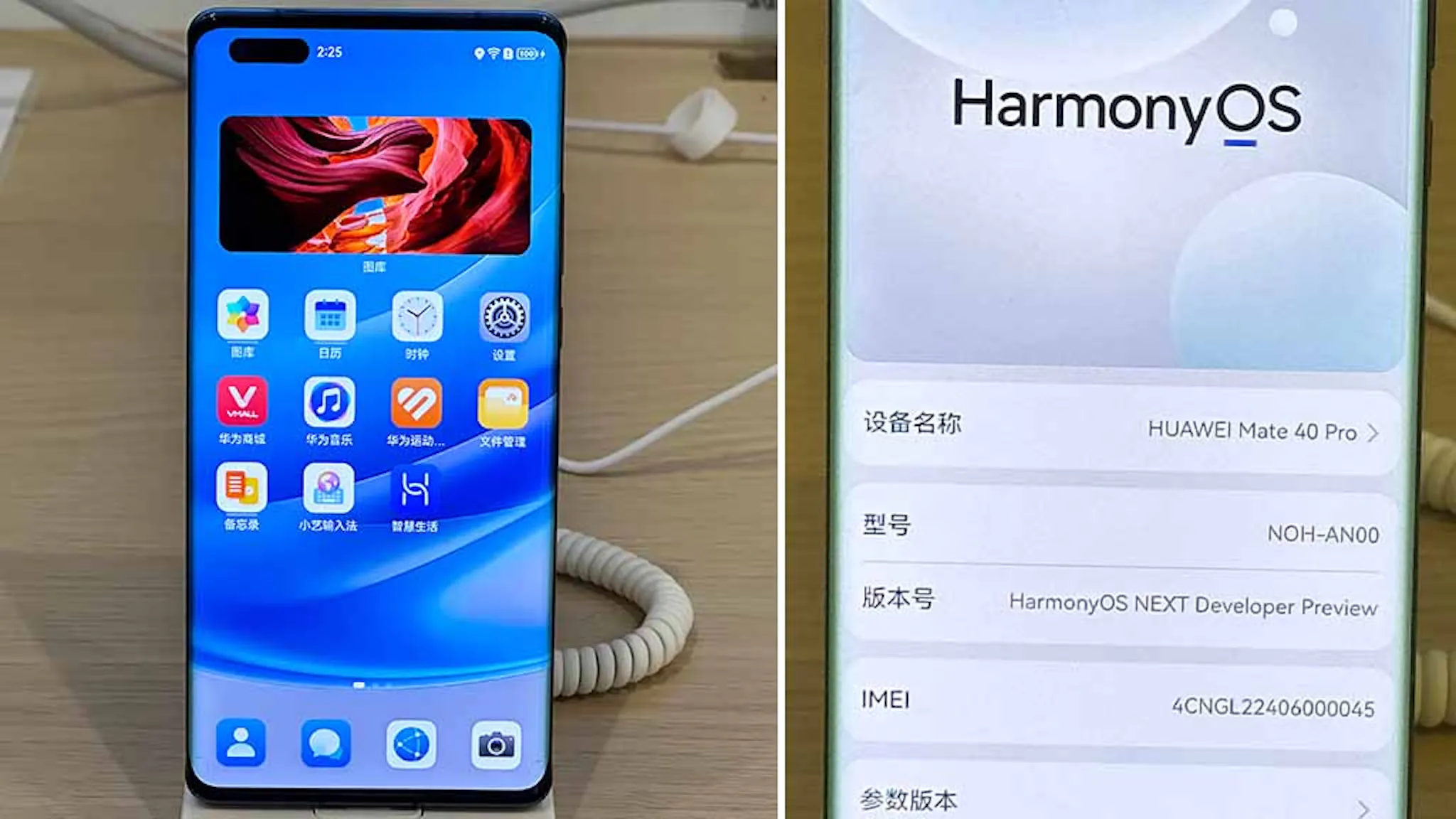
Huawei launched its HarmonyOS 5.0 recently in mid-October 2024, highlighting increasing opportunities for the development of homegrown Chinese technologies.
45. Twitter without Jack: WTF?!

Jack Dorser is leaving Twitter. WHY? And, More Importantly, WHY NOW?!
46. Is China Opening Up to Blockchain?

China is planning to unroll a series of blockchain-friendly laws in early 2020 to open themselves up to blockchain use cases. In a recent statement by President Xi Jinping, the country will aim to unroll its own digital coin. China has shown support in the past for projects like NEO, and more recently, TRON. At the same time, the country is very wary about token sales and any project that may cause losses on the personal finance level. China has taken a stance of “blockchain” versus speculative digital coins, and they aim to harness the power of distributed networks to distribute and secure data for various use cases.
47. Is Big Tech Too Big?

A couple of weeks ago Alphabet shares dropped 6%, Facebook tanked 7.5%, and Amazon shed 4.5% of its value. Why did this happen? An anti-trust probe was called into life regarding Alphabet’s Google Search business and investors fear a similar fate for its tech brethren, seemingly rightfully so: This news story unearths a public debate that has been discussed intensively since the 2016 US elections concerning Big Tech’s power and the need for anti-trust legislation. A debate, which appears to have the nearly unanimous agreement that these companies should be broken up. Logically, therefore, these firms should already be broken up, yet they are not. Why is this? Aside from the strawman “The government is corrupt/incompetent” reasoning, there actually exist multiple genuine arguments for keeping Big Tech intact, which we’ll be examining in the following.
48. Is China Laying the Groundwork for a State Backed Token?

China Includes Cryptocurrency In Continued Business Reforms
49. Dypius Teams Up with Conflux Network to Deliver an Unrivaled Metaverse Experience

One of China’s biggest tech companies, Conflux Network, has chosen World of Dypians (WOD) as its Metaverse home.
50. Recap: The TikTok Saga and the Problems Facing this Massive Platform
This past weekend came as quite a shock to a vast amount of netizens in the United States. While having a conversation with reporters on Air Force 1, president Donald Trump mentioned banning TikTok in the U.S., a video sharing social platform with 165 million downloads in the region, that is accused of providing data to the Chinese government.
51. Ten Things to Know about (Digital) China and Beyond.
Today, there are more than 900 million Internet users in China — about three hundred million more than Europe’s total population. It is also more than twice the total U.S. and Canadian populations combined in 2019.
52. Passion Economy: The “Influencer Stack” and Chinese Influencer Incubators [Tweetstorm]

53. USD Stablecoins Have European Bankers Scared. They are Right to Do Something About it

USD Stablecoins are threatening European Banking interests. So the ECB is opting for its own stablecoin / CBDC. Aye.
54. US vs Huawei Battle At Boiling Point: We Must Ask, Is It Worth It?

The war between the U.S. government and the tech giant, Huawei, has been raging since 2012, when the company was first accused of having links to the Chinese government. But the year 2020 seems to bring the battle to somewhat of a boiling point:
55. Could Marvel Rivals Help Facilitate Better US-China Relations?

Explore how Marvel Rivals, the latest hero shooter from NetEase Games, bridges East and West through iconic superheroes, vibrant gameplay, and esports.
56. Covid v2.0 (Black Death v2.0): CNN Reports Bubonic Plague in China

57. The Subplot of a Nation: What Today’s Chinese Literature Tells Us About Tomorrow

A review of Megan Walsh’s book The Subplot, exploring the landscape of contemporary Chinese literature in today’s AI age.
58. Ready Player China: An Introduction to China’s Booming Video Game Market

Despite its history of strict regulation against the industry, China’s gaming market is flourishing. Chinese MMOs and RPGs are topping lists around the globe while high-quality cross-platform releases, along with creative marketing through films, eSport competitions, and livestreaming, have set the tone for China’s growing gaming market for years to come at home.
59. Ecommerce SEO Practices for Europe, Australia, China, Russia and Japan

Today, most eCommerce businesses have expanded their reach across the world.
60. How China Broke the Closed Circle of Recession With the Help of Technology
Economic growth has always been one of the most important and crucial aspects of any country’s existence. In ancient times, this trend was happening on a much slower and less conscious manner; people at that time didn’t have enough insight into economic forces to predict, not to mention influence, the forces of the economy to their advantage.
61. Will China’s Digital Yuan Apps Push the Digital Dollar Ahead?
Why is China pushing its digital currency “agenda” so hard?
62. Analyzing the Satellite Internet Race

SpaceX’s Starlink, Amazon’s Project Kuiper, and China’s GuoWang are all competing to provide high-speed internet
63. Hong Kong: A Crowd Sourced Revolution
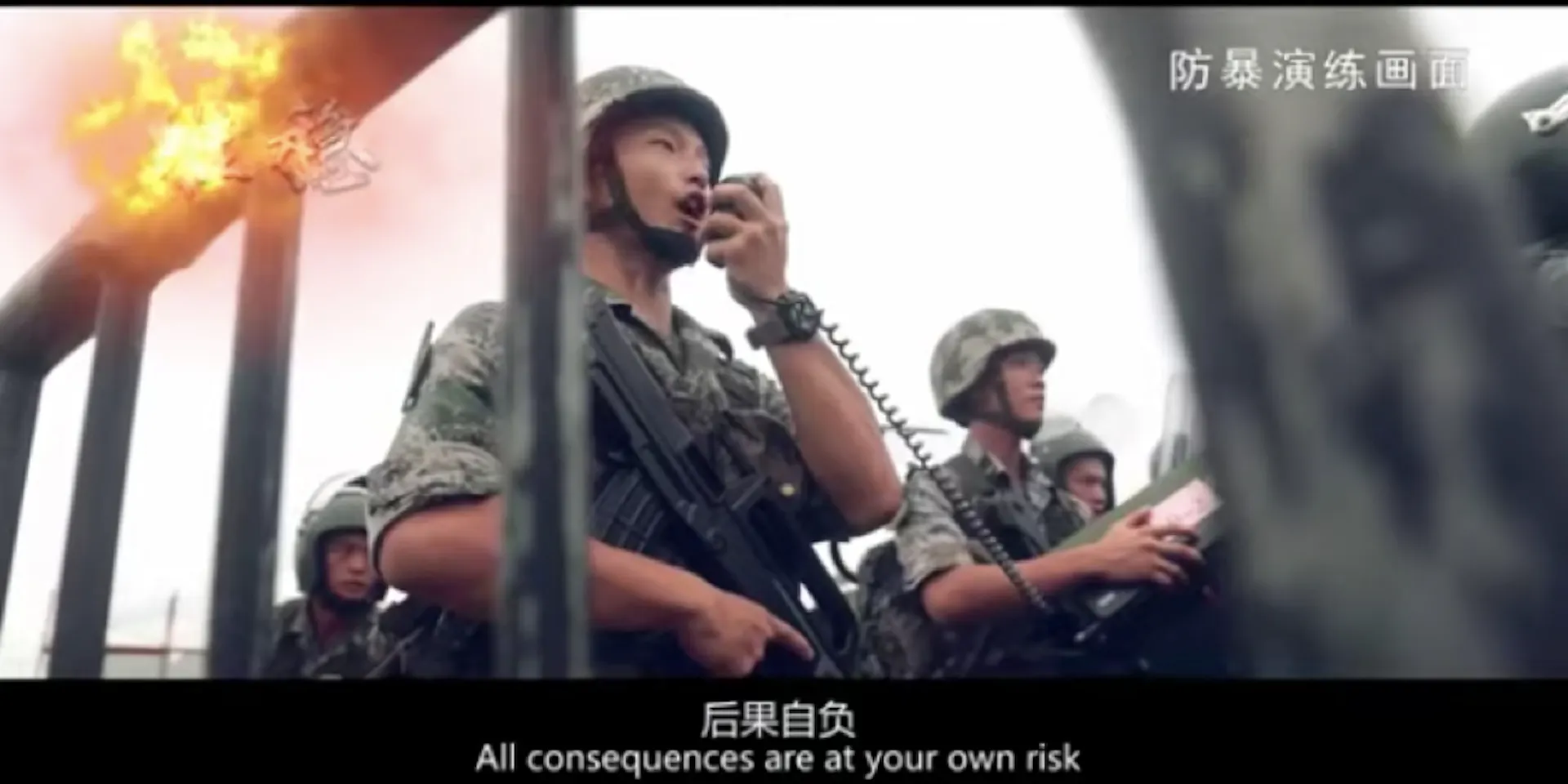
Two months ago a bill that would allow the extradition of Hong Kong’s criminal suspects to China led to a revolt that is still going on. The 5th of August, some 64 days after the main protests started, saw Hong Kong’s first general strike in over 50 years.
64. How the USA Could Beat China in the AI Race (Hint: It Doesn’t)
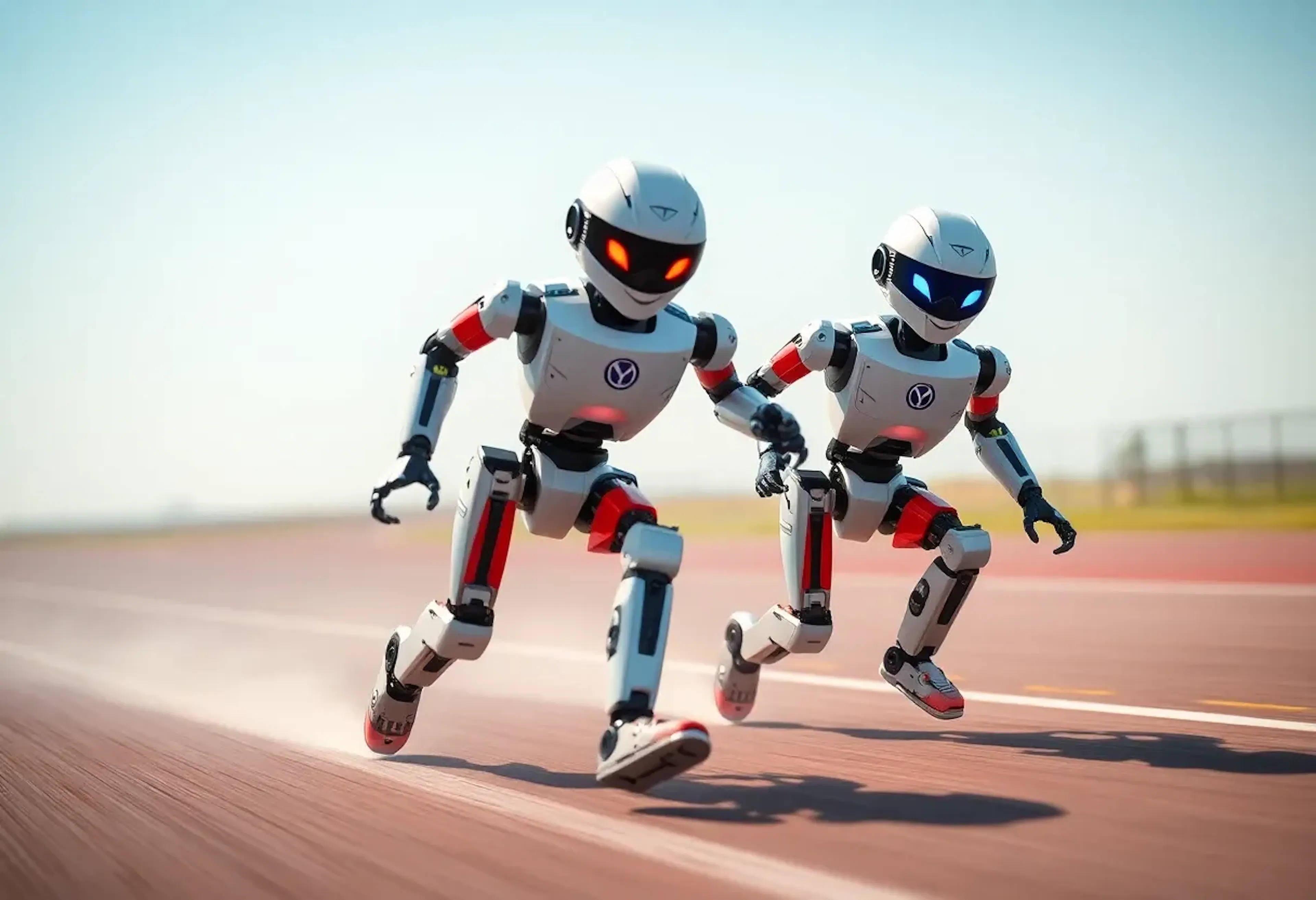
Bitcoin beats AI not only in value over time, but in ethos and meeting needs. The US is 2nd place in the AI race with China but could lead with Bitcoin.
65. Hong Kong and the Crypto Boom: Economic Woes, Money Flows and Sanctions

Now second only to South Korea as the biggest crypto market in Asia, Hong Kong’s future might be one of decentralised ledgers, Bitcoin and Crypto-Currencies.
66. Evergrande’s Collapse Calls for the Financial Shift?

The recent court order to wind up Evergrande, the world’s most indebted developer, has brought a chain of reactions from far beyond the real estate sector.
67. Can NAFO’s Ukraine Success Be Replicated in Taiwan?

Learn bout NAFO:
NAFO: A decentralized online volunteer movement combating Russian propaganda with memes.
68. US, China Engaged in Nuclear Fusion Space Race

Nuclear fusion is a source of energy that, if harnessed, could solve many of our pollution problems and provide energy for centuries to come.
69. 8 Business Opportunities Emerging in China at This Point in the Pandemic

The COVID-19 outbreak has dealt a huge economic blow to China. The country’s supply chains are collapsing, many manufacturing firms have closed down, there is minimal human interaction, and consumer behavior has changed in unprecedented ways. However, as in all known crises, a lot of new business ideas and opportunities have come out of the prevailing crisis. Online-to-offline commerce (O2O) is on the rise, the demand for 5G has increased, and the need for online education has skyrocketed.
70. Understanding Signal Versus Noise in Tech Investments and How to Leverage it [An Analysis]
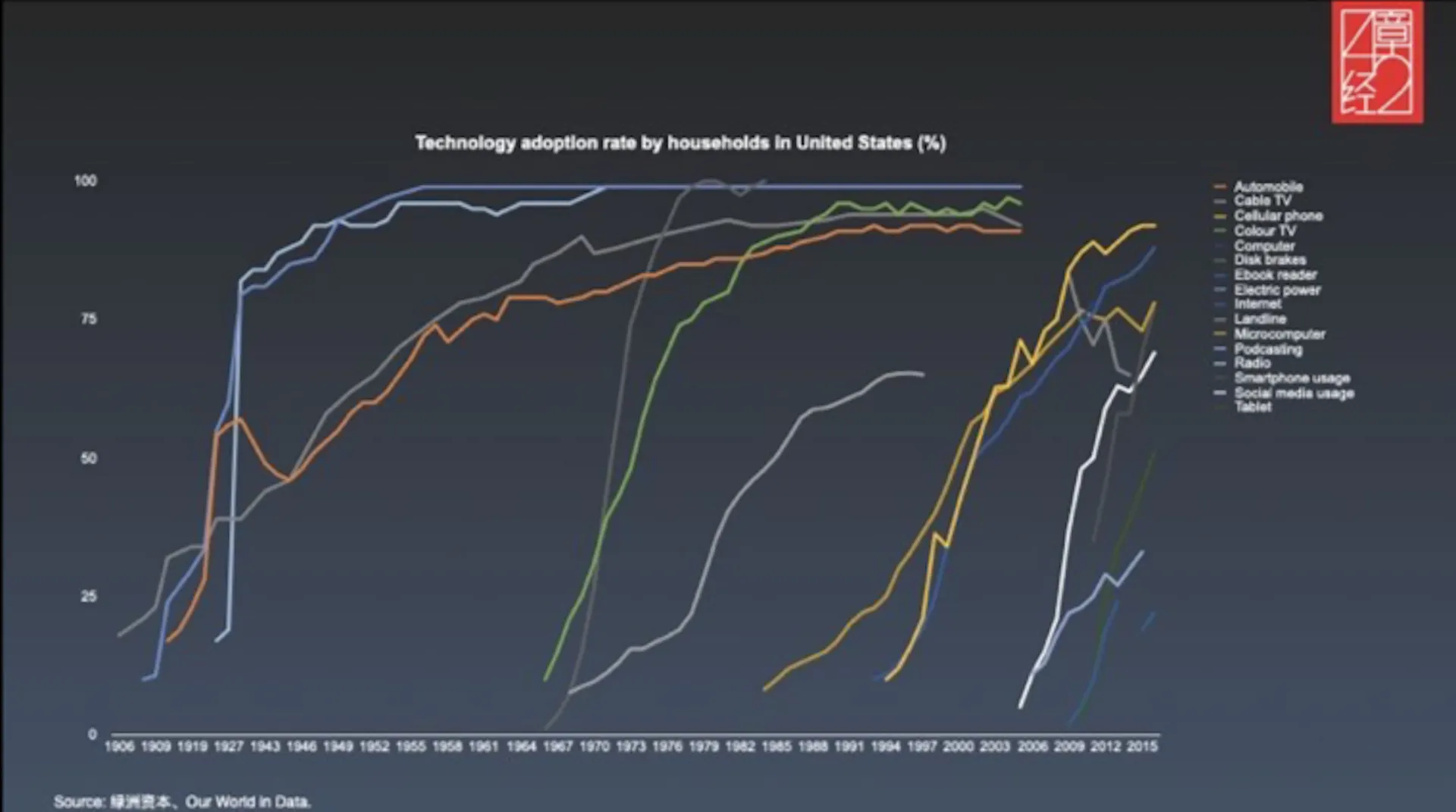
I have previously written about the investment philosophy of my friend Jinjian Zhang of Trustbridge Partners. A few months ago, Jinjian has founded his own venture capital fund, Vitalbridge Partners based in Shanghai, China. In a recent talk, Jinjian dived deeper into his “Noise vs Signal” investment philosophy.
71. Indonesia’s Web3 Ambition Risks Colliding With Beijing’s Playbook

Indonesia’s Danantara sovereign wealth fund aims to drive economic growth, but its deepening ties with China raise critical questions about national sovereignty
72. How Agtech Can Harness China’s Ever-Growing Technological Advantage

One area that could benefit from and help foster more growth in China’s economy is its agricultural technology (AgTech) scene.
73. What OpenAI’s Checkout Pivot Reveals About China’s Geopolitical Payment Strategies
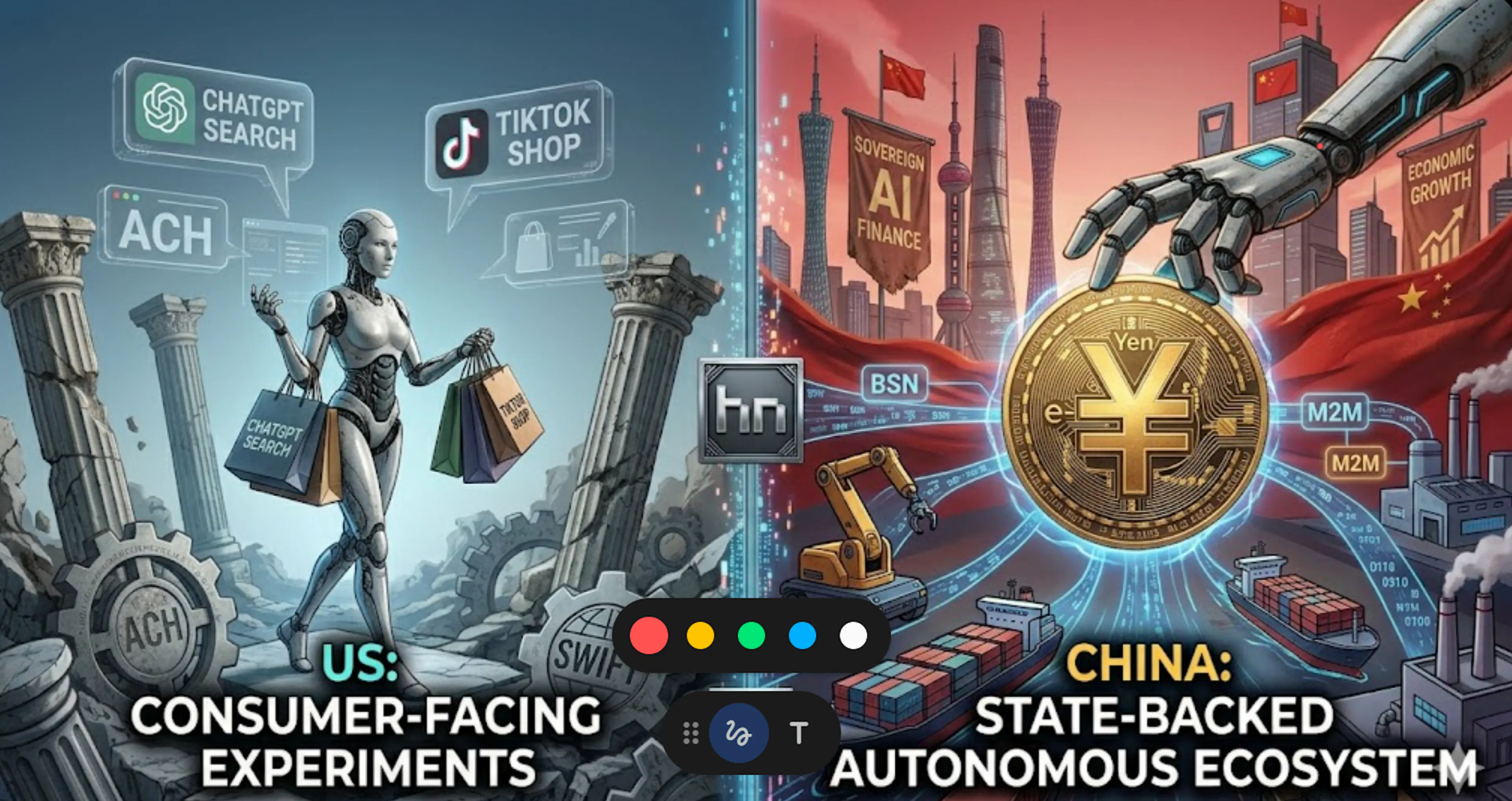
While the US focuses on AI retail shopping, China is building a sovereign, state-backed AI payments ecosystem to dominate global autonomous finance.
74. Chinese Economy 2023: Back to Normal?

China’s economic and industry outlook for 2023.
75. What Chinese Retail Trends Tell Us About the Future of E-Commerce

Amazon, mobile, A.I… there are dozens of new threats, technologies and processes a strategy executive must keep in mind to stay ahead of the curve when faced with skydiving sales.
76. The US-China Rivalry Could Be More of a Noble Fair Play
The big question, not only for both tech behemoths China and the USA but also for the rest of the world, is whether the above countries are enemies or allies?
77. Bite-Sized Tips To Make Chinese Full-Text Search

Today I’d like to highlight the challenge of search functionality in Chinese. In this article, we will go through the main difficulties of full-text search implementation for CJK languages and how to overcome them with the help of Manticore Search.
78. Fintech in Japan: How App Payments Are Changing Cash Culture

Many visitors to Japan are always surprised by one thing. Despite its East Asian neighbours moving rapidly towards a cashless future, Japan is a cash society. Tokyo’s neon lights and sleek and high-tech public transport system often give the impression that Japan is a place where the future happens. Hop off the train at the newly opened Takanawa Gateway Station and you’ll find a station that has its cleaning and security handled by robots.
79. How American GPS Technology Protects Territorial Waters of Smaller Asian Countries

If integrated properly with emerging technologies, American GPS can be used to protect the sovereignty of a nation’s coastlines in Southeast Asia.
80. Binance Employees Accused of Helping Chinese Customers Bypass KYC Verification
Binance caught RED-handed?
81. How China’s EVs and Their Integrated Technologies Are Displacing German Luxury Car Manufacturers

Chinese EVs have reshaped the global automobile ecosystem and displaced German luxury car manufacturers.
82. Bitcoin: It’s Now or Never

After months of static price action between $29K and $31.4K, BTC broke to the downside on Thursday and fell almost 10% on that day alone.
83. The Main Players in Crypto: Is China Out of the Game?

The history of crypto mainly revolves around China. Although it is true that the first cryptocurrency exchange was launched in Japan, the infamous Mt. Gox, but when it collapsed, all the power over crypto was handed off to the three main exchanges existing at that time:
84. Why China Leaves No Space For Competition in Blockchain

Attributing for one-fifth of the planet’s population, China is undeniably an economic superpower that’s empowered to become a global blockchain leader in terms of adoption, utility, and overall innovation.
85. Bitcoin vs. CBDC – The Battle for Privacy That You Must Fight Before It’s Too Late
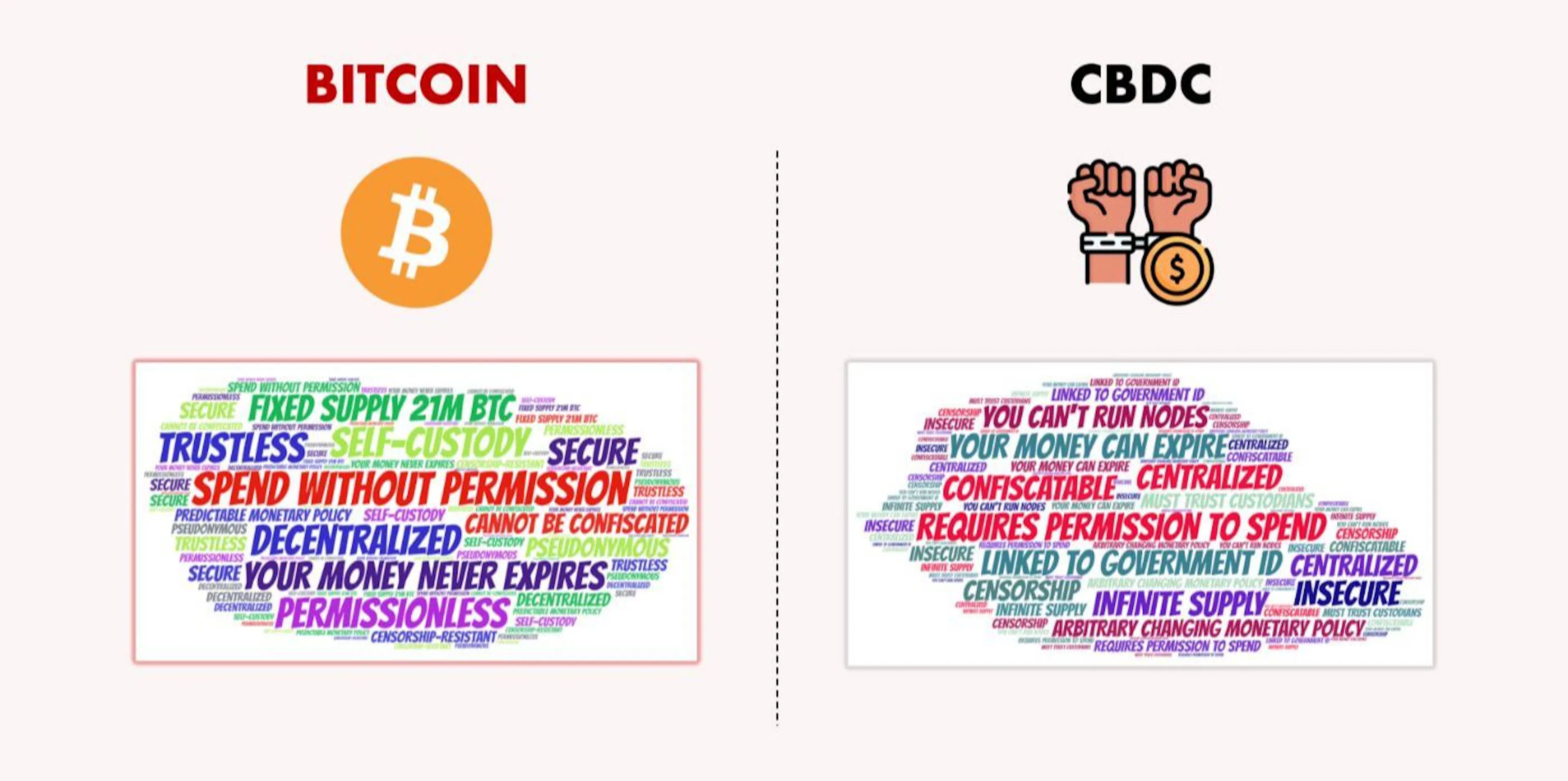
This comparative list will help you understand where your interest lies.
86. President Xi’s Recent Blockchain Endorsement Changes Everything

On October 25th, China’s President Xi Jinping opined that blockchain should be treated “as an important breakthrough for independent innovation of core technologies.” He also stated “[We must] clarify the main direction, increase investment, focus on a number of key technologies and accelerate the development of blockchain technology and industrial innovation.” Exciting words from a leader who hadn’t spoken on the subject prior, and naturally, this statement was enough to disrupt the crypto space.
87. Did You Say $500,000 For A Virtual Plot Of Land?

Amy Tom, Limarc Ambalina, and Natasha Nel are wrapping their head’s around the fact that a plot of land on the Decentraland platform sold for $572k.
88. Where Will They Try Missouri vs. China?

ICYMI Missouri, the US state known for great BBQ, is suing China, the nation with 1.393 billion people.
89. WOW Summit Hong Kong Highlights China’s Leadership in The Web3 Space

As a media partner with WOW Summit, we’re excited to being you some post-event news.
90. East Meets West: Navigating Differences in Values and Positioning in the Asian Market

Asia is an attractive market for European and American businesses. I discuss 3 branding pitfalls companies meet when moving to China, Japan, and South Korea.
91. How Russia and China Technologically Strengthen the Modern Axis of Evil
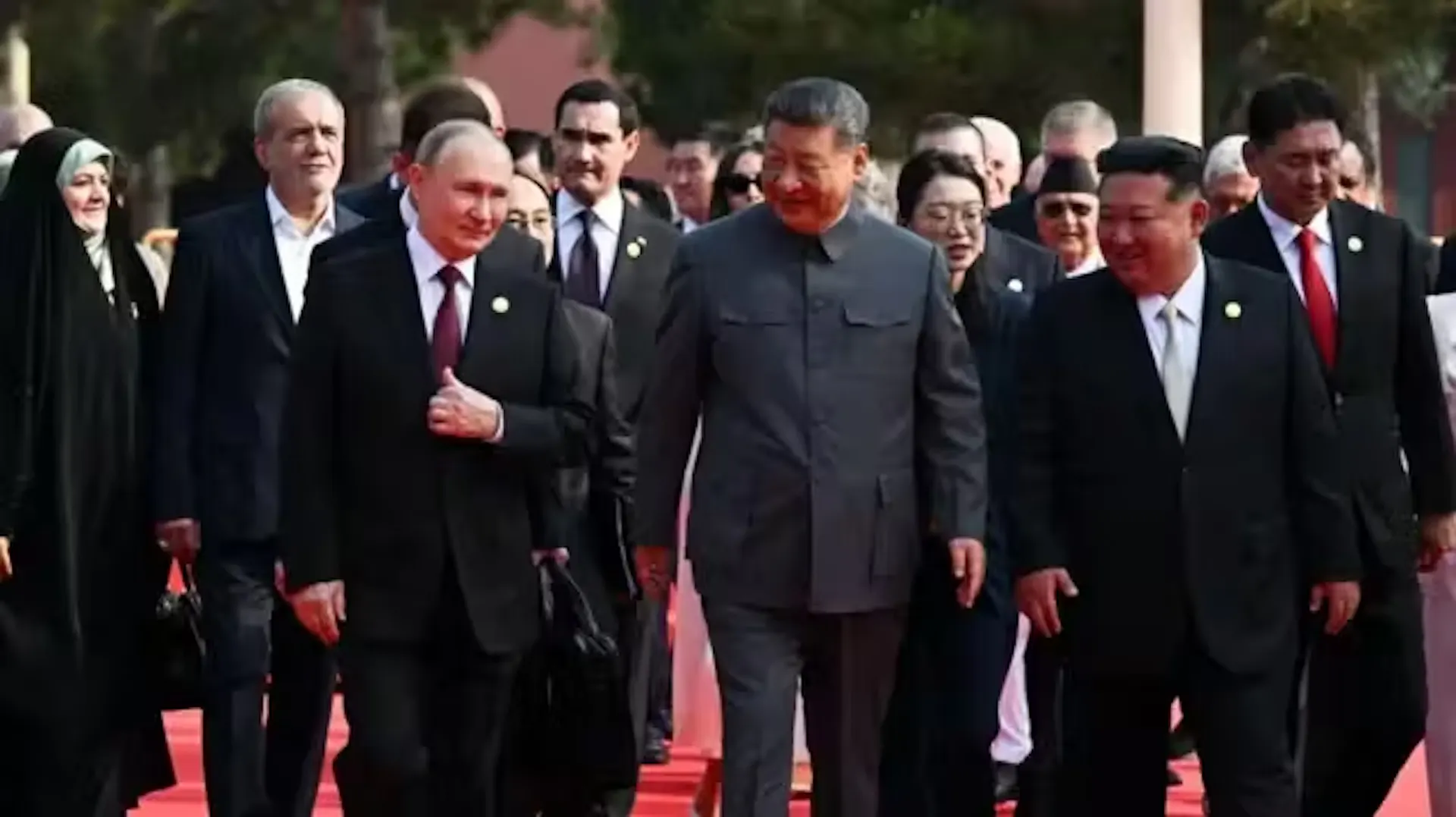
Russia and China are helping spread tech advances among their authoritarian partners to strengthen the modern axis of evil against the West.
92. Encryption vs. Surveillance in Hong Kong

The Hong Kong national security law created a series of provisions that restrict the flow of information and suppress the civil unrest within the region. In the short term, this new law has had a profound impact on the business landscape, creating a series of winners who seek to expand their share in the local marketplace. In the long term, it will reform the technology landscape in Hong Kong for years to come
93. Startup PR in China: Your 10-Step Communications Strategy Checklist

In my previous articles, I shared insights about China’s digital
powerhouse that’s shaping today’s infrastructure, known from the making of China’s Firewall to supporting the domestic rise of start-ups (some of which already have become unicorns). Across various mediums, a lot has been said about China’s rise, scaling consumption, and growing number of middle class.
94. Can China Force Bitcoin Price to Fall Below $20,000?
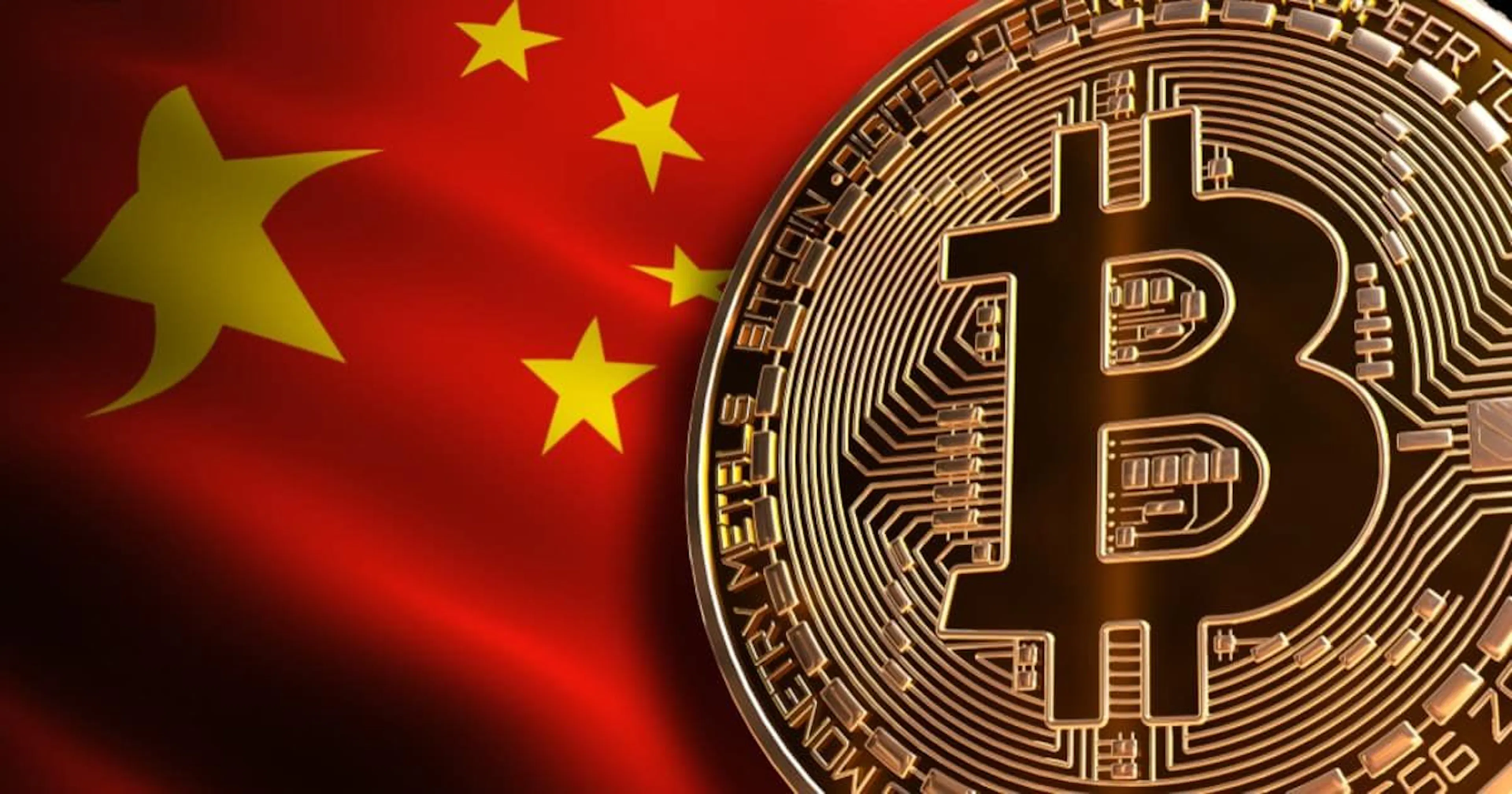
Being a CEO of cryptocurrency exchange Kyrrex, based in Malta, I would like to tell about the state of the Chinese mining market and the challenges that mining companies will face in the near future.
95. China Rating Citizens

The Chinese government plans to being a nationwide system, the Social Credit System, giving each of its citizens a score based on their behavior in 2020. A document from the State Council of China published in 2014 was the first to state such intentions. This system is based on a variety of criteria ranging from financial credibility and criminal records to social media accounts.
96. How China and El Salvador’s Stances on Digital Currencies Highlight Potentially Increasing Relations
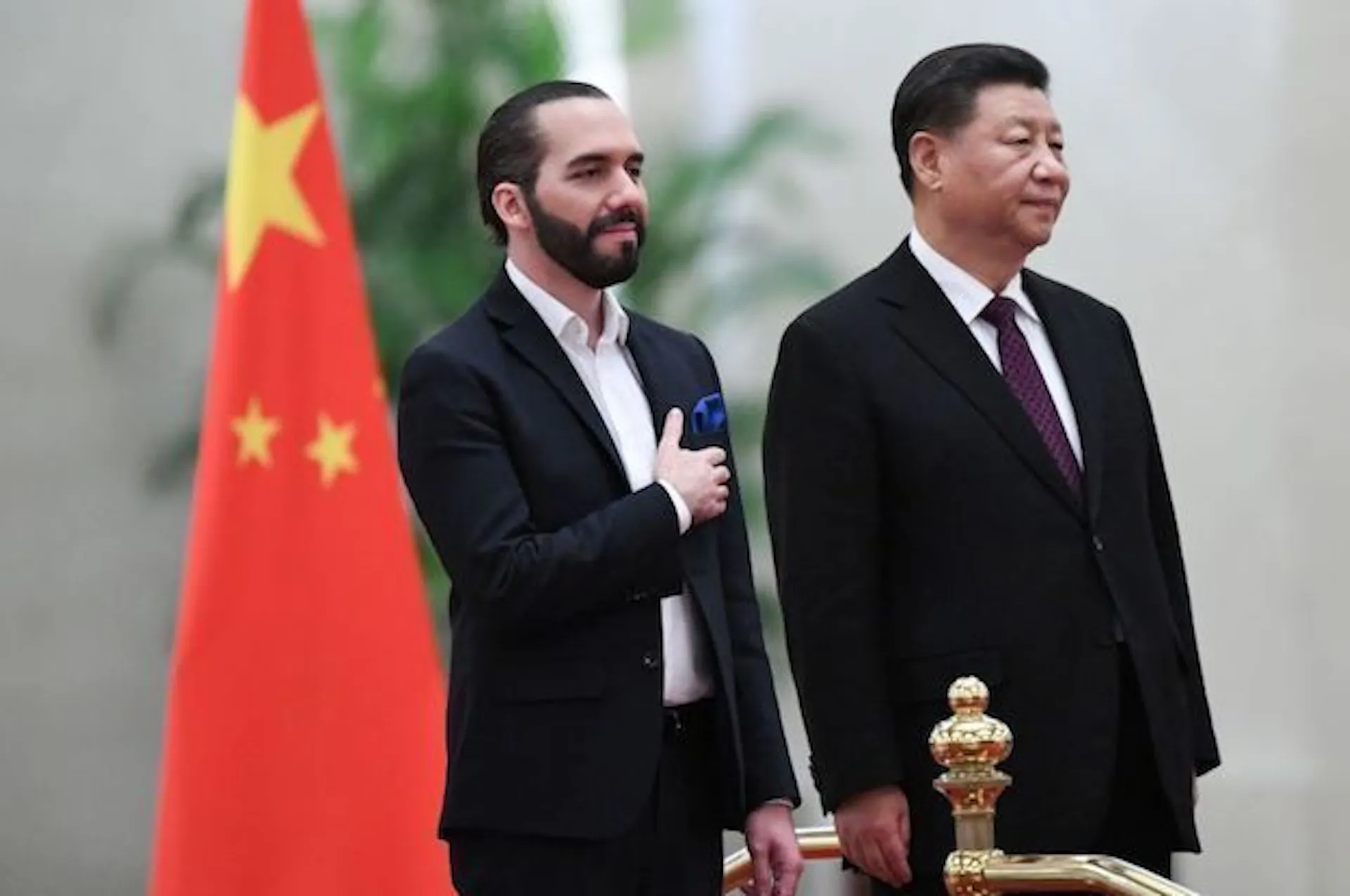
China and El Salvador’s seemingly contrasting stances on digital currencies actually align both authoritarian regimes on many levels.
97. The State of Global Cybersecurity Defenses In Critical Infrastructures

Countries’ intelligence services warn for the ongoing threats of espionage and cyberattacks by nation-states in critical infrastructure.
98. Roundup #11: “How I Evaded Sanctions and How You Can To”

12/01/2019
99. The US and China Should Work Together to Fight Climate Change
Norvergence LLC team made this report make you understand the aspects of the US-China relationship on the ground of climate and other environmental factors.
100. The Coming of Bipolarity

What further stands out is that the Chinese spike of 2010 has sustained and improved in the subsequent years
101. Seismic Rupture: The World Order Is Cracking—And Tech Is the Fault Line
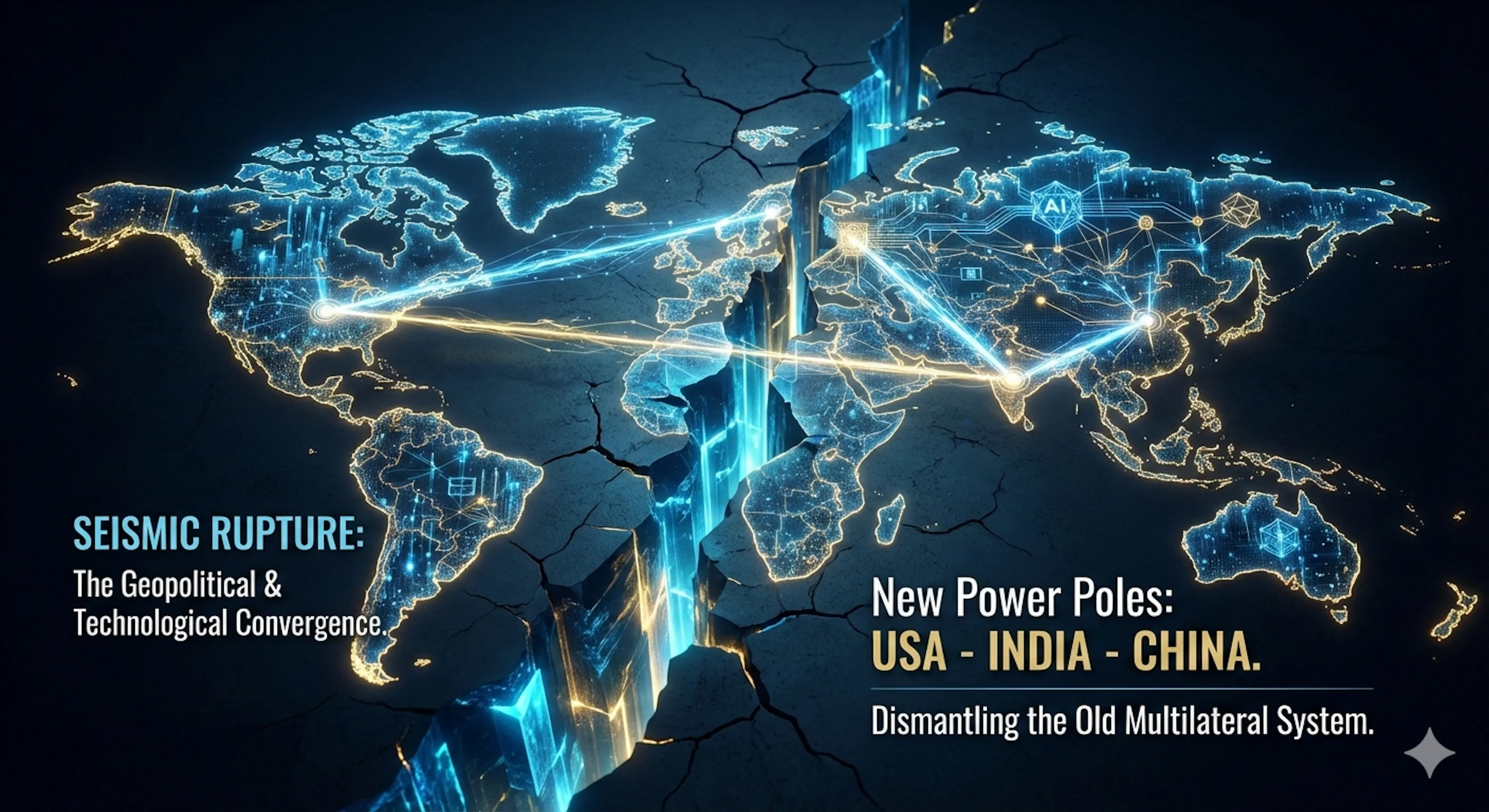
A geopolitical shake-up is colliding with runaway AI and quantum computing, cracking the old order and forcing a new era of raw transactional power.
102. Looking Beyond Trump’s Tariffs: A Peek at India-US Relations
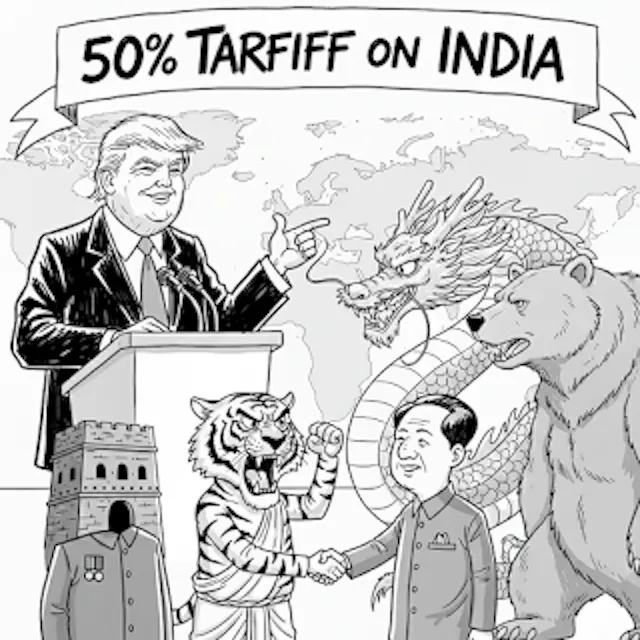
While the whole nation seethes with righteous and definitely justified anger at the US President, Donald Trump’s bizarre decision to impose an appallingly high
103. 7 Useful Apps You Can Use in China
Nowadays everyone is glued to their phones and it’s no different in China, the mobile phone is an indispensable tool and something we just cannot live without. Hands up if it’s one of the last things you see at night and the first thing you look at in the morning? I knew it! Coming to China, a very different country with a different culture and language, your phone becomes even more vital as it is one thing that makes you feel like you’re at home and keeps you connected to it.
104. The Acceleration of Business Model Innovation in China Amidst an Ongoing Pandemic

Throughout history, terrible crises have given us some of our greatest innovations. GPS, Drones, microwaves, atomic energy… the list goes on. The COVID-19 crisis is no different, and we are already seeing companies rise above their competition by asking themselves the key question at the heart of all corporate strategies : what can we do, right now, that is hard?
105. China Intensifies Crypto Crackdown
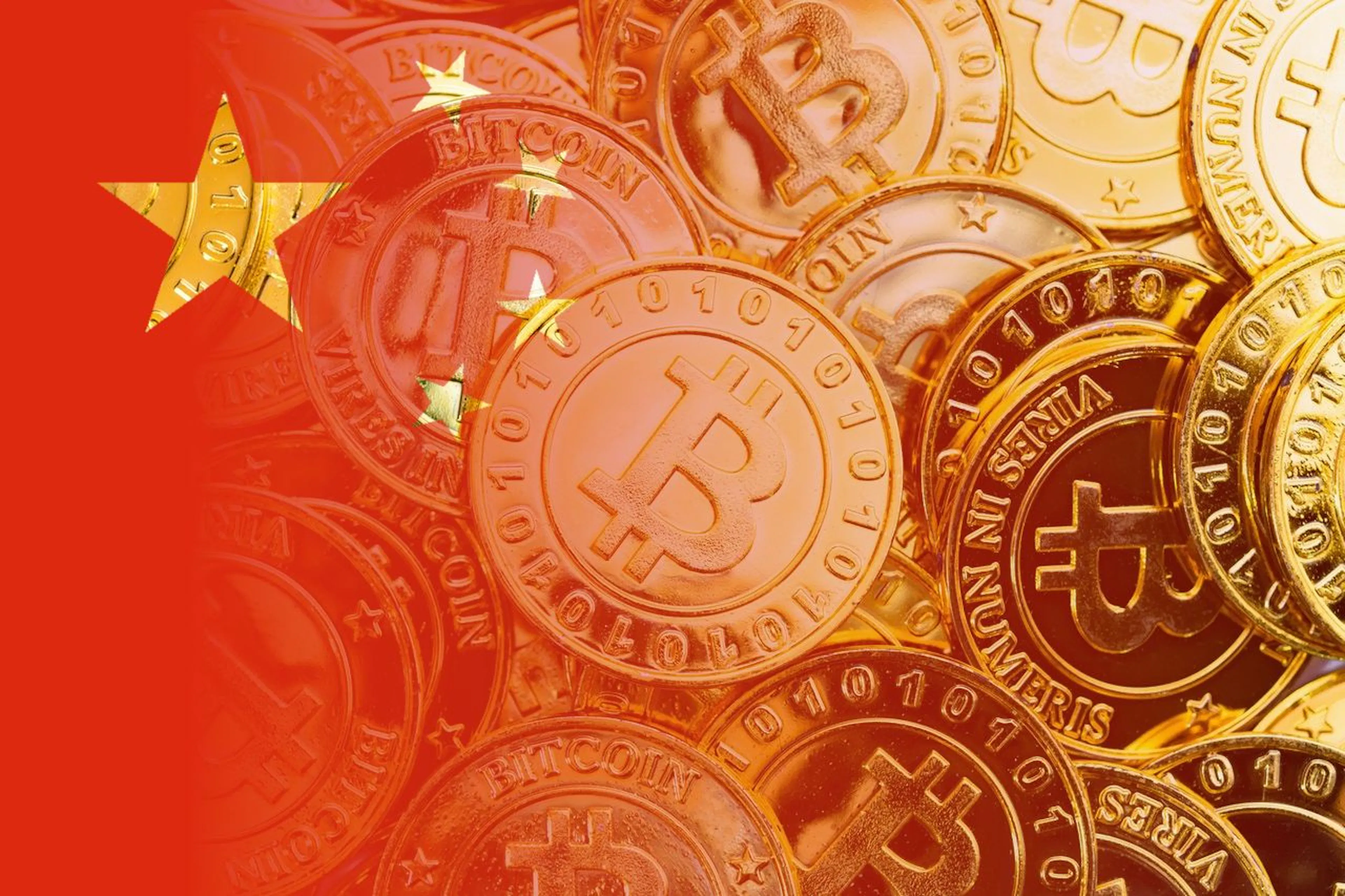
A quick rundown on past cryptocurrency regulation in China, along with some predictions of possible futures.
106. Why and How We Expanded into the Chinese EdTech Market
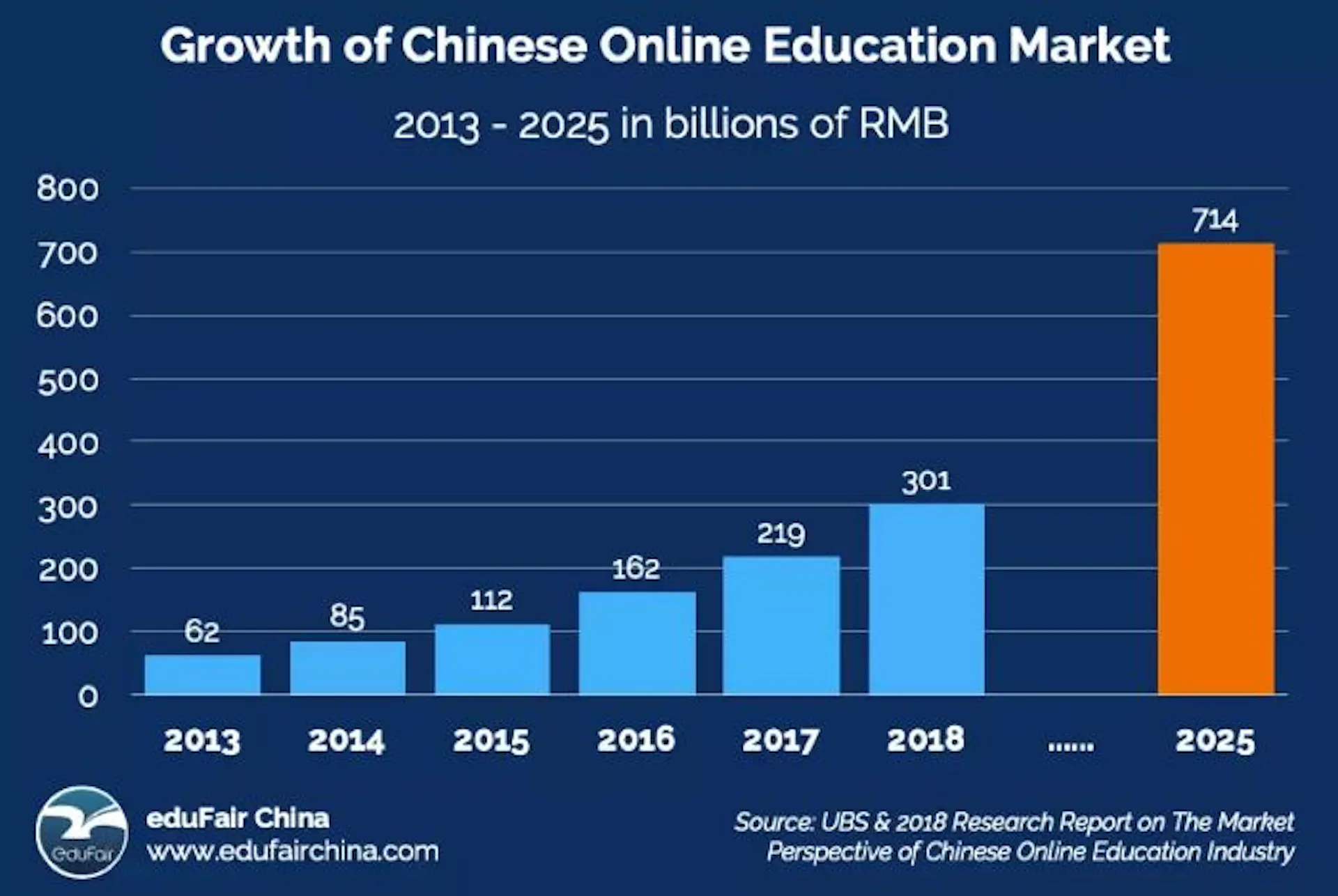
This is the nuts and bolts of the early results and returns of our startup’s expansion into China’s EdTech Industry.
107. COVID-19 Tracing: Protect Your Privacy

As the COVID-19 pandemic goes on, life for some around the world is beginning to look a little more like it did before, except with some more distancing, and more people wearing masks. What doesn’t look the same, is how technology is being used to monitor and track cases, infection rates, and outbreaks.
108. U.S. President Donald Trump’s Official Word on “Monetizing the Chinese”

U.S.President Donald Trump says in a Press Conference: we are monetizing the Chinese app, manly TikTok. TikTok might be banned in the United States. In addition, He says, we are not allowing or support any U.S company Own it. Trump also says that they are looking at a lot of alternatives with respect to TikTok.
109. A Small Slice of a Big Deal: TikTok’s Paradox in the U.S.
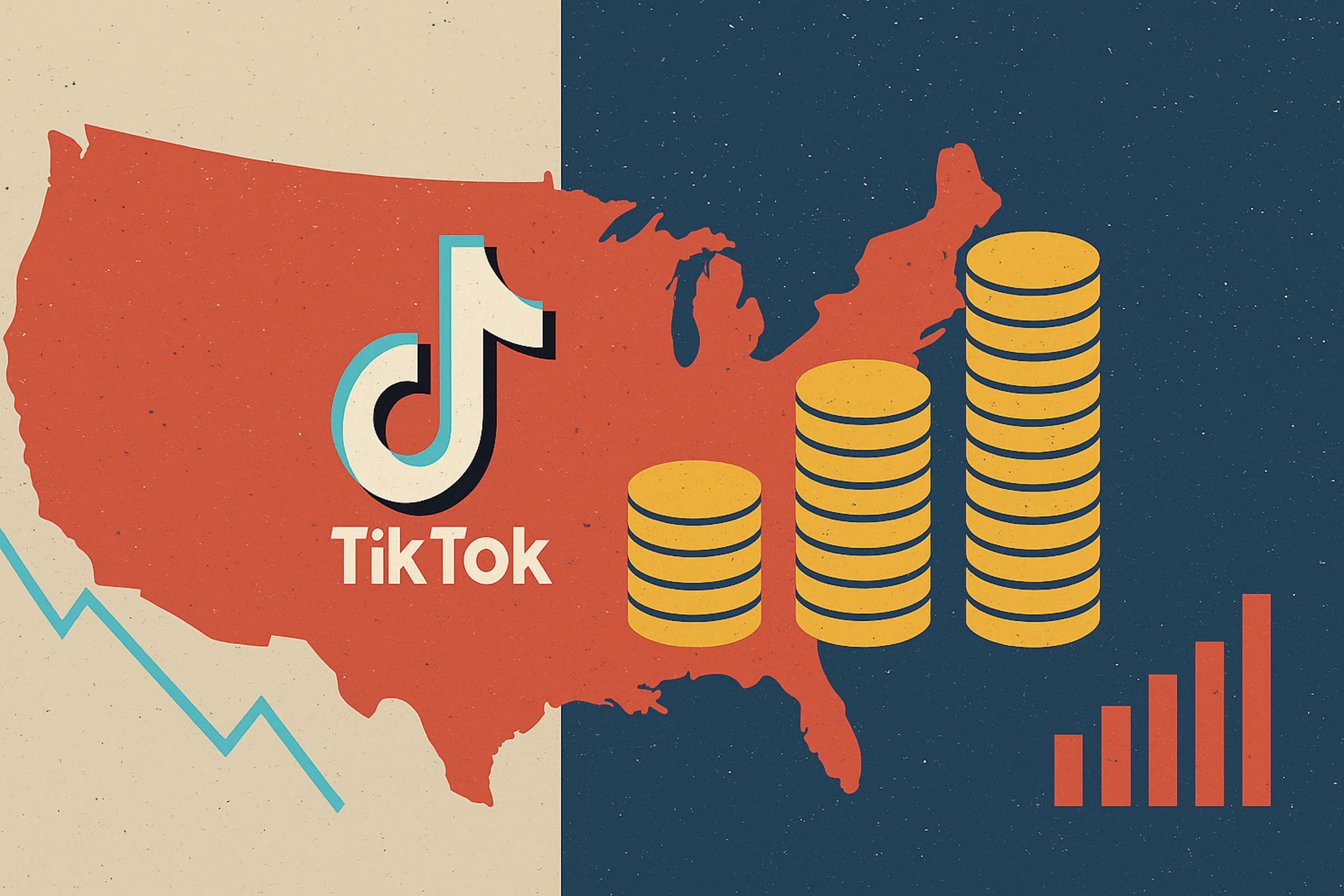
TikTok’s U.S. ban looms—despite low user share, it drives huge revenue and cultural impact. What happens if a $24B digital shelf vanishes before Christmas?
Thank you for checking out the 109 most read blog posts about China on HackerNoon.
Visit the /Learn Repo to find the most read blog posts about any technology.