It had to be, really.
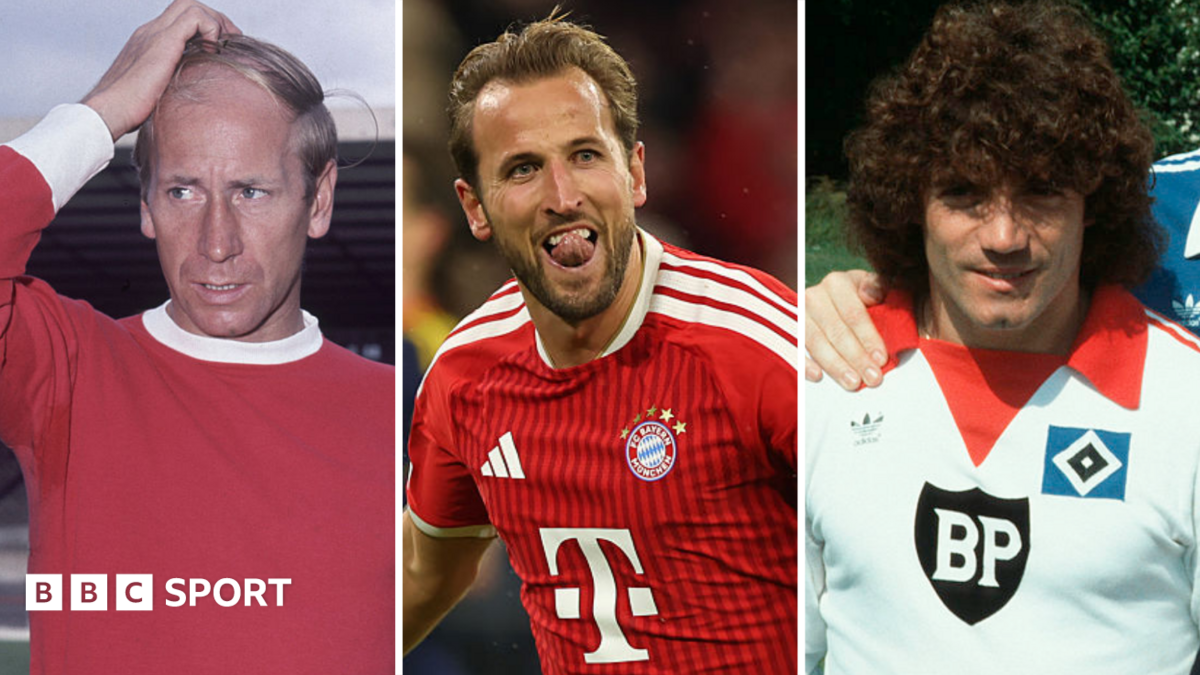
Kevin Keegan scored 20 times as Liverpool won the European Cup and English First Division in 1977, and were a whisker away from completing the Treble – losing the FA Cup final to Manchester United. He also finished as Ballon d’Or runner-up to Borussia Monchengladbach’s Danish star Allan Simonsen.
Keegan followed Simonsen to Germany by the time the award was announced, joining Cup Winners’ Cup holders Hamburg on a lucrative deal, though they were hammered by his former side in the European Super Cup – and Keegan endured a slow start to Bundesliga life that was not helped by an eight-week suspension for punching someone in a friendly during the winter break.
Keegan soon settled but his first season was nothing spectacular. Instead ‘Mighty Mouse’ made a flying start to the new campaign – one in which Hamburg would become Bundesliga champions for the first time.
He also produced some impressive individual displays for England, even though the Three Lions missed out on that summer’s World Cup, scoring against Brazil in a friendly and twice against Denmark in September.
Keegan’s form was timely. He arguably deserved to win the Ballon d’Or a year earlier, which perhaps lingered in voters’ minds, making 22 of the 26 ballot papers and ranking top on nine to finish above Barcelona’s Austrian star Hans Krankl.
Keegan continued to flourish after Christmas to finish with 17 top-flight goals, including 11 in 12 games during the run-in. But it was more than just the goals, with Keegan a scampering, relentlessly creative presence.
The fluid, attacking HSV were in the midst of storming their way to a European Cup final when Keegan was named Europe’s best player for a second successive year on Christmas Day 1979, this time being named top by 18 of the 26 voters.
The permed Keegan was the continent’s biggest star and a cultural icon, too.
Hamburg would lose the European Cup final to Nottingham Forest at the Bernabeu, Keegan’s last game before leaving for Southampton.
But he stands alone as the only British player to win two Ballon d’Or awards – at the time, only Johan Cruyff had matched his feat of going back-to-back – and that, of course, makes him England’s greatest recipient.