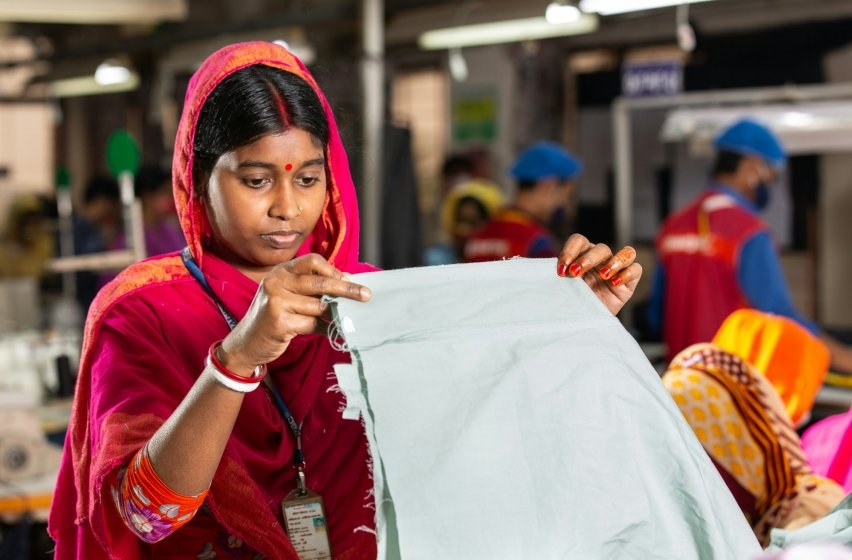
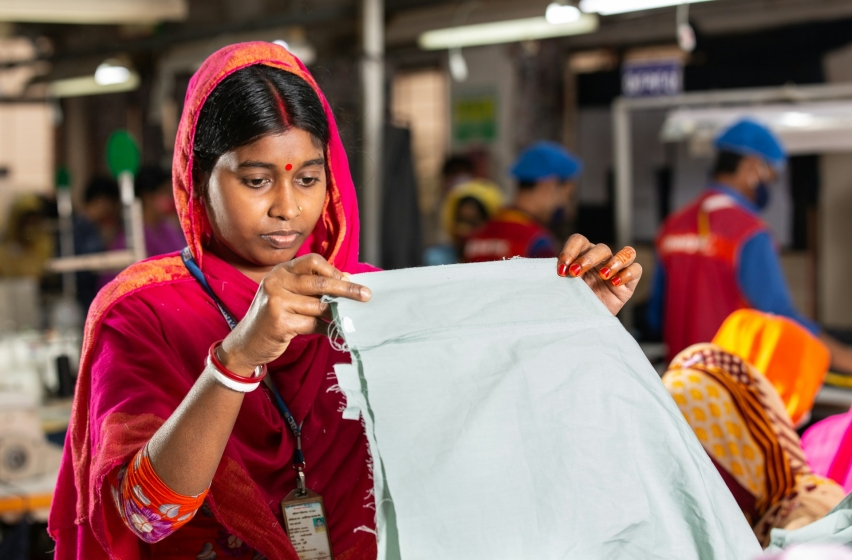
A major Baptist report on global fashion supply chains has highlighted a persistent gap between corporate commitments and progress for garment workers, finding that 87 percent of assessed companies could not demonstrate that workers in any of their facilities were paid a living wage.
The 2026 Ethical Fashion Report, published Oct. 20 by Baptist World Aid Australia, assessed 138 companies representing 543 global brands across 48 ethical and environmental indicators.
Despite 93 percent of companies having formal policies on workers’ rights and sustainability, the industry’s average score was 31.5 out of 100, an increase of just 0.2 points from the previous survey in 2024.
“Policies alone don’t change workers’ lives. What matters is whether those commitments translate into fair wages, safe conditions and protected rights,” said Melissa Lipsett, CEO of Baptist World Aid Australia. “We believe every person is made in the image of God and has inherent worth. Our desire is to see garment workers and their families experience the fullness of life God intends.”
The report highlighted systemic shortcomings in worker empowerment and environmental stewardship. While 71 percent of companies met the requirements for modern slavery disclosures, only 9 percent demonstrated union representation or collective bargaining in most final-stage facilities. Additionally, half of the companies reported having no targets to reduce supply chain emissions.
Although the use of sustainable fibers rose from 30 percent to 38 percent over two years, researchers noted that increasing production of synthetic, petroleum-based materials continued to offset environmental gains.
Katherine Halliday, ethical fashion lead at Baptist World Aid, urged Christians to consider the human and environmental costs of fast fashion.
“Every item of clothing passes through the hands of people made in God’s image,” Halliday said, calling on consumers to use their purchasing decisions to demand greater accountability from global retail brands.