Europe is making headlines for violent protests, riots and growing unrest. But should Americans with upcoming vacations be worried?
My husband and I have spent the summer in Europe including time in France, Germany, Austria and more. The past three weeks we have been traveling through southern Italy, exploring Puglia and Naples. And while the headlines sound alarming, our experience has been surprisingly normal.
We’ve wandered through historic towns, visited popular attractions and enjoyed everyday life in Italy without encountering any demonstrations.
But that doesn’t mean travelers should ignore what’s happening elsewhere in Europe.
What’s Happening Across Europe Right Now?

While protests and demonstrations have made headlines across Europe, our recent travels through Italy have been peaceful, with sightseeing continuing as usual in the places we’ve visited.
(Shelly Peterson)Protests have erupted in several European countries, including France, Italy, Belgium, Spain and Portugal.
Many demonstrations are fueled by frustration over rising living costs, housing shortages, wages and public services.
France has experienced some of the most serious unrest, including violent clashes, looting and damage to businesses. In Italy, protests in Milan have also turned violent, with police using tear gas and water cannons to disperse crowds.
Other demonstrations have remained largely peaceful, although disruptions can still affect travelers.
The important thing to remember? Europe isn’t experiencing one single, continent-wide protest. These are different movements happening in different cities, often for different reasons.
What We’re Actually Seeing in Italy

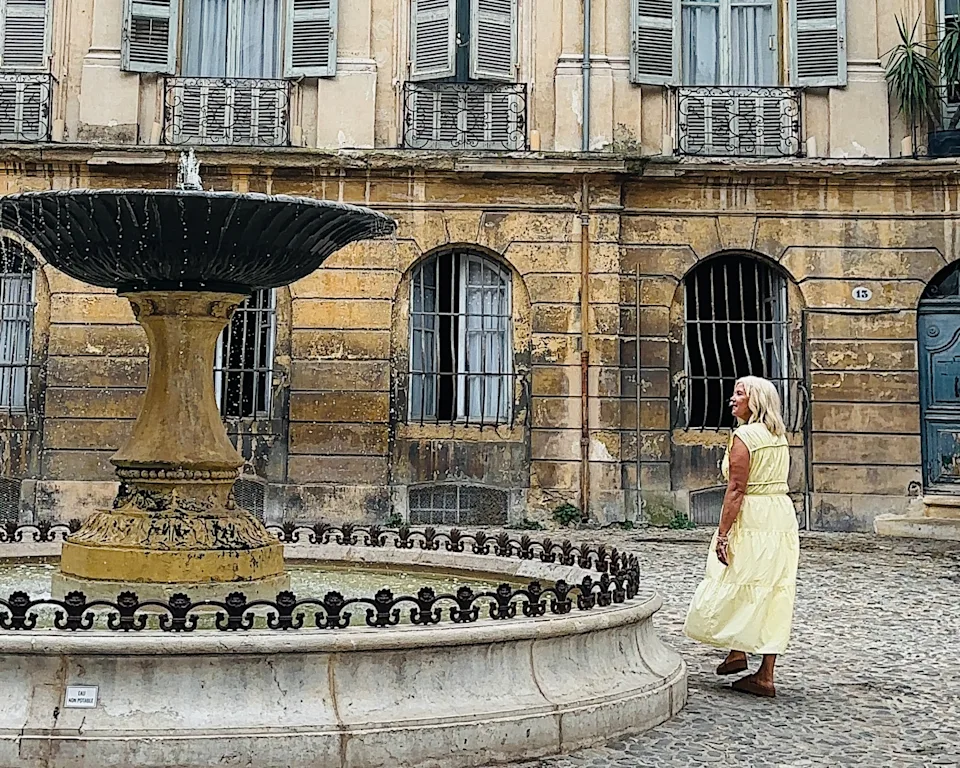
Wandering the peaceful streets of Ostuni in southern Italy’s Puglia region. Despite headlines about protests across Europe, our recent travels here have been calm and uninterrupted.
(Shelly Peterson)After nearly two weeks exploring Puglia and spending time in Naples, our experience has been very different from the images appearing in international news reports.
We’ve continued sightseeing, eating at local restaurants and exploring without any noticeable disruptions.
Of course, our experience is just one small snapshot of what’s happening across Europe.
While parts of Italy have experienced protests, that doesn’t mean every tourist destination is affected.
And conditions can change quickly.
How Could Europe’s Protests Affect Tourists?

Enjoying a peaceful gondola ride through Venice, Italy. While protests across Europe are making headlines, many popular tourist destinations continue to welcome visitors without disruption.
(Shelly Peterson)Even if you never encounter a demonstration, protests and strikes can still interfere with your vacation.
Potential disruptions include:
-
Transportation: Trains, buses and flights may experience delays or cancellations.
-
Road closures: Demonstrations can block streets and access to popular attractions.
-
Tourist attractions: Museums and other sites may close unexpectedly.
-
Crowded areas: Large demonstrations can become unpredictable, particularly when police intervene.
-
Itinerary changes: Travelers may need to adjust sightseeing plans or transportation connections.
For example, Italy maintains an official calendar of planned transportation strikes, which can help travelers anticipate disruptions before they happen.
Should You Cancel Your European Vacation?

Paris remains one of Europe’s most popular tourist destinations. While protests in France have raised concerns for travelers, demonstrations don’t necessarily affect every neighborhood or attraction.
(Shelly Peterson)For most travelers, protests alone aren’t necessarily a reason to cancel an entire European vacation.
Instead, focus on what’s happening in the specific cities and neighborhoods you plan to visit.
Before leaving, consider these precautions:
-
Check official travel advisories. The U.S. State Department publishes country-specific safety information and travel warnings.
-
Watch for transportation strikes. For example, if you’re visiting Italy, check the government’s official strike calendar for potential train, flight and public transportation disruptions.
-
Follow local news. Pay attention to planned demonstrations and transportation strikes.
-
Avoid protests. Even peaceful gatherings can become unpredictable.
-
Build flexibility into your itinerary. Allow extra time for trains, flights and connections.
-
Review your travel insurance. Understand what disruptions are covered before you travel.
If you’re visiting Italy, the country’s official transportation strike calendar is another helpful resource.
The Bottom Line for Americans Traveling to Europe
It’s understandable to feel nervous when headlines show burning barricades, clashes with police and thousands of protesters filling European streets.
But those images don’t necessarily reflect what travelers will experience throughout an entire country.
From our time in southern Italy, life has continued much as we’d expect, with busy restaurants, beautiful destinations and plenty of tourists enjoying their vacations.
My advice? Don’t automatically cancel your European vacation because of the headlines. But don’t ignore them either.
Research your specific destination, stay informed and be prepared to adjust your plans if conditions change.
Europe is a big place, and what’s happening in one city doesn’t necessarily tell the whole story.