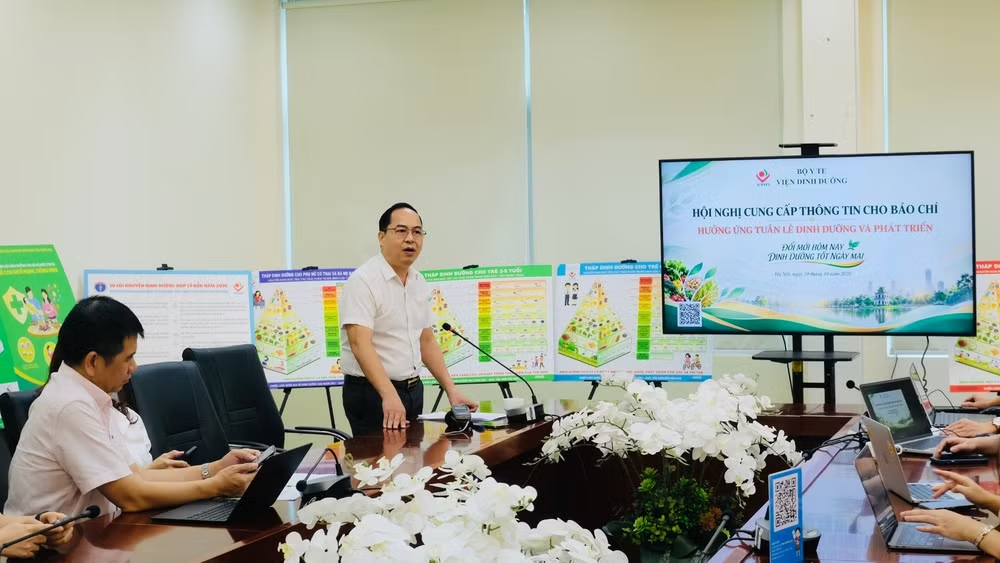

On October 19th, at a press briefing, Dr. Nguyen Hong Truong, Deputy Director of the National Institute of Nutrition, stated that the “Nutrition and Development” Week is an activity in response to World Food Day (October 16th) aimed at conveying the message “Innovating the food system towards sustainability, implementing a healthy diet for health today and tomorrow.”
This week encourages each family to improve the quality of their meals, ensure food safety, and reduce waste through diverse eating habits, a balanced combination of food groups, utilization of local food sources, and appropriate cooking methods.
Notably, improving meals doesn’t necessarily mean choosing expensive foods or increasing spending. To achieve this, families need to create meal plans, shop according to their needs, and control costs while avoiding excess. Diets should be appropriate for age, health, activity level, and economic conditions; those with medical conditions or special needs should seek professional advice. Schools, meal providers, businesses, and regulatory agencies need to cooperate and create conditions for people to access and maintain healthy eating habits.
The rational use of food resources is a shared responsibility of producers, suppliers, food service establishments, and consumers. Within the family, practical measures include: checking available food before purchasing; planning menus and selecting appropriate quantities; organizing food according to expiration dates and preparing only what is needed… These changes need to be implemented synchronously, from purchasing to storage and consumption, rather than only dealing with surplus food when it arises.
For school cafeterias, institutions, and catering establishments, menu review should include recording leftover food and gathering feedback from users. The goal of reducing waste must be linked to ensuring nutritional quality, not simply cutting down on food quantities or reducing portion sizes.
For each family, action can begin with today’s meals: eat a variety of foods, buy only what you need, read labels, store food properly, and maintain regular physical activity. These appropriate choices, made daily, are the foundation for caring for your own health, your family’s health, and the health of your community.
Reducing waste must always go hand in hand with ensuring food safety. Do not use food that shows signs of spoilage or does not meet storage requirements simply for the sake of saving money.
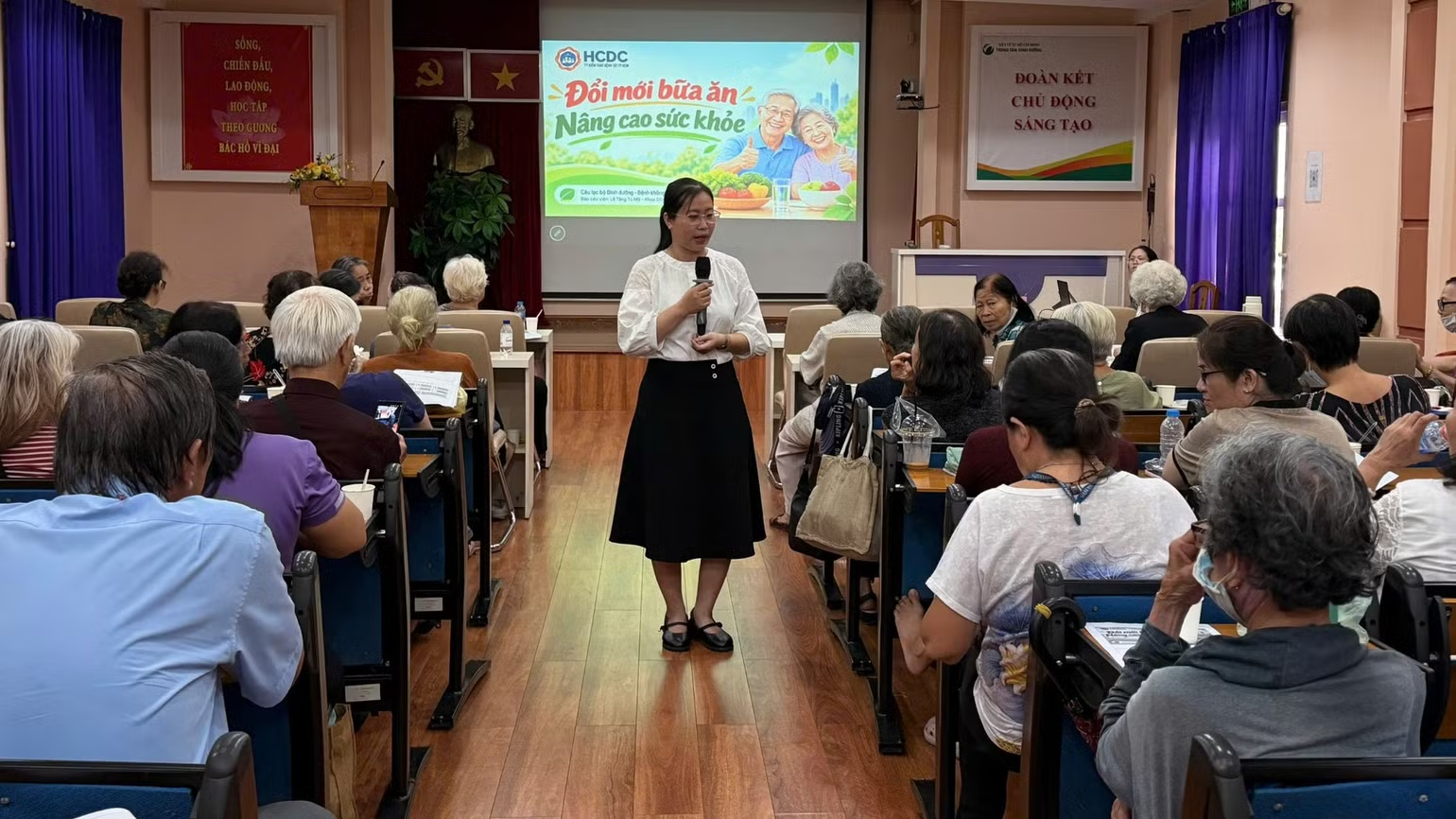
The 2026 “Nutrition and Development” Week also calls for the joint efforts of families, schools, businesses, the health sector, and regulatory agencies in building a safe and healthy food environment; from improving meal quality and information transparency to reducing waste and supporting access to nutrition services; promoting healthy eating habits, transparent nutritional information, and the application of science and technology for public health.
According to Dr. Hoang Thi Duc Ngan, head of the Community Nutrition Department at the National Institute of Nutrition in Vietnam, non-communicable diseases account for approximately 78% of all deaths from all causes. A national survey of risk factors for non-communicable diseases showed that adults (18-69 years old) consume an average of 8.1g of salt per day, higher than the World Health Organization’s recommendation of less than 5g/day; the rate of overweight and obesity in this age group is 19.5%. The rate of overweight and obese children increased 2.2 times between 2010 and 2020.
In light of this situation, transparent nutritional information helps people choose appropriate foods. Circular 30/2026/TT-BYT, effective from July 10, 2026, provides guidance on listing ingredients and nutritional values on food labels, creating a basis for providing clear and consistent information.
To use information effectively, consumers need to practice “Read labels – Understand correctly – Compare – Choose appropriately,” paying attention to nutritional values calculated per 100g, 100ml, a serving, or the entire package; avoiding choices based solely on a single nutrient or advertisement, verifying information from official sources, and seeking advice when needed. Businesses need to provide clear and unambiguous information; regulatory agencies and the media need to guide people in applying this knowledge when purchasing, preparing, and using food.
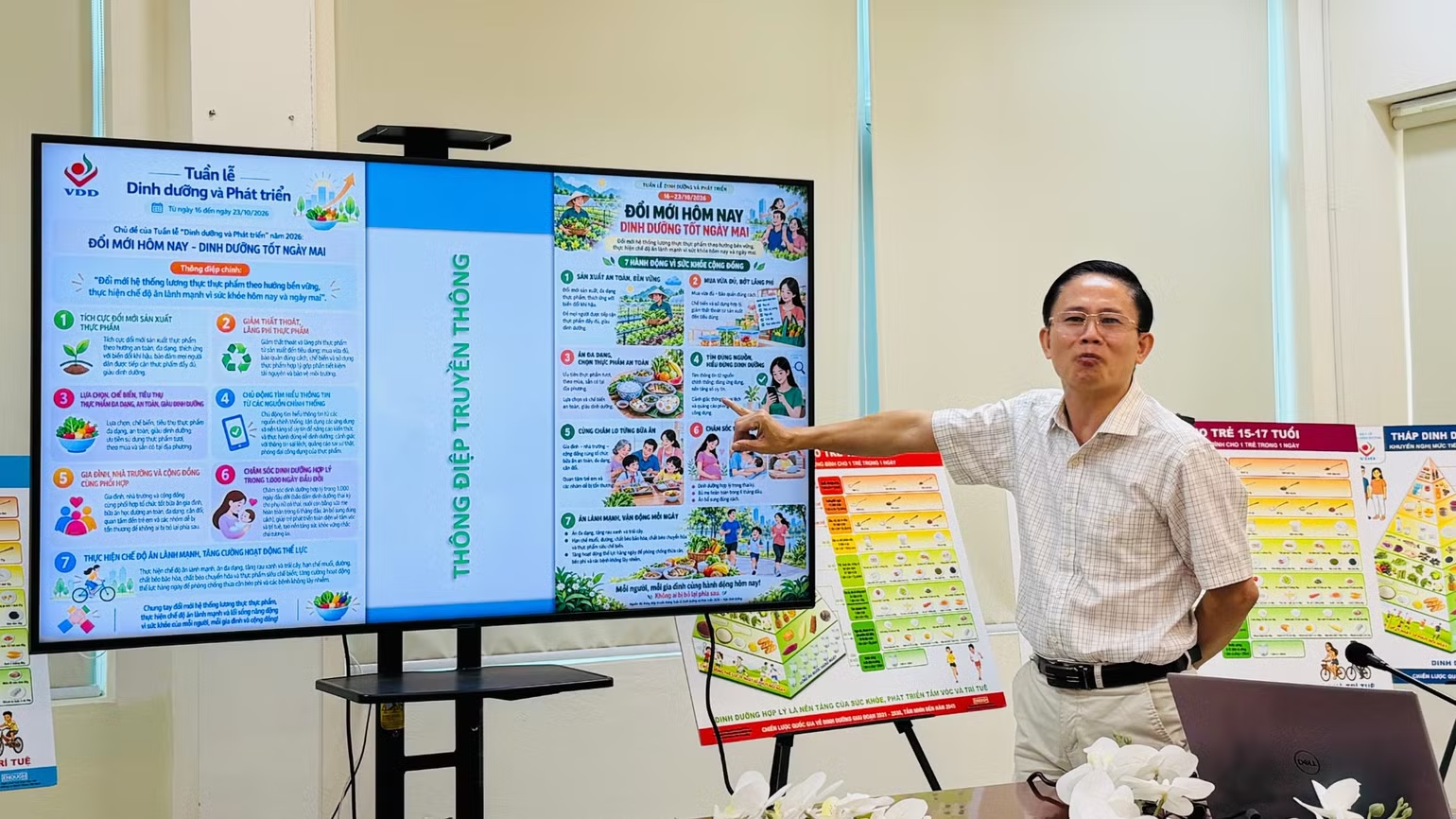
According to Dr. Trinh Hong Son, Director of the Center for Nutrition Education and Communication at the National Institute of Nutrition, “The Ten Recommendations for Rational Nutrition by 2030 and the Age Group Nutrition Pyramid are tools to support communication, counseling, and practice of nutrition. In addition, the Vietnam Nutrition – VNeNUTRITION application contributes to bringing nutritional knowledge closer to the people, supporting them to proactively learn and apply it to food choices, meal organization, and daily health care. This is a tool that helps concretize nutritional recommendations, utilize reputable digital applications and platforms to improve knowledge and practice of nutrition correctly, and increase access to official information in the community.”
Nutrition experts point out that nutritional care should be implemented from a healthy age throughout life, especially for pregnant women, breastfeeding mothers, children, the elderly, and vulnerable groups. During the first 1,000 days of life, emphasis should be placed on prenatal nutrition, breastfeeding, appropriate and safe complementary feeding. For school-aged children, families, schools, and healthcare facilities need to collaborate on meal care, nutritional education, encouragement of physical activity, and growth monitoring, avoiding pressure on body image or unsafe weight control.
Meanwhile, for adults and the elderly, diets need to be tailored to their health, eating capacity, and level of physical activity; at the same time, support should be provided to those who have difficulty accessing, preparing, or using food; in disadvantaged areas, communication should be linked with nutritional counseling and assessment, connecting services and coordinating health, education, livelihoods, and poverty reduction efforts so that people have the opportunity to practice these practices.