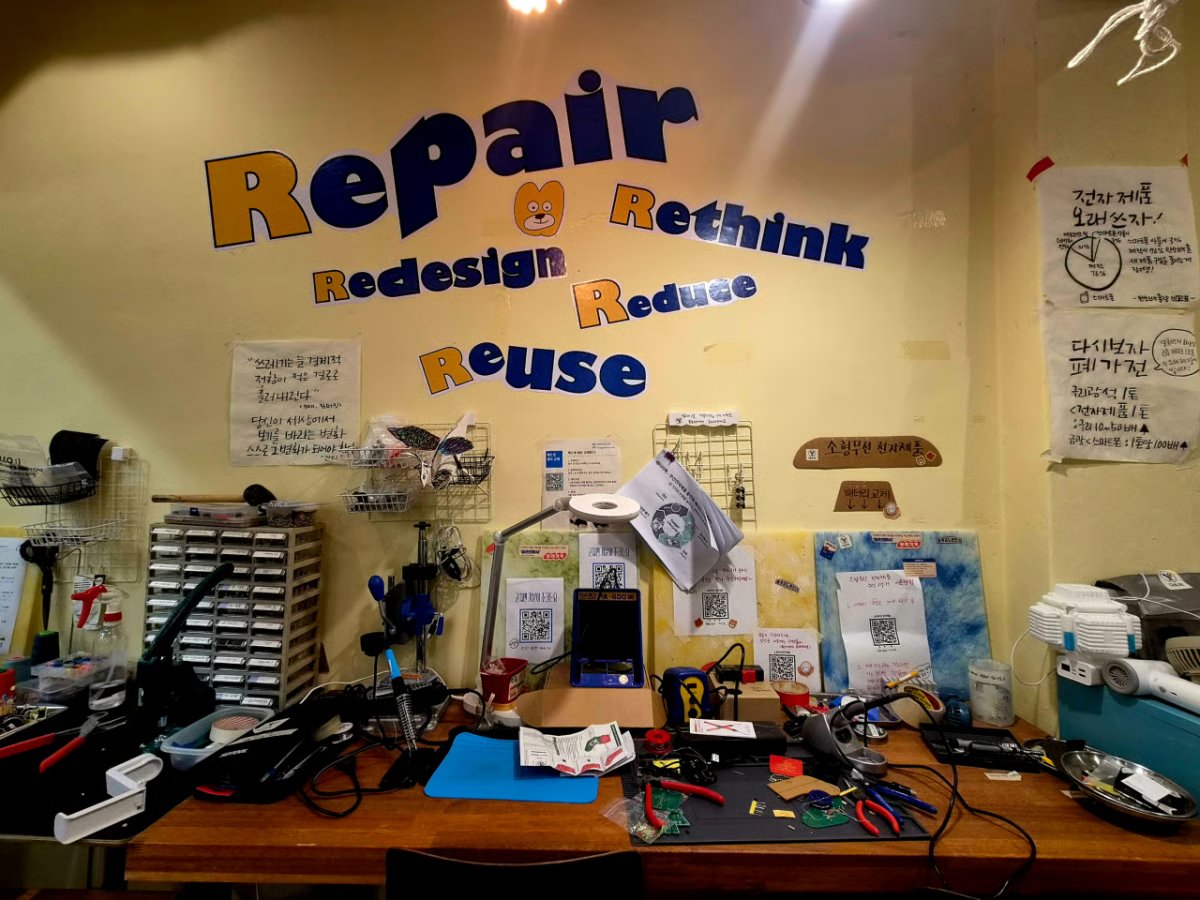
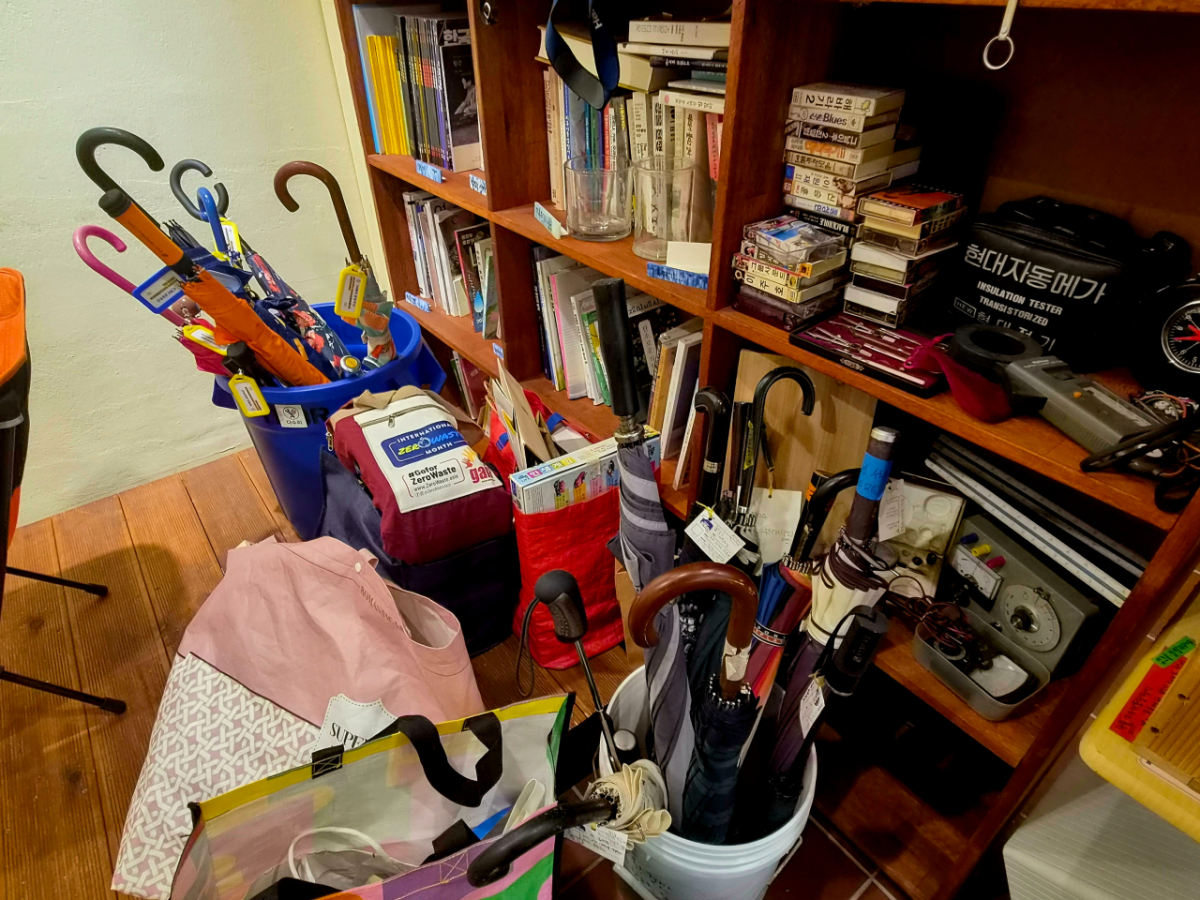
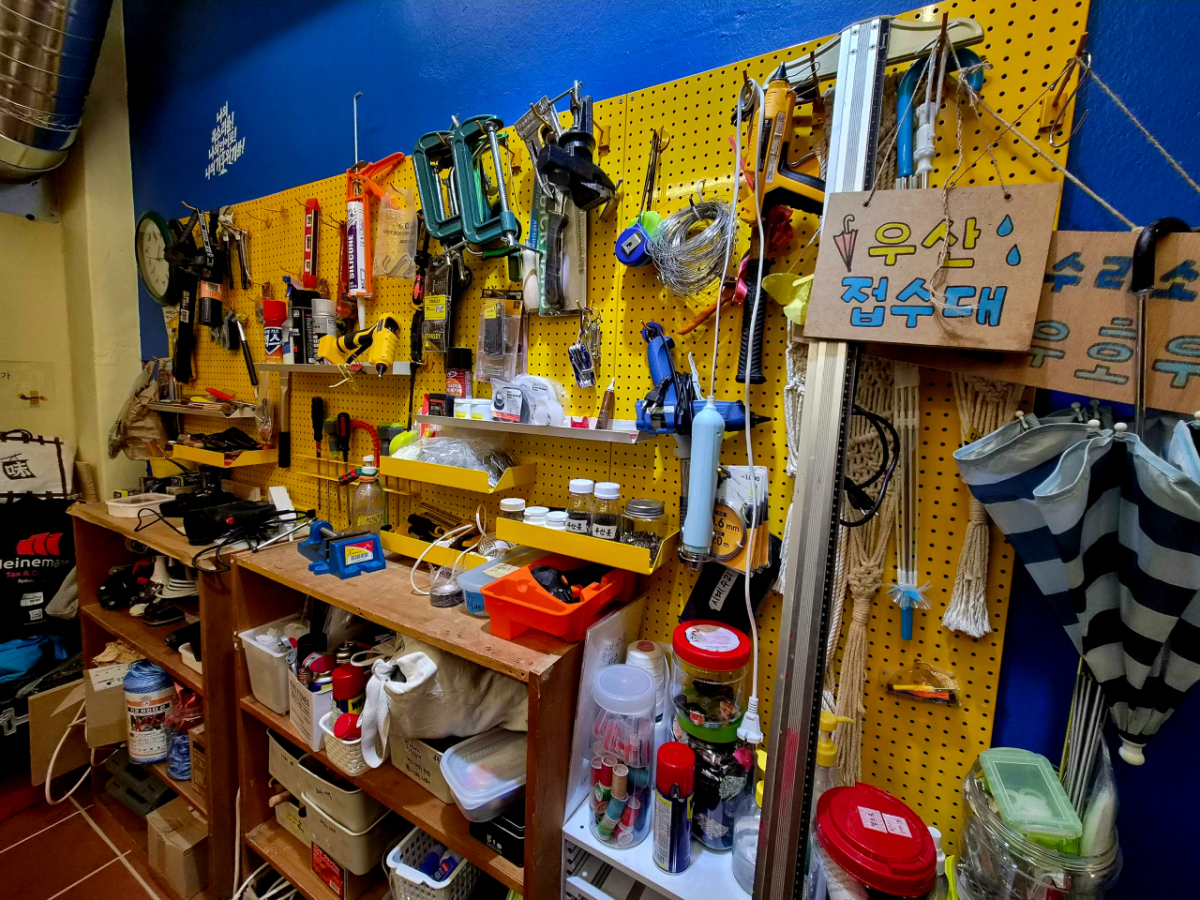
Every Thursday at 4 p.m., people gather in the basement of a building in an alley near Mangwon Market in Mapo-gu, Seoul. They come together to repair umbrellas. After finishing their regular work, they meet at the space to take apart umbrellas and fix those brought in for repair.
Since late 2023, two or three new participants have joined each year, and the group now has around 15 members who regularly take part in the weekly repair sessions. Together, they have repaired approximately 200 umbrellas brought in by customers.
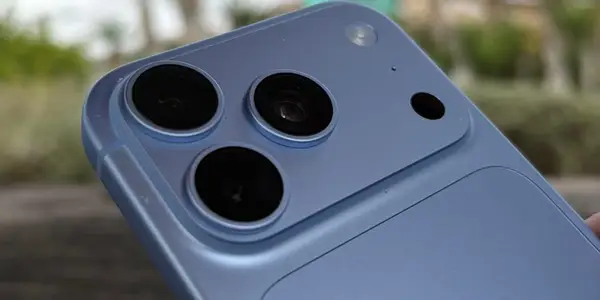
The space is called Gomson Repair Shop, or Gomson. Its opening was inspired by a personal experience of its founder, Yoo Hye-min. Just three days after buying an iPhone, she accidentally cracked its rear glass panel.
The screen was intact and the camera still worked properly, but she was told the repair would cost more than 800,000 won. Determined to fix the phone herself, she decided to learn how to repair it — and succeeded.
After confirming firsthand that repair was a viable alternative, Yoo initially began fixing phones with friends before reaching out to a wider group through social media.
She realized that many people wanted to keep using their phones even when the batteries wore out or the glass cracked. She wanted to share the experience of repairing things with more people and make it part of everyday life.
Yoo, who produces environmental documentaries, had lived in Mangwon-dong for many years and previously participated in a campaign to reduce plastic bag use at Mangwon Market.
She encouraged merchants and shoppers to use reusable shopping bags, but found it difficult to see noticeable changes across the market. By contrast, she believed that creating a space where people could repair everyday items would allow residents to experience small changes firsthand and help make resource circulation a more practical part of daily life.
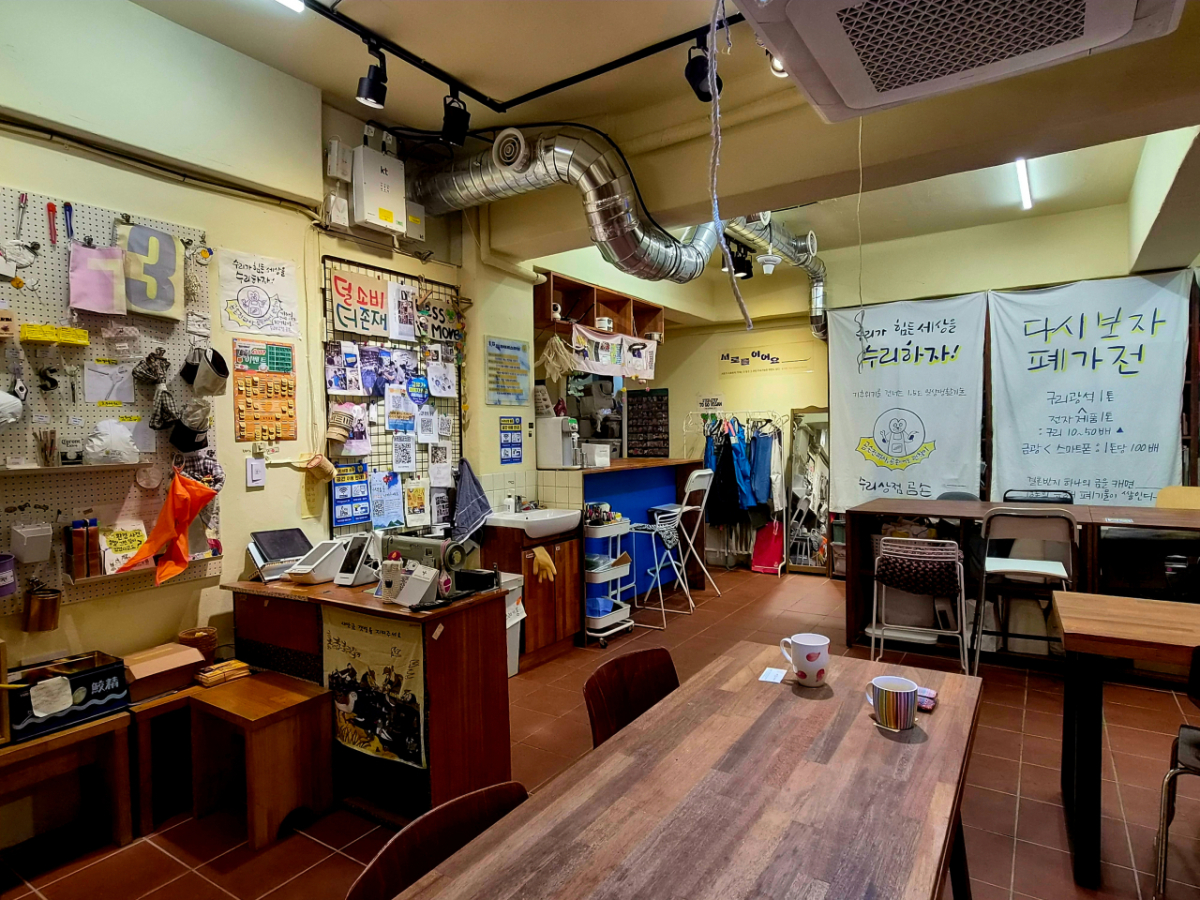
That is how Gomson came into being. The team secured a space and began preparations in November 2023 before officially opening in February 2024. Yoo and five others who share a commitment to resource circulation make up the shop’s six-member management team.
While maintaining their regular jobs, they cover rent and operating expenses through class fees and income from external educational programs.
Gomson opens four days a week, from Thursday through Sunday, and runs around 20 programs a month. In smartphone repair classes, one instructor typically works with four participants.
Recently, more people have been bringing in old phones they had left in drawers, driven in part by growing interest in the distinctive image quality of photos taken with cameras on older models.
On some days, participants bring small household appliances and work with a local electronics repair shop owner to identify the cause of the problem. Items that can be fixed on the spot are taken home, while those requiring more work are left at the repair shop for what the team calls “hospitalization.”
When met at Gomson in Mangwon-dong, Mapo-gu, Seoul, on Nov. 20, Yoo said, “Since opening, we have handled more than 1,000 repairs involving mobile phones, small household appliances and umbrellas. Including repairs carried out at our gatherings before the shop opened, citizens have repaired approximately 500 mobile phones themselves.”
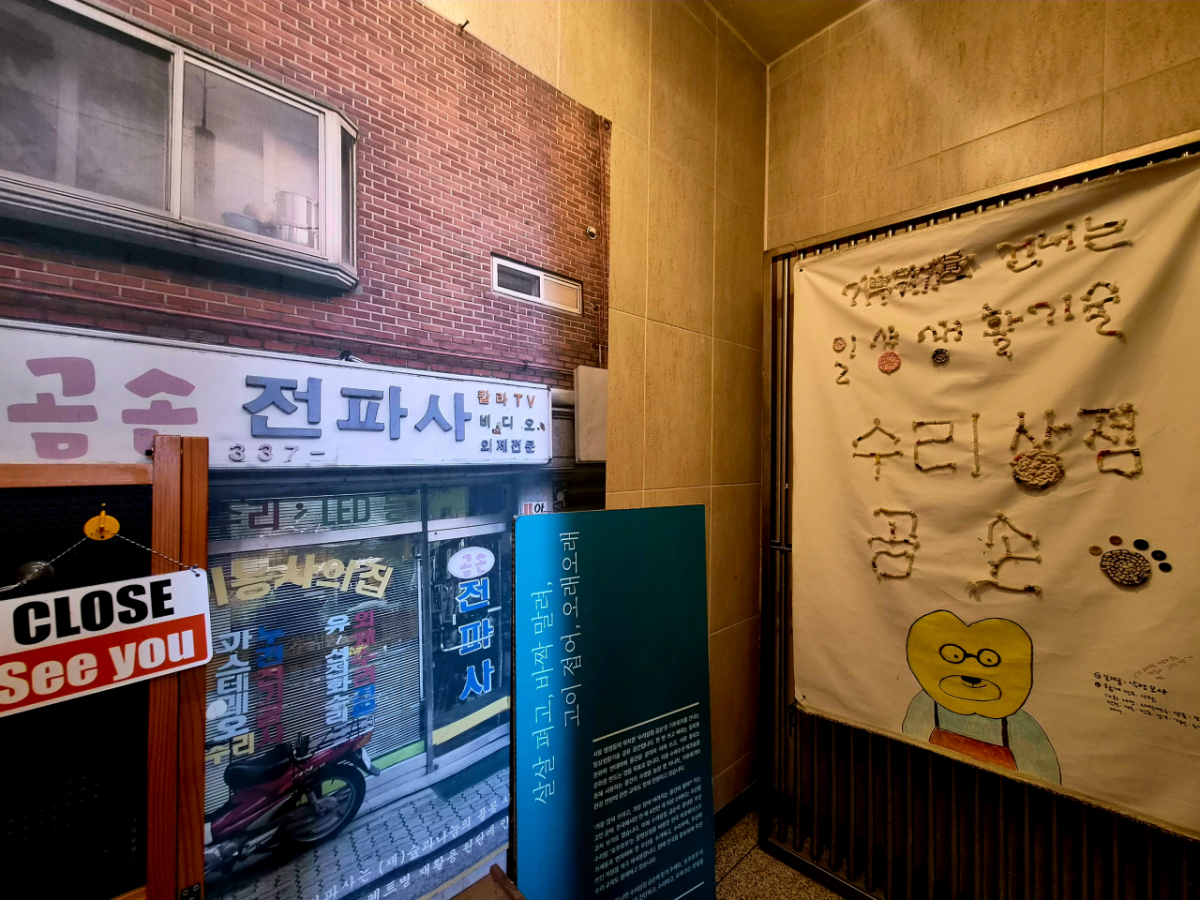
Over nearly three years of operation, Gomson has also expanded its reach. Yoo and her team have taught umbrella repair techniques in cities including Jeonju, Cheonan and Sejong, helping establish repair hubs in other regions.
In Sejong, people who received the training continue to repair umbrellas. Gomson also provides repair instructions and lists of essential tools to people in other regions who want to launch similar initiatives.
Grassroots efforts have also helped bring about institutional changes. A notable achievement came in March this year, when Mapo-gu adopted an ordinance to promote a repair culture.
The ordinance includes plans to expand repair education through neighborhood-based community spaces and establish a district-wide system for lending tools through administrative welfare centers.
Gomson contributed ideas through meetings and discussions with local officials. Talks are now underway on specific implementation plans ahead of next year’s budget allocation.
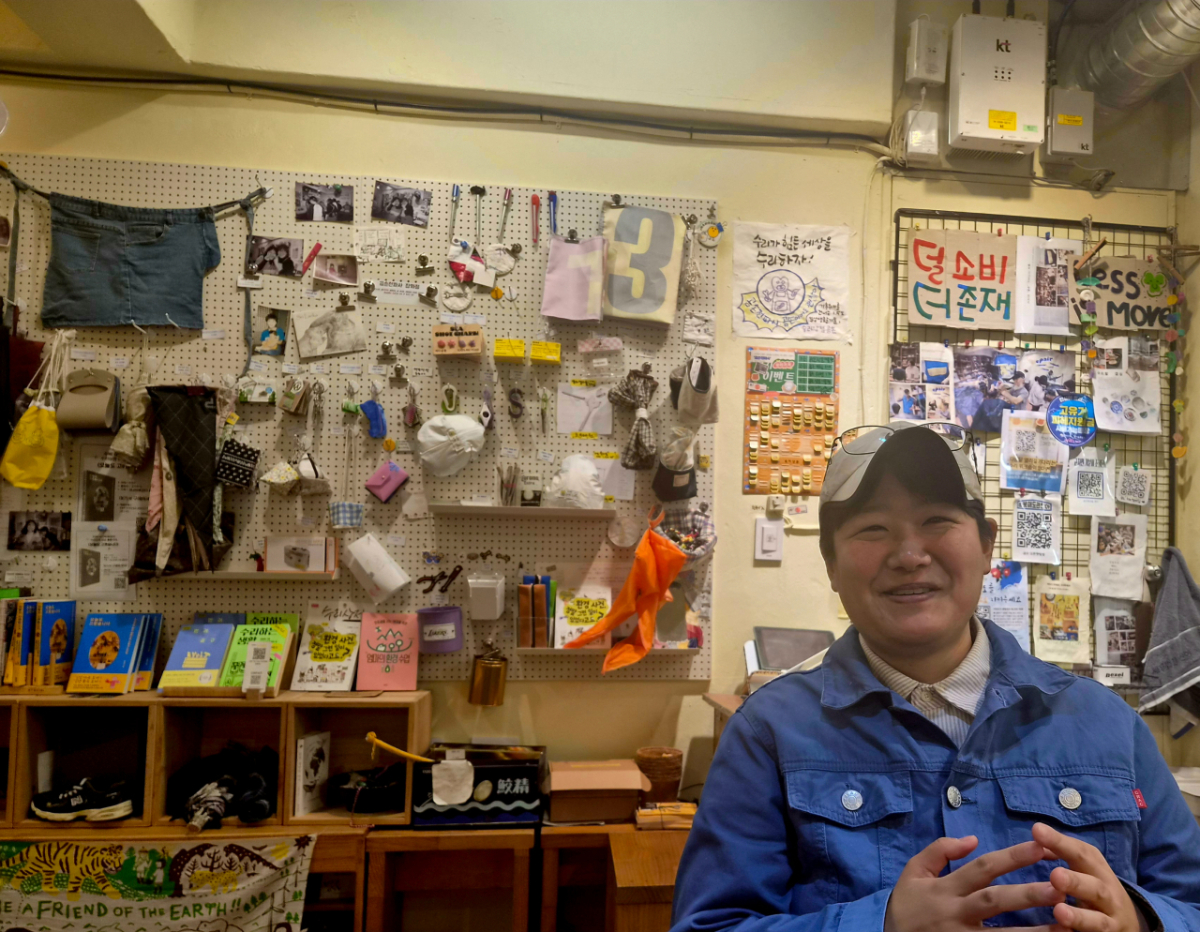
Yoo emphasized that while teaching consumers how to repair products is important, establishing standards that encourage manufacturers to make durable products from the outset is equally essential.
Low-cost household appliances purchased through overseas online shopping platforms often have poorly made components, making them difficult to use for long even after repairs. Because buying a replacement is relatively inexpensive, consumers also tend to discard them when they break down.
Yoo said standards should require manufacturers to consider durability from the design stage, even for low-cost small appliances, and that clear requirements should be established for products entering the country through direct overseas purchases.
The European Union, for example, has an ecodesign framework that requires manufacturers to consider a product’s durability, repairability and recyclability from the design stage.
One notable example is its requirement that spare parts, including batteries and screens, for newly launched smartphones remain available to professional repairers for at least seven years after the model is no longer supplied.
Yoo plans to focus on lithium-ion batteries over the coming year. Small rechargeable electronic devices, including smartphones, laptops and wireless earbuds, use lithium-ion batteries made with lithium, cobalt, nickel and manganese.
Adding rare earth elements used in components such as miniature speakers and vibration motors inside these devices, the amount of finite resources contained in a single electronic product is considerable.
This is also why repair initiatives overseas place particular emphasis on electronic devices: they aim to extend the useful life of resources that have already been mined.
After realizing that she carried four or five rechargeable devices in her own bag alone, Yoo decided to start with batteries, which can be relatively easy to replace in everyday life. Next year, she plans to offer classes on replacing the cells inside portable power banks so they can be used again.
“I want to expand opportunities for resource circulation by starting with the items people use most frequently in their daily lives and teaching them how to repair and reuse them,” Yoo said.