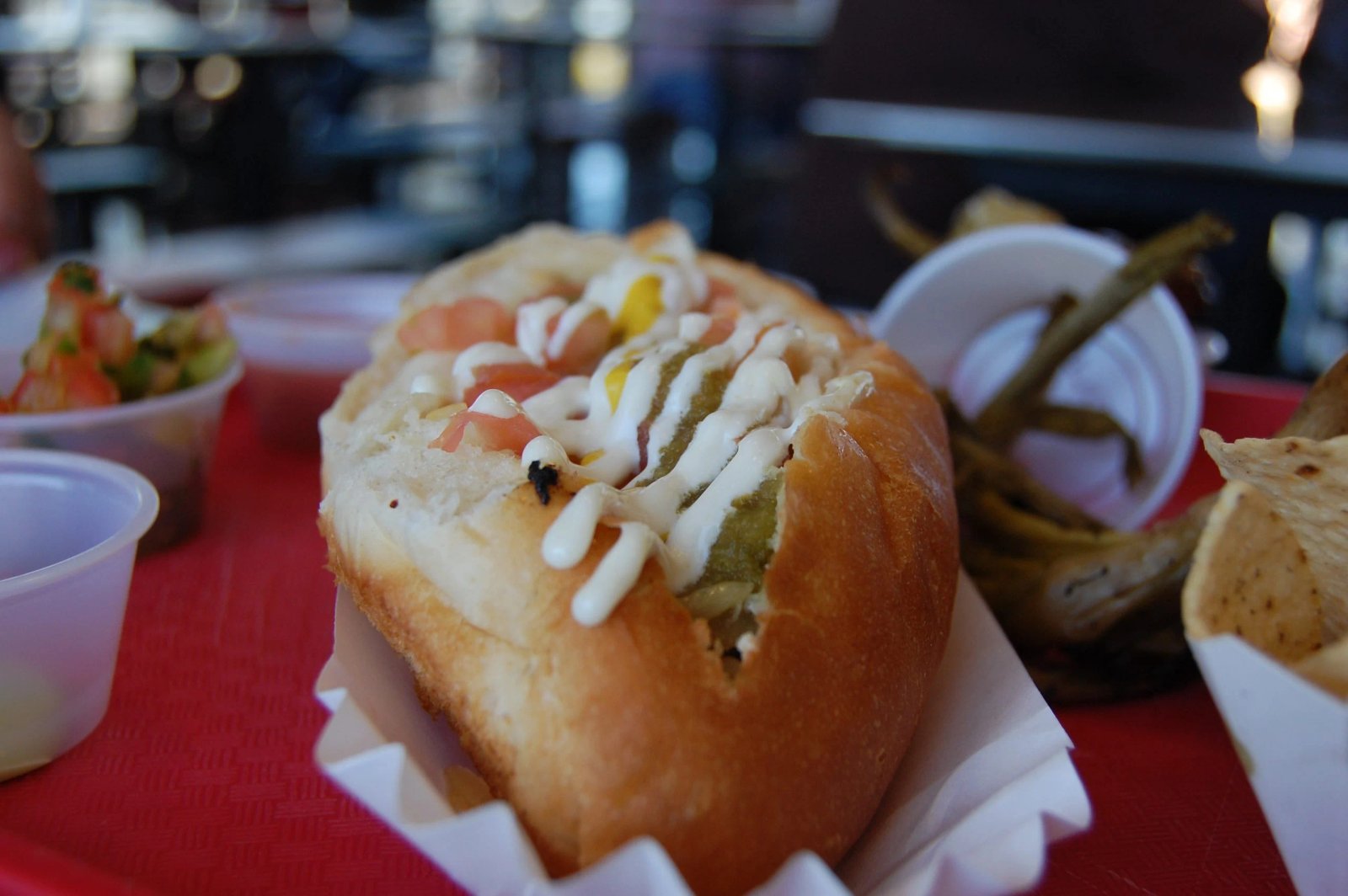
Pozole verde by Wholly Frijoles Mexican Street Food in Cuyahoga Falls.
USA TODAY Network, Reuters
In some Arizona homes, Thanksgiving doesn’t smell like freshly roasted turkey, but rather tamales, birria or pozole. And while the dishes may vary, the reason for gathering remains the same: to give thanks for family, health and the opportunities received.
On Thursday, Nov. 26, the United States will celebrate Thanksgiving, a holiday that many Latino families have made their own by incorporating flavors, customs and traditions from their countries of origin.
From Avondale to Laveen and downtown Phoenix, the stories of three families show how this American holiday can become a gathering where two cultures come together without losing sight of what matters most: being together.
Prayer, turkey and family games in Laveen
Not every Latino family has replaced the traditional Thanksgiving menu. In Laveen, Miriam Torres and her family usually celebrate with turkey, green beans and other traditional holiday side dishes.
Her older sister, who has lived in the United States for years and is married to a third-generation American, usually prepares the meal.
But before they begin eating, the family has a special tradition.
“My brother-in-law starts by giving thanks that we are there with him and for everything he has received, and then each of us shares what we are thankful for,” Torres said.
Afterward come games, conversations and time spent together with siblings, nieces, nephews and other relatives.
“We celebrate that, in the end, we are all together as one family. And we are thankful for the opportunities this country has given us. These are not originally our customs, but we have adopted them because of what they mean: giving thanks,” she said.
From turkey to tamales, a tradition that evolves in Avondale
For Martiza Cerda, an Avondale resident, Thanksgiving has changed over the years.
During her childhood, the celebration included traditional American dishes, especially turkey, along with the custom of gathering to give thanks for the good things in life.
However, when she became a mother, she decided to incorporate new flavors into her family’s celebration.
“Now with my little one, our tradition is to eat tamales and get together to enjoy the company of those closest to us, whether they are family or not,” Cerda explained.
Beyond what is served at the table, she believes what matters most is being thankful for another day of life and for the opportunity to share it with loved ones.
Turkey, birria, pozole and tamales in Phoenix
For Mariana Gómez, originally from the State of Mexico, and her husband, José Govea, from Michoacán, Thanksgiving is an opportunity to bring several generations of their family together in Phoenix.
The couple arrived in Arizona more than two decades ago and, over the years, incorporated the celebration into their family traditions.
“Like they do here, we give thanks for everything we have received this year. The only thing we do differently from our other gatherings is that before we start serving the food, we gather around the table and each person gives thanks for whatever they want to be thankful for. Even the little kids do it,” Gómez said.
In their family, the menu is not limited to turkey. Depending on their guests’ preferences, they also prepare birria, pozole or tamales.
At one of their previous celebrations, Gómez said she prepared pozole, while her mother brought ham with side dishes and her sister-in-law brought the turkey.
In this way, Mexican and American flavors share the same table as parents, children, siblings, aunts, uncles, nieces and nephews take part in a celebration that brings generations together.
A Hispanic twist on Thanksgiving recipes
Who says Thanksgiving turkey always has to be prepared the same way? In Hispanic kitchens, the traditional centerpiece of the Thanksgiving meal takes on new flavors with ingredients, spices and recipes that reflect the diversity of the community.
If you want to surprise your family with a different dinner, we’ve gathered several recipes to give your table a Latino touch, from different takes on turkey to side dishes and desserts to round out the celebration.
Turkey is one food that cannot be missing from a Thanksgiving dinner, as it has a meaning deeply rooted in the history of the holiday’s origins. For Native tribes and settlers when the tradition began in the 17th century, turkey was the most practical animal to slaughter. Two other factors also played a role: turkeys reproduce quickly, making them plentiful, and their size was more than enough to feed a large group of people.
Here are some Latin-style seasonings to amp up your Thanksgiving dinner.
- Cuban turkey. Give your turkey a Cuban flare with a good dose of ground black pepper, white vinegar, dried oregano, orange and lemon.
- Mole-inspired turkey. Add the spicy and bitter flavors of coffee, chili powder and cayenne pepper for a perfect balance of robust flavors in your turkey rub.
- Chipotle cranberry sauce. Add chipotle peppers or chipotle in Adobo to cranberry sauce for smokey heat.
- Mashed yuca and cheese. Yuca is a root vegetable widely known as an essential ingredient in several Latin American cuisines, especially in the Caribbean, add some mashed yuca with cheese to your holiday table.
- Cuban macaroni and cheese. Mac and cheese is another classic on Thanksgiving tables and in American cuisine in general, but it can also be given a Cuban twist by adding browned ham, shredded roast pork, pickles and a blend of cheddar and Swiss cheeses.
- Salsa green beans. Green beans are another traditional Thanksgiving side dish. To give these crisp vegetables a Mexican twist, add a serving of pico de gallo, also known as salsa bandera in some regions of Mexico, made with tomato, onion and jalapeño. Mix the salsa with the cooked green beans and add fresh cilantro.
- Chipotle honey butter. Add sweet yet smoky flavors to mashed potatoes and dinner rolls with a chipotle-spiked honey butter.
Thanksgiving desserts with Latin flavors
To end on a sweet note, dessert. Pumpkin, sweet potato, cinnamon and other flavors are characteristic of Thanksgiving desserts, and they can also be incorporated into Latin American desserts.
- Pumpkin flan. Flan is a dessert of European origin that has won over the palates of many Mexicans, as the sweet, creamy and slightly gelatinous treat has become one of their most popular desserts. To adapt it for Thanksgiving, what better way than to incorporate the flavor of pumpkin?
- Pumpkin tres leches cake. Who isn’t familiar with traditional Mexican tres leches cake? This Thanksgiving, what better way to give it a seasonal twist than by combining it with the distinctive flavor of pumpkin? The recipe starts with a pumpkin cake flavored with spices such as cinnamon, nutmeg, ginger and cloves. And to give it that sweet Mexican touch, the cake is soaked in a three-milk mixture: condensed milk, evaporated milk and half-and-half, a mixture of equal parts whole milk and cream.
- Pumpkin arroz con leche. Pumpkin arroz con leche is a delicious and easy-to-make dessert that gives the classic Mexican treat a fall twist. Made with rice, cinnamon, condensed milk, vanilla extract and pumpkin puree.
- Churro cheesecake. Combine beloved baked cheesecake with the flavor of crispy churros by adding cinnamon.
Contact reporter Nadia Cantú by email at nadia.cantu@lavozarizona.com or on X at@Nadia_Cantu.
This article originally appeared on Arizona Republic: Thanksgiving means Turkey and tamales for Mexican families in Arizona
Reporting by Nadia Cantú, La Voz / Arizona Republic
USA TODAY Network via Reuters Connect
Copyright Reuters or USA Today via Reuters Connect
This story was originally published November 25, 2026 at 4:00 AM.