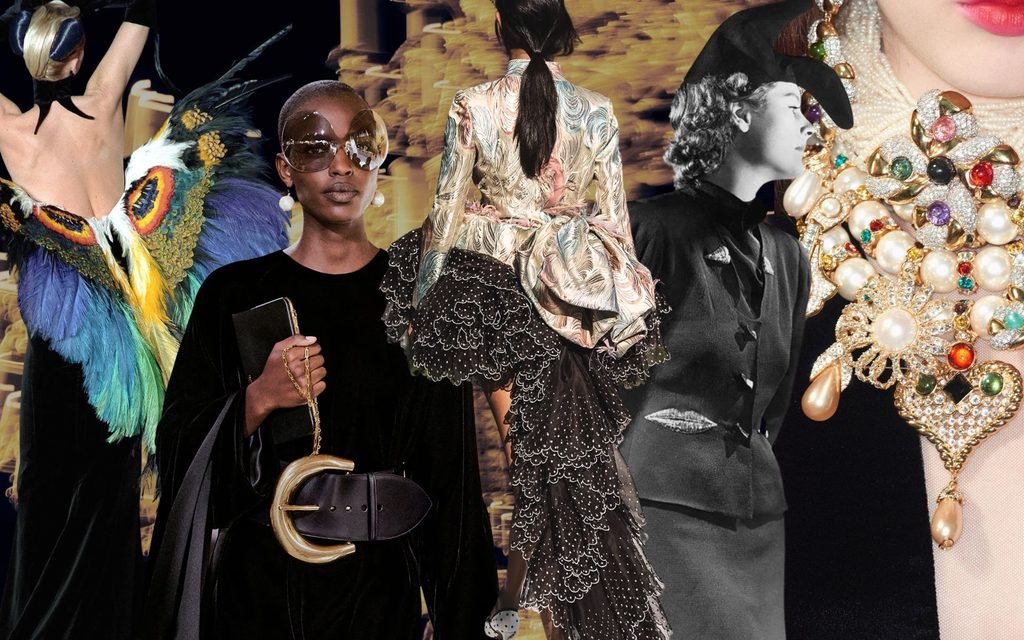
Every few years, someone announces that maximalism is dead. Every few years, maximalism rolls up anyway,
in a bigger hat. That is the thing about fashion’s loudest instinct: it does not die. The pattern is so reliable we can almost set our watches by it. When the world contracts—economically, culturally, spiritually—the clothes expand. More fabric, more colour, more noise—almost a rebound indicator. We reach for it when we have been told to tighten our belts.
Diana Vreeland’s famous credo goes, “The eye has to travel,” and fashion has flourished by doing precisely that, travelling through time and space. Minimalism often gets the credit for being modern—clean, refined, mature, expensive in its restraint—and on many commercial fashion floors, beige and black outsell a flashy colourway several times over. But excess keeps returning, and it rarely comes back wearing the same thing twice. Fabric, cut, colour, and pattern—maximalism has plenty to offer, precisely because it has travelled.
It is impossible to pin down exactly where and when the love of excess first sprouted. The flamboyant Elizabethan era, the enormous Baroque collars, the elaborate Rococo trimmings, and the towering hairstyles all point one way. Nor is “more is more” confined to Europe. Tang China had silks, gold-thread brocade, and elaborate hairpins. The Mughal Empire had kinkhab, kundan jewellery, and jamdani. Ottoman dress favoured embroidered kaftans and turbans with ornamental aigrettes. One thing all these cultures agreed on, though, was that being “more” was a status symbol: wealthy, aristocratic, tasteful.
The Swing and the Crash
Before the First World War, Paul Poiret removed corsets and introduced harem pantaloons and lampshade tunics, wrapped in silk and velvet, Byzantine gold thread, emerald, saffron, and peacock colours. The “Le Magnifique” rejected the muted Edwardian palette and made clothes move like decorative art. The silhouette was loose, hobbled, scandalous—an escape from Western tailoring, incorporating patterns from Persia, Japan, and the Ballets Russes. The New York Times, dispatched from Paris in 1910, marvelled that he cared not a fig for other dressmakers and that insouciance became the founding gesture of modern maximalism.
Arguably, this orientalism flattened its sources into costume. On the other side of the world, the qipao—crafted from opulent fabrics such as heavy silk brocade and imported lace—was adorned with excessive trimmings, intricate embroidery, and Art Deco geometry, and Japan too, embraced modernised silk kimonos laden with Art Deco-inspired designs. In Southeast Asia, the introduction of roller printing brought about a new phase of modernisation, in which organdy fabric could be adorned with multiple colours in a single pass, adding dense floral patterns to the already popular batik prints.
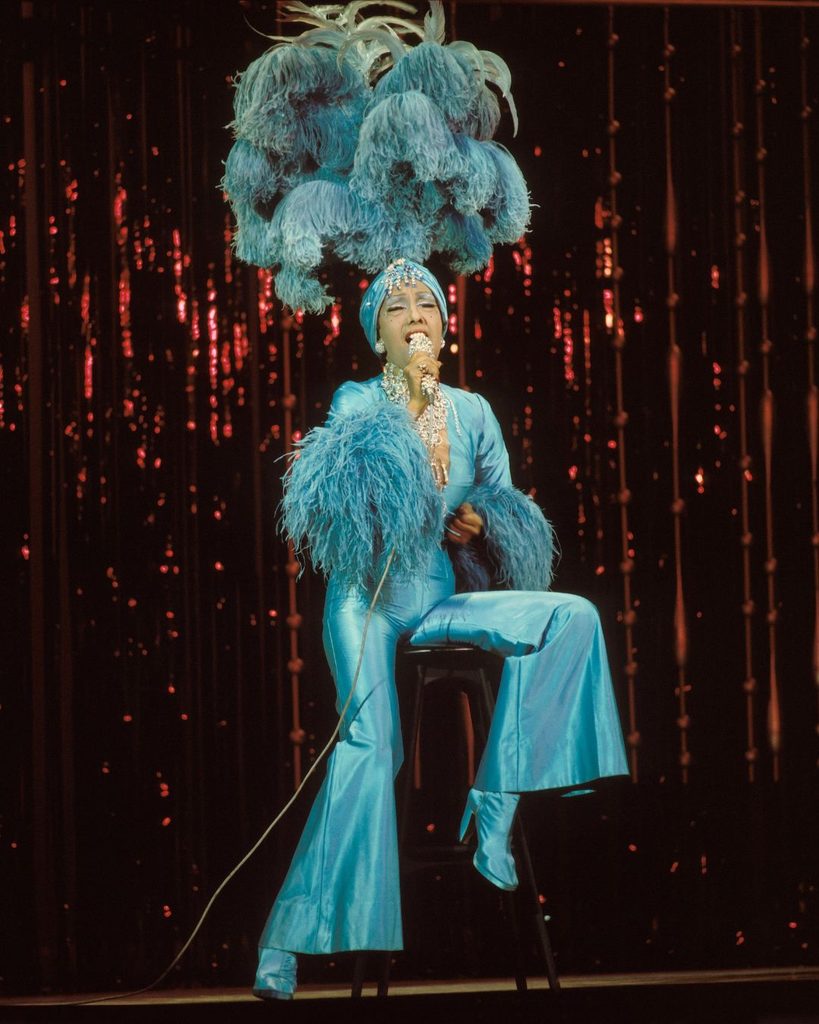
If Poiret’s static excess dominated the decade, the Jazz Age set it in motion, with beads, fringing, marabou, and
ostrich feathers. The drop waist and straightened silhouette were engineered for dancing and swinging, doused in silver, gunmetal, and gold. After Tutankhamun’s tomb was discovered in 1922, Egyptian motifs entered fashion in force. Josephine Baker’s banana skirt and Clara Bow’s red bob gave the Roaring Twenties a face. Known affectionately worldwide as flapper fashion, the style was closely associated with post-war liberation and adopted by modern women around the world. In East Asia, especially China, Western influence was ubiquitous as trade opened up. Traditional dress was lavishly decorated, with flapper influences woven throughout. The same style spread across Southeast Asia, especially in urban centres, while new technologies such as the sewing machine and machine embroidery made decorated garments more accessible and cost-effective. It was an era in which fashion roared, utterly maxed out.
Then came the lobster.
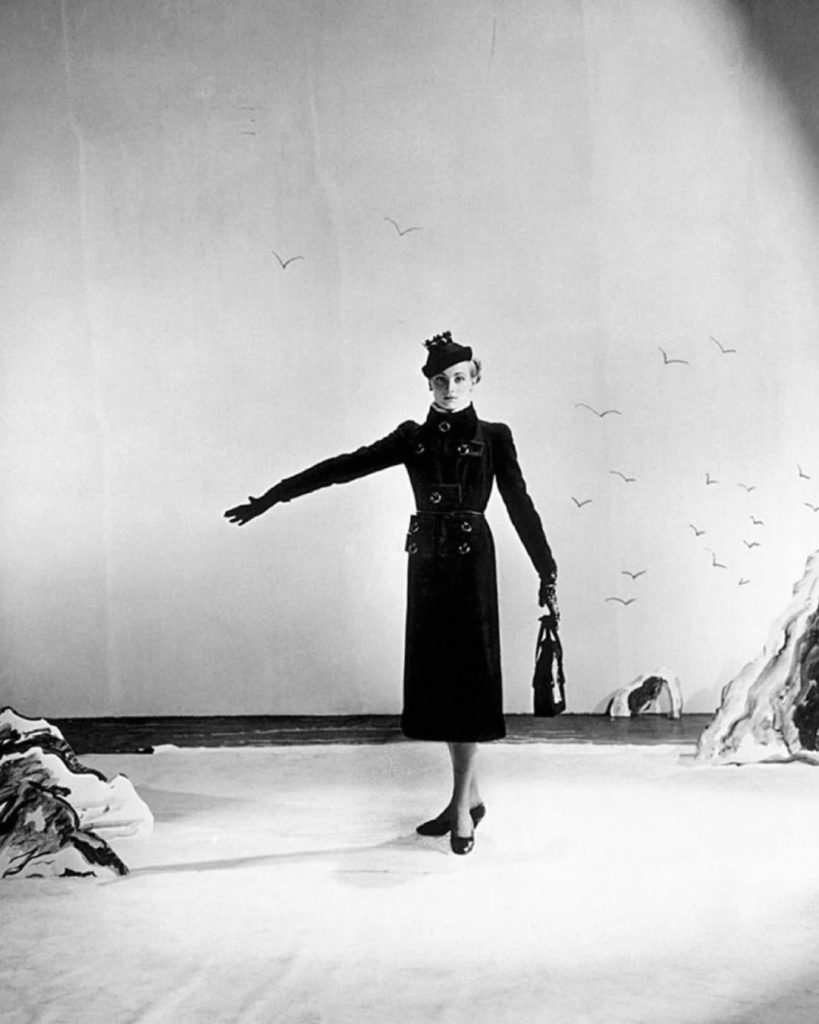
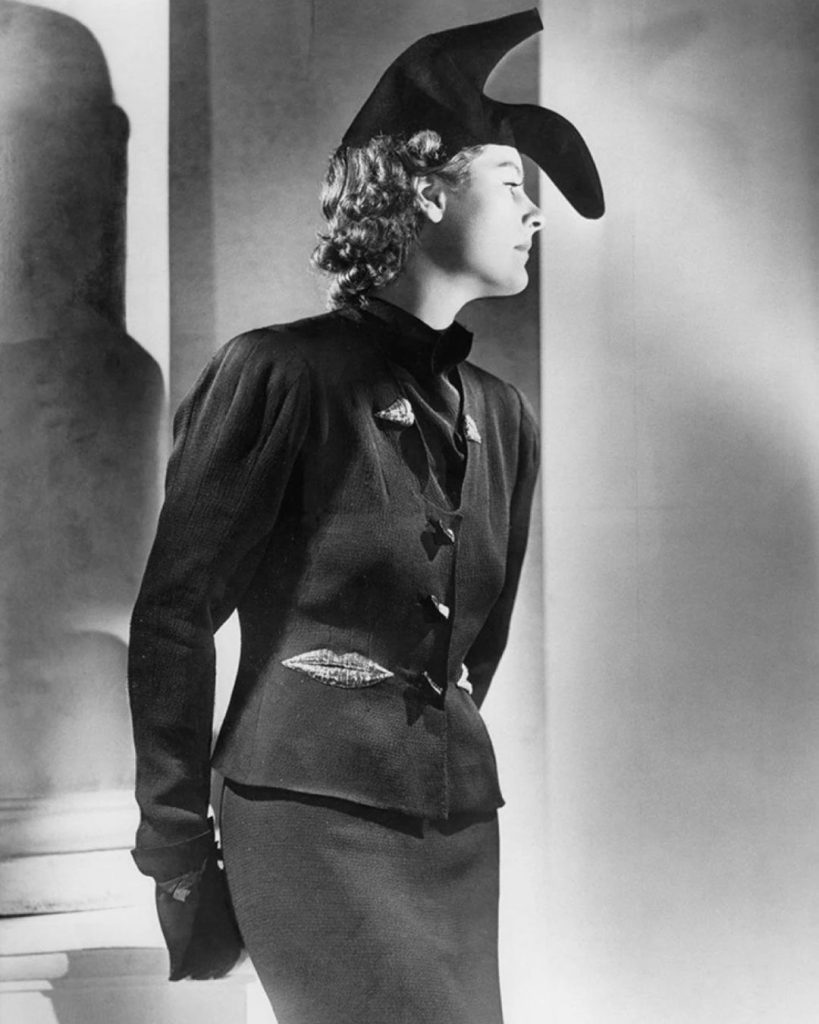
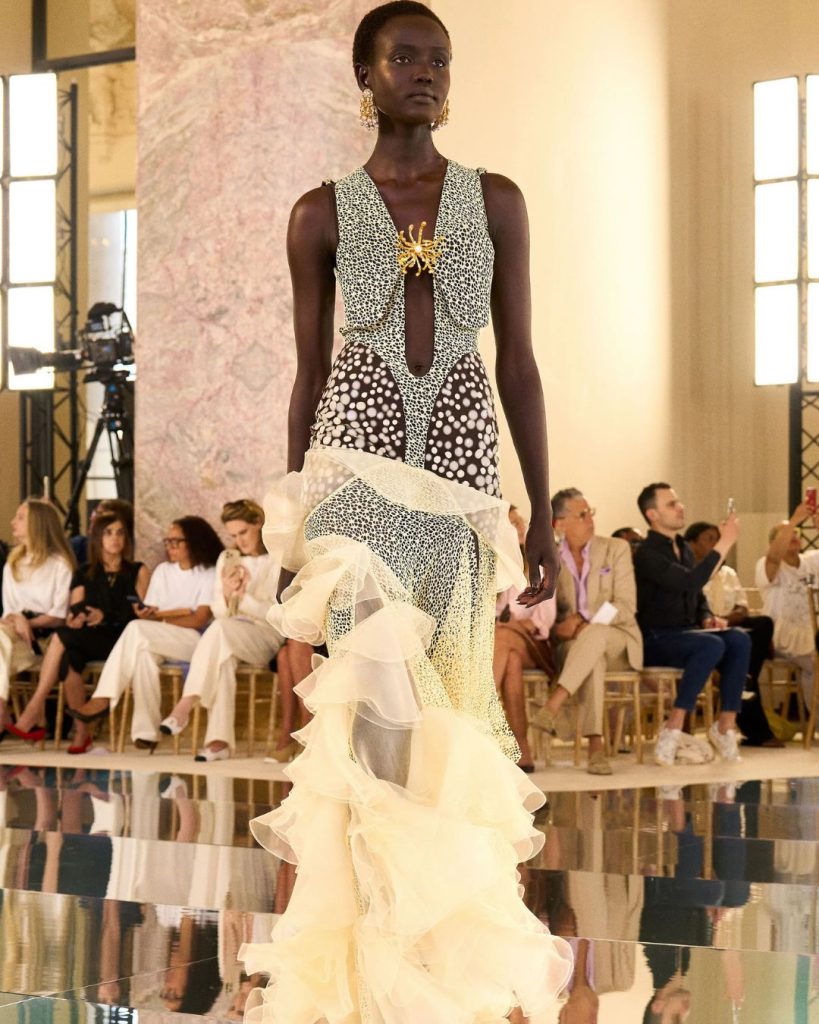
While the industry fell for the bias cut, Elsa Schiaparelli spiced the Great Depression up with Surrealism. Her upside-down heel hat and bureau suit with drawer pockets—immortalised by Cecil Beaton—were her “little jokes” that became “big influences”, as The New Yorker put it. Buttons were shaped like crickets, and each suit was pinned with a little Victorian mirror. Couture did not retreat into sackcloth; it went weirder. That lineage runs straight to Daniel Roseberry’s gold-plated anatomy at Schiaparelli, Jeremy Scott’s grandfather-clock dress at Moschino and Viktor & Rolf’s topsy-turvy confections. Maximalism in the 1930s stopped you in your tracks, forcing you to think as well as stare.
“Stairway to Heaven”
After wartime utility in the 1940s and the space-age minimalism of the 1960s, the late Sixties became one of the most maximalist decades of all, as the Western-centric bohemian style sprawled across the world. While “Bonnie and Clyde” brought back 1930s theatricality, counterculture and a youthquake championed individualism. A booming world economy meant that youthful exuberance and a willingness to experiment—epitomised by DIY culture—peaked worldwide, with hyper-saturated psychedelic prints and tactile embellishments at every turn.
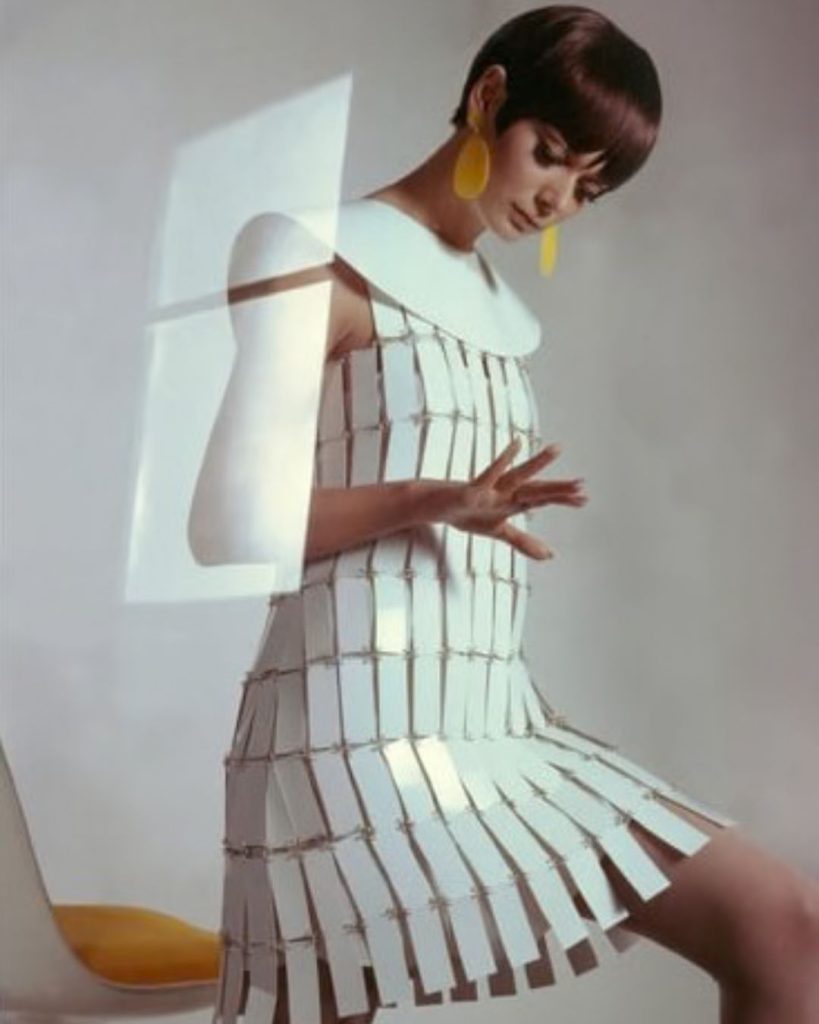
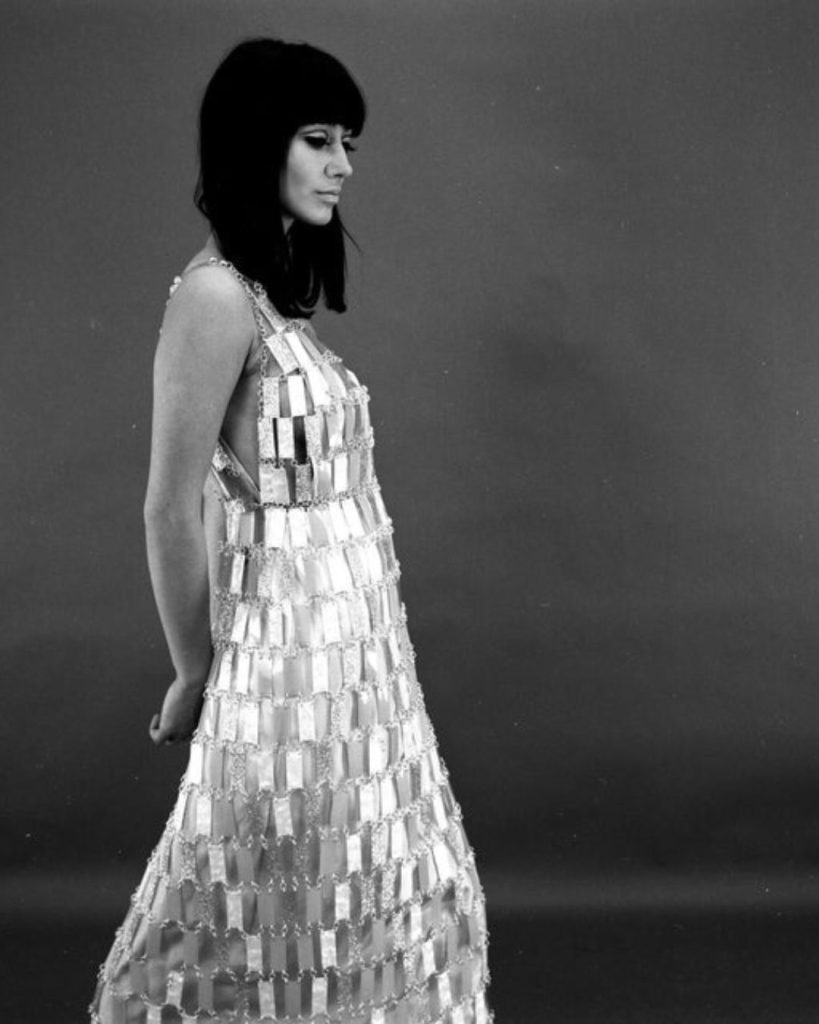
At the same time, new materials also entered fashion. Paco Rabanne’s 1966 “Manifesto: 12 Unwearable Dresses in Contemporary Materials” consisted of ensembles of metal plaques and Rhodoid discs wired like armour—divisive, radical and, above all, boundary-pushing—while André Courrèges and Pierre Cardin put plastic
and vinyl in the spotlight. The hippie trail also brought kaftans, paisley, and tie-dye into the mainstream. Kenzo
Takada’s global bazaar style—where multicultural prints were the key element—and Issey Miyake’s textile experiments widened the palette. Comme des Garçons and Yohji Yamamoto offered a different maximalism
entirely. Exaggerated volume, asymmetry, texture, distressed fabric—solemn, pared back in colour, but maximalism nonetheless.
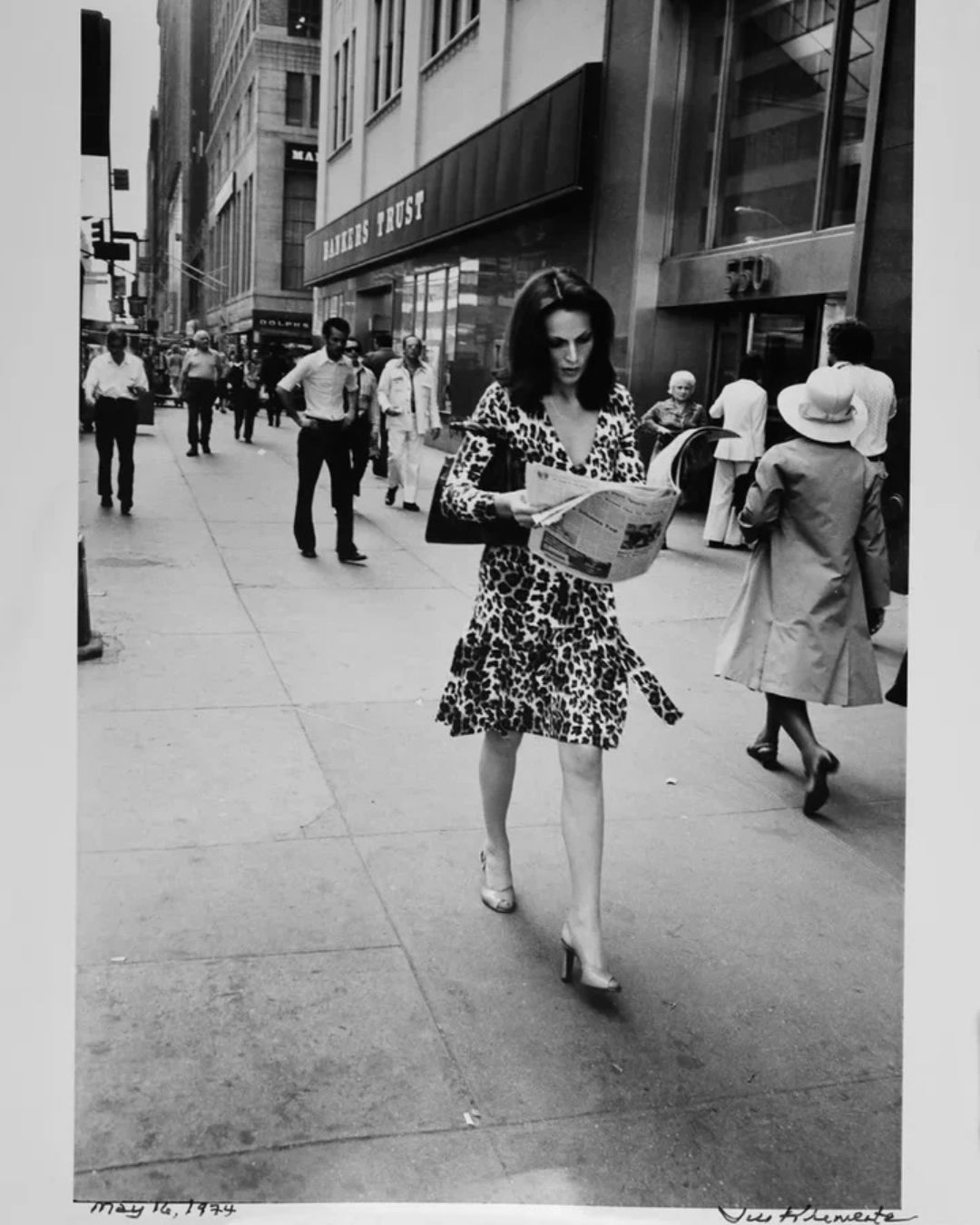
The Seventies were hedonistic, parading maximalism as identity. David Bowie, Elton John, and more turned glam rock into a spectacle of feathers and sparkles, while Diana Ross was draped in bugle beads. Lurex, sequins, and jewel tones carried the look. Diane von Furstenberg’s boldly printed wrap dresses became emblematic, while Emilio Pucci’s kaleidoscopic swirls became a jet-set staple; Rosita and Ottavio Missoni put zig-zags on knitwear. Punk, seeping in as an antidote to mainstream bourgeois taste, gave maximalism another identity, grittier and raw. Safety pins, tartan, torn jerseys, and Vivienne Westwood’s anti-establishment layering existed alongside the glitz and glam. And this same appreciation persists in Chopova Lowena, Matty Bovan, and Charles Jeffrey Loverboy to this day, while Anthony Vaccarello’s Saint Laurent references rock-chic glamour and Alessandro Michele’s designs amplify theatricality, continuing the ethos of more is more.
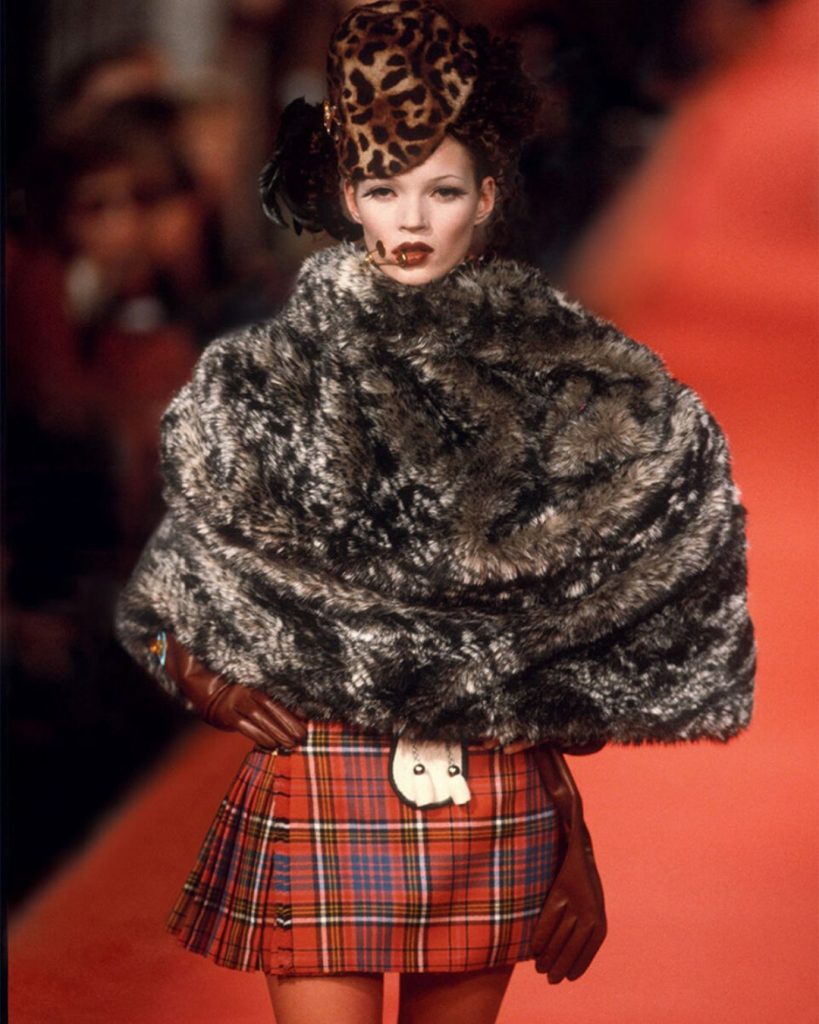
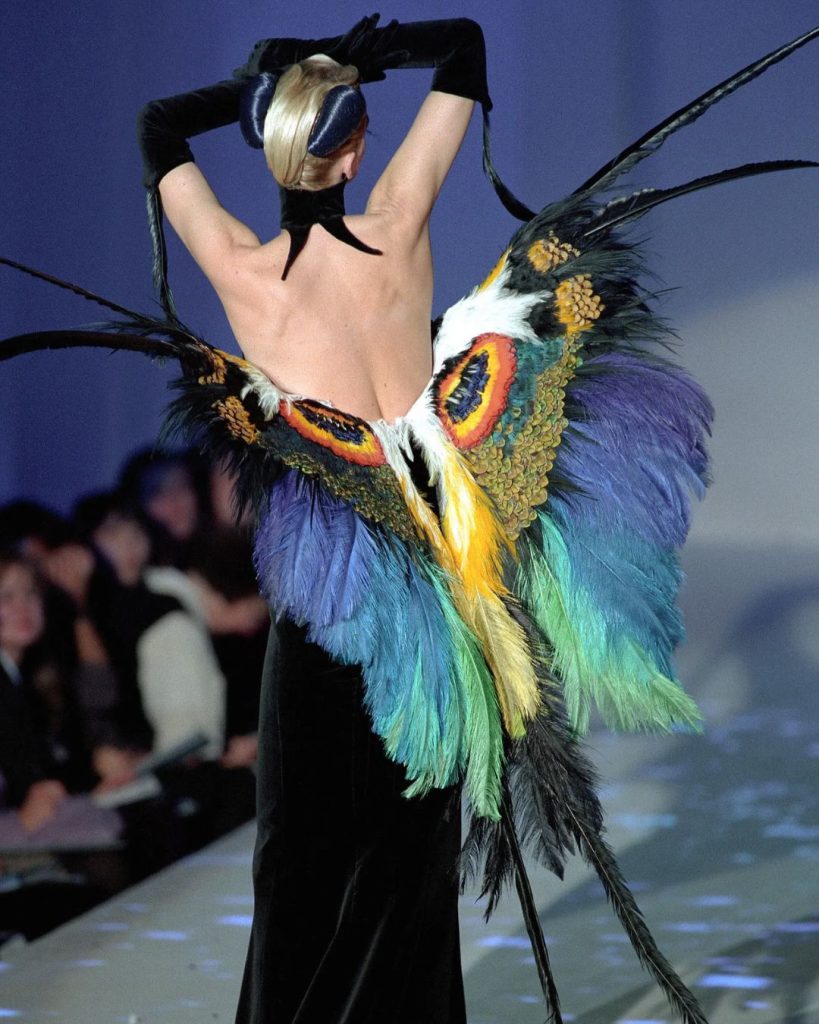
The Eighties’ maximalism came as an assertion. Westwood continued to drape the New Romantic wave in more tactile excess, and Thierry Mugler pioneered the inverted-triangle silhouette, exaggerating curves with padded shoulders and sculptural bustles. Gianni Versace came dripping in Baroque gold and Medusa hardware, while Christian Lacroix never shied away from dramatic volume and blinding gilded accents. Jean Paul Gaultier unveiled the cone bra, and big hair met colour blocking in neon, primary and electric tones. With MTV and blockbuster franchises, Cyndi Lauper, Madonna, Prince, Mick Jagger, Grace Jones and other celebrities brought flamboyance into mass entertainment. Retrospectively, some would label the style as corny, but it is undeniably fashion’s most recycled decade, given how power shoulders return almost every other season. Meanwhile, Bollywood and Nigerian aso ebi kept ornament central; Harajuku’s decora, Gothic Lolita and visual kei, turned garment layering into street-level maximalism.
“Gimme More”
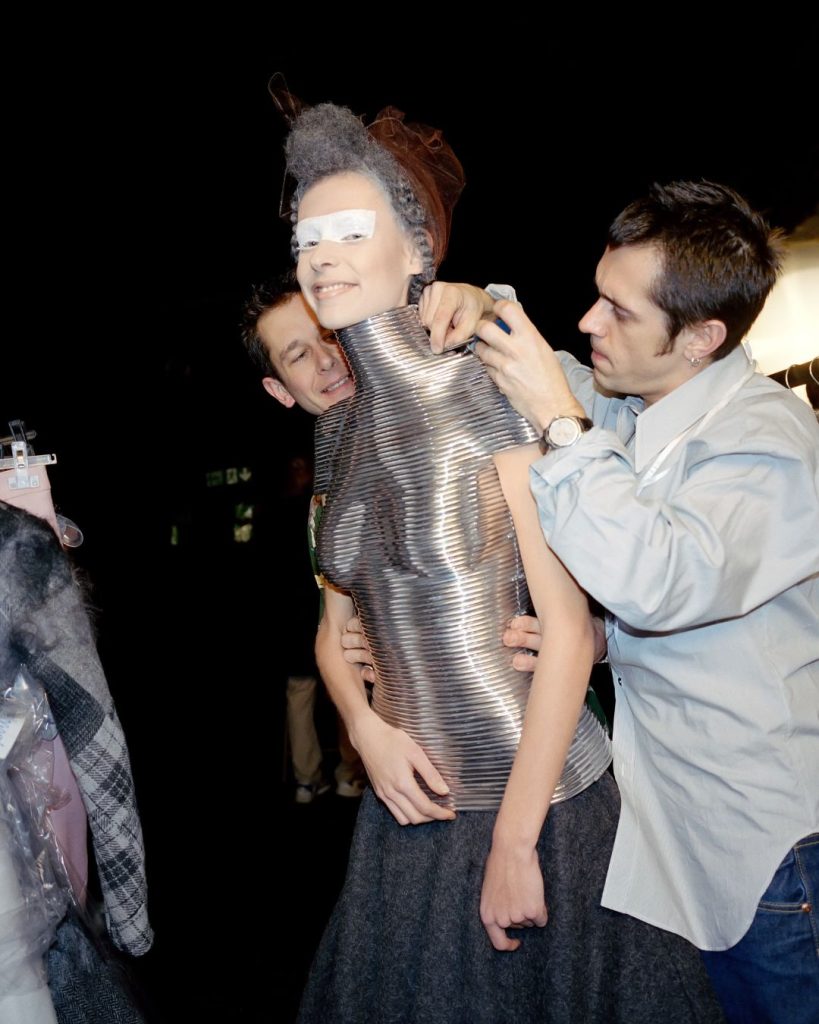
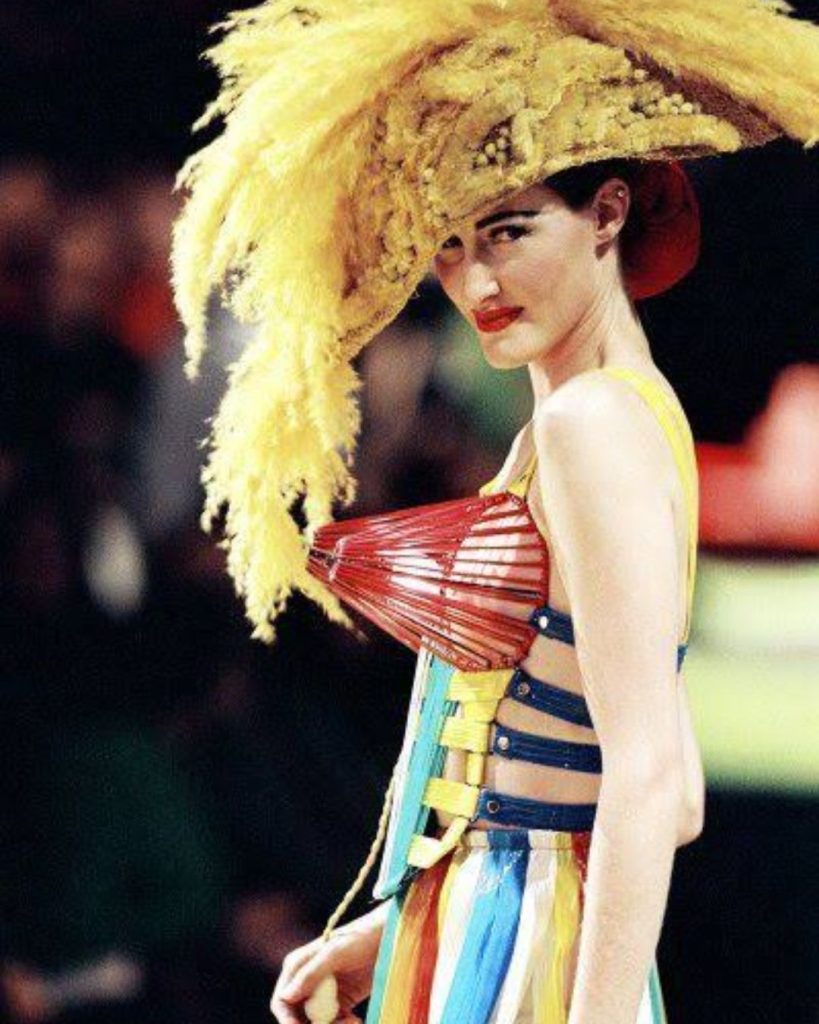
The Nineties are known for minimalism, but John Galliano and Alexander McQueen brought anarchy. Their garments were thought-provoking, their shows became highly sought-after, and fashion designers emerged as stars. As fireworks emblazoned the skies, the new millennium ushered in a tabloid maximalism. Roberto Cavalli served animal print on a gold plate. Marc Jacobs mashed up cultures and subcultures, mirroring blurred cultural borders. Logomania followed via Von Dutch, Ed Hardy and Juicy Couture, worn by Paris Hilton and Britney Spears. Velour, diamanté, and rhinestones ruled; silhouettes meant low-rise and babydoll.
With its recent revival, Y2K—originally the name of computer errors—has grown into a subculture of its own. It’s
a crash, a glitch, in the most whimsical way possible. The rise of K-pop took flashy stage fashion to the streets; the Chinese Hanfu is enjoying a revival; abaya embellishment and vivid African prints have gradually gained interest; this global fashion narrative has rapidly evolved from a Eurocentric system into a dynamic conversation. Digital maximalism—AR filters, virtual clothing and even “skins” in video games—means the eye now travels through Seoul, Mumbai, Dubai, and TikTok.
The Economy of More
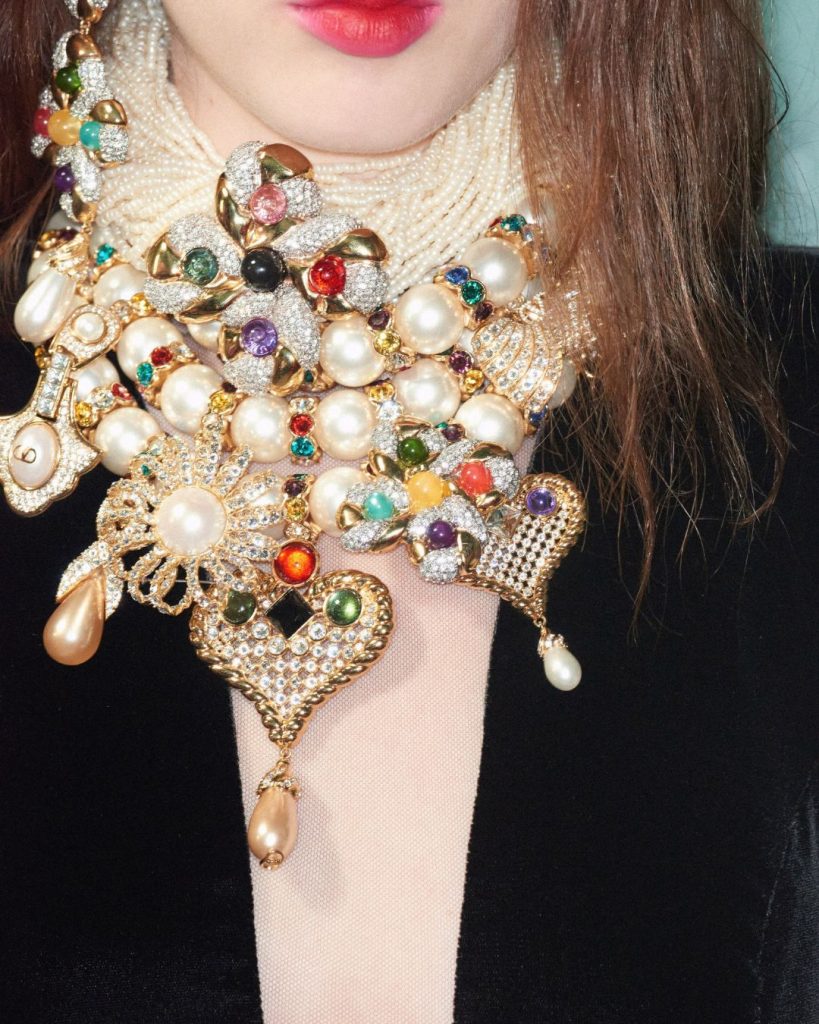
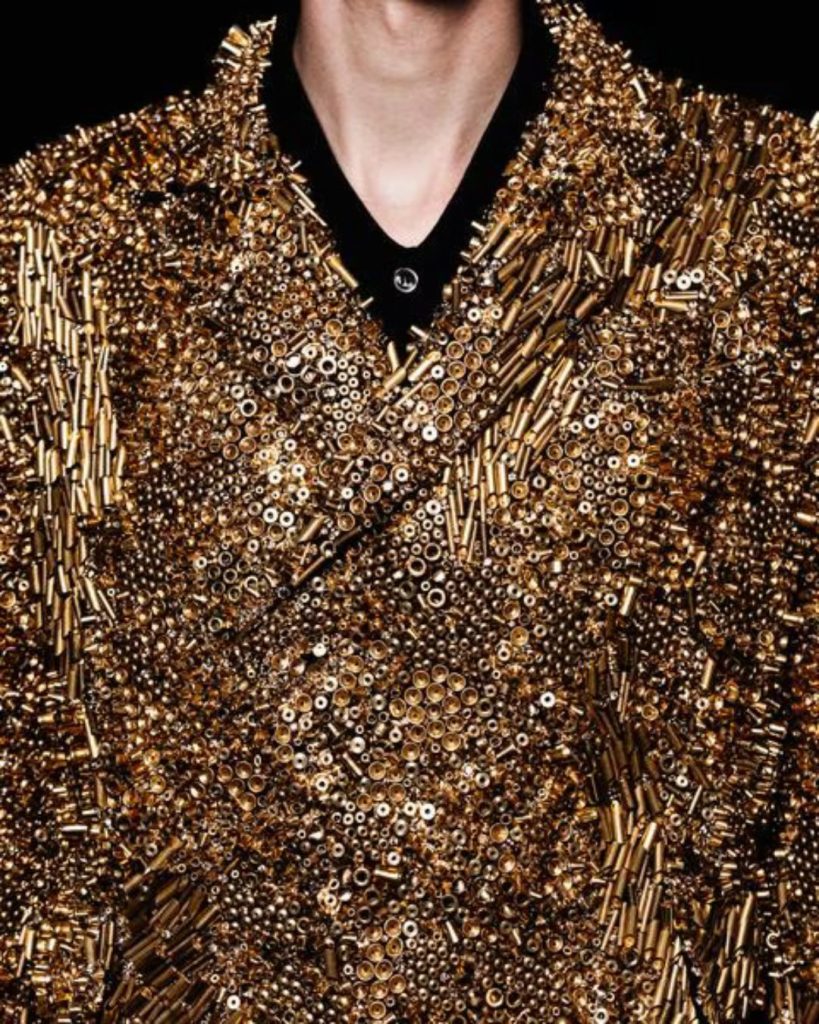
And here is the pattern: the lobster dress arrived during the Depression; Studio 54 during stagflation; hedonism after wartime rationing; dopamine dressing after lockdown. Maximalism is almost like a mood ring for an uncertain world. It surfaces when the future feels shaky and the present demands to be lived. That same impulse has not vanished, and has grown beyond a visual design. Today, it appears as “maxxing”, a suffix that simply means maximisation. The appetite for more remains, but the object of desire has shifted from fashion to self-optimisation.
Since sustainability became a non-negotiable—at least on paper—pure accumulation looks out of step. So, like all trends, maxxing began as optimising our approaches to self-improvement—maximalism arrived looking less about “more stuff” and more about more meaning. More thought, more health, more self-improvement. But ironically, all of these elements we’d hope to optimise do not come with a metric. What comes with a yardstick is the commercial products and services that promise to assist or aid us on this long journey to reach the peak state we’d like to be in, like a wolf in sheep’s clothing.
And just as the line between minimalism and maximalism has grown less distinct now, as monoculture shattered into niche, “maxxing” too can sometimes take a back seat. The eye still has to travel, no doubt, but it can travel lightly, one leg on the accelerator and another on the brake. We can still lifemaxx while doing the bare minimum—restmaxxing exists too.
This story first appeared in the GRAZIA Malaysia November 2026 print issue.
READ MORE