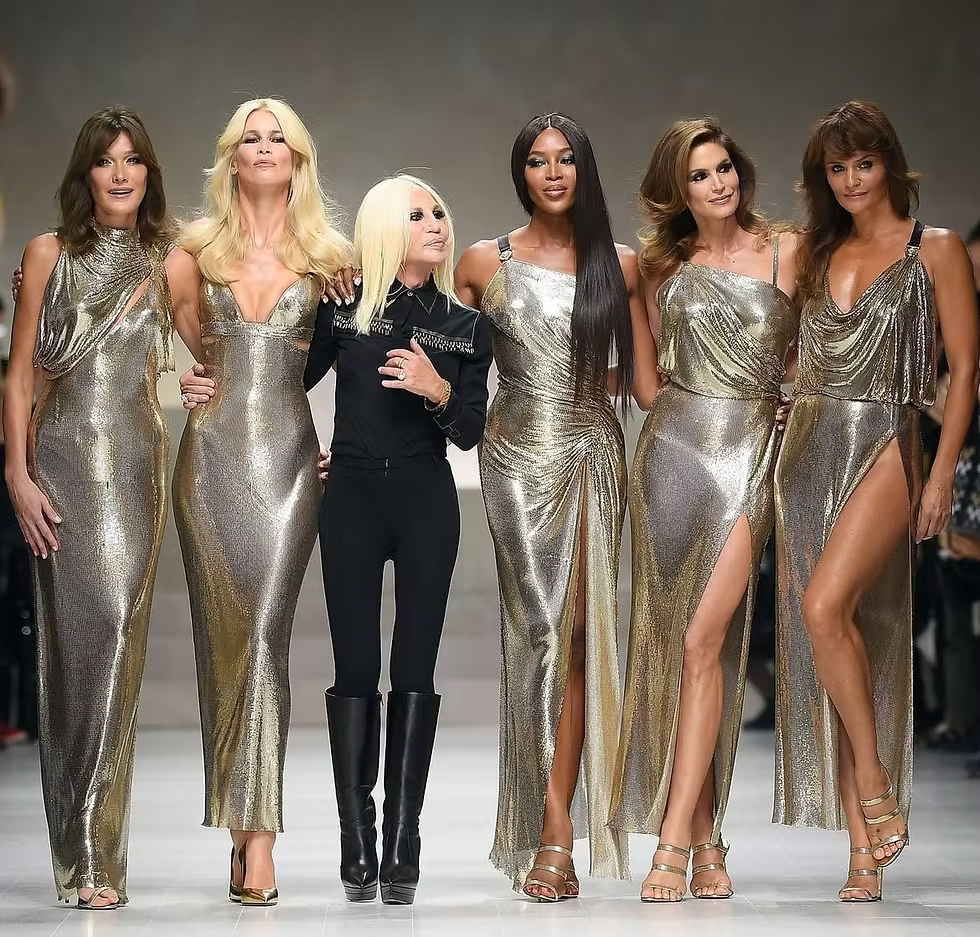
In the 1990s, becoming a fashion model meant entering an industry built around access, visibility and the ability to translate a designer’s creative vision into an image. The decade produced a generation of women whose influence extended well beyond the runway. Naomi Campbell, Linda Evangelista, Christy Turlington, Cindy Crawford and Claudia Schiffer became cultural figures in their own right, commanding extraordinary fees, fronting international campaigns and helping establish the model as a recognisable celebrity. Their presence could give a fashion house commercial credibility, while their individual identities became part of the visual language of luxury. Modelling was an industry governed by agencies, casting directors, photographers, editors and designers, with a relatively small number of gatekeepers deciding who received access to its most coveted opportunities.

Today, the definition of a fashion model has expanded considerably. A strong portfolio and an agency relationship can still open doors, but an Instagram following, digital presence and the ability to communicate with an audience have become additional measures of professional value. Models are increasingly expected to operate as creators, entrepreneurs and public personalities alongside their traditional work. They may be required to produce content, maintain relationships with brands, attend events, develop their own platforms and cultivate a recognisable identity outside the photographs in which they appear. The model is no longer simply the person wearing the clothes. In many cases, they are also expected to become a media channel through which those clothes are marketed.
1. The Supermodel & The Power Of Recognition
The 1990s represented a particularly distinctive moment in fashion modelling because a handful of individuals achieved a level of recognition that crossed into mainstream culture. The supermodel was more than a runway presence. She was a personality whose image could sell magazines, cosmetics, clothing and entire fashion houses. The January 1990 British Vogue cover featuring Naomi Campbell, Linda Evangelista, Christy Turlington, Tatjana Patitz and Cindy Crawford captured this shift, presenting models as the main attraction rather than simply the subjects of a fashion editorial.

This concentration of influence created extraordinary opportunities. Established models could negotiate significant fees, build long-term relationships with luxury houses and become involved in campaigns that extended their careers beyond the runway. Their individual characteristics mattered. A distinctive walk, expression, physique or personality could become a professional asset, giving designers and photographers a recognisable identity to work with. However, the same system was highly selective. Access to major opportunities was concentrated among a relatively small group, and the industry’s standards of beauty remained restrictive. The supermodel phenomenon offered visibility to a handful of women, but it did not necessarily create a more accessible profession for everyone else.
2. From Agency Gatekeepers To Digital Discovery
One of the most significant changes has been the way models are discovered. During the 1990s, scouting often relied on physical encounters, agency submissions, competitions and personal recommendations. A prospective model might be approached on the street, introduced through a photographer or discovered by an agent who recognised their potential. The relationship between model and agency was fundamental, with bookers managing castings, negotiating fees and building careers through their industry networks.

Social media has introduced another route into the profession. Instagram and TikTok allow aspiring models to publish their own images, develop an audience and attract attention from agencies, photographers and brands without waiting for a traditional introduction. This has created opportunities for people who may not have had access to established fashion networks. It has also allowed models to communicate directly with their audiences, build communities and take greater ownership of their public identities.
However, the democratisation of discovery comes with a qualification. Digital visibility does not automatically translate into professional opportunity. A model may have an impressive following but lack the experience, representation or technical skills required for certain fashion assignments. Equally, someone with exceptional editorial potential may not have the online presence that a commercially focused client expects. The industry has gained another way to identify talent, but it has also introduced a new form of competition in which visibility can become confused with ability.
3. The Changing Face Of Beauty And Representation
The fashion industry’s relationship with beauty has also undergone significant change. The 1990s were dominated by a relatively narrow set of physical ideals, despite the individuality of the supermodels who defined the decade. The emergence of Kate Moss and the waif-like aesthetic demonstrated how quickly casting preferences could shift, while models outside the prevailing standards often struggled to secure consistent representation. Black models such as Naomi Campbell and Tyra Banks achieved international prominence, but their success existed alongside persistent inequalities in casting and access.
Contemporary fashion has made important progress in expanding representation across race, age, body type, gender identity and physical appearance. Models such as Adut Akech, Paloma Elsesser, Precious Lee, Anok Yai and Alex Consani have helped broaden the visual language of fashion, while brands and publications have increasingly recognised the importance of representing a wider range of people. This change has also encouraged more conversations about colourism, size inclusivity, accessibility and the responsibility fashion houses have towards the people appearing in their campaigns.

There is still a considerable distance between representation and structural change. A diverse casting in one campaign does not guarantee consistent opportunities across a brand’s wider activity. Models can be invited into the conversation while still encountering unequal pay, limited career progression or narrow expectations about how they should present themselves. The challenge for the industry is to make diversity part of its working structure, not simply a visual statement used when a campaign requires cultural relevance.
4. The Model As A Personal Brand
Perhaps the greatest distinction between the two periods is the expectation that a model should build a personal brand. In the 1990s, a model’s public identity was largely shaped through magazine editorials, advertising campaigns, interviews, runway appearances and the occasional tabloid story. Their images were distributed through established media channels, with photographers, editors and fashion houses controlling much of the narrative.
Today, models can publish their own work, speak directly to their audiences and develop businesses that exist independently of their modelling careers. Some have moved into beauty, fashion design, creative direction, publishing and entrepreneurship. This ability to develop commercial opportunities beyond modelling can provide greater financial independence and a longer professional life. It also gives models more control over how they are represented, allowing them to communicate their interests and identities without relying entirely on external media.

However, personal branding has become another form of labour. Maintaining a social media presence requires time, consistency and a willingness to share aspects of one’s life. Models may feel pressure to document castings, backstage experiences, travel, personal routines and brand relationships, even when this activity is not directly compensated. The boundary between professional and private life becomes increasingly difficult to maintain. A model’s value can also become tied to engagement figures, with follower counts and online influence sometimes taking precedence over the quality of their work.
5. The Business Of Being A Model
The commercial structure of modelling has become more fragmented. The traditional agency system remains important, particularly for high-fashion editorials, runway shows and major international campaigns. However, the range of clients and platforms has expanded. A model might work across luxury fashion, e-commerce, beauty, independent labels, social media campaigns and direct brand partnerships within the same year. This creates a broader market for different types of talent and allows some models to build careers without depending entirely on the major fashion capitals.

There are also more ways for models to negotiate their own commercial value. Direct relationships with brands can provide opportunities that might once have been managed exclusively through agencies. Models with established audiences may be able to secure partnerships, licensing arrangements and creative collaborations. Yet this does not mean the financial landscape has become universally more favourable. Work remains inconsistent, competition is intense and the distinction between paid and unpaid opportunities can be difficult to navigate. The visibility of a successful model’s career rarely reflects the financial uncertainty experienced by the wider profession.
The industry has also become more conscious of working conditions. The creation of organisations such as the Model Alliance and the introduction of industry initiatives addressing health and workplace welfare have helped bring attention to issues including harassment, payment practices, contracts and the treatment of young models. These conversations are essential because greater access to the profession should be accompanied by better protection for the people working within it. Digital platforms may have changed how models find work, but they have not removed the need for fair representation, transparent contracts and safe working environments.
6. A New Generation, A Different Set Of Expectations
The contemporary model is expected to be adaptable. They must understand how to move between the technical demands of a runway, the creative direction of an editorial shoot and the commercial requirements of a digital campaign. They may be asked to communicate a brand’s identity through their appearance while also demonstrating an understanding of its audience and values. For emerging talent, this can create a demanding entry point into an already competitive profession.
There are positive developments within this shift. Models have greater opportunities to shape their careers, establish independent identities and challenge the limitations imposed by traditional casting systems. The increased visibility of different communities has allowed more people to recognise themselves within fashion imagery, while social media has created a direct relationship between models and the audiences who follow their work. The profession can now accommodate a wider range of ambitions, personalities and creative interests.

Yet the question remains whether the industry has genuinely given models more power or simply expanded the amount of work expected from them. In the 1990s, a model could become internationally recognised through the strength of a campaign or editorial. Today, they may be expected to produce the campaign, promote it across several platforms and maintain an audience long after the assignment has finished. The demands have changed, but the pressure to remain relevant has not disappeared.
The fashion model has travelled from the carefully managed world of the supermodel to a profession in which personal identity, digital visibility and commercial influence are increasingly intertwined. The 1990s offered extraordinary recognition to a select group, while today’s industry provides more routes into the profession and a broader definition of who can participate. Neither period should be romanticised. The old system restricted access and reinforced narrow ideals of beauty; the new one offers greater visibility but introduces constant self-promotion, digital scrutiny and an expectation of perpetual availability.
The value of a fashion model should still be measured by what they bring to the image. Their ability to interpret a garment, communicate a creative vision and give a photograph its character remains fundamental to the profession. Technology may have changed how models are discovered, represented and paid, but it has not replaced the creative instinct that makes a compelling model. The next stage of the industry’s development should be about ensuring that the opportunities created by this new landscape are matched by fairer working conditions, meaningful representation and a greater understanding of modelling as a profession, not simply a platform for personal branding.