
According to market analysis firm Omdia’s November 2026 statistics, smartphone sales in Southeast Asia in the third quarter reached 16.5 million units, a 36% decrease compared to the same period last year.
Notably, among the region’s major markets, Vietnam was the only country to record growth, with an increase of 1%. Conversely, Indonesia, the Philippines , Malaysia, and Thailand all experienced sharp declines, with some markets falling by over 30%.
This difference is noteworthy given that the global smartphone industry is facing pressure from memory chip shortages and rising component costs.
The rapidly increasing demand for memory in data centers and artificial intelligence ( AI ) systems is tightening the supply for consumer electronics. Manufacturers are forced to adjust pricing, product mix, and distribution strategies.
According to the data, the average selling price of smartphones in Southeast Asia increased by 53% in Q3 2026, while the total market value decreased by only 1%.
This development shows that upward price pressure is directly impacting product accessibility, especially in the budget segment. OPPO, including Realme, recorded a 62% decrease in sales, while TRANSSION saw a 42% drop. Samsung and Xiaomi also experienced decreases of 20% and 24% respectively across the region.
Against this backdrop, Vietnam’s growth rate demonstrates the domestic market’s unique dynamics. One key factor is the relatively positive economic foundation, with manufacturing, exports, and foreign investment continuing to create jobs, income, and consumer demand.
The growth of the middle class and the process of urbanization have also contributed to expanding the group of customers who can access new technology products.
However, the resilience of the Vietnamese smartphone market doesn’t just stem from spending power. A more crucial difference lies in the level of integration between smartphones and daily activities. These devices are gradually becoming essential tools for people to access services, conduct transactions, and participate in the digital economy.
According to the results of the 2025 Household Living Standards Survey, published in 2026, the percentage of Vietnam’s population using smartphones will reach 80.3%. The percentage of households with internet access will rise to 93.3%, while 87.1% of the population will use the internet. These figures reflect the increasingly widespread adoption of technology, creating a foundation for the development of digital services.
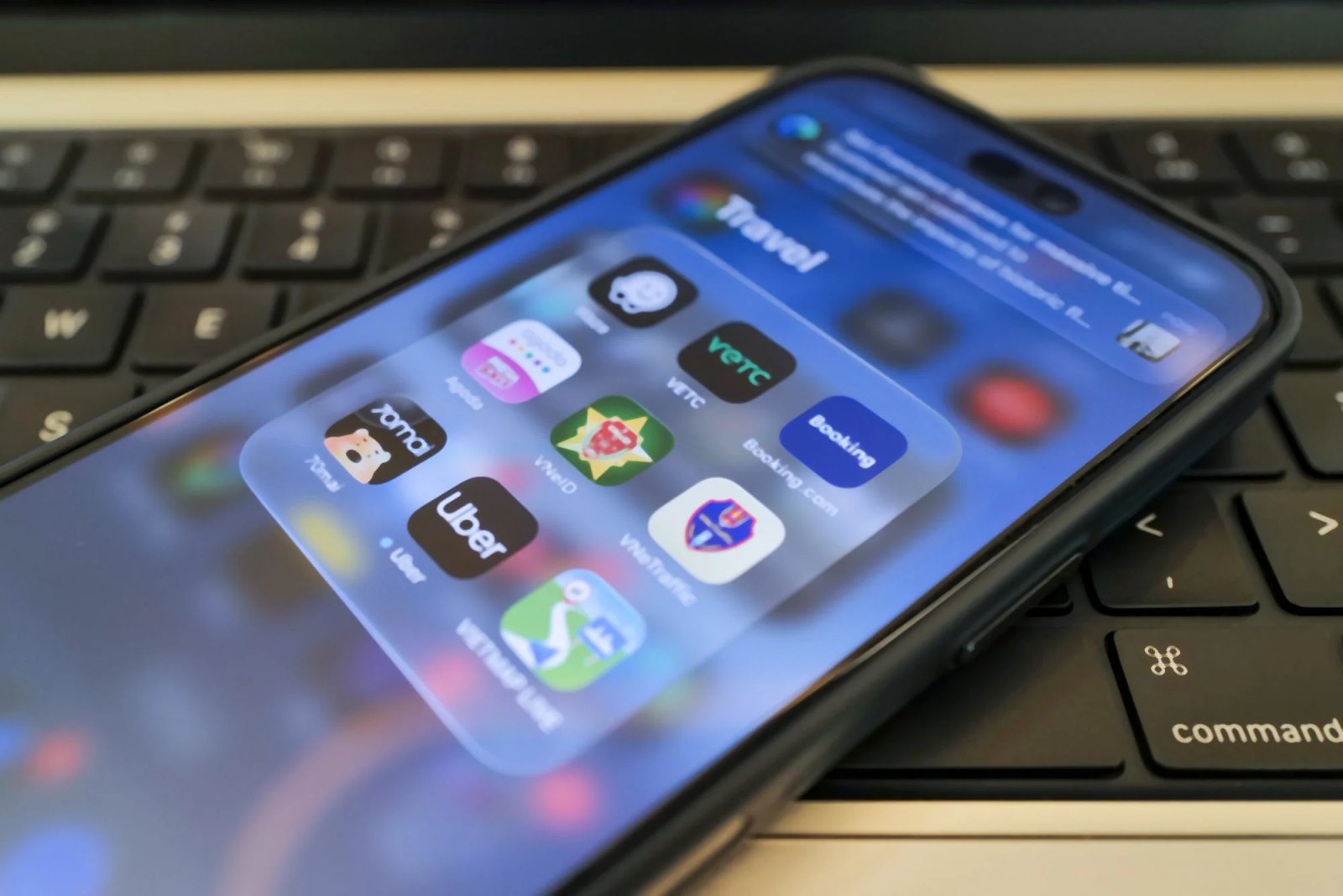
While previously mobile phones primarily served for communication, entertainment, and social media access, they now take on many more important functions. People use their phones for payments, money transfers, shopping, booking transportation, studying, working, and accessing public administrative services.
The national digital transformation process is driving this trend. The VNeID electronic identity verification application is gradually becoming a tool for verifying identity and connecting various services in the fields of healthcare, education , banking, taxation, transportation, and social security. The integration of documents, personal information, and administrative services on a digital platform means that smartphones are playing an increasingly direct role in the interaction between citizens and government agencies.

In the financial sector, cashless payments are also developing rapidly. By 2025, the number of cashless payment transactions is projected to increase by 42.21% year-on-year; mobile phone transactions by 36.62%, while QR code payments by 50.94%. Mobile phones are not only a means of accessing bank accounts but have also become a tool for conducting daily economic transactions.
This shift is particularly significant for an economy with a large proportion of small businesses and small and medium-sized enterprises. A smartphone can simultaneously serve as a communication device, order management tool, product promoter, payment receiver, and customer service provider. For workers, it is also a means of finding jobs, accessing information, and participating in digital economic platforms.
On the other hand, the demand for mobile phones is not concentrated solely in major cities. As online public services, e-commerce, and digital payments expand to local areas, mobile devices become crucial means of connectivity for people in rural regions. This reality helps sustain demand for smartphones across a wide area, rather than being solely dependent on high-income urban customers.
The business performance of manufacturers also shows that Vietnam is highly attractive. Xiaomi has for the first time risen to the top of the domestic market with a 27% market share – equivalent to Samsung, with sales increasing by 50% compared to the same period last year. This result contrasts with the company’s 24% decline across Southeast Asia. Xiaomi’s success shows that the segment of affordable phones with good specifications still has significant growth potential in Vietnam.
Apple also reported positive results in the region, with sales increasing by 4%, thanks to strong performance in Malaysia and Vietnam. This reflects the coexistence of diverse customer groups: from consumers seeking affordable products to those willing to invest in high-end devices for work and personal needs.
Finally, the development of retail systems, extensive distribution networks, and installment payment and trade-in programs have also contributed to supporting the market. These policies all help consumers access advanced devices more easily.