Want to bookmark your favourite articles and stories to read or reference later? Start your Independent Membership today.
Already a member?
Log in
Scientists who tested 212 plant-based food and drink products found a fungal toxin in every single one.
The research team detected at least one of 19 mycotoxins in each product, and many of the items carried multiple toxins.
The study was led by scientists at the University of Parma in Italy, with contributions from Cranfield University in Bedfordshire. Their findings were published in the journal Food Control.
The 212 products analysed included vegan burgers, vegetarian chicken pieces, vegan sausages, and oat, almond, and soy milk.
Despite the widespread presence of the contaminants, the concentrations in every product fell below recommended European Union guideline levels.
The team said this reflected the high food quality standards maintained by the UK food industry.

What are mycotoxins?
Mycotoxins are poisonous substances produced by certain fungi, including moulds. They can enter the food supply when agricultural crops become contaminated during growing, harvesting, or storage.
Many of the ingredients used to manufacture plant-based foods are particularly susceptible to fungal contamination.
Grains, legumes, and seeds can encounter mould in fields or storage facilities, creating opportunities for mycotoxins to develop before the ingredients reach food manufacturers.
Mycotoxins’ presence in food does not necessarily mean the product contains living mould, and detecting a toxin does not automatically mean the food is unsafe, Cranfield University said.
The potential health risk depends on factors such as the type of toxin, its concentration, and how much a person consumes over time.
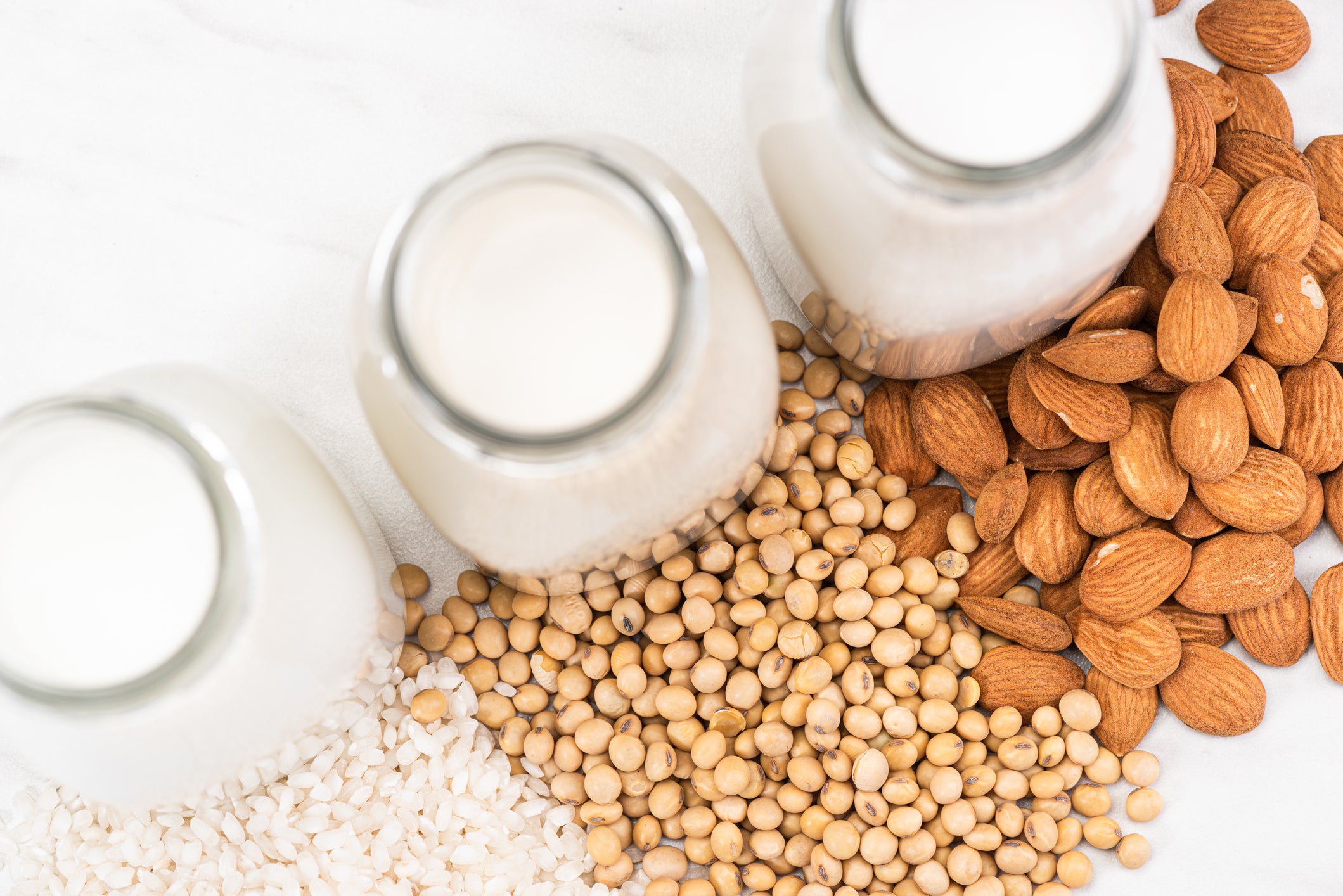
That distinction is especially important for people who eat plant-based products frequently, the university said. Someone whose diet regularly includes meat substitutes, dairy alternatives, grains, and legumes may encounter the substances through several different foods rather than a single source.
Earlier studies have suggested that consuming small amounts of mycotoxins regularly may contribute to cumulative exposure and potentially increase health risks.
At sufficiently high or harmful exposure levels, certain mycotoxins can damage the liver and kidneys, interfere with normal immune system function, and increase the risk of cancer.
Andrea Patriarca, a senior lecturer in mycology at Cranfield University, said that mycotoxins are a natural part of the food environment and should not discourage people from eating a varied diet.
“Mycotoxins occur naturally in foods and cannot be completely avoided. As consumers, we should not be frightened or deterred from enjoying a variety of products.
“However, a significant concern arises when new foods enter the market, as there are currently no established regulations to monitor mycotoxins.”