Fashion lovers are generally associated with bursting wardrobes and chasing the latest trends. But that reputation is beginning to shift.
In the last few years, market surveys have found that around a third of shoppers are now buying second hand clothing. For gen Z, this figure increases to just under half. Giant hauls from fast fashion brands were once the trend – but an eye for vintage bargains and pre-worn fits is now more on point.
Though buying used is far preferential to buying new, overconsumption can still be a problem with second-hand clothing. That’s because buying used often supplements, rather than replaces, fast fashion habits.
If you love fashion, but want to indulge in your hobby without falling into the trap of overconsumption, here are five tips.
Hobbies can bring joy, wellbeing and focus to our busy lives, but so many of us don’t have one. If you’re ready to replace scrolling with stitching, or hustle with horticulture, The Hobby Starter Kit (a new series from Quarter Life) will help you get going.
1. Shop your closet
“Shopping your closet” – creating new looks with the existing pieces in your wardrobe – has been trending online for a while. Putting some thought into how you can restyle existing pieces will help you to shift your focus from buying something, to becoming creative.
Research has shown that a small and versatile wardrobe that can easily be mixed and matched into several outfits fosters creativity as your brain must solve styling puzzles with limited items. It also generates feelings of satisfaction and enjoyment. This is important as being content with your clothing choices is linked to general wellbeing.

Şule Makaroğlu/Unsplash
It can be helpful to schedule a dedicated wardrobe date and treat styling your closet like a fun puzzle rather than a chore. Creativity tends to flow better when under less pressure, so don’t try to build your creative cognitive styling muscles when you are in a rush.
To get inspiration flowing, try searching sites like Pinterest. Type in exact terms like “oversized blazer outfit” to discover fresh styling ideas for pieces sitting in your closet. Set yourself a challenge for ten days not to wear any combination you have worn before.
And just so you don’t forget: snap quick mirror photos of any outfit combinations that work well so you have a personal outfit catalogue ready for busy mornings.
2. Embrace having less

Harriet Davie/Dupe
Having too many clothes can lead to choice overload, when the difficulty of decision exceeds our cognitive ability to make a choice.
Generally, people tend to find it easier to make a choice when they have less to choose from. If you have two T-shirts, your brain can decide in seconds. But if you have 18 T-shirts, wardrobe paralysis kicks in.
Treat sorting through your clothes as an interactive styling project. Reorganising by colour or silhouette can help you to rediscover forgotten favourites and appreciate the craftsmanship of items you already own, as well as making it easier to choose.
3. Shop like a collector
Try buying clothing as a collector or curator. This means that you should select unique, high-quality pieces based on your personal preference and their long-term value. Look past trends by evaluating fabric weight, seam stitching, lining quality and natural fibres (like wool, linen, or silk) before buying, ensuring each addition to your wardrobe is built to last.
Keep a running list of missing baseline pieces or specific archive designs. Planning ahead limits the likelihood of making an impulse purchase, which may lead to regret. Taking 48 hours to think it over also reduces the chances of making the wrong decision.

Mafer Esquetine/Dupe
Craft a clear vision of your personal aesthetic focusing on your favoured silhouettes, colour palettes and textures, so that every prospective purchase must earn its place alongside your existing collection.
Building a wardrobe based on your specific personal taste allows you to treat your personal style as a fine art rather than a fast-fashion race. You’ll also probably keep your garments for longer as items people care for tend to become tangible extensions of their identity.
4. Try renting and borrowing
Rental fashion has become a key component of circular fashion. It’s especially helpful for occasion wear you may otherwise only use once. Renting rather than buying can also offload the guilt that may come with a single-use purchase.
If you don’t want to spend on renting, try sharing your wardrobe with a friend. This is another great way to try new styles, without buying more clothes.
5. Learn mending techniques
When you repair something, it can create a stronger psychological connection to the item. This happens because you invest your time in a piece as well as the fact that you are physically handling it. This in turn can lead to greater care and longer continued use.
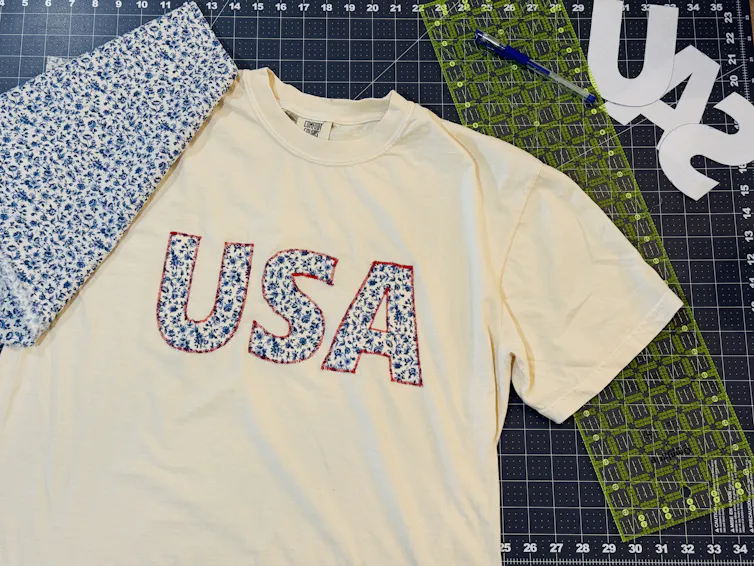
Rachael Stanhope/Dupe
Mending your clothes is also a good opportunity to make changes. Try using contrasting thread colours or turning a hole into a shape like a star. A playful approach to mending can give old garments a different look.
Try to enjoy doing mending, not let it become a chore. Put some music on and take your time. And if you lack the skills to mend your clothes, look for sewing tutorials on YouTube or TikTok.