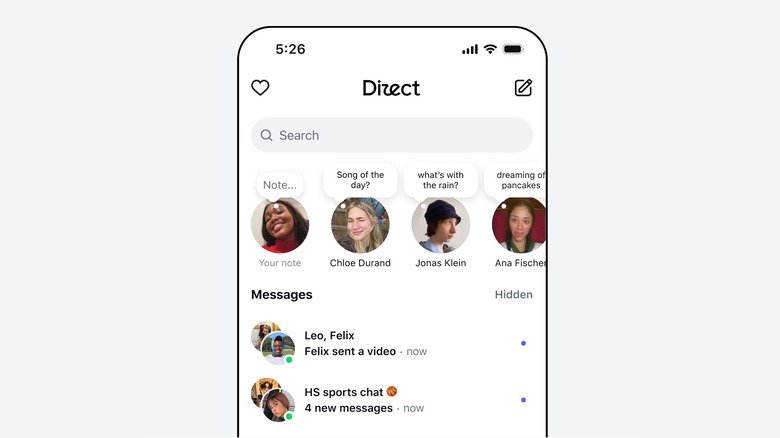
For the second time, Meta is trying a separate Instagram chat app that doesn’t need an Instagram account. For people who sell through DMs, the unanswered question is whether business messaging comes along.
The test is limited to Thailand and Turkey, on Android and iOS. Meta announced on Monday, November 16, that it is testing Direct, a standalone messaging app built around Instagram’s inbox, according to Engadget. Meta hasn’t said when or whether it will go further.
The name is a recycled one. In December 2017, Instagram tried a camera-first app called Direct in six countries, Chile, Israel, Italy, Portugal, Turkey and Uruguay, and in those markets it pulled the inbox out of the main app entirely. It was later dropped. Turkey is the one market that appears in both tests, which looks like more than coincidence.
The 2017 app was an Instagram appendage: you needed the main app, and downloading Direct took your messages away from it. The 2026 version works the other way round. As Relevant Audience reported from Meta’s announcement, people can sign up with an email address or phone number, no Instagram login required, and anyone who does sign in with Instagram credentials gets their existing chats synced across both apps. Nothing in either report says the inbox is leaving Instagram.
That matters for how you read the test. This isn’t a repeat of the 2017 split. It’s closer to what Meta already did with Messenger, a chat app that can stand on its own, only now aimed at people who might never open Instagram at all.
The feature list is small and teen-friendly. Engadget lists a layout close to Instagram’s inbox, custom backgrounds for individual threads and the Notes status feature, and Relevant Audience adds drawing in chats, custom stickers and voice effects. Users without an Instagram account have to add contacts by username or QR code.
Safety rules come first
Meta is leading with restrictions, which tells you who it expects to use the app. It says Direct “won’t allow people to start chats with accounts they aren’t already connected with via their contacts.” The minimum age is 13, and Meta says it will use technology to detect and act on potentially inappropriate interactions with young people. Parents get tools to see who their teen is chatting with and to cap daily use, and accounts suspected of belonging to underage users face deletion if age verification isn’t completed.
A messaging app that blocks cold contact by design is a different product from Instagram’s inbox, where strangers and brands land in message requests every day.
Where this leaves sellers
Here is the gap that matters for founders. Relevant Audience points out that Meta’s announcement says nothing about business accounts, whether commercial messaging works in Direct, or how the Messenger API for Instagram, the plumbing most customer-service and sales tools use, would apply. Meta also gave no test duration, no rollout timeline and no word on ads. Engadget describes the test as early, with expansion depending on how people respond.
So don’t rebuild anything yet. If your sales funnel runs through Instagram DMs, whether through a chatbot, a CRM integration or a person replying from a phone, nothing in this test changes how those messages reach you today. Thai retailers who sell through DMs are the first group who would notice if that ever changed.
Frankly, the obvious risk is attention: two apps holding the same conversations, one buzz or two, and a seller who replies in whichever app they happen to have open. Syncing chats solves storage. It doesn’t solve that.
The 2017 experiment failed partly because it asked people to leave the app they already used. Direct 2.0 asks for nothing.
Also read: Jordan Belfort launches Tone, an AI voice startup built to sell like he did • Google Maps now plans multi-day trips and calls businesses to book slots • Moonshot, Tencent and Zhipu trim hacking skills from new Chinese AI models
This article is posted in Technology News, check it out for more related stories.
Almost there. Sign in and your reply posts straight away.