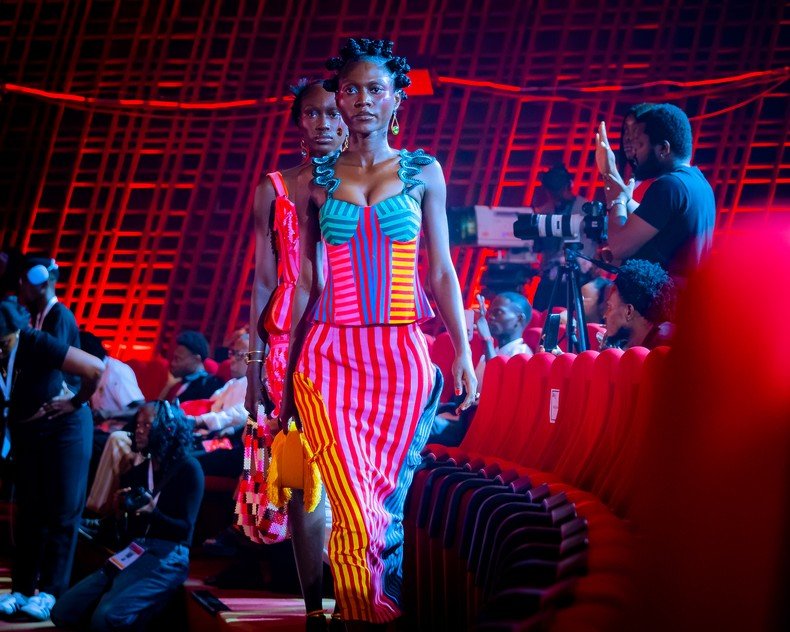
This question shaped conversations at CANEX WKND 2026, held in Lagos, Nigeria, from 5–8 November, where two sessions, System Before Scale: Navigating U.S. Fashion Market Entry and Wholesale Expansion and The Business of African Fashion: Marketing, Management and Global Expansion, explored the strategies, commercial realities and opportunities shaping the next chapter of African fashion’s international growth.
At the System Before Scale masterclass, the spotlight turned to the United States, a market offering significant opportunities for African designers but one that also demands careful preparation, commercial discipline and a clear understanding of the retail landscape.
From speciality boutiques and major department stores to e-commerce platforms and concept stores, the session unpacked the different pathways through which African brands can reach American consumers. The conversations went beyond identifying potential retail opportunities to examining what it takes to secure a place on store shelves, build relationships with buyers and navigate the competitive realities of the US fashion industry.
A key consideration was understanding where a brand fits within this landscape. While department stores can offer access to wider audiences, speciality boutiques and concept stores may provide opportunities for emerging designers to connect with more targeted consumers. Choosing the right route to market requires an understanding of brand positioning, customer expectations and the resources available to support expansion.
The discussion also brought attention to the financial realities of wholesale growth. Securing a retail order may represent an important milestone, but fulfilling it profitably presents another challenge. Designers must account for production costs, wholesale pricing, margins and payment terms while ensuring their businesses can sustain the demands of larger orders. Without careful financial planning, the excitement of entering a new market can quickly give way to cash-flow pressures and operational difficulties.
Equally important is the ability to deliver on the expectations of international buyers. Consistent sizing, dependable production timelines, quality assurance and timely order fulfilment are essential to building credibility with retailers. For emerging brands, these requirements can become particularly challenging when production capacity is limited or supply chains are fragmented. The masterclass reinforced that winning the confidence of buyers is not simply about creating desirable collections, but demonstrating the reliability needed to sustain long-term commercial relationships.
The session also explored how African designers can begin opening doors to international markets through trade shows, showroom partnerships and targeted market testing. These platforms offer more than opportunities to showcase collections; they create valuable connections with buyers, provide insights into consumer preferences and allow brands to assess how their products resonate in unfamiliar markets.
Rather than committing substantial resources to expansion without a clear understanding of demand, designers can use these opportunities to test collections, refine pricing and identify the retail channels best suited to their products. Such an approach allows businesses to build market knowledge and establish relationships before pursuing larger commercial commitments.
Underpinning these conversations was a broader lesson about the importance of building a business capable of supporting its own ambitions. As demand increases, so does the pressure on production, inventory, finances and supply chains. What works for a small independent label may no longer be sufficient when the same business begins supplying international retailers.
For African fashion entrepreneurs, the challenge is therefore not only to break into global markets, but to build the systems that allow them to remain there. Stronger financial controls, efficient production processes and dependable supply chains can make the difference between a promising international opportunity and a business equipped to turn that opportunity into lasting growth.
The message emerging from the masterclass was clear: international expansion should not simply be measured by the number of markets a brand enters, but by its ability to serve those markets consistently, profitably and sustainably.
Building on these conversations, The Business of African Fashion: Marketing, Management and Global Expansion turned attention to another critical question: how can African fashion brands transform growing international interest into lasting commercial success?
With African designers increasingly attracting attention on global runways, social media and international retail platforms, the discussion explored what happens beyond the spotlight. While a viral collection or a prominent fashion showcase can introduce a brand to new audiences, turning that attention into paying customers, repeat business and sustained growth requires a deliberate approach to marketing and management.
At the heart of the conversation was the importance of understanding what makes a brand distinctive and how to communicate that value to the right audience. For African designers, whose collections often draw inspiration from rich textile traditions, indigenous craftsmanship and cultural heritage, storytelling offers a powerful opportunity to stand out in an increasingly crowded global fashion market. Yet a compelling cultural narrative must be matched by products that meet customer expectations and a brand experience that encourages loyalty.
The session highlighted the need for designers to look beyond creating beautiful collections and consider the consumers they want to reach, the markets in which their products are most likely to succeed, and the channels through which they can build lasting customer relationships. A strong brand identity, supported by thoughtful marketing and an understanding of consumer behaviour, can help designers move from attracting attention to establishing a recognisable and commercially viable presence.
Digital platforms have made this ambition increasingly attainable. Through social media, e-commerce and online marketplaces, African fashion entrepreneurs can connect directly with customers thousands of miles away, often without relying on traditional retail intermediaries. However, the ability to reach an international audience brings its own expectations. Customers must be able to discover products, make payments seamlessly, receive their orders reliably and enjoy a consistent shopping experience, regardless of where the brand operates.
The discussions therefore brought attention to the less visible side of fashion entrepreneurship: the financial and organisational decisions that determine whether a business can sustain its success. As brands grow, managing production costs, protecting profit margins, maintaining cash flow and assembling capable teams become just as important as creative direction. Expansion can open new revenue opportunities, but without financial discipline and clear management structures, it can also place considerable strain on a business.
For emerging African fashion brands, this balance between creativity and commercial decision-making is especially important. Building a successful international business does not necessarily mean expanding into every available market. It means identifying where demand exists, understanding the cost of reaching those customers, and making informed investments that strengthen the business rather than overstretch its resources.
Taken together, the two CANEX sessions offered a connected perspective on the future of African fashion. While System Before Scale examined the practical realities of entering the US retail and wholesale market, The Business of African Fashion explored how designers can build brands that customers recognise, trust and return to. Both conversations pointed to the same underlying challenge: turning Africa’s creative influence into businesses capable of generating sustained economic value.
Through its Creative Africa Nexus (CANEX) initiative, the African Export-Import Bank (Afreximbank) is working to create an environment in which African creative talent can translate into viable commercial opportunities. By bringing together designers, industry experts, investors and potential business partners, CANEX provides a platform for the knowledge exchange, market connections and capacity building needed to support the international growth of Africa’s creative industries.
African fashion has already demonstrated its ability to capture the world’s imagination. The next chapter is about turning that influence into lasting commercial success, with brands that are not only celebrated on international stages but firmly established in the global marketplace.