Despite Democrats’ gains in the midterm elections, the US is unlikely to adjust its foreign policies and interests to align with global demands. US-China strategic rivalry looks set to continue unabated, says RSIS academic Benjamin Ho.

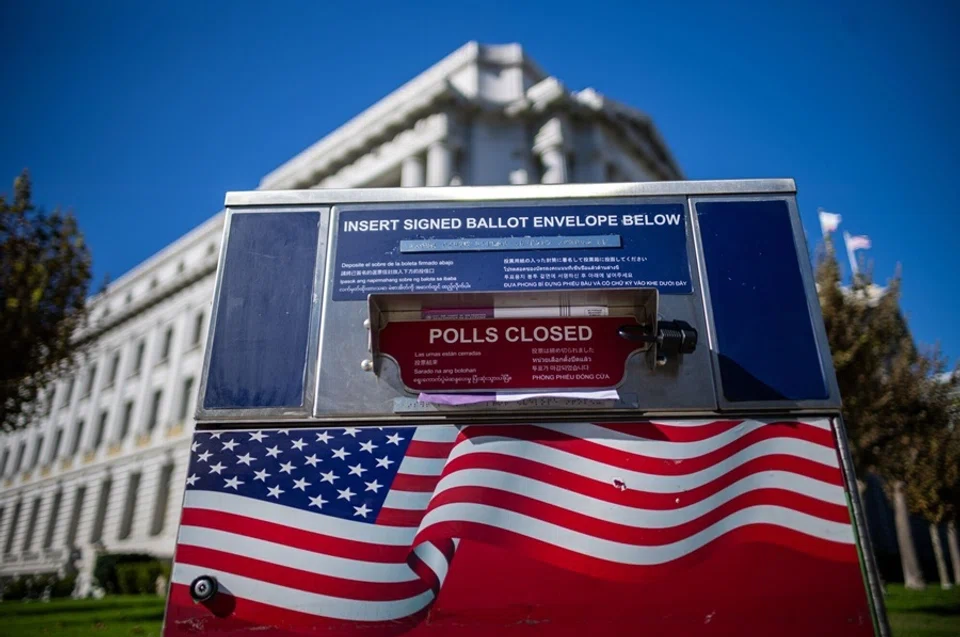
And so it came true. US President Donald Trump was handed a defeat at the midterm elections, thus validating earlier predictions that Trump — and the policies of his administration — were unpopular with the American public.
But what would this mean for American politics and, more specifically, for American foreign policy? With the exception of his Middle East war (whose outcome is yet to fully unfold and the long-term consequences not always self-evident), most of what Trump did was not entirely incongruous or out of touch with America’s national interests.
Trump’s personal idiosyncrasies and political temperament aside, one should not assume that a blue tsunami would necessarily lead the US to correct course, and to adjust its foreign policies and interests to align with global demands.
Put simply, countries should not expect the US to be more sympathetic and understanding towards them. American interests still come first, with or without Trump in power.
In my recent month-long visit to the US in October to speak and network with the scholarly community, including meetings with former officials, several key themes continue to take pride of place in US foreign policy thinking, and none of those are likely to be significantly altered by the results of the elections.
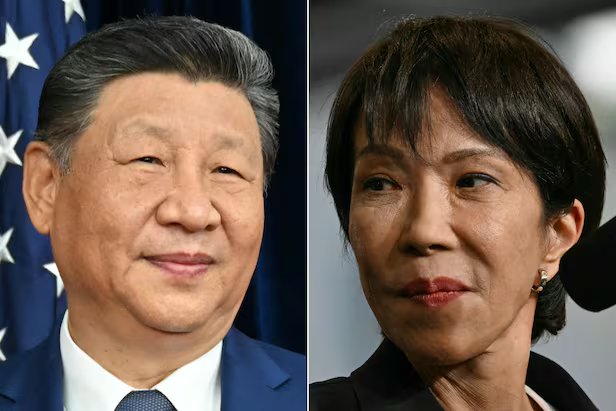
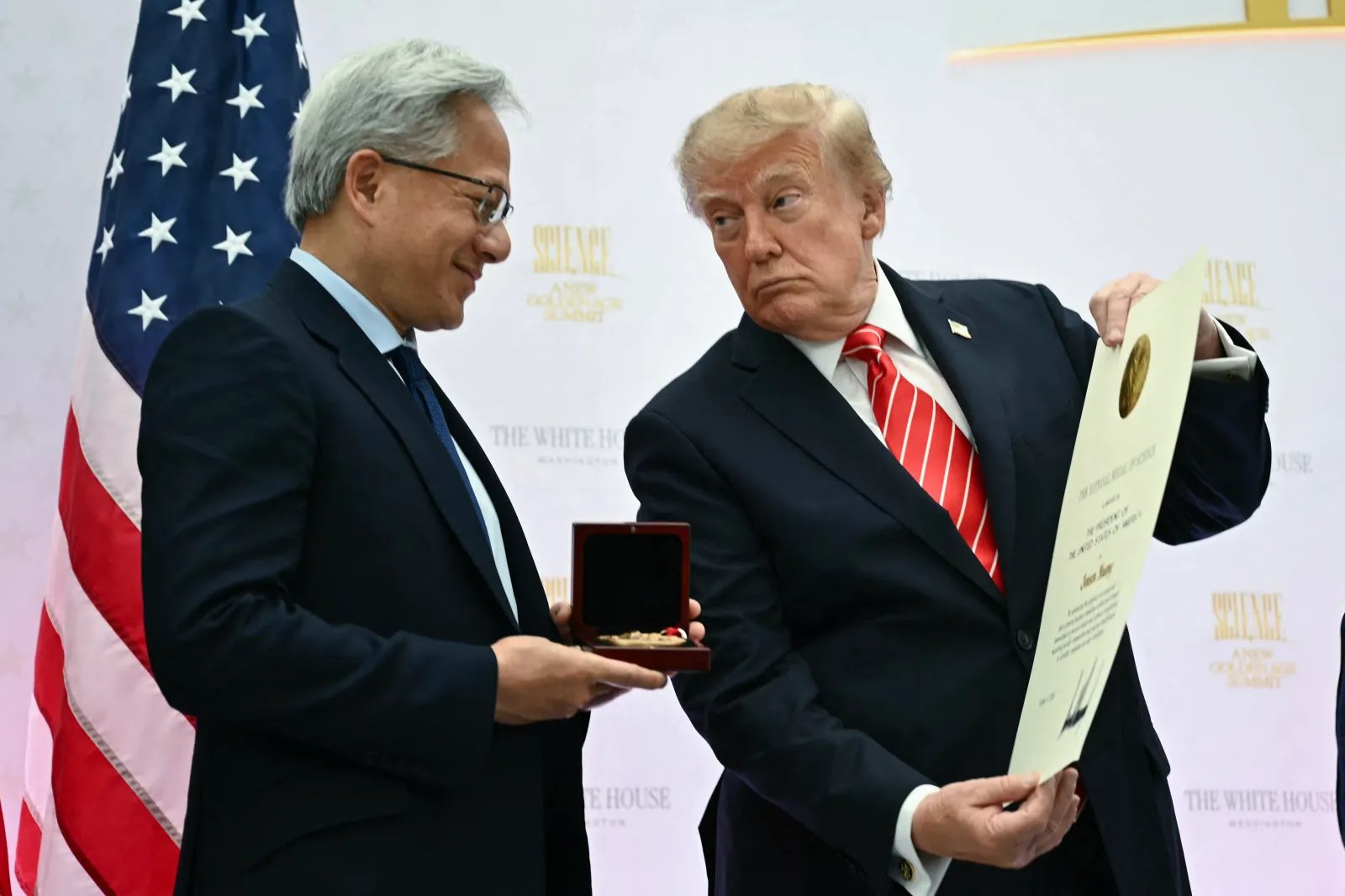
The strategic competition between the US and China will continue to persist. Notwithstanding the glow of two summits this year between President Trump and Chinese President Xi Jinping (and potentially two more in quick succession: APEC in Shenzhen and G20 in Miami), it is hard to imagine that there will be any significant shift in the overall tenor of US-China relations.

America considers China a peer rival and would not make concessions to Beijing, not least in the field of high-tech competition where the current competition is most acute.
On the Chinese side, my interactions with Chinese scholars over the years have made one fact crystal clear: Beijing considers its relationship with Washington as the basic structure of its international relations within which all its other political relations are viewed.
Its relations with Japan, South Korea, North Korea, Southeast Asia and even the Taiwan issue are subsumed under a single overriding political prism of its relationship with the US.
The US continues to play an outsized role in shaping how Chinese leaders think about Beijing’s place in the world. China believes fervently that the US is out to contain them and thus it is necessary for it to push back whenever its interests are being challenged.
Seen this way, US-China strategic rivalry will continue to go unabated. While both Xi and Trump may have begrudgingly accepted some kind of unspoken truce between one another, the structural forces compelling both Washington and Beijing to consider each other as adversaries have only intensified, particularly now with high-tech competition thrown into the mix.
Throw in the possibility of human rights issues that a Democrat-led senate may once again yet raise with Beijing, and the scene is set for a more combustible relationship with China.
For many countries, Trump’s global tariffs and trade war were viewed as actions that ran contrary not only to America’s own interests but also undercut America’s global leadership claims to be a force for good.


Canadian Prime Minister Mark Carney’s speech at the World Economic Forum early this year suggested that in the eyes of the international community, the US could not be trusted and therefore its mantle of assuming global leadership needs to be reconsidered. But even if Carney was right, the question remains: what alternative to the US do we have?
Thus far, the middle power club of nations have yet to provide a coherent set of policies to demonstrate — in a decisive way — that they are willing and able to address the global issues today. For instance, domestic unrest in Europe have made European leaders more paranoid about their own countries’ affairs, while China — despite the sloganeering claims of its global initiatives — have yet to put forth anything substantive that can be considered a global public good.
While Beijing excels in pointing out what is wrong with the US (which is hardly difficult these days), it is less clear over what its solutions to these problems are, much less being able to provide the necessary resources to address these problems.
Even if it wanted to, its economic challenges back home preclude it from being able to intervene in a decisive manner in the global market. Beijing’s goal is to sell to the world what it produces, not replace the US as an alternative market where countries — faced with American tariffs — can look to sell to.
While some have compared the remaining Trump’s presidency to a “lame duck” or even an “angry duck”, one should not let our own judgment or dislike of Trump the man cloud our bigger judgment of Trump the American.
As several scholars from an East Asian ally of America once told me, Trump was elected by the majority (no matter how slight) of tax-paying Americans and thus reflects America’s thinking — no matter how imperfect that reflection might be. Likewise, the anti-Trumpian voices among the American intellectual elite (particularly in the top universities) — which are over-represented in the media — do not fully capture the breadth and diversity of America’s political preferences and the voices that eventually are being heard at the ballot boxes.

In a twist of irony, one of the most perceptive observations of American political life was made by China’s Wang Huning, who is also the chairman of the National Committee of the Chinese People’s Political Consultative Conference, and whose ideas have shaped Chinese political thought since the late 90s.
In his book America Against America, written more than three decades ago when he was a professor at Fudan University, Wang concluded, following a six-month sojourn in the US that “America is not a simple homogeneous whole that can be dismissed with a single sentence”.
If one takes Wang’s prophetic words seriously, then we should put the results of this midterm elections in its proper perspective. The euphoria that Trump’s opponents are experiencing should not be interpreted as a sign of changing times in America, nor should the searing soul-searching of Trump’s camp be seen as de facto proof of Americans rejecting everything about the Trump administration.
A blue tsunami may have engulfed much of America this time, but it would be folly to dismiss the Trumpian worldview as irrelevant. One should not count the ducks before they are hatched.