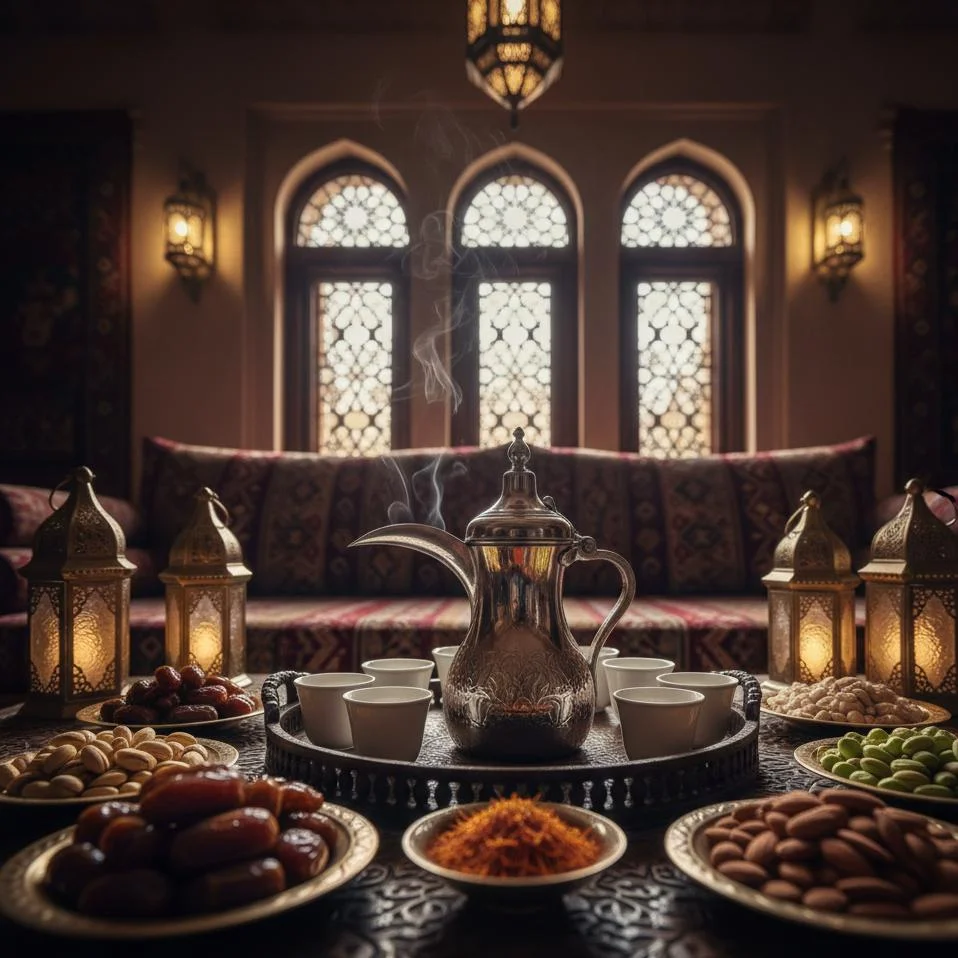
From the traditional majlis and Arabic dallah to speciality cafés and innovative brewing, coffee traditions across the Gulf are evolving while preserving their cultural roots.
Coffee has long been more than a drink in the Gulf. It is a gesture of welcome, a symbol of generosity and an important part of everyday social life. From family gatherings and traditional majlis settings to weddings and formal occasions, serving Arabic coffee has remained a familiar expression of hospitality across the region.
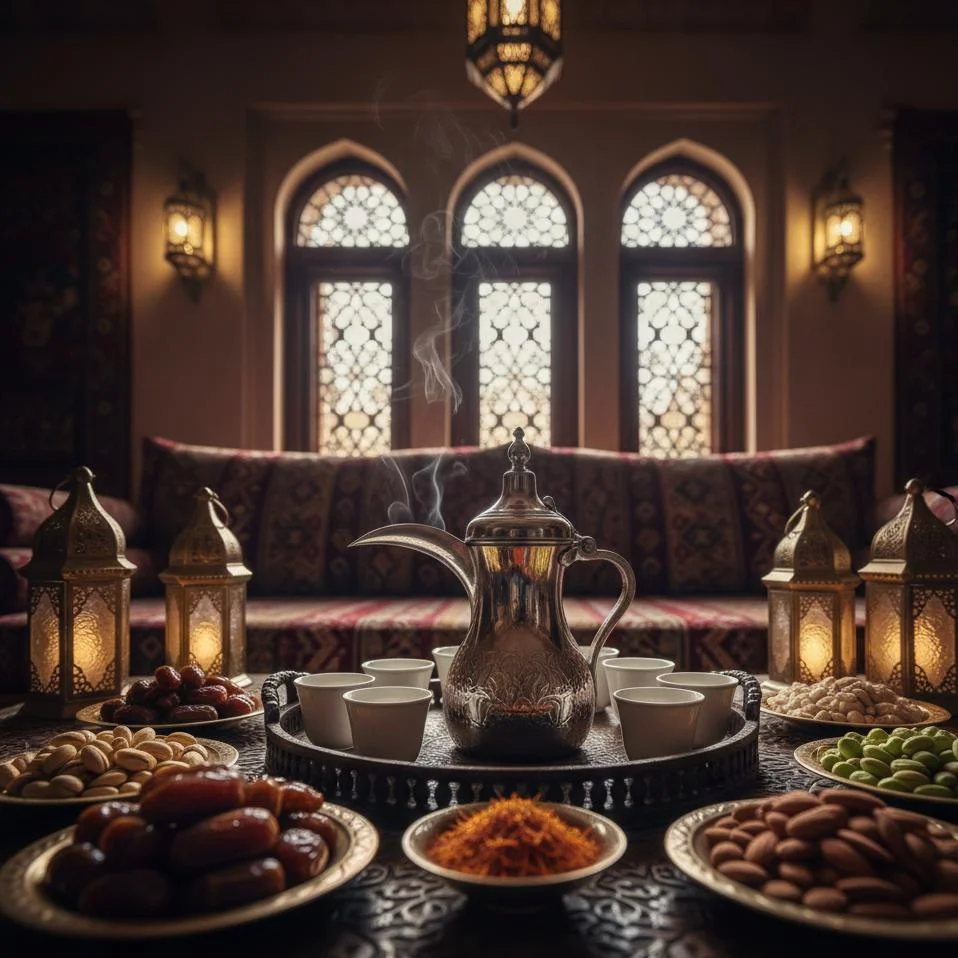
Today, however, the way people experience coffee is changing. Across the Gulf Cooperation Council (GCC), traditional coffee customs coexist with a growing interest in speciality cafés, contemporary brewing methods, locally produced beans and new flavour combinations. Younger consumers are discovering coffee through a different lens, while businesses and cultural institutions are finding new ways to celebrate its heritage.
Rather than disappearing, Gulf coffee culture is developing a relationship between its traditional roots and modern preferences.
A tradition built around hospitality
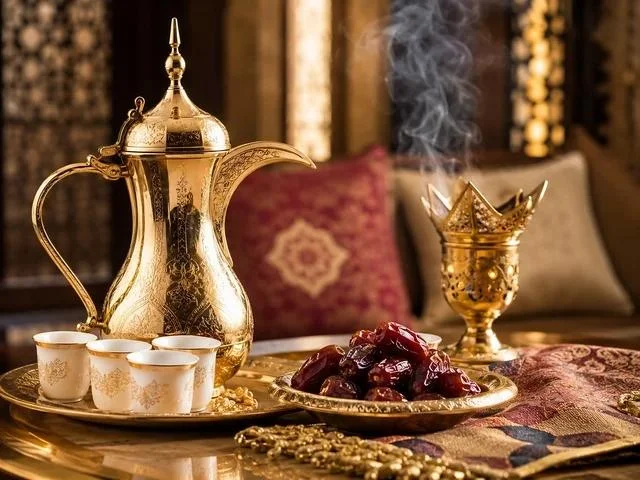
In Gulf societies, Arabic coffee, commonly known as gahwa or qahwa, has traditionally played an important role in welcoming guests. It is often served in small, handleless cups known as finjans, using a traditional coffee pot called a dallah. Cardamom is a familiar ingredient, although recipes and additional spices vary between countries, regions and households.
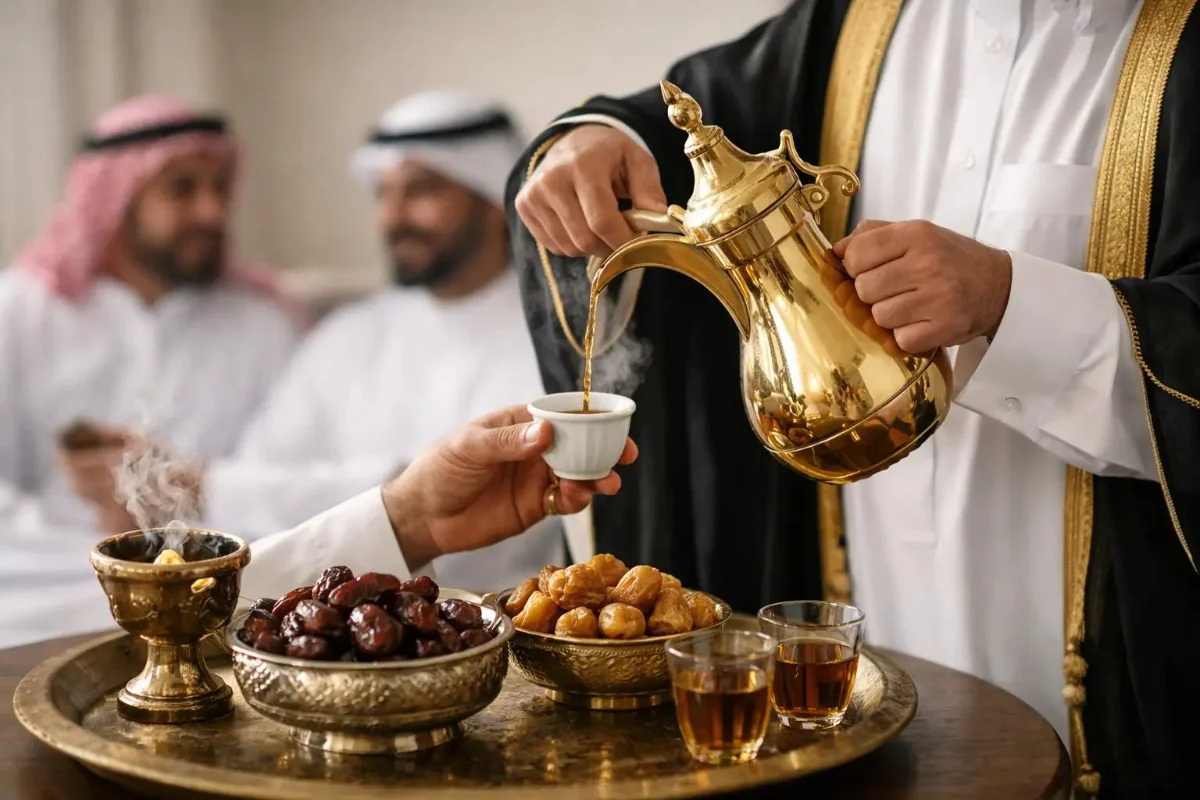
The ritual also carries its own etiquette. Guests are traditionally served with attention to age and social standing, while the host pours the coffee using the right hand. In many communities, a guest gently shakes the cup to indicate that they have finished.

These customs reflect a wider cultural value: hospitality is demonstrated not simply by offering refreshments, but through the care and respect shown to visitors.
The cultural significance of Arabic coffee received international recognition when it was inscribed on UNESCO’s Representative List of the Intangible Cultural Heritage of Humanity in 2015, following a nomination by Saudi Arabia, the United Arab Emirates, Oman and Qatar. In 2024, the inscription was extended to include Jordan.
UNESCO describes the practice as a daily social ritual associated with generosity, respect, conversation and the transmission of knowledge between generations.
The recognition highlights how coffee traditions extend beyond preparation and consumption. They are connected to family relationships, community gatherings and cultural identity.
From the majlis to the modern café
One of the most noticeable changes in Gulf coffee culture is the growing popularity of contemporary cafés.
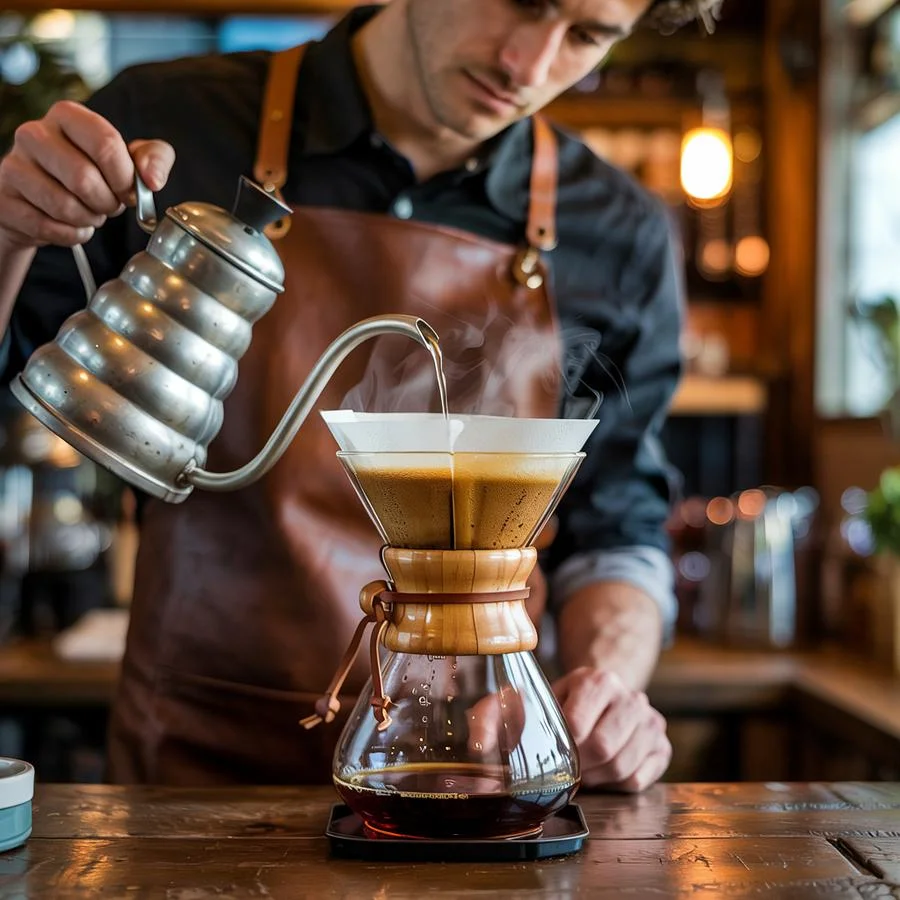
In cities such as Manama, Dubai, Riyadh, Doha and Kuwait City, cafés have become familiar meeting places for people looking to socialise, work, study or simply spend time outside their homes.
Unlike the traditional majlis, where hospitality is often centred around receiving guests, modern cafés offer a different kind of social environment. Customers can meet friends, use laptops, attend informal meetings or enjoy coffee independently.
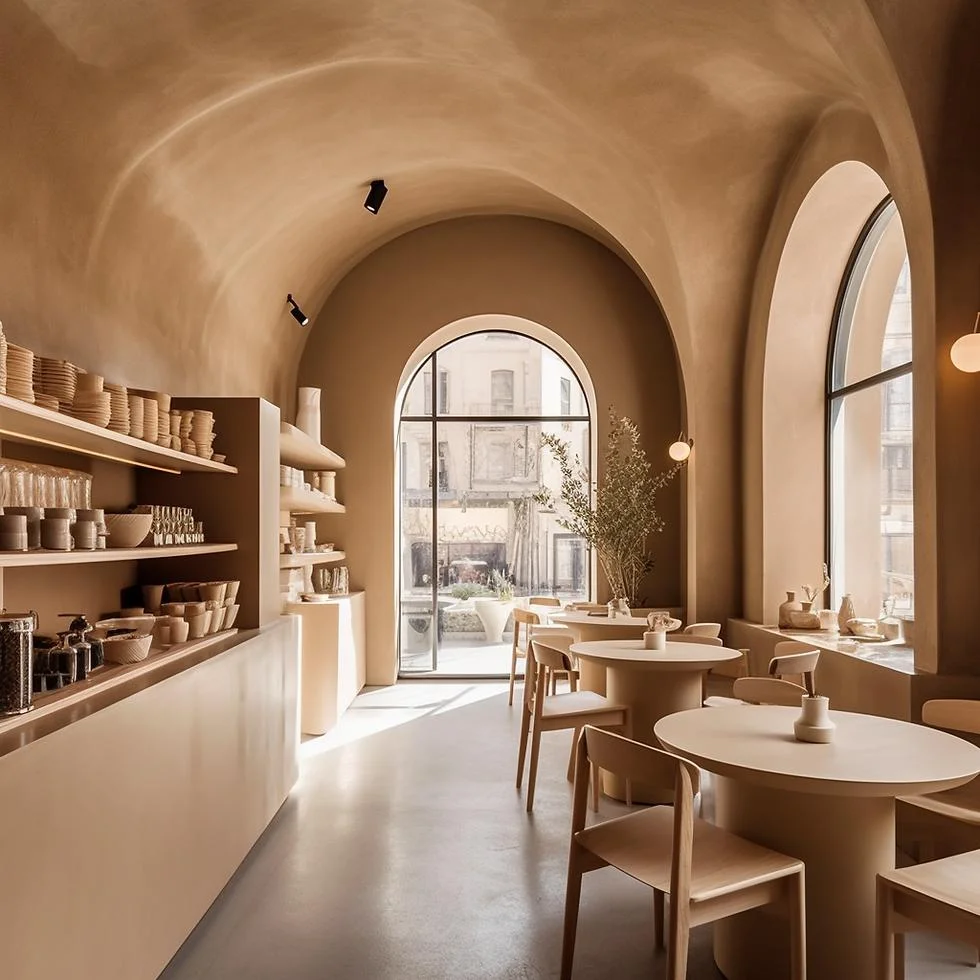
However, the underlying importance of gathering over a cup of coffee remains recognisable.
Research published in the journal Frontiers in Built Environment in 2026 examined café culture in Bahrain through surveys, case studies and observations. The study found that cafés function as hybrid social spaces, combining opportunities for interaction with places for individual activities. It also identified a strong preference for modern speciality cafés among its predominantly young sample, while traditional cafés continued to play a role in preserving cultural continuity.
The findings offer an interesting example of how social habits are evolving in Bahrain without completely abandoning older traditions.
For many consumers, the appeal of a modern café is not necessarily a rejection of traditional coffee culture. Instead, it provides another setting in which people can enjoy the social experience associated with coffee.
The rise of speciality coffee
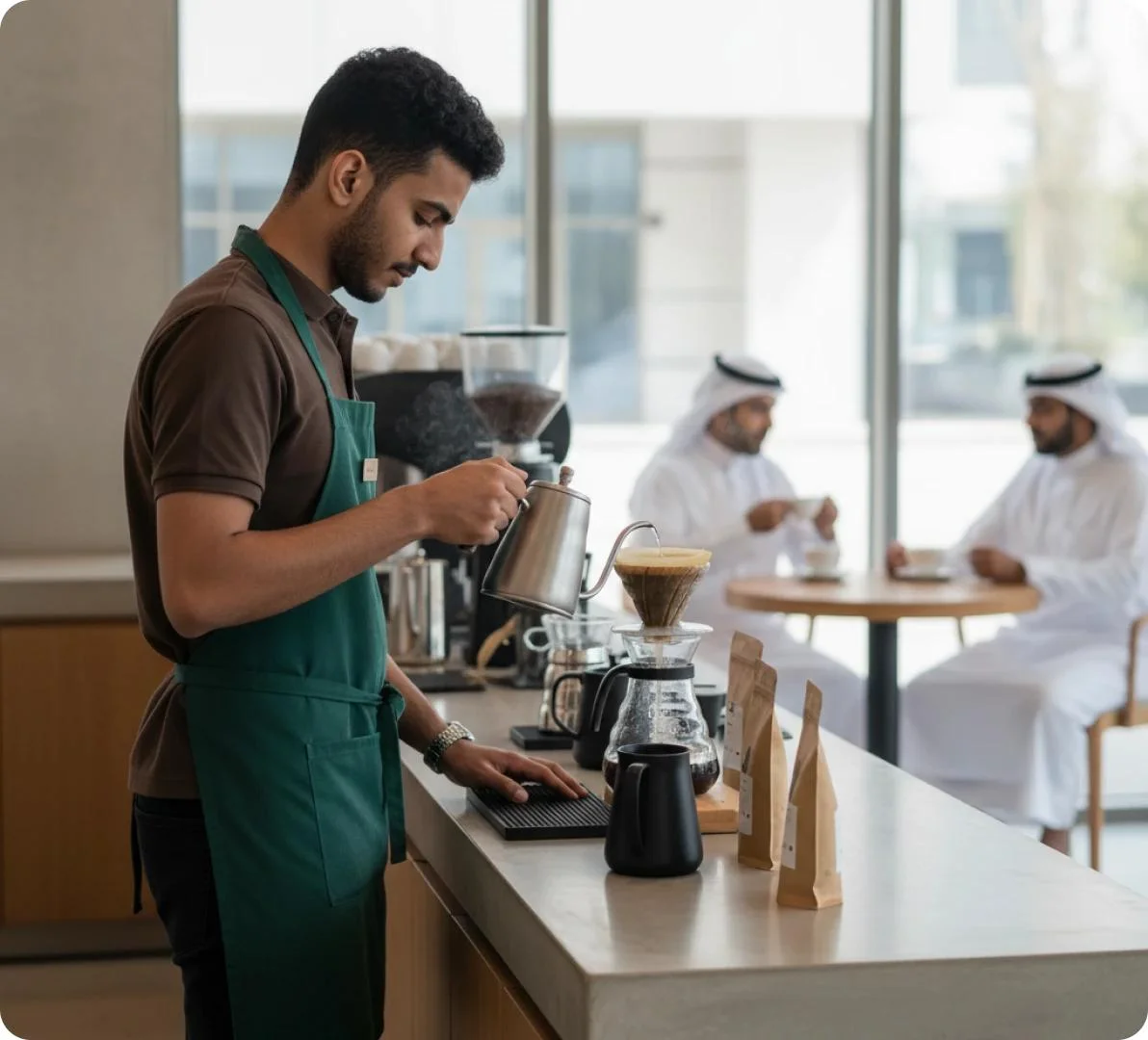
Alongside traditional Arabic coffee, speciality coffee has become an increasingly visible part of the Gulf’s café scene.
Consumers are showing interest in different bean origins, roasting profiles, brewing techniques and preparation methods. Espresso-based drinks, pour-over coffee, cold brew and other contemporary options have expanded the choices available to customers.
This development has also created opportunities for local entrepreneurs, independent roasters and café owners to introduce distinctive products and experiences.
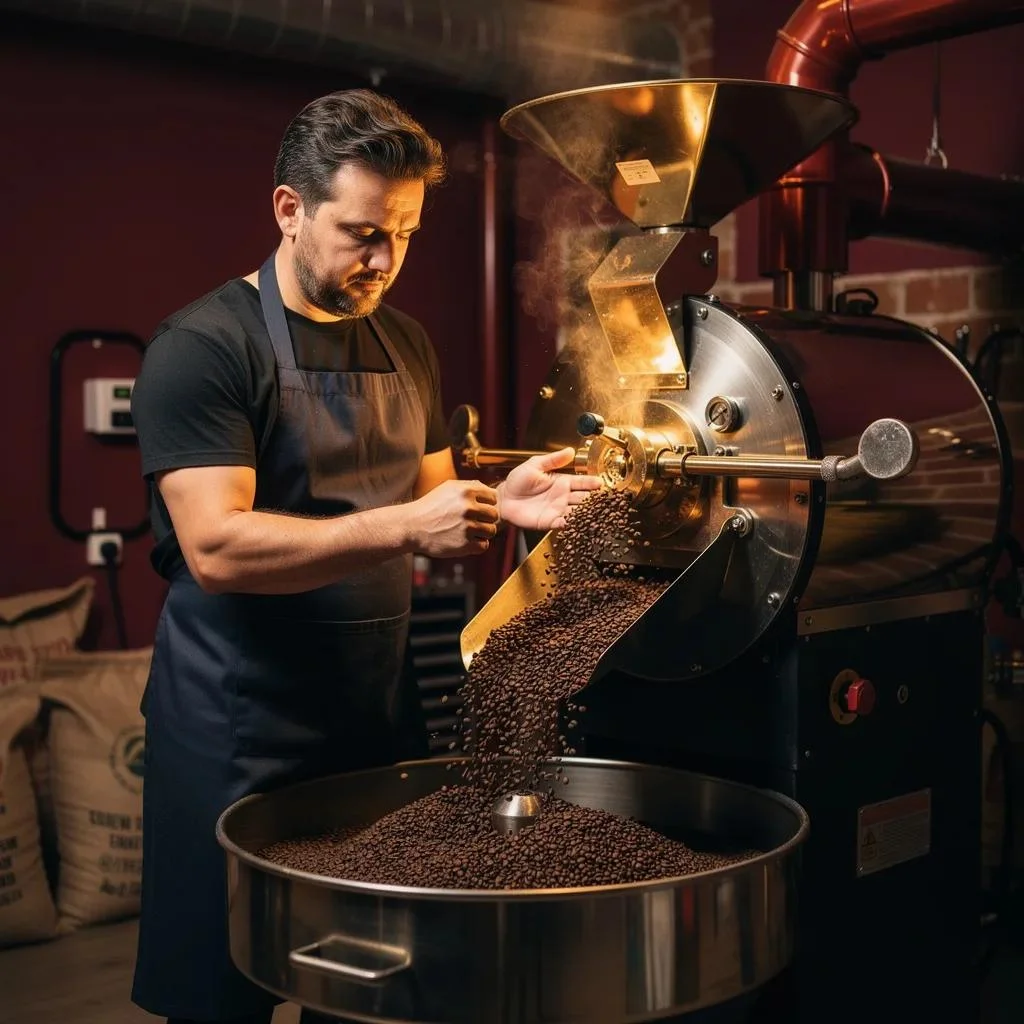
Saudi Arabia provides a particularly interesting example of this transformation. Its Ministry of Culture has documented how the country’s coffee sector is combining traditional cultural practices with modern innovation. The growing speciality coffee market has placed greater emphasis on bean quality, origin, roasting and brewing, while creating opportunities for entrepreneurship and professional training.
The shift is also connected to a wider interest in understanding where coffee comes from and how it is produced. Rather than focusing exclusively on the finished drink, some consumers are becoming more interested in the journey from farm to cup.
For a region with established coffee traditions, this creates an opportunity to connect contemporary coffee appreciation with local agricultural heritage.
Bringing local coffee production into focus
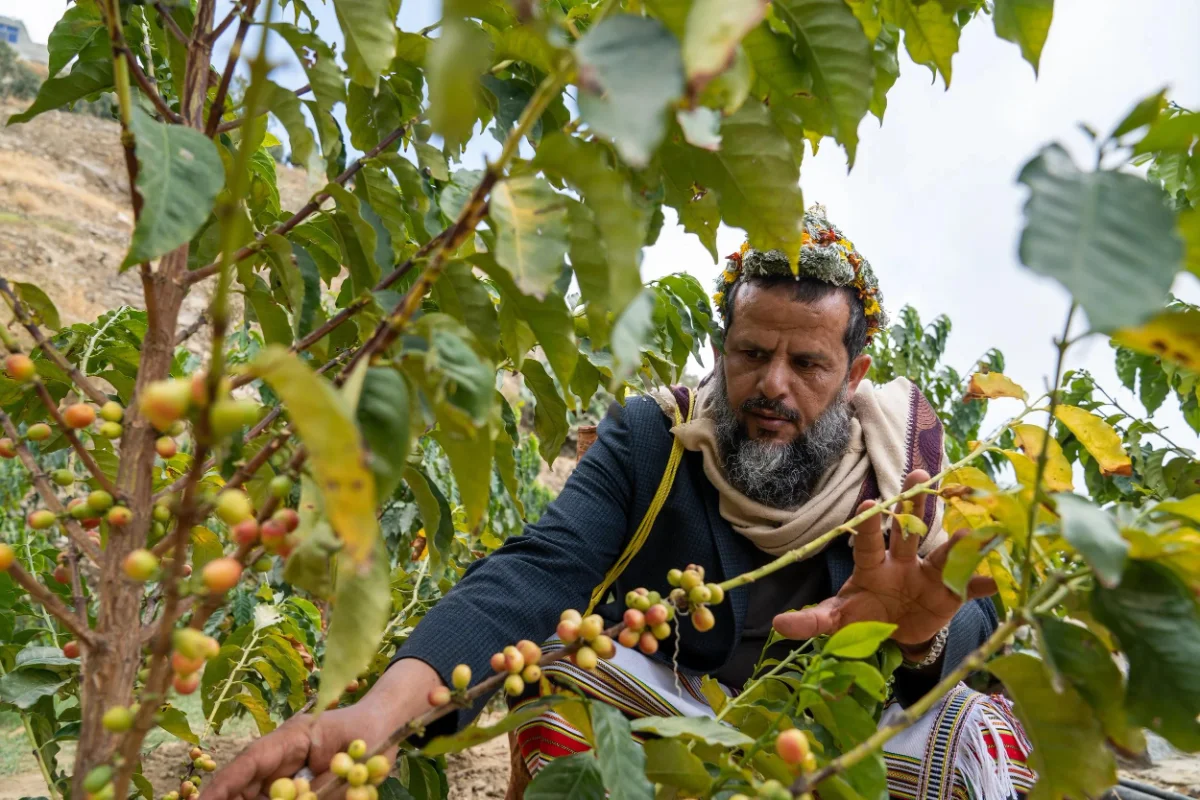
Saudi Arabia’s coffee-growing regions demonstrate that the Gulf’s relationship with coffee extends beyond importing and preparing beans.
In the southwestern part of the Kingdom, particularly in Jazan, farmers have cultivated Khawlani coffee for generations. The cultivation and processing practices associated with Khawlani coffee were inscribed on UNESCO’s Representative List of the Intangible Cultural Heritage of Humanity in 2022.
The tradition involves knowledge passed between generations, from planting coffee trees and caring for crops to harvesting and processing the beans.
Saudi Arabia is also investing in developing its domestic coffee sector. According to the Saudi Press Agency, figures released by the Ministry of Environment, Water and Agriculture in February 2026 indicated that the Kingdom had more than 1.3 million productive coffee trees across several regions, producing over 870 tonnes of coffee annually.
These developments illustrate how coffee can connect cultural preservation with agriculture, entrepreneurship and economic opportunities.
Although traditional Arabic coffee remains central to hospitality, locally grown coffee is also attracting attention as consumers and businesses explore regional products and their origins.
Tradition meets contemporary flavours
Modern coffee culture has also encouraged experimentation with flavours, presentation and preparation.
While traditional Arabic coffee is commonly associated with cardamom and other familiar spices, contemporary cafés have introduced a wider range of drinks inspired by regional ingredients and international trends.
Some establishments experiment with dates, saffron, pistachio and other flavours associated with Middle Eastern cuisine. Others incorporate traditional serving elements, heritage-inspired interiors or Arabic coffee options into otherwise contemporary menus.
These combinations demonstrate how cultural influences can find a place in modern commercial settings.
However, it is important to distinguish between traditional recipes and contemporary interpretations. A speciality drink inspired by regional ingredients is not necessarily the same as traditionally prepared gahwa. Both can have a place in the modern coffee landscape without being treated as interchangeable.
Preserving heritage while welcoming change
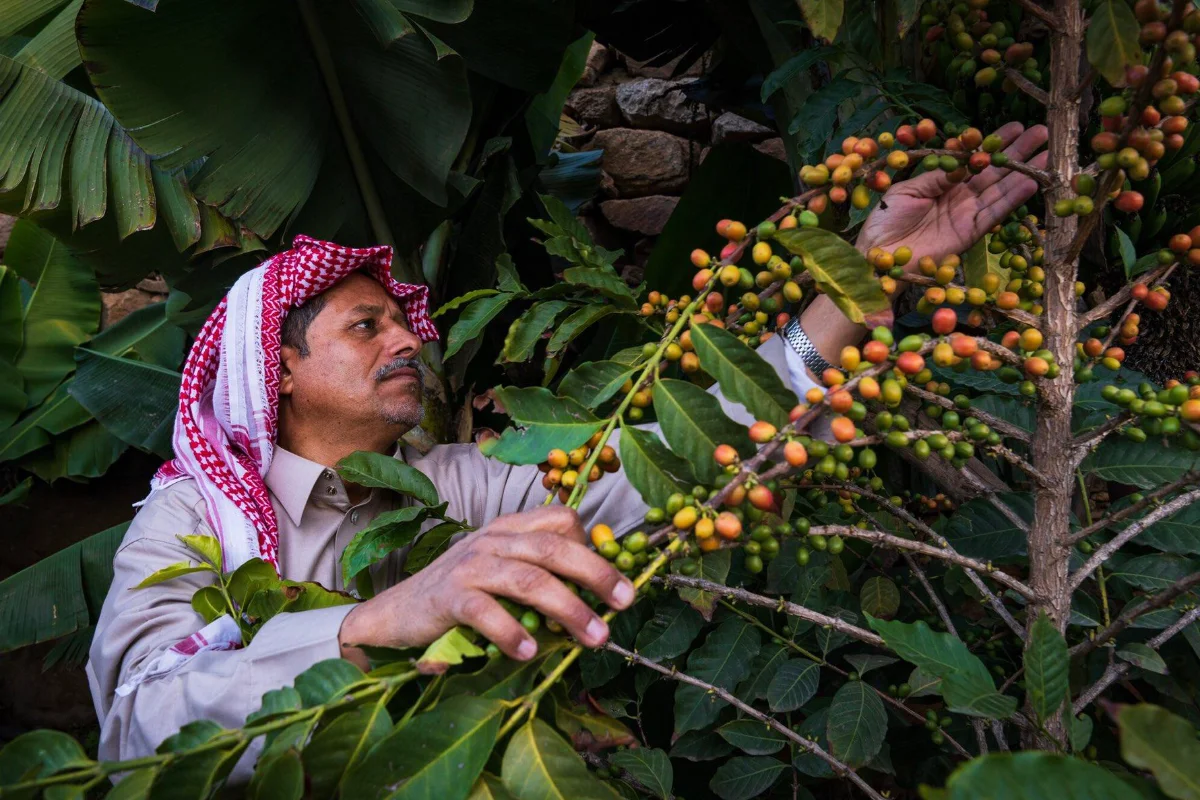
As modern cafés expand and consumer preferences evolve, preserving traditional coffee knowledge remains important.
Cultural initiatives across the Gulf are helping maintain these practices. In Abu Dhabi, the Department of Culture and Tourism’s Bait Al Gahwa initiative supports the preservation of Arabic coffee preparation and majlis-hosting traditions through training and opportunities for young Emiratis interested in independent projects.
The programme teaches participants about traditional equipment, preparation methods and the etiquette associated with serving coffee.
Such initiatives demonstrate that cultural preservation does not have to mean resisting change. It can involve teaching younger generations the significance of inherited practices while allowing them to find new ways to celebrate them.
For the Gulf, where coffee remains closely associated with hospitality and social connection, this balance is particularly meaningful.
More than a changing beverage
The evolution of Gulf coffee culture reflects wider changes in how people socialise, work, travel and express their identities.
The traditional dallah and finjan continue to represent hospitality, while contemporary cafés offer new environments and experiences. Local coffee production is gaining attention, speciality brewing is expanding consumer choices, and cultural initiatives are helping preserve knowledge that might otherwise become less familiar to younger generations.
Ultimately, the region’s changing coffee landscape does not have to be a choice between tradition and modernity.
Whether served in a family majlis, offered to a visitor or prepared by a barista in a contemporary café, coffee continues to bring people together. Its methods and settings may change, but its place in Gulf social life remains remarkably enduring.