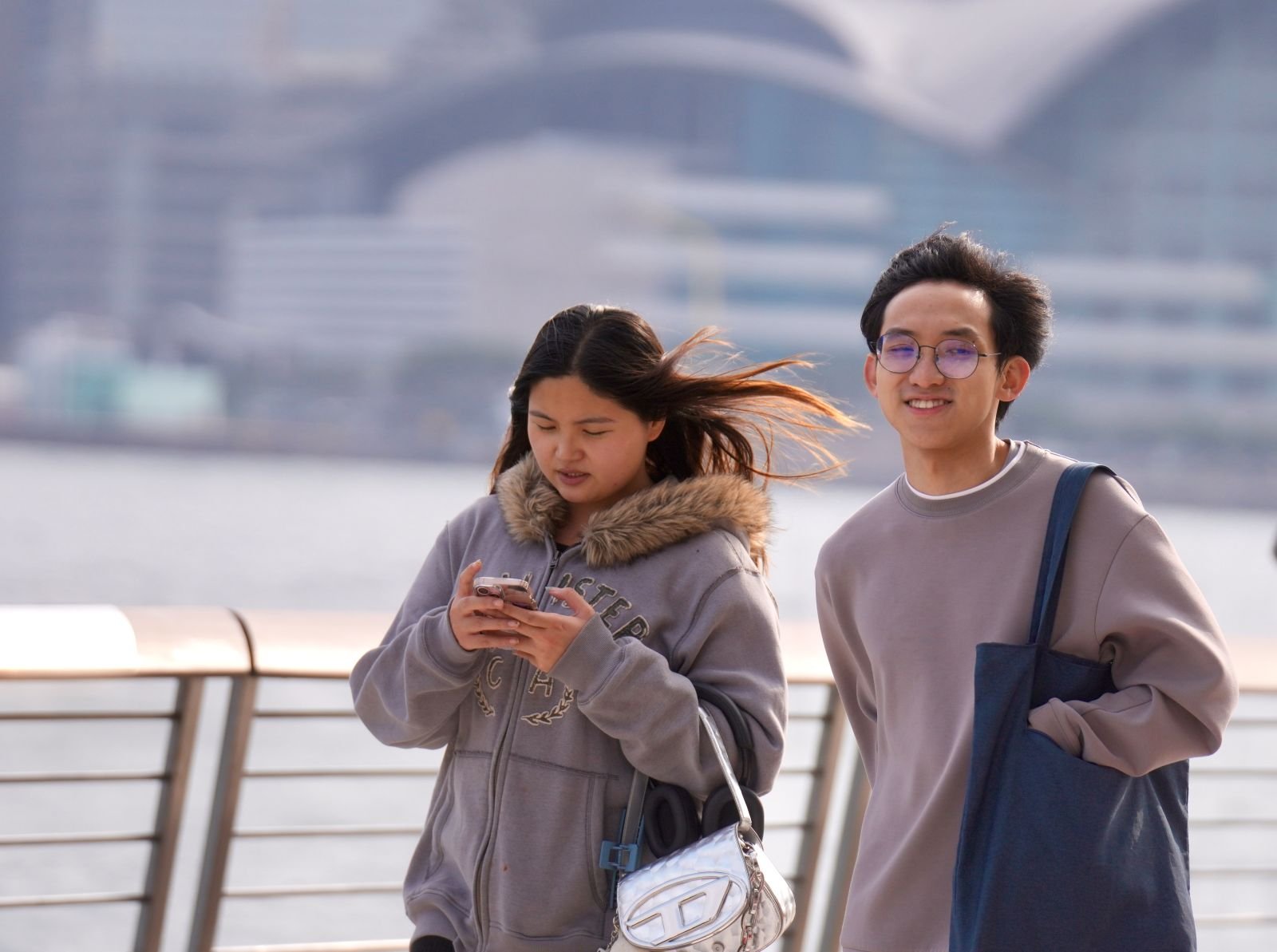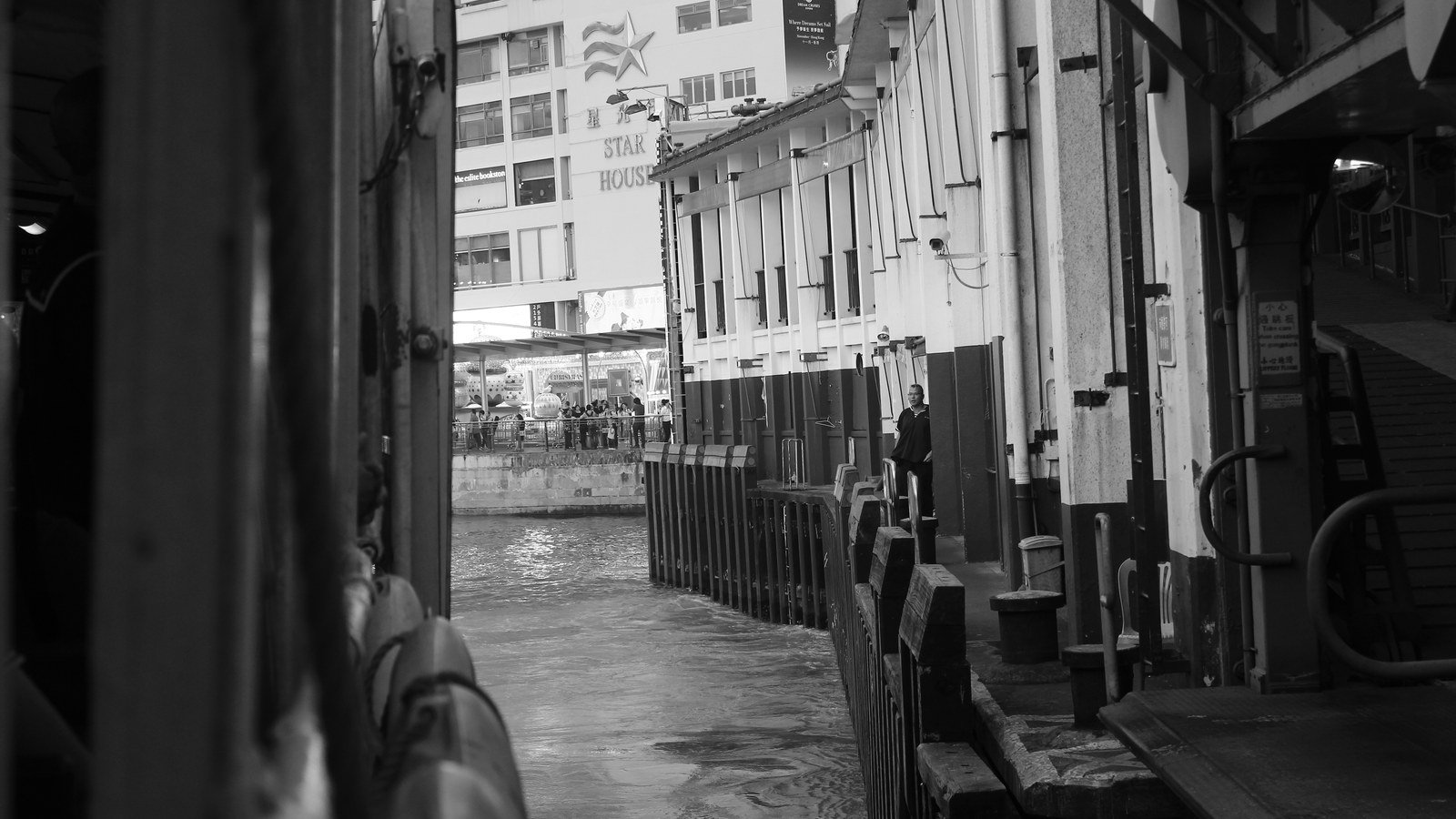
In Hong Kong, about 51 U.S. cents buys a place on a boat crossing the stretch of water in almost every photograph of the city. That is HK$4 for an adult on the lower deck of the Star Ferry between Central and Tsim Sha Tsui on a weekday outside public holidays, under the fare table in effect when checked on November 7, 2026. Central is on Hong Kong Island. Tsim Sha Tsui is on the Kowloon side. Both are useful places to be, so the ride can replace a trip you were already going to make.
For HK$1 more, about 13 U.S. cents, you can take the upper deck on that same weekday crossing. Either deck gets you to the same pier. What changes is where you sit and what you see through the opening. The inexpensive ticket buys a crossing, but it also makes the city easier to understand. From the water you can see which buildings belong to which shore, where the waterfront curves, and how little of that geography you would have noticed on a train underground.
Where In The World
Hong Kong
Victoria Harbour
Overview · Natural Earth
HK$4Weekday adult lower deck
HK$5Weekday adult upper deck
1 crossingCentral and Tsim Sha Tsui
Find the Boat That Crosses the Harbor
The two destinations to save are Central Star Ferry Pier 7 and the Star Ferry pier at Tsim Sha Tsui on Salisbury Road. Those are the ends of the crossing used for the fare in this story. The operator’s route and fare page also lists a separate passenger route from Tsim Sha Tsui to Wan Chai. Wan Chai is on the same island as Central, but it puts you farther east. Read the destination before you follow the line of passengers. A familiar ferry logo can appear on both routes.
Starting on the Kowloon side makes the geography particularly easy to read. Begin on the Tsim Sha Tsui waterfront and look across the harbor before boarding. Central’s towers sit against the rising land behind them. Then take the short crossing and see how that front row of towers turns into streets, piers and pedestrian approaches as the boat pulls in. The skyline changes from a flat picture to a neighborhood you can walk through.
Starting in Central works just as well if you want to finish on the Kowloon promenade. You do not have to ride back simply because you arrived by ferry. If dinner or your hotel is closer to an MTR station than the return pier, the subway can make more sense on the way home. The ferry earns its place when it moves you toward something you wanted to do anyway.
Read the Fare by Deck and Day
The operator separates weekday fares from Saturday, Sunday and public holiday fares. On the Central route, the adult lower deck is HK$4 on ordinary weekdays and HK$5.60 on the other days in that table. The corresponding upper deck fares are HK$5 and HK$6.50. That is about 51, 71, 64 and 83 U.S. cents respectively at the European Central Bank’s November 6, 2026 reference rates. Each fare is per adult, per crossing. Your card issuer’s conversion can differ.
What the Price Includes
| Day and deck | Local fare | Approx. USD |
|---|---|---|
| Weekday lower | HK$4 | 51¢ |
| Weekday upper | HK$5 | 64¢ |
| Weekend or holiday lower | HK$5.60 | 71¢ |
| Weekend or holiday upper | HK$6.50 | 83¢ |
Hong Kong’s government has approved new fares effective January 25, 2027. The government gave new adult caps of HK$6 on weekdays and HK$8.30 on weekends across the covered services. Those are the highest prices in the announced schedule, not a flat fare for every trip. Our report on the fare change covers the transition. For the day you are traveling, read the operator’s current table for the route and deck you want.
For two adults making the same weekday crossing both ways under the November fare table, four lower deck tickets total HK$16, about $2.04. Using the upper deck both ways totals HK$20, about $2.55. The difference for the pair is HK$4, about 51 cents. That is the scale of the choice. It may matter less than a step-free route, a convenient departure, or which side of the boat has an open seat.
Choose the Deck for the Ride You Want
The upper deck gives you a higher viewpoint. The lower deck puts you closer to the movement of the water and the level of the working pier. Neither ticket promises a particular window, a clear photograph or a quiet ride. If your priority is watching the shoreline, choose a seat with a view when one is available and give yourself time to look in both directions. Half the value of the crossing is being able to turn away from the buildings you were expecting to photograph and see what the other shore is doing.
Deck choice also has an access dimension. The operator publishes specific wheelchair information for the lower deck of the Central service. Review its current boarding guidance or ask staff before choosing a gate, especially if you are traveling with a chair, cannot use stairs comfortably, or are carrying luggage. The most useful fare is the one that gets your whole party aboard without an unnecessary change of level. Do not infer that a different route uses the same setup.
For a separate example of why a boat ticket’s purpose matters, consider the shared gondola ferry in Venice. Its price makes sense once you know it buys a crossing, with a fixed destination on the other bank. The same distinction helps here. A scheduled crossing can be an excellent place to look at a city without being a tour.
A Ferry Fare and a Harbor Tour Buy Different Things
Star Ferry also sells separate sightseeing products. A scheduled Central crossing gets you to Kowloon. A sightseeing ticket can be appropriate if you want the route, departure time or experience described for that product. Comparing a regular crossing with a longer harbor tour only by the ticket price misses the point. If your plan is a walk, a view and dinner on the other shore, a scheduled boat can do all you need. If your plan is to stay out on the water for the experience itself, start by checking the actual excursion route and duration.
It is possible to spend the difference without spending it on a boat at all. For a first visit, I would put the money and time into being on the waterfront before and after the crossing. Walk far enough from the pier to watch a ferry arrive. Follow the way the passengers disembark, then look for the point where the other shore starts to feel near. These are small things a longer excursion will not necessarily give you, because they depend on being ashore at the right moments.
The Hong Kong Transport Department’s ferry directory is useful when you see a similar pier or service name on a map. Victoria Harbour has more services than the one in this story. Use the route pair to identify the actual boat, then use the operator for details a directory may not present as clearly on a phone, including the deck and your date’s fare.
Choose the Shore Before You Choose the Time
A daylight ride makes it easier to place the hills, buildings and terminals. A nighttime ride changes what stands out. Illuminated towers do not necessarily show you where the land rises behind them. If you only do this once, pick the version that suits the rest of your day. Clear daylight is especially good if you are still making sense of where you are. Darkness makes the ferry’s own lights and the gaps between the buildings more visible.
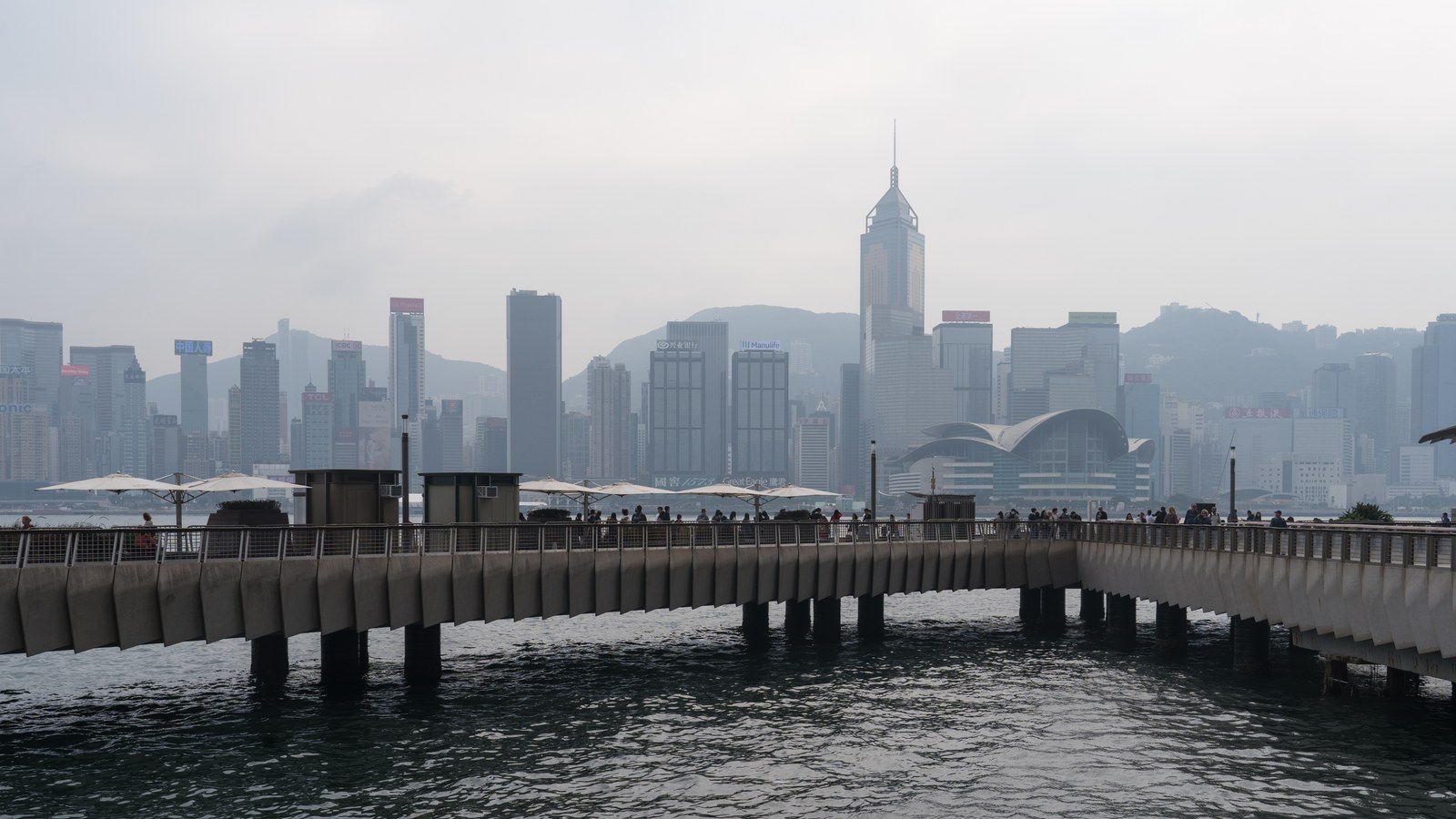
In Tsim Sha Tsui, build some time in for the waterfront by the Avenue of Stars instead of going straight inland. If you start on the island, the arrival gives you a natural place to turn around and look back toward Central. If you start on the peninsula, you can do the same look before you board and compare it with the view from the boat. You do not have to commit to a sunset slot or organize a separate tour to make either version work.
People arriving by cruise should check the exact berth before making this the first activity. The Hong Kong cruise port guide explains the difference between Ocean Terminal and Kai Tak. A boat ride that is an obvious add-on from one part of Kowloon may require another transfer from elsewhere. Set the deadline for getting back to the ship first, then fit in the crossing if the route works.
Plan One Crossing and Let the Day Decide the Return
Save the correct pair of piers. Check the fare for the actual day and the last service for the direction you need. Look at where you will be afterward before buying or planning a second crossing. A single ride fits a short first visit because it has no requirement that you build the rest of your day around it. Give the harbor a little more time than the few minutes you spend moving across it.
For the return, the logic is the same as picking a fare strategy for a day on London’s subway: start with where you need to end, then compare the ticket. Here, the surprise is that the working passenger route gives you one of the clearest views of Hong Kong’s two shores. Buy the ride that serves the day you are actually having. The view comes along.
Keep Exploring