Quick overview
- Japan’s Nikkei 225 index fell nearly 6.0%, marking its worst weekly loss since March 2020.
- Heavy selling in semiconductor and AI-related suppliers contributed to the index’s decline, which touched a session low of 56,745.
- The Nikkei has entered bear market territory, dropping over 20% from its summer high due to global tech uncertainty and regulatory shifts.
- Recent economic data showing a surge in Japanese nominal wages has led to expectations of an interest rate hike by the Bank of Japan.
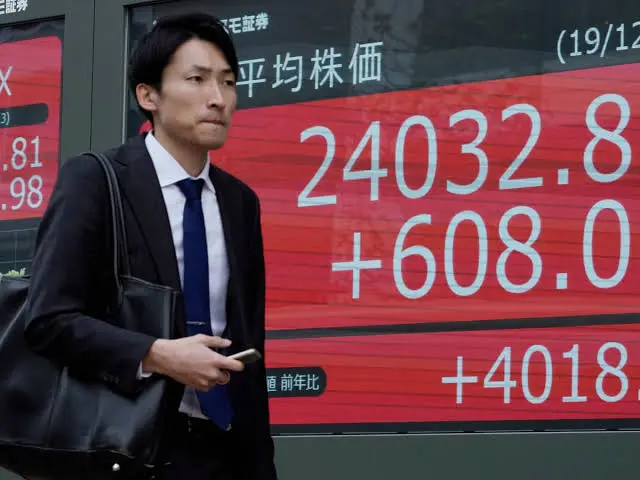
Japan’s benchmark Nikkei 225 index plummeted nearly 6.0% to close down over 3,500 points at 57,435, completing its worst weekly loss since the initial COVID-19 panic in March 2020.
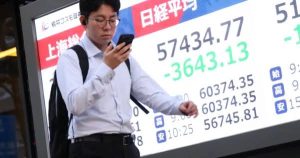
When markets opened, heavy selling in semiconductor and AI-related suppliers accelerated, sending the Nikkei 225 tumbling to a session low of 4,300 points before touching 56,745.
The slight rally back to the close at 57,435 reflects late bargain-hunting and short-covering, but it wasn’t enough to prevent the index from registering its worst single-week drop since March 2020.
The Nikkei has officially descended into bear market territory, falling more than 20% below its summer high. Market analysts point to a triple threat of global tech uncertainty, foreign regulatory shifts, and shifting domestic monetary policy that triggered the rout:
A dramatic overnight selloff on Wall Street sent shockwaves through Tokyo’s technology sector. Japanese heavyweights tied to global semiconductor manufacturing and AI infrastructure bore the brunt of the damage. Market anxiety escalated after the U.S. midterm election results.
Wall Street and Asian trading floors quickly began pricing in headwinds for the AI sector, along with anticipated shifts in federal tech spending, hitting major tech suppliers across Japan and South Korea.
Adding to equity headwinds, fresh economic data revealed Japanese nominal wages surged at their fastest pace in nearly three decades. The hot wage growth has fueled strong consensus that the Bank of Japan (BOJ) will implement an interest rate hike at its upcoming December policy meeting.

Olumide Adesina
Financial Market Writer
Olumide Adesina is a French-born Nigerian financial writer. He tracks the financial markets with over 20 years of working experience in investment trading