“To track missing persons and suspects”
Spread from public institutions to shopping malls
Store generated data for up to 180 days

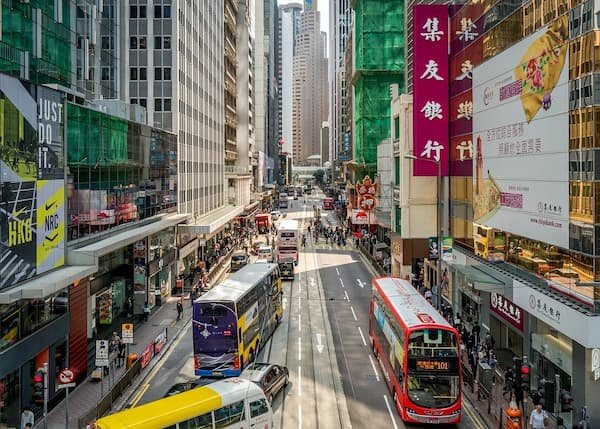
Starting this month, Hong Kong will introduce artificial intelligence (AI)-based facial recognition technology across smart surveillance networks using CCTV. It is intended to strengthen the ability to track missing persons and suspects, and it is planned to keep the generated data for up to 180 days.
According to the South China Morning Post (SCMP) in Hong Kong on the 6th, Hong Kong police said, “Using AI facial recognition technology significantly reduces the time it takes to analyze CCTV images to find tracking targets,” adding, “This will speed up the initial investigation and allow police to focus on other investigation tasks.”
Hong Kong police pointed out that many patrol personnel are often tied up in tracking down missing people or suspects. It is explained that when AI facial recognition technology is introduced, it is like securing additional personnel to more efficiently locate subjects 24 hours a day.
The facial recognition technology applied to the “SmartView” surveillance camera installation program works in two main ways. The first is tracking past movements. The police enter the characteristics of the suspect’s face and ask the system to search whether the person appeared in a specific time zone and a specific camera image to determine the path of movement.
The second is the real-time notification function. For example, if you enter the facial features of a missing elderly person in the system, a notification about the time and place when the person is captured on the camera is sent to the police.
The system search must be approved by an executive officer above the officer level. It should also serve the purpose of protecting national security, preventing and detecting crimes, and ensuring public security. In addition, the police must demonstrate the validity of using the system, such as the number of cameras and the amount of video required for the search, and whether the scope is proportional to the purpose of the investigation.
The original image data is kept for up to 31 days. On the other hand, the data generated by the AI facial recognition function takes up less storage space than the video and plans to store it for up to 180 days.
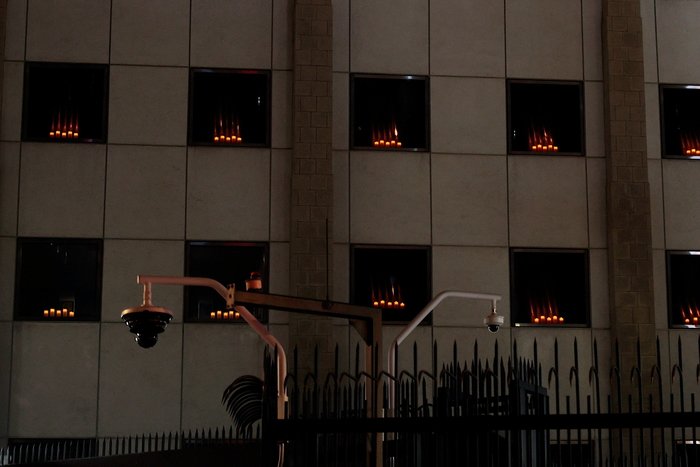
Hong Kong police emphasized that all CCTV cameras installed in the Smart View project only shoot public places. First of all, it plans to expand the scope to cameras in private facilities with large floating populations such as shopping malls and houses, starting with cameras operated by government ministries and public institutions. All operational procedures were established after personal information impact assessment and consultation with the Personal Information Protection Committee to protect citizens’ privacy, the police added.
The SmartView project aims to install 60,000 cameras across Hong Kong by 2028. SmartView already uses AI for headcount and automatic license plate recognition. As of the end of last month, the system played a key role in solving 2,192 criminal cases, including murder, arson, and theft, and arresting 2,831 people.