A new wave of Chinese automakers is targeting Korea by 2027, intensifying pressure on domestic manufacturers and prompting calls for policy support.
China’s EV push into Korea is shifting into high gear. After BYD and Geely Auto’s Zeekr opened the door, a new wave of Chinese brands is lining up to enter in 2027 and Korea’s auto industry is bracing for a tougher fight.
Chinese EV makers that have formally announced plans to enter Korea or are considering doing so include Chery Automobile, Xpeng, Great Wall Motor, Leapmotor and Changan Automobile, industry sources said on Tuesday.
Leapmotor and Changan Automobile ranked No. 3 and No. 4 in China’s new energy vehicle, or NEV, sales from January to September, behind BYD and Geely Auto.
Leapmotor, whose global sales rights are held by Stellantis, sold more than 2 million vehicles in Europe from January to September. The company is now considering Korea as its next market.
Changan Automobile has filed EV trademarks with the Ministry of Intellectual Property and is reportedly looking for executives to lead its Korean operations.
Some Chinese automakers have already confirmed plans to enter Korea in 2027.
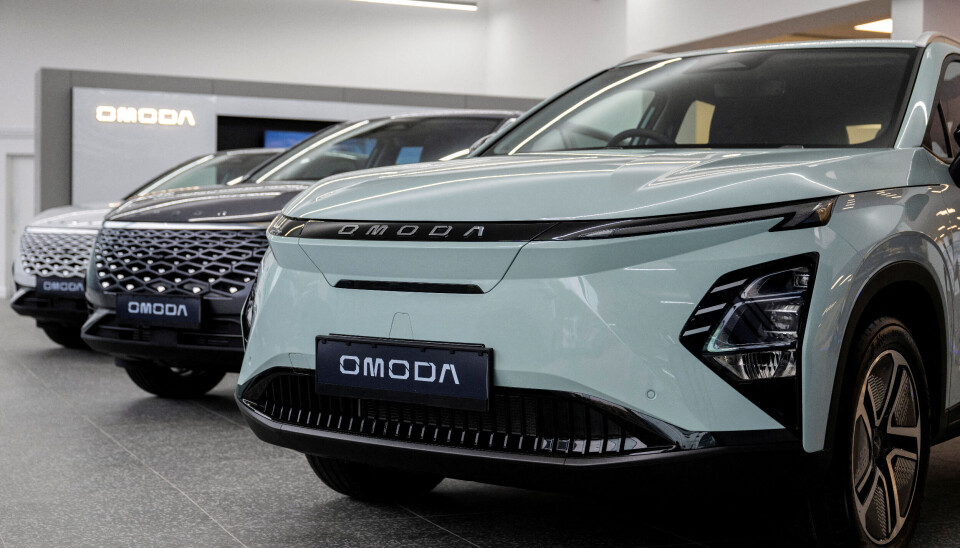
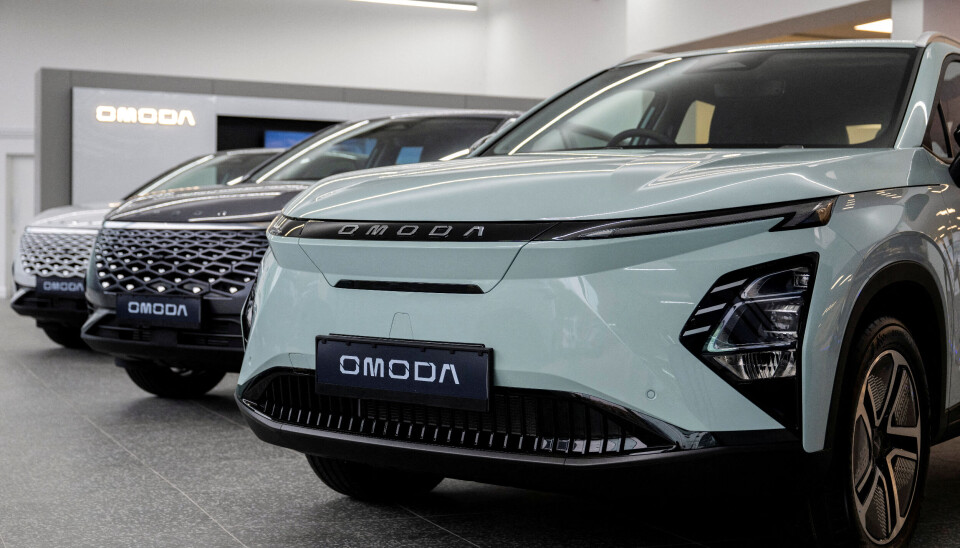
Chery Automobile announced last month that its EV brands Omoda & Jaecoo will enter the Korean market. The company plans to expand into Korea, Japan and Canada by 2027 and strengthen its localization strategy.
Great Wall Motor is also expected to enter Korea as early as 2027 through importers such as toy maker Sonokong.
Chinese EV makers have also started recruiting experienced executives from Korea’s imported car industry.
Xpeng, often dubbed the “Tesla of China,” appointed former Volvo Cars Korea executive Lee Man-sik as head of Xpeng Motors Korea on Tuesday. Lee will begin his new position on Dec. 1. The appointment is seen as part of Xpeng’s plan to build a domestic sales network and establish a premium brand image similar to Volvo’s.
BYD previously recruited Cho In-chul, a former BMW Group Korea executive, to lead its Korean operations. Great Wall Motor has also hired a former Audi Korea executive.
Chery Automobile, which has established a Korean unit, is also reportedly recruiting across a wide range of positions.
“Chinese companies are hiring aggressively when European and Japanese automakers are cutting staff,” a source at an imported car company said. “People are starting to joke that, at this rate, everyone will end up [switching companies] to work for Chinese automakers.”
China’s EV makers are looking overseas as their home market becomes increasingly saturated.
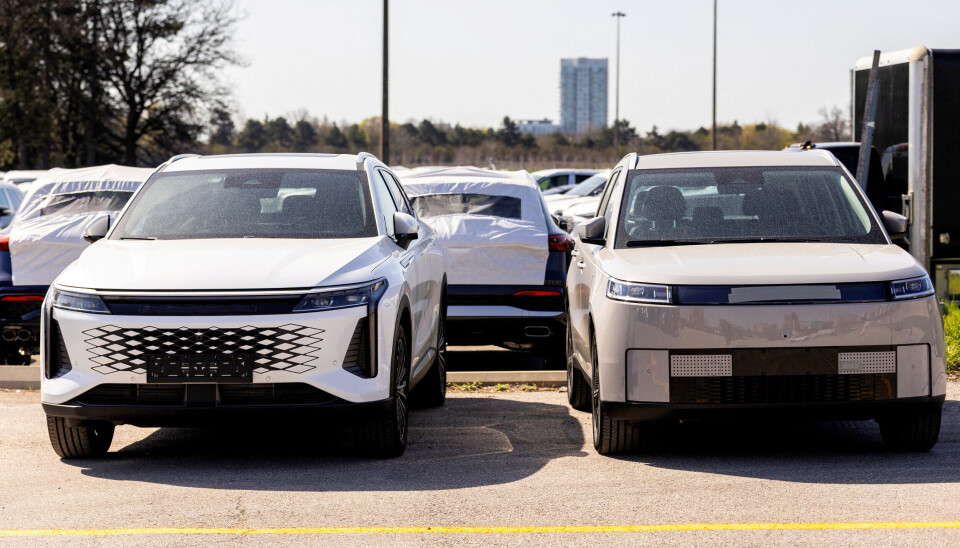
Passenger car sales in China fell 21.7 percent from January to September compared to the same period in 2025, according to the China Automobile Dealers Association. Exports of NEVs such as EVs surged 138.8 percent over the same period.
Chinese automakers have turned to Korea as their next market after Europe because the Korean market is geographically closer and has a well-established imported car sector.
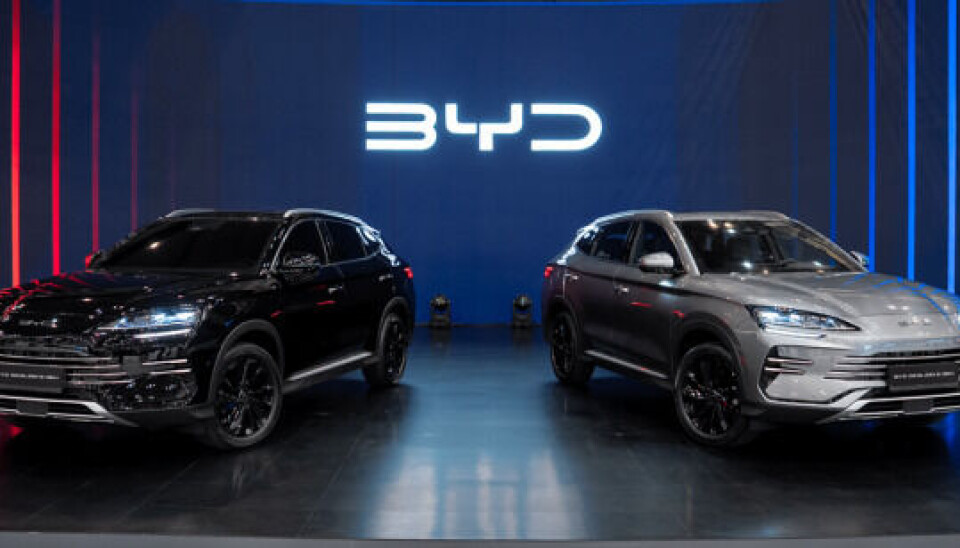
BYD has sold more vehicles in Korea than expected since entering the market. Its strong sales could have encouraged other Chinese automakers to follow.
Korean automakers fear Chinese brands could take market share faster than expected.
“Competing on price with Chinese EV makers is virtually impossible because they receive enormous support from the Chinese government,” a source from a Korean automaker said.
“Even Europe’s countervailing duties have failed to stop the Chinese push [in Europe],” Cho Chul, a research fellow at the Korea Institute for Industrial Economics & Trade, said. “Korean automakers will have difficulty competing unless the government provides some form of protection.”
The National Assembly and the government have begun looking at possible countermeasures.
Lawmakers repeatedly called for EVs to be included in Korea’s domestic production tax credit during the parliamentary audit that ended on Oct. 30.
“The government will actively participate in discussions on EV tax credits,” said Lee Hyoung-il, deputy prime minister and minister of the Ministry of Finance and Economy, after meeting executives from the auto and auto parts industries on Monday.
A total of 24 bills related to EV tax credits have been introduced in the National Assembly, according to the auto industry.
“The United States and Europe are actively protecting their domestic industries through trade barriers and other measures,” Lee Hang-koo, a distinguished professor at Namseoul University specializing in auto industry analysis, said. “Korea’s auto industry could dwindle sharply unless we strengthen our policy response.”
BY NAM YOON-SEO [lee.jiwon10@joongang.co.kr]